Supervision & Training CEUs for BCBAs
Supervision CEUs: supervising RBTs, trainees, and building competence.
Talks
When You’re Everyone’s Support: Building Sustainable Leadership.
Behavioral Wellness Coaching, LLC

Crash Course in Behavior Analytic Toilet Training: Translating Research to Practice
Copper Consulting Group

Building Rapport: A Listen Goes a Long Way
Rooted Consultation, LLC

Beyond Competence: Using ACT to Cultivate Psychological Flexibility in Behavior Analytic Supervision
Rooted Consultation, LLC

Providing Fieldwork Supervision in a School Setting
Rooted Consultation, LLC

A New Era of Fieldwork: Navigating the 2027 BACB Supervision Requirements
Rooted Consultation, LLC

Eight Hours Get You the Mug: Building Supervisors Who Can Actually Fill It
Rooted Consultation, LLC

So You Want to Do OBM Fieldwork?
Rooted Consultation, LLC

The Architecture of Supervision: Sequencing Competencies Across Specialties
Rooted Consultation, LLC

Supervision by Design: Applying Instructional Technology to Fieldwork Training
Rooted Consultation, LLC

Rad N Bad: The Middle Ground of NET — Escaping the Babysitting Trap with Rigorous Natural Environment Teaching
Hickory Learning Group

Supervision as Strategy: Developing People, Strengthening Practice
Rooted Consultation, LLC

The Supervision Breakthrough: Bringing Empathy to BCBA Supervision Through Behavior Science
Rooted Consultation, LLC

Red Flags and Green Lights: How to Evaluate a Supervision Program
Rooted Consultation, LLC
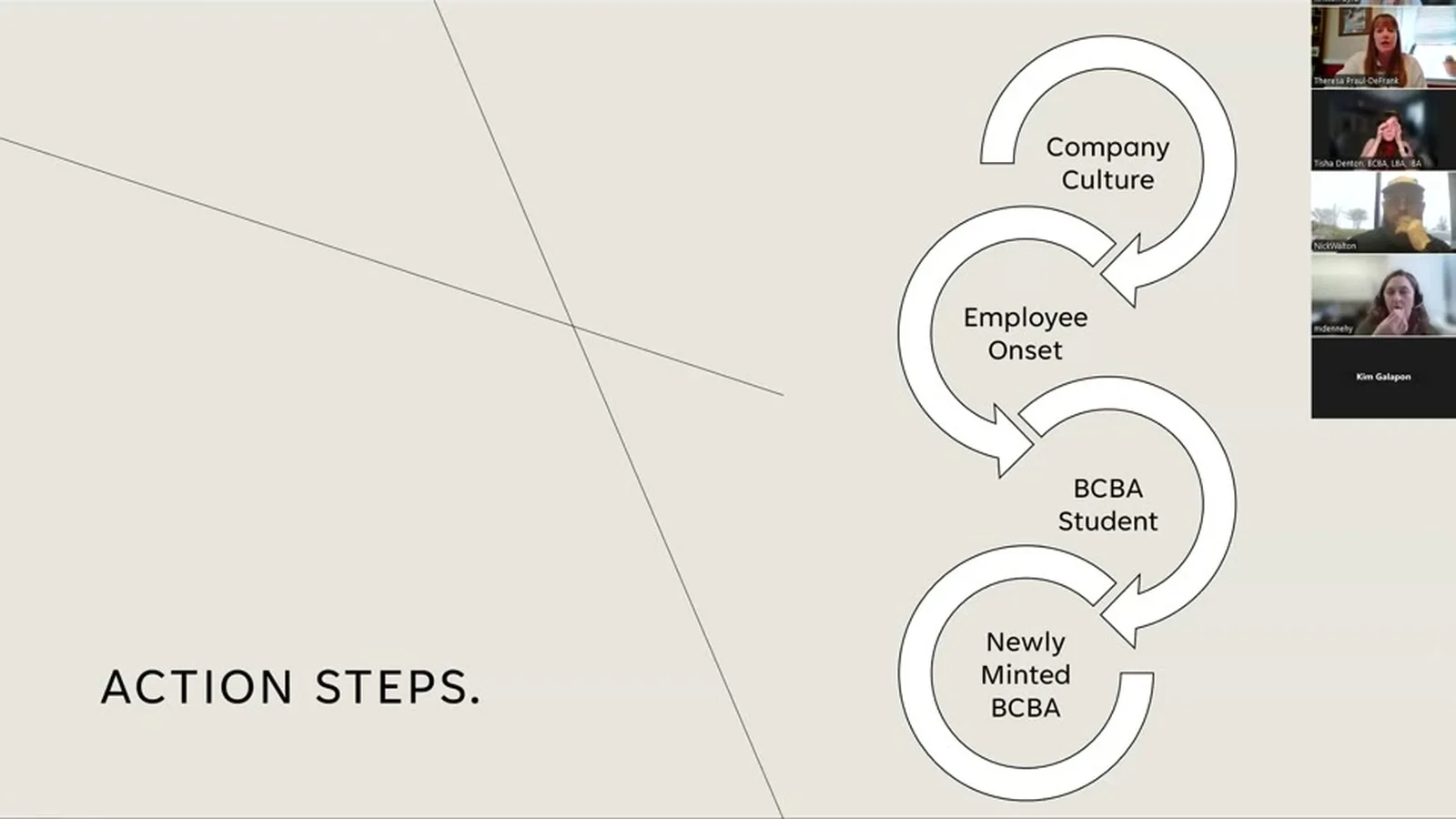
From Peer to Professional: Becoming & Supporting Early Career Behavior Analysts
Upskill ABA
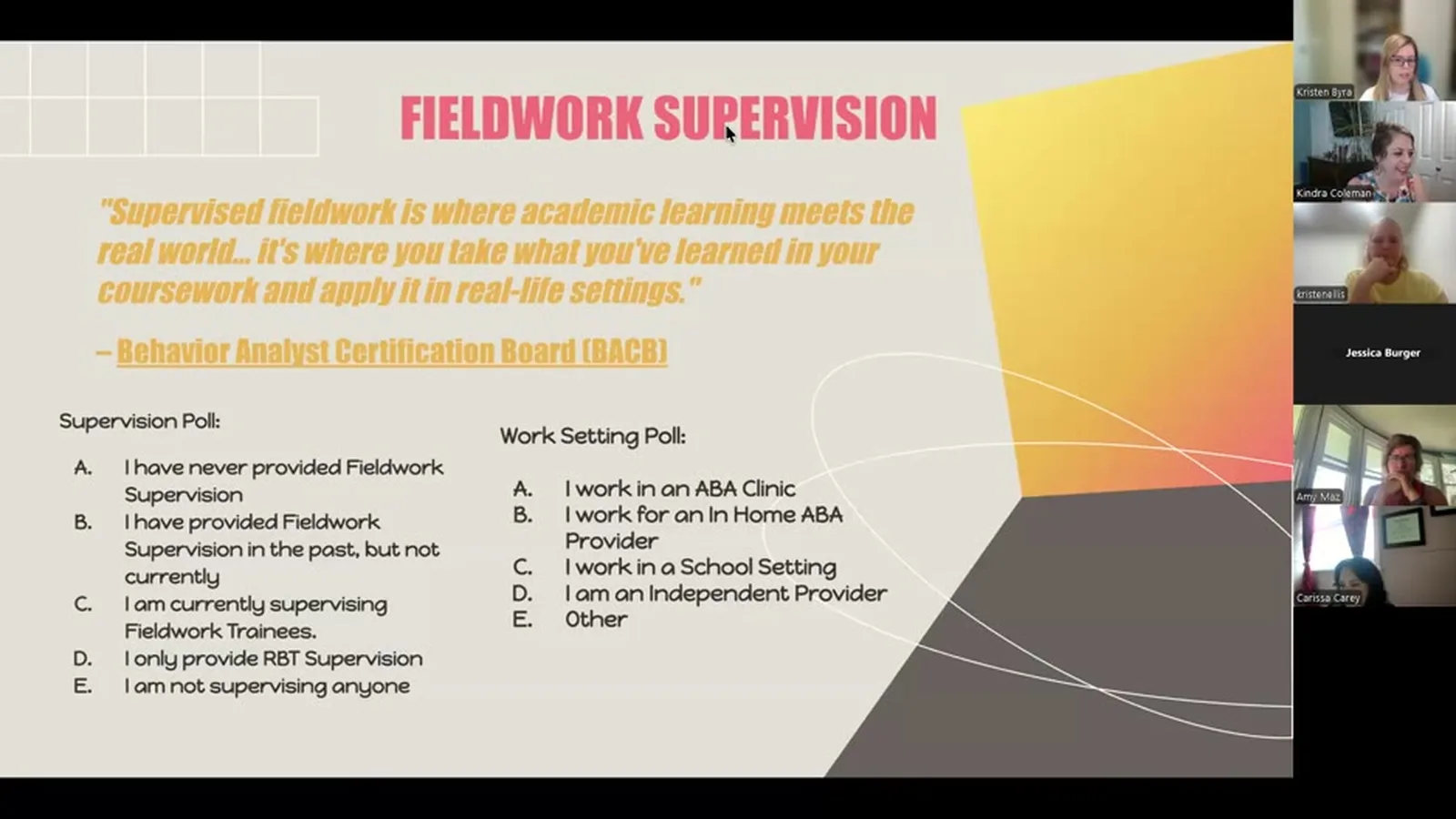
De-Coding Updates to BACB Supervision Requirements
Upskill ABA
Quality Without Measurement is Just Marketing: A Critical Analysis of Quality Service Delivery
Upskill ABA
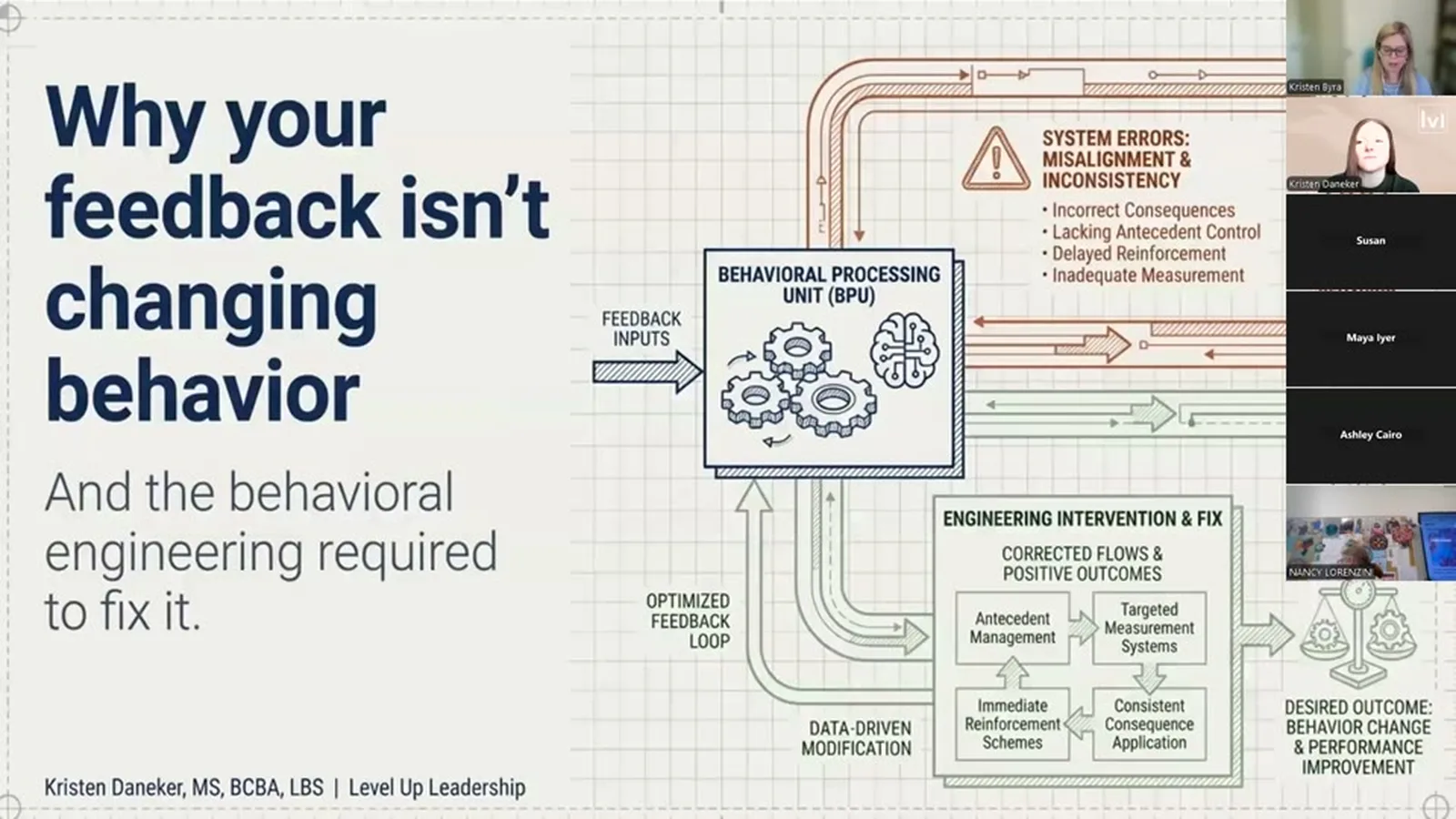
Why Your Feedback Isn't Changing Behavior
Upskill ABA
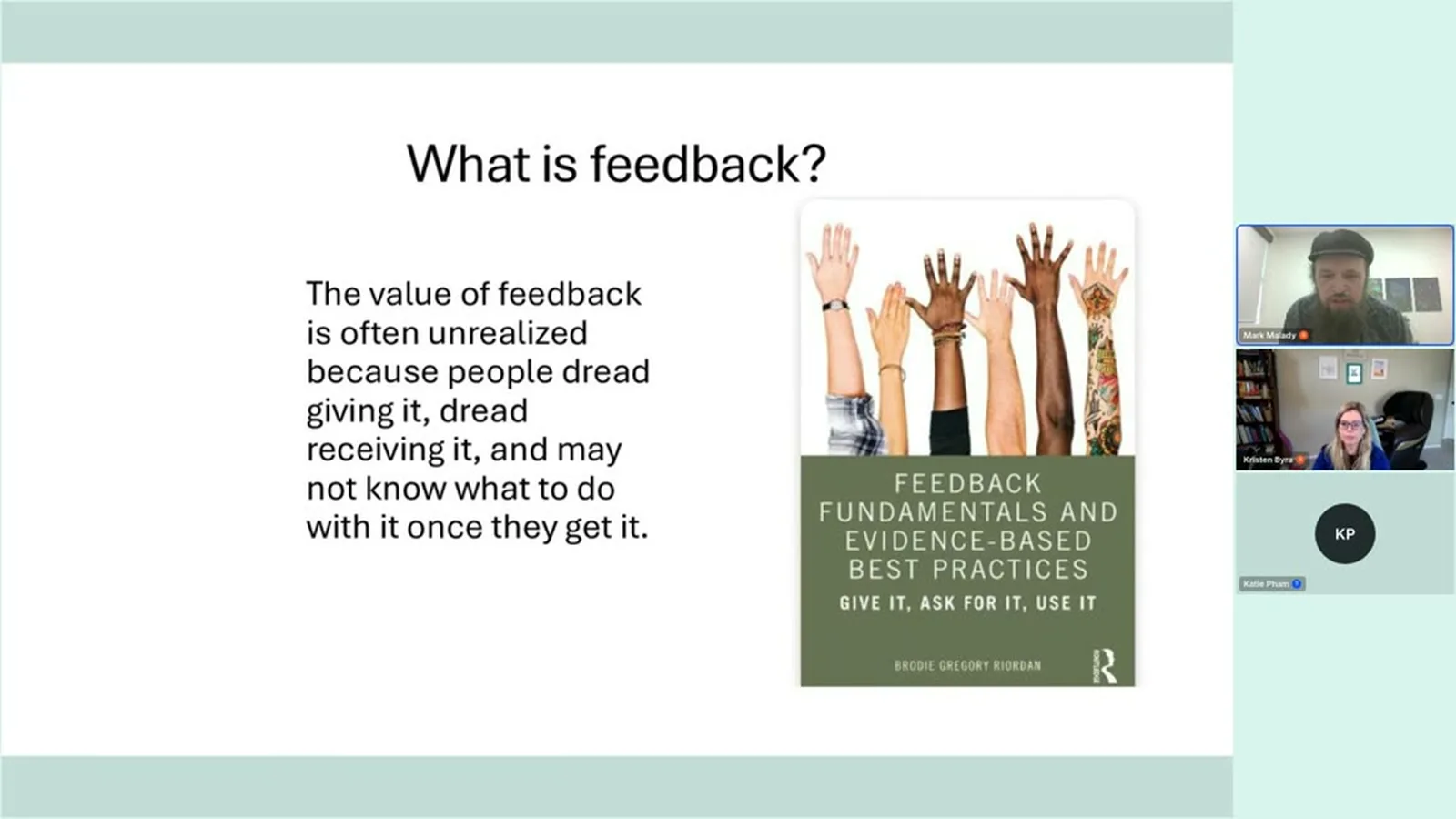
Feedback, Why So Serious? Removing Barriers to Feedback Delivery, Tolerance, Incorporation, and Learner Progress Through a Card-Based System (Part 1)
Upskill ABA
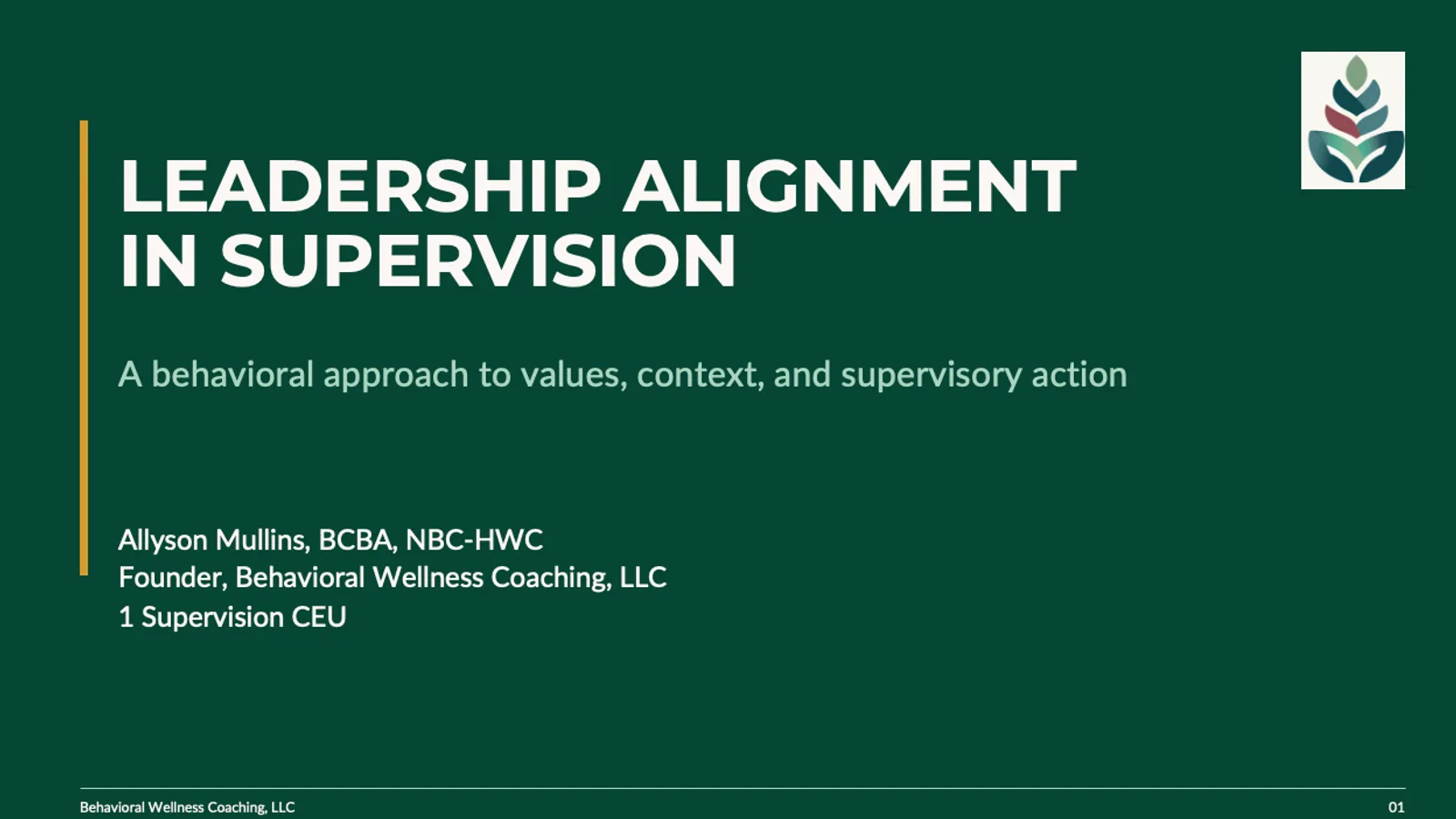
Leadership Alignment in Supervision
Behavioral Wellness Coaching, LLC

Supervising Beyond Technical Skills: Professionalism, Communication, and Clinical Judgment
The Behaviorist Bookclub

Reflective Supervision and Client Outcomes
The Behaviorist Bookclub

Navigating Communication with Clinicians
Candid Contingencies, LLC

Press Pause: What the RBT 40-Hour Training Was Really Meant to Do
Bowsprit Consulting LLC
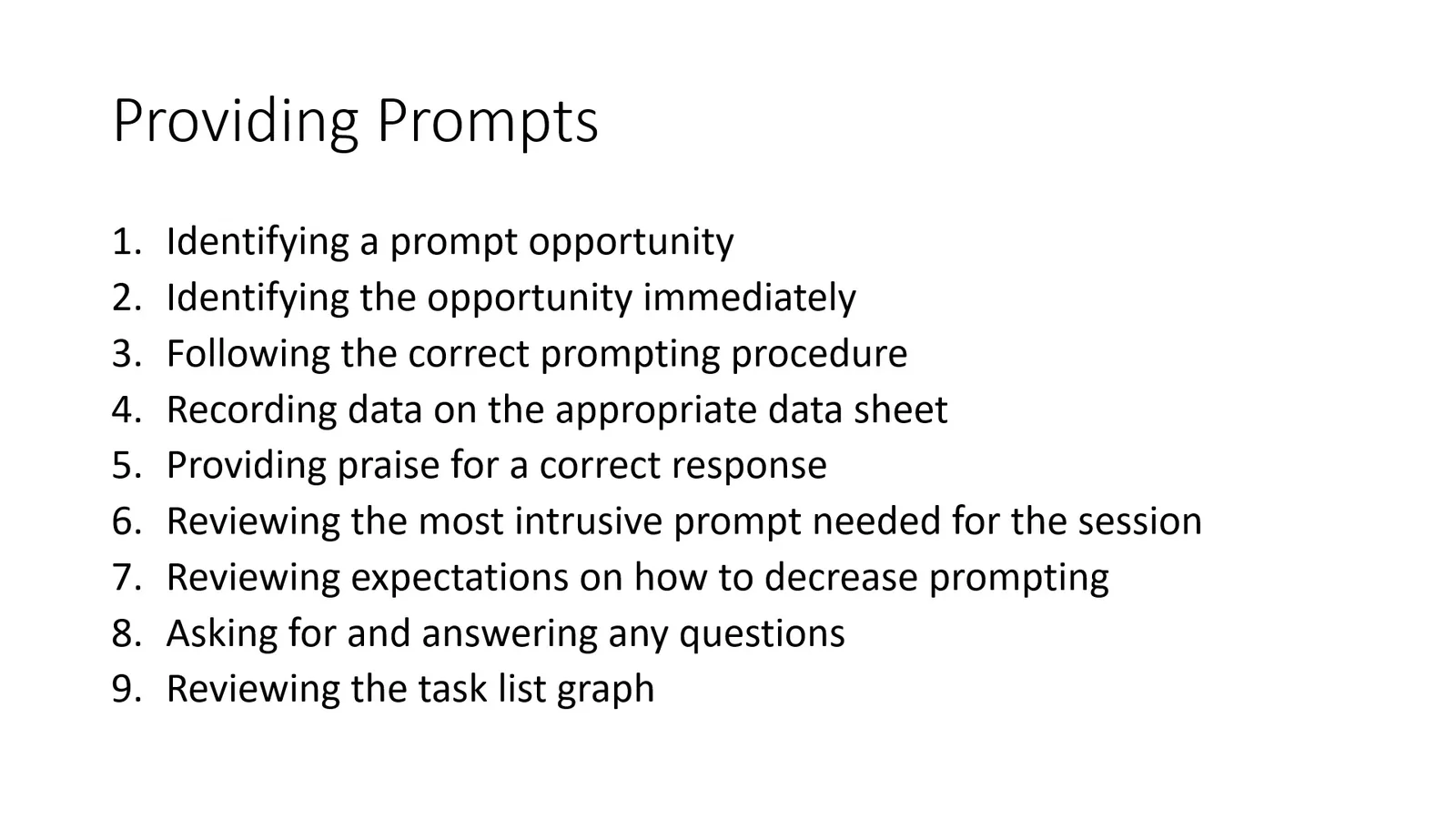
Toward an Evidence-based Supervision Model: Training Students in Independent Fieldwork
Willow Mentorship & Consulting, LLC
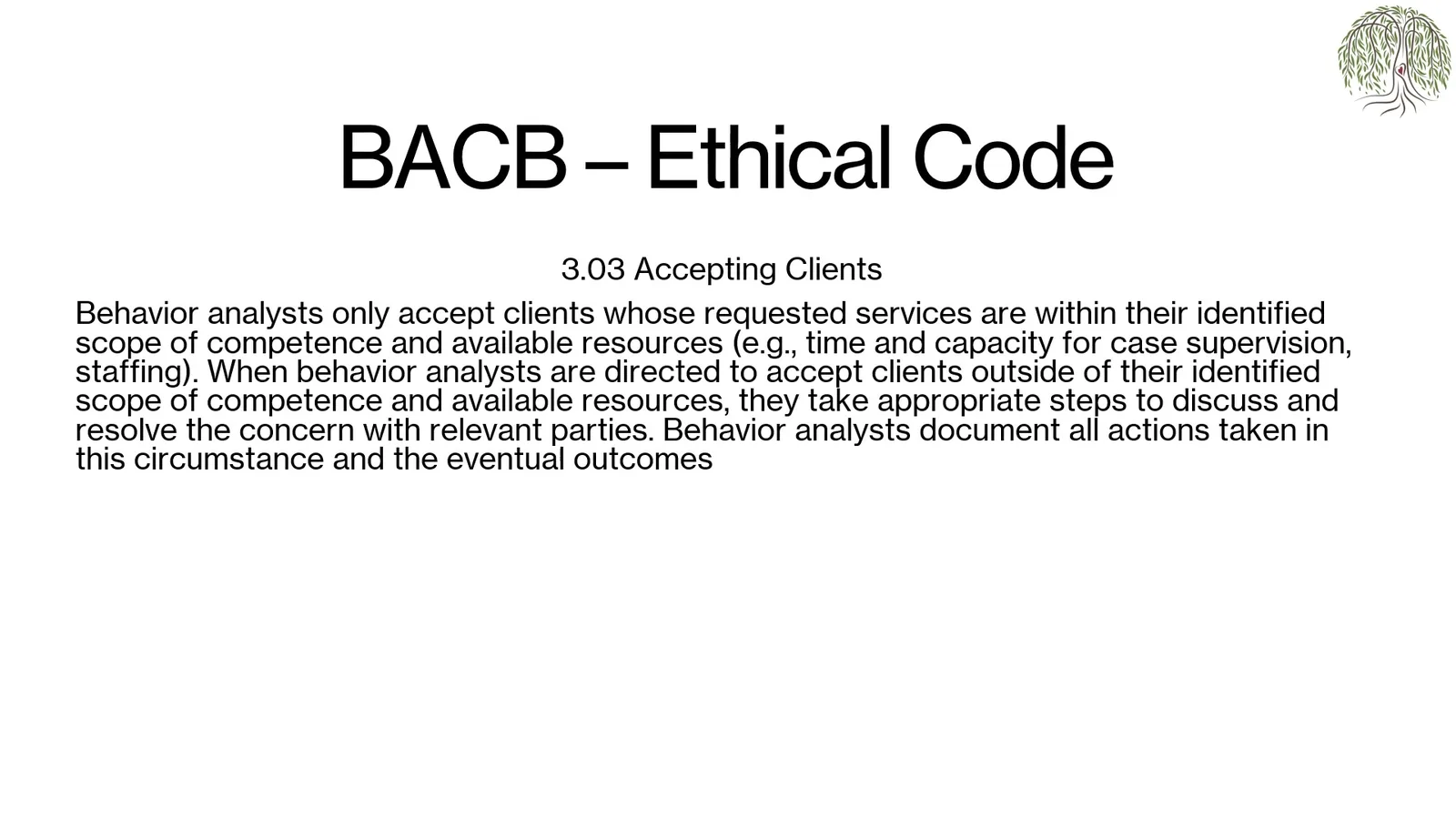
That's Outside My Scope of Competence
Willow Mentorship & Consulting, LLC
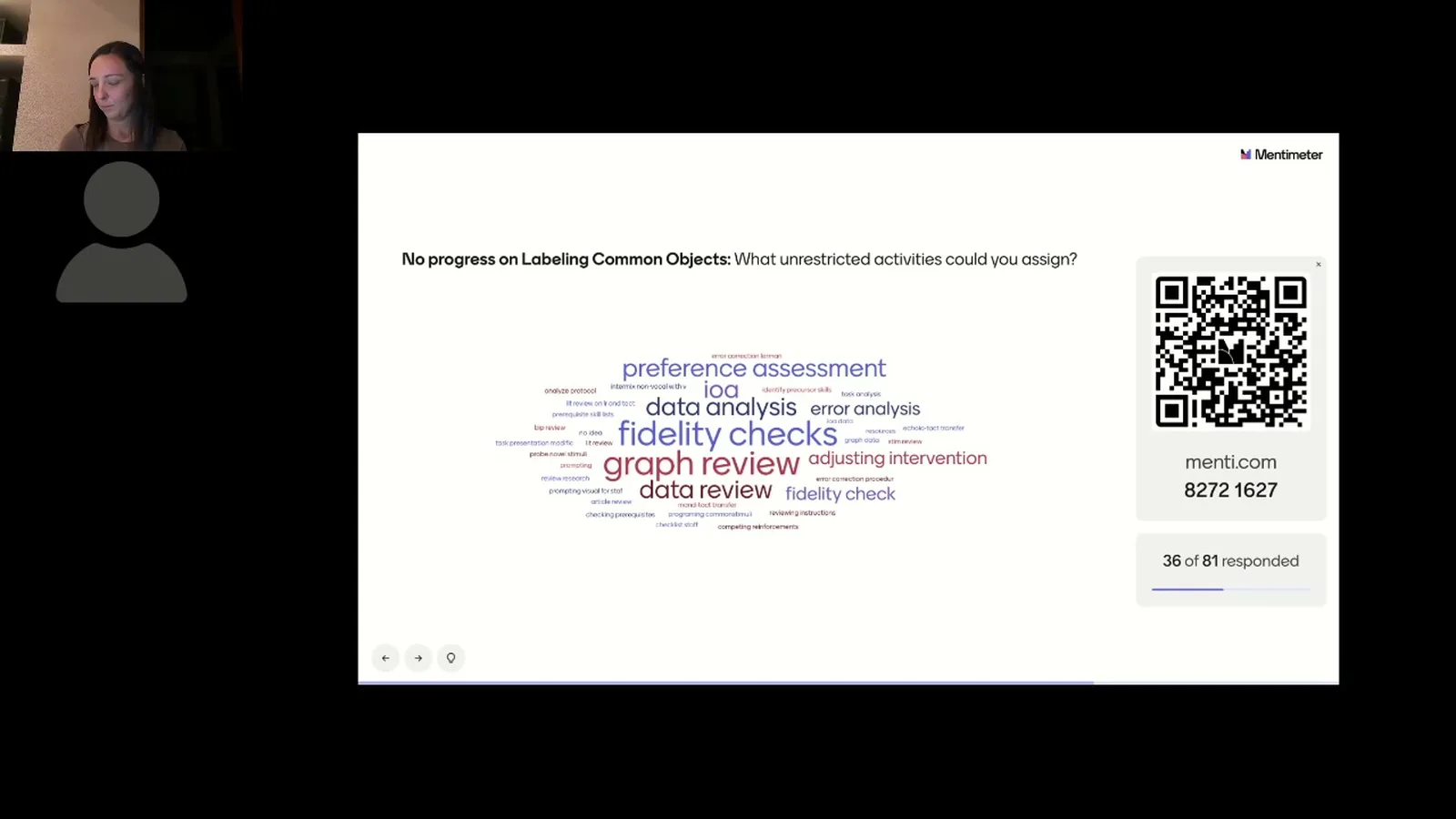
From Hours to Competence: Assessing and Developing Supervisee Skills
The Behaviorist Bookclub

Developing Team Culture Through Psychological Safety
Copper Consulting Group
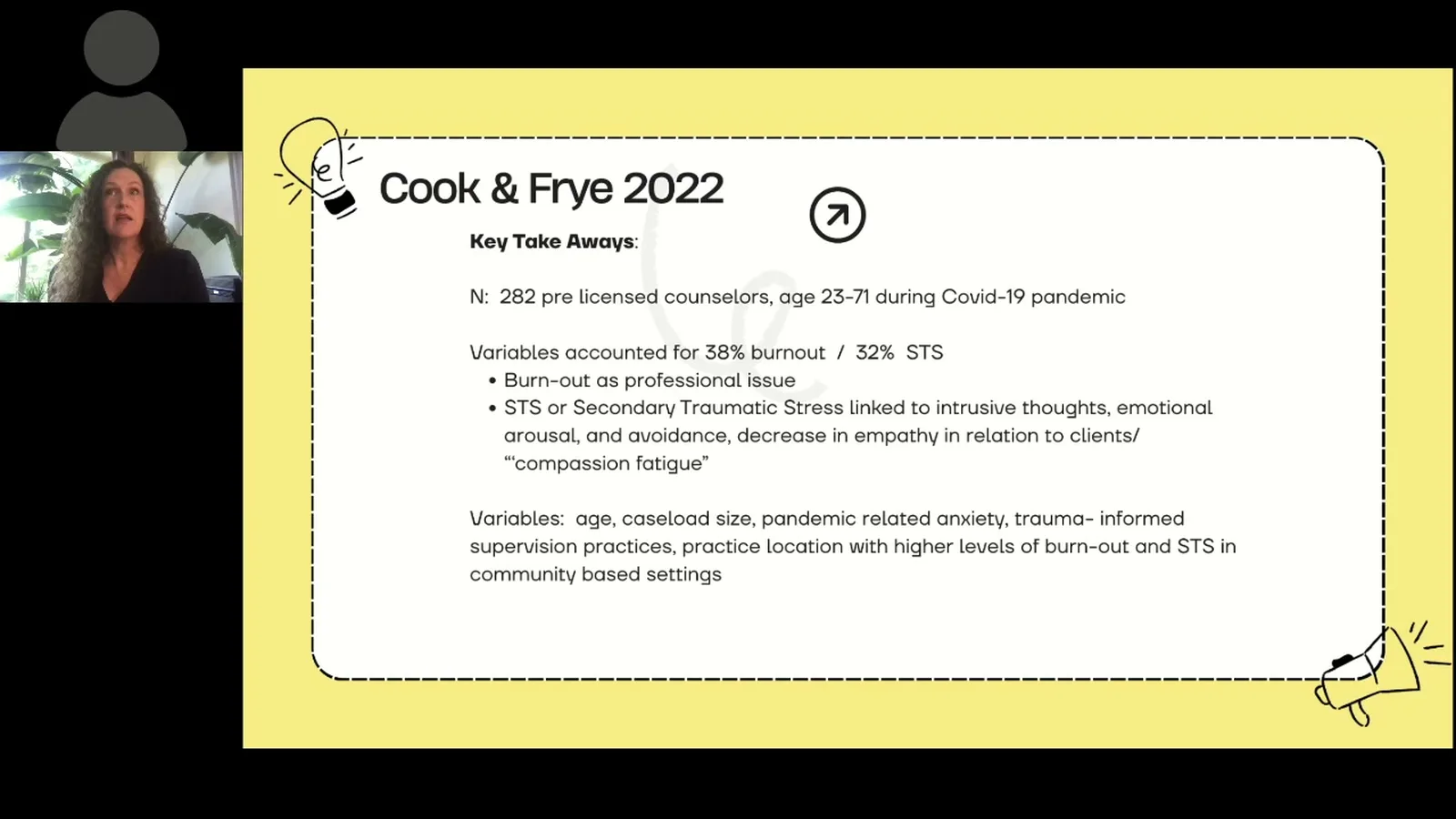
Reflective Supervision and Provider Outcomes in ABA
The Behaviorist Bookclub

Delegating with Confidence: Training and Supervising RBTs to Support Assessments
Copper Consulting Group

Teaching RBTs to Think Clinically: Training In-the-Moment Decision Making
Copper Consulting Group
Building a Supervision System That Actually Works
The Behaviorist Bookclub
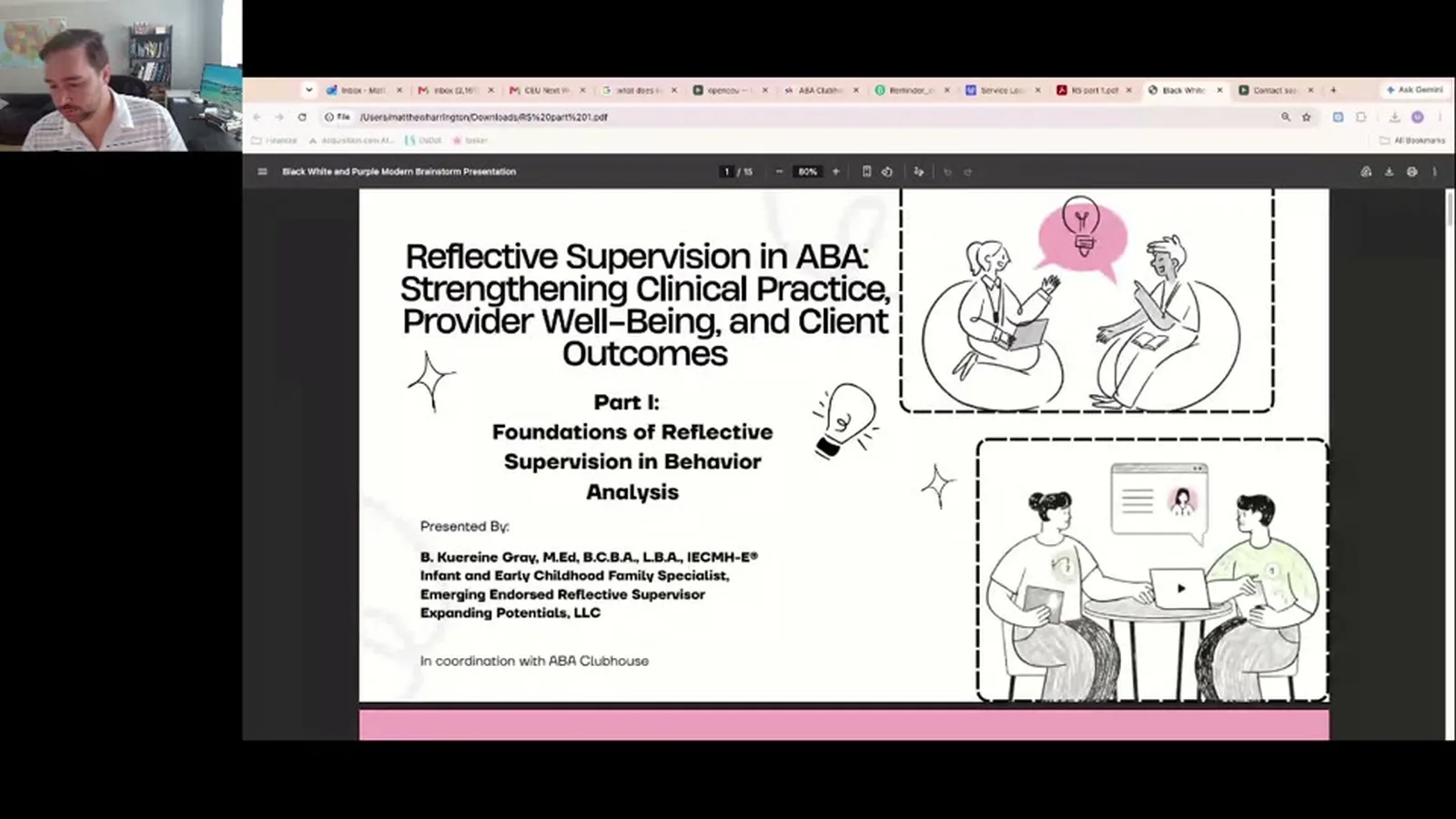
Foundations of Reflective Supervision in Behavior Analysis
The Behaviorist Bookclub

Treatment Integrity Is Not a Checkbox: Building Meaningful Fidelity Systems
Copper Consulting Group

Cultural Considerations Across Teams, Systems & Practice
The Behaviorist Bookclub
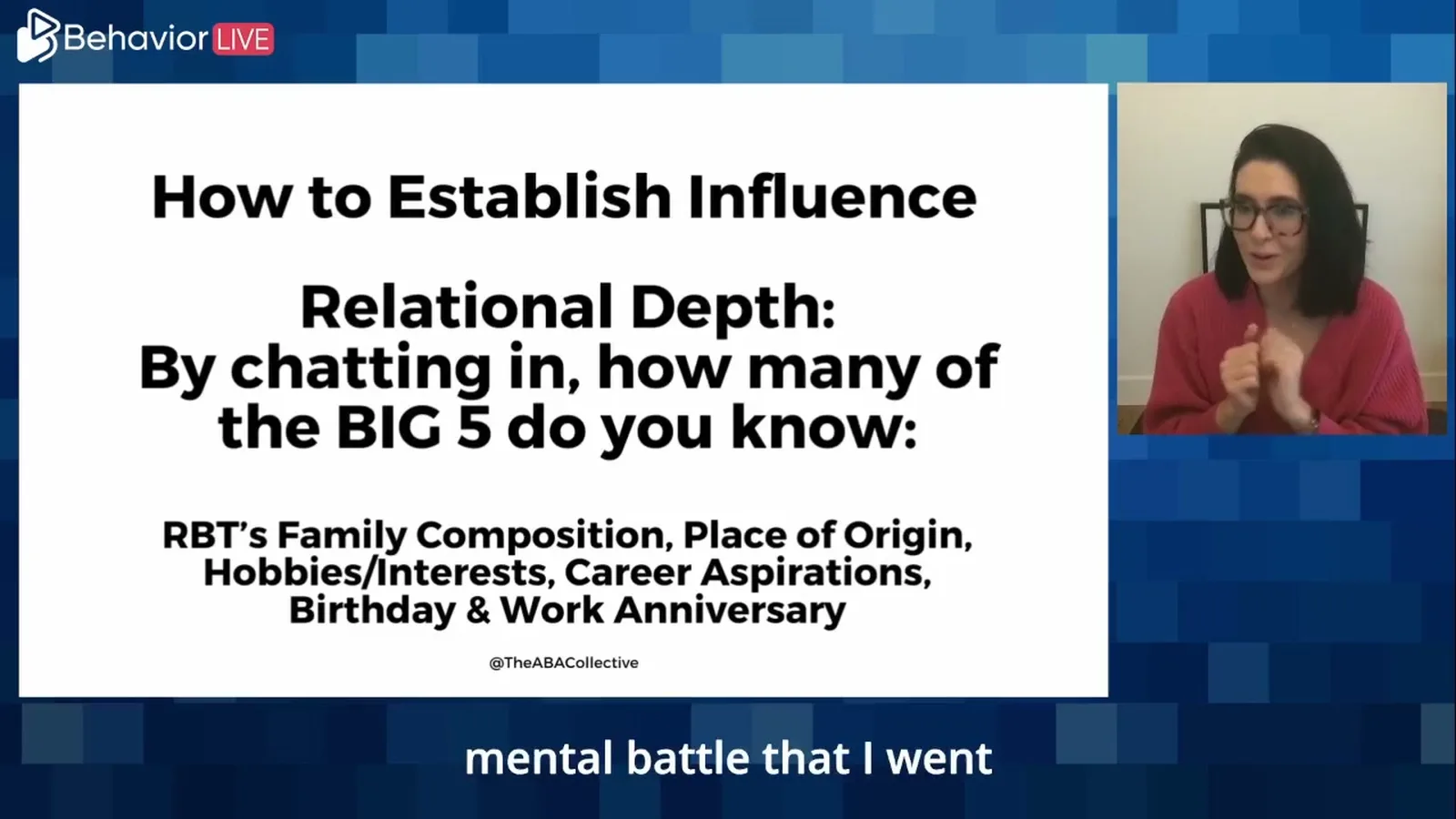
Dunder Mifflin’s Guide to BCBA Supervision: Lessons from The Office
The Behaviorist Bookclub
Supervision Articles Deep Dive
The Behaviorist Bookclub
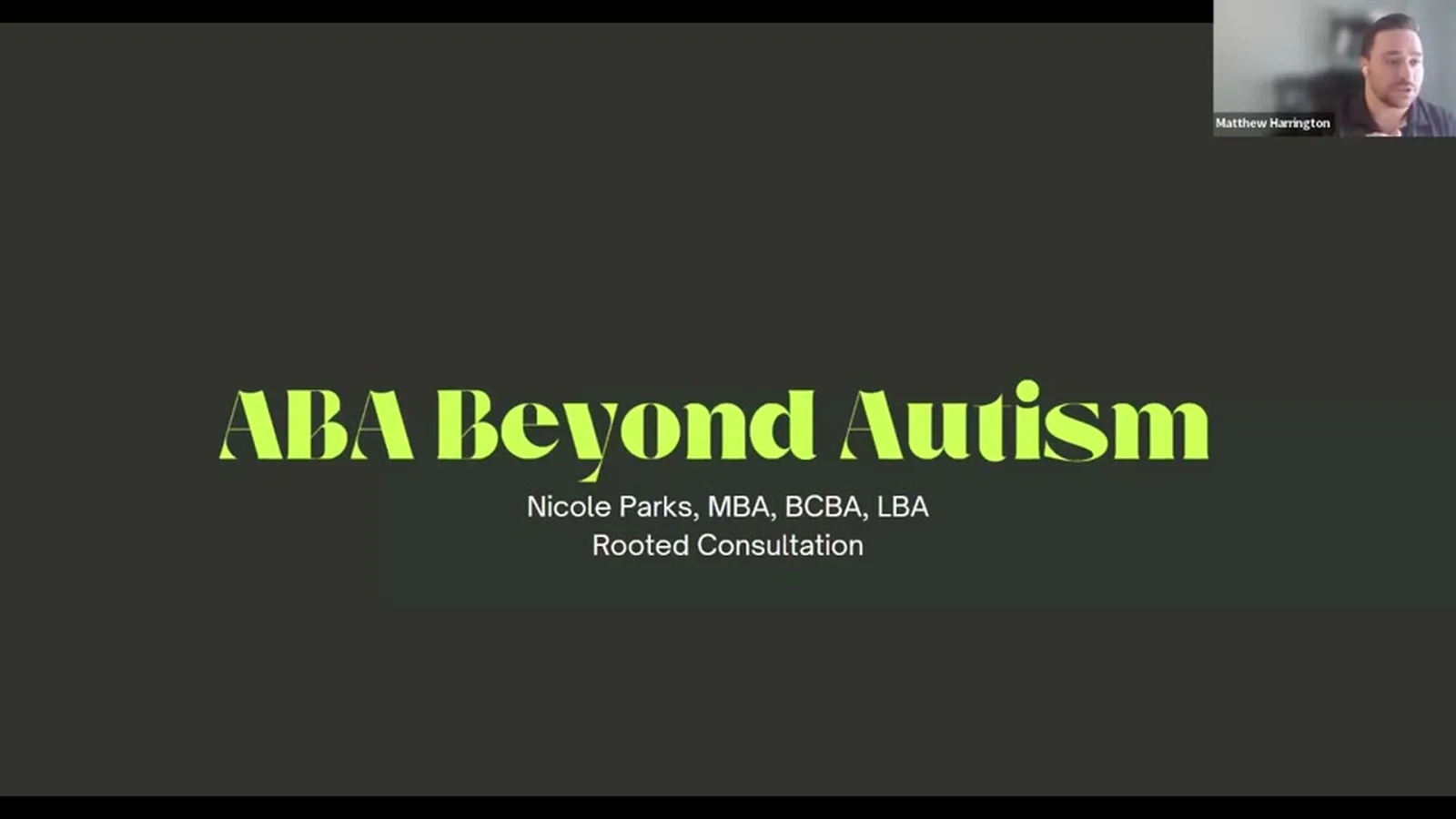
ABA Beyond Autism
The Behaviorist Bookclub
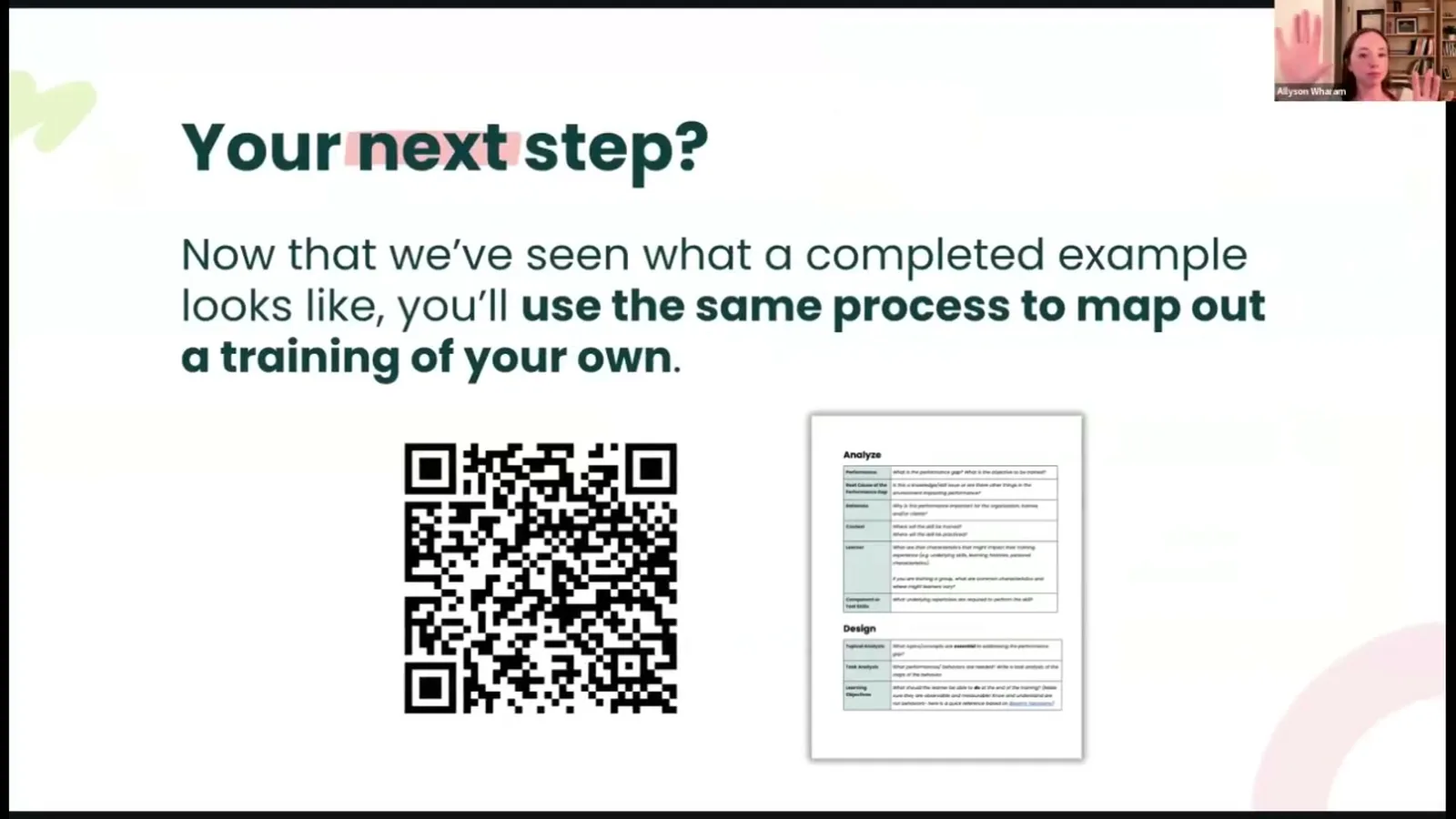
Design Smarter: Using Instructional Design to Improve Staff and Stakeholder Training
The Behaviorist Bookclub
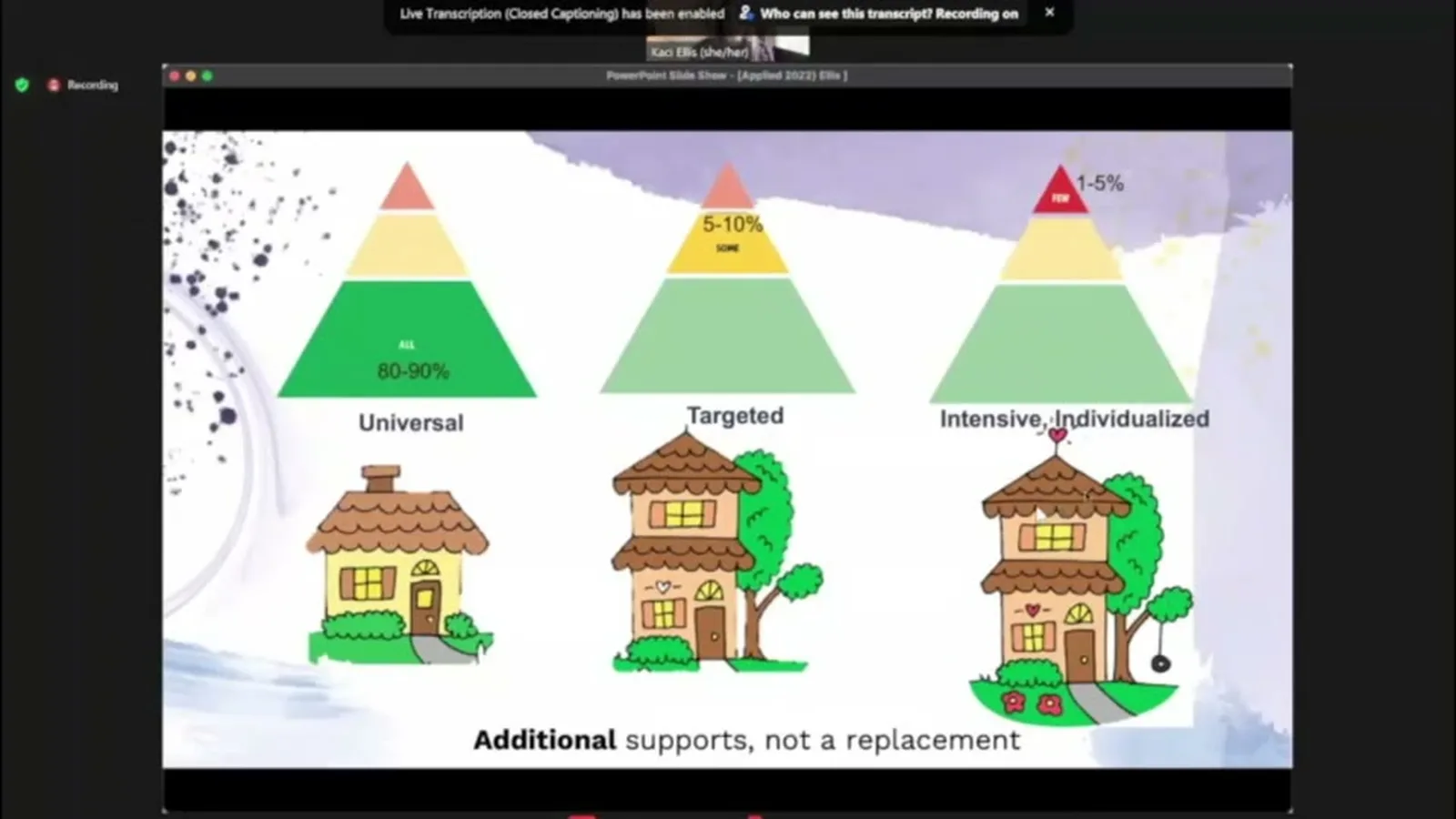
Practical Takeaways for School-Based Behavior Analysts
The Behaviorist Bookclub
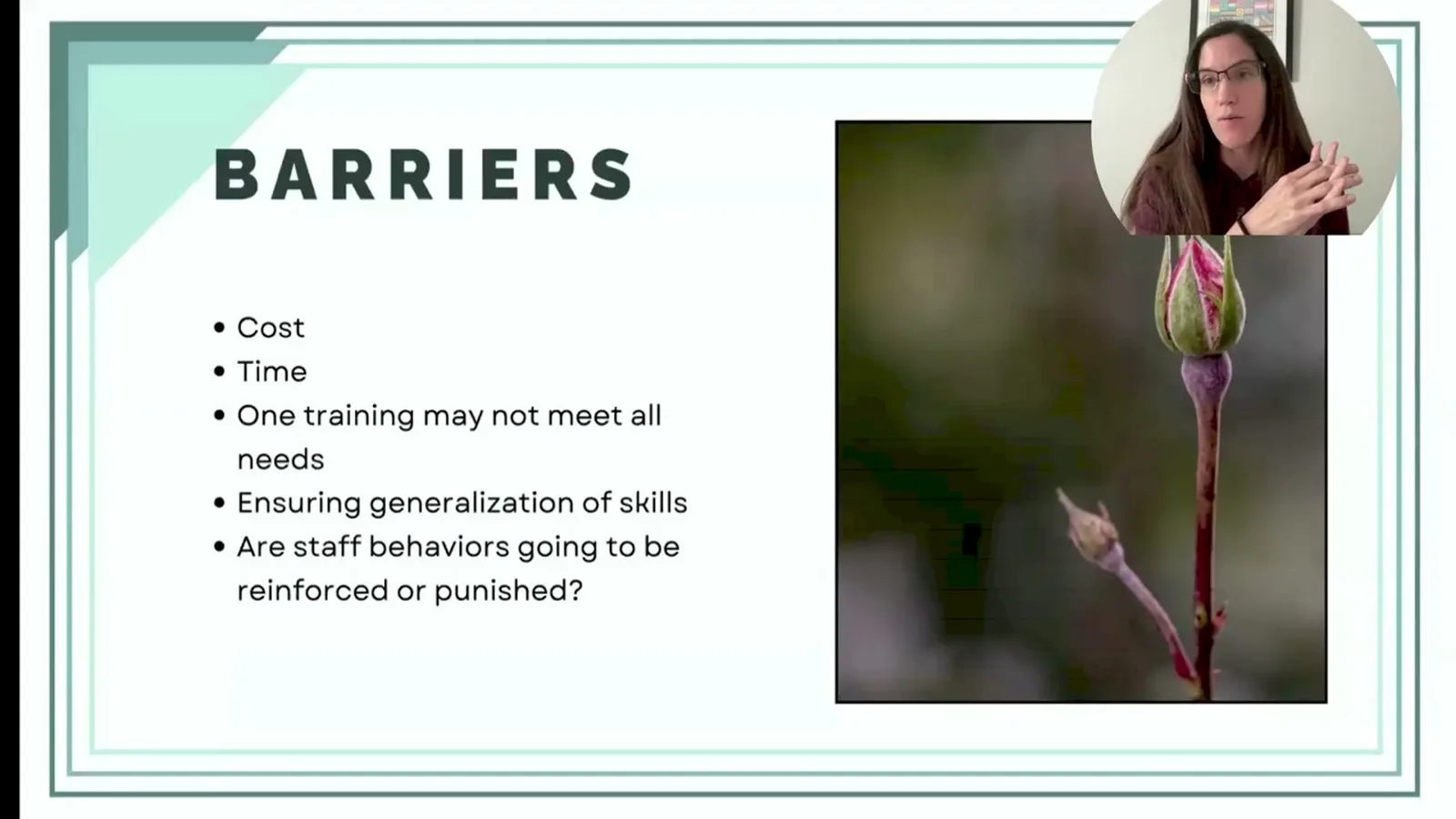
Grief Support at the Front Lines: Training Day Hab and Group Home Staff to Support Adults with IDD Through Bereavement
The Behaviorist Bookclub
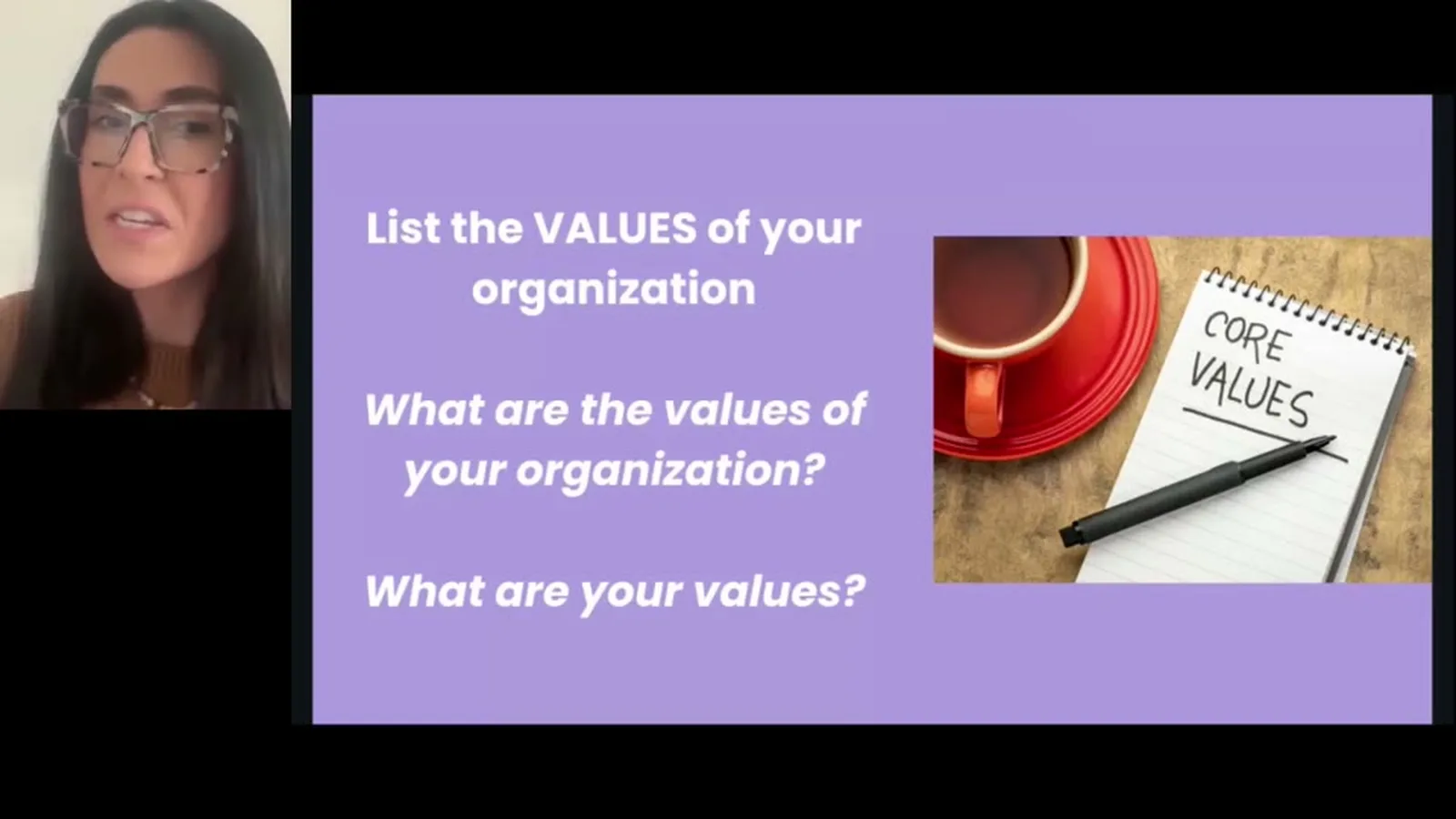
Dunder Mifflin’s Guide to Training and Onboarding: Lessons from The Office
The Behaviorist Bookclub

Cultural Considerations in ABA Clinical Practice
The Behaviorist Bookclub
Scaling Influence- Coaches
The Behaviorist Bookclub
Research to practice - extending past the pages
The Behaviorist Bookclub
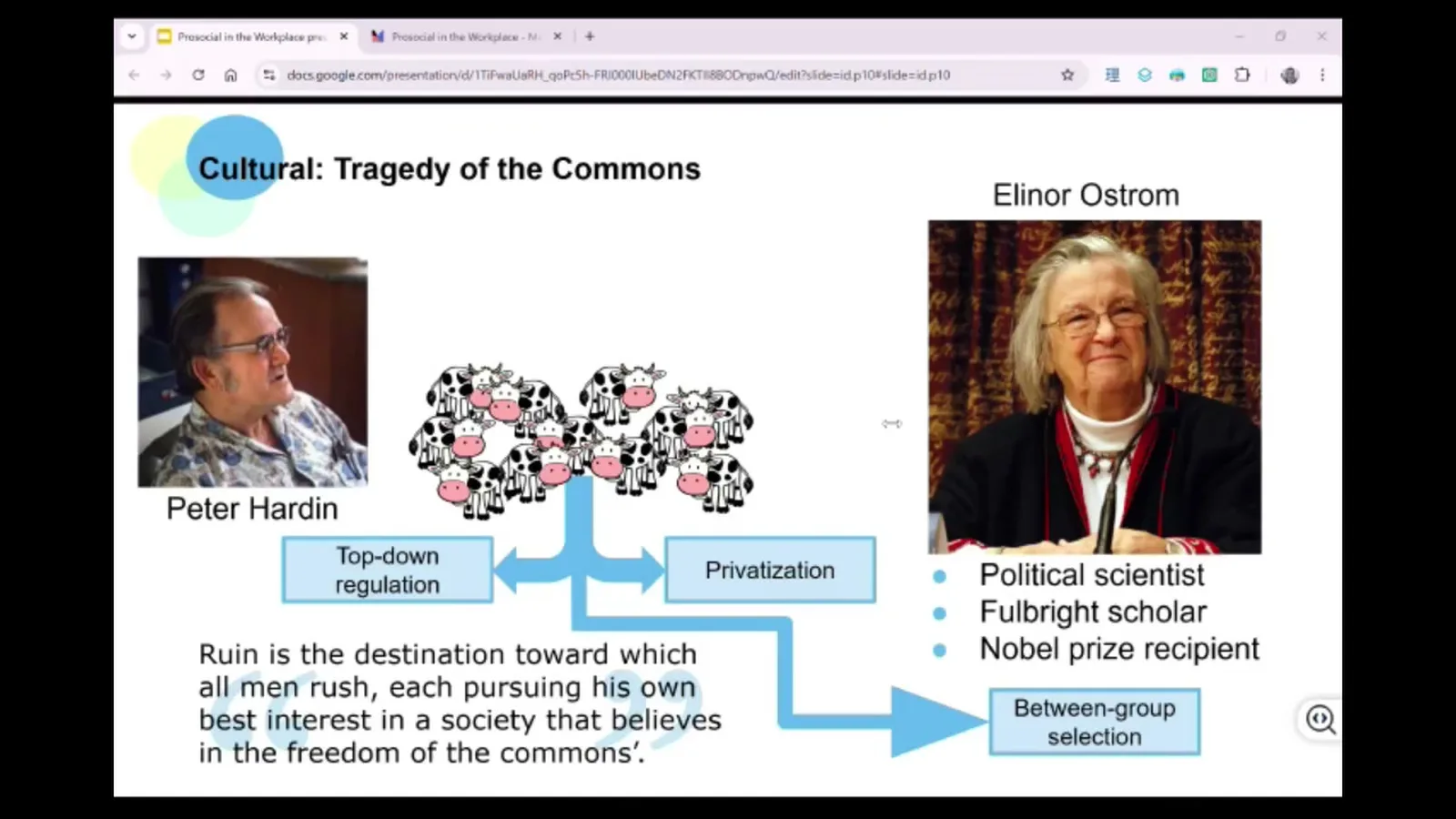
Prosocial in the Workplace
The Behaviorist Bookclub
Dunder Mifflin’s Guide to BCBA Ethics: Lessons from The Office
The Behaviorist Bookclub
Interdisciplinary Grief Support for People with Disabilities: Enhancing Outcomes Through BCBA-LPC Collaboration
The Behaviorist Bookclub
Confessions of a New Behavior Analyst in Functional Analysis
The Behaviorist Bookclub
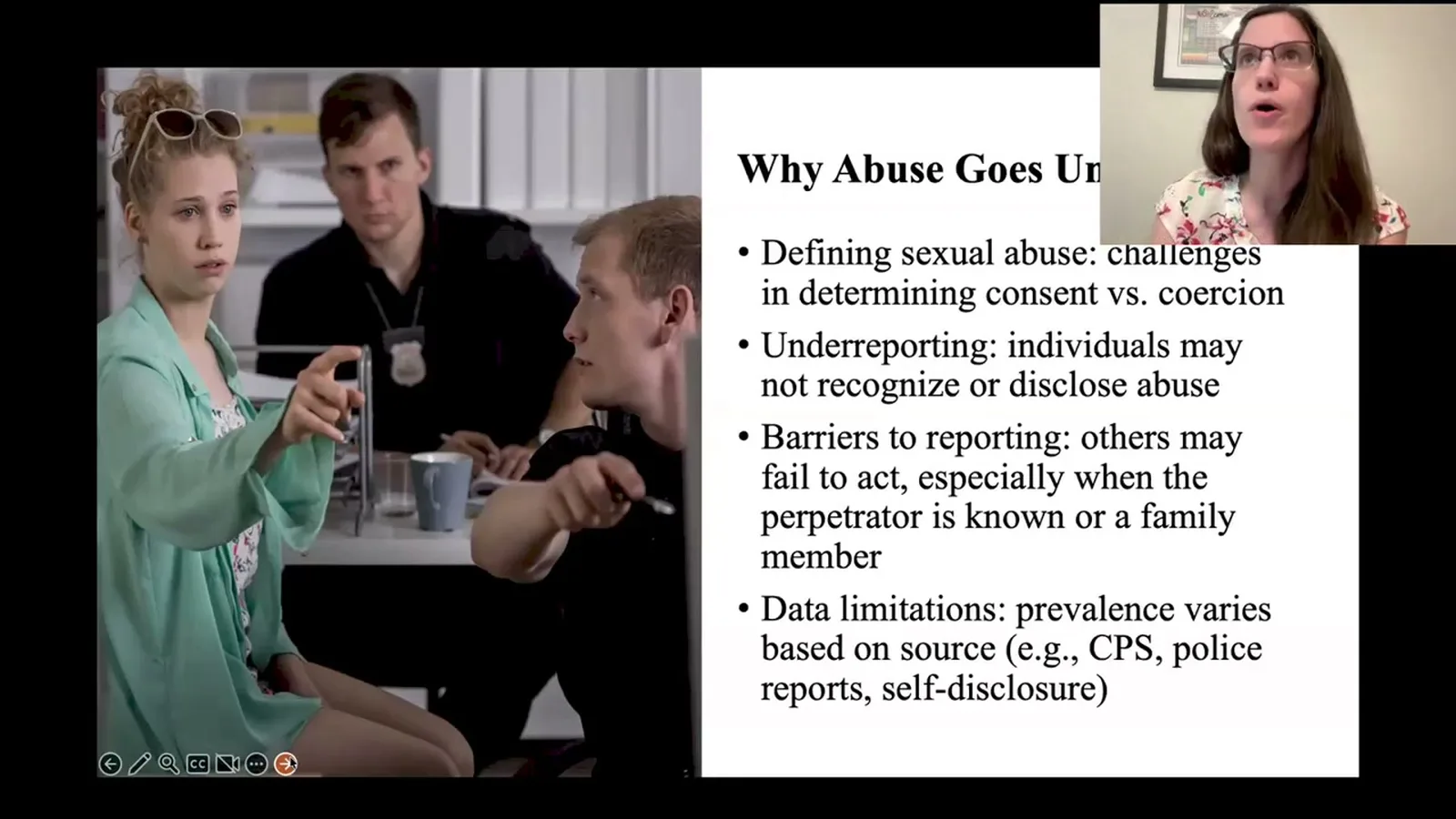
An Examination of Abuse Prevention
The Behaviorist Bookclub

So You Think You Can Lead, Ten Self Reflection Questions for Leaders in ABA
Hickory Learning Group

Article Club: Treatment Integrity Errors During Discrete Trial Instruction
Achieve Behavior Partners

Rad N Bad: The Digital Tightrope — Social Media, Public Statements, and Supervisee Digital Ethics
Hickory Learning Group

Rad N Bad: 2,000 Hours, Zero Clinical Judgment? Competency-Based Supervision and Intentional Mentorship
Hickory Learning Group

Rad N Bad: Telehealth in ABA — Efficiency vs. Effectiveness, Risk-Benefit Analysis, and Ethical Supervision at a Distance
Hickory Learning Group
Key concepts
All 30 Supervision & Training guides →Plain-English guides written from the transcripts of the talks above.
- behavioral skills trainingBehavioral Skills Training (BST): How It Works in ABA
Behavioral skills training uses instruction, modeling, rehearsal, and feedback. See how BCBAs use BST with RBTs, caregivers, teachers, and supervisees.
- procedural fidelityProcedural Fidelity in ABA: Measuring What Really Happens
Procedural fidelity is how closely an ABA plan is run as written. Learn how BCBAs measure it, why it slips, and how to build fidelity systems that last.
- scope of practiceScope of Practice in ABA: Where the Lines Are
Scope of practice is what behavior analysts as a profession may do. Learn how it differs from competence, where the lines sit, and when to refer out.
- staff burnoutStaff Burnout in ABA: What Causes It and What Helps
Staff burnout in ABA comes from heavy caseloads, weak support, and crisis work. See what BCBAs and researchers say causes it and what helps.
- reduced psychological safetyReduced Psychological Safety in ABA Teams: Expert Views
Reduced psychological safety means staff fear speaking up or admitting mistakes. See how ABA leaders spot it, why it matters, and how to rebuild trust.
- treatment integrityTreatment Integrity in ABA: What It Is and Why It Matters
Treatment integrity is how closely an ABA plan is carried out as written. Learn why it matters, how to measure it, and who owns which decisions.
- competency-based supervisionCompetency-Based Supervision in ABA: Skills Over Hours
Competency-based supervision in ABA tracks what trainees can actually do, not just hours logged. See four real models BCBAs use to measure skill.
- feedbackFeedback in ABA Supervision, Explained
What feedback means in ABA supervision, why timing matters, and how to give it so staff behavior actually changes. Insights from top BCBA speakers.
- interobserver agreementInterobserver Agreement (IOA): Why Two Observers Matter
Interobserver agreement (IOA) checks if two observers record behavior the same way. See why BCBAs use it in practice, research, and supervision.
- cultural responsivenessCultural Responsiveness in ABA: What BCBAs Actually Do
Cultural responsiveness means checking your own biases and adapting care to each person's culture. See how BCBAs apply ethics code 1.07 in real practice.
- clinical supervision in ABAClinical Supervision in ABA: What Makes It Work
Clinical supervision in ABA shapes client outcomes, staff skill, and retention. Learn what effective supervision looks like and when 5% is not enough.
- cultural humilityCultural Humility in ABA Practice
Cultural humility in ABA is a lifelong habit of self-reflection. Learn how experts use it to serve diverse families and reduce bias.
Speakers in Supervision & Training
Providers hosting Supervision & Training
Common questions
- Do free supervision & training CEUs count for BCBAs?
- Yes. BCBAs who supervise trainees or RBTs need 3 supervision CEUs every 2-year cycle. Free supervision CEUs from an ACE provider count the same as paid ones. Every course here is presented through a verified BACB ACE provider, and your certificate lists the ACE provider number the BACB needs.
- What does the supervision & training topic cover?
- Supervision CEUs: supervising RBTs, trainees, and building competence. Every talk in this hub is a recorded session from a verified ACE provider, and the guides below are written from those talks' transcripts.
- How do I get the certificate?
- Watch the recording and answer the attendance checks as they appear, then pass the short quiz. Your certificate is emailed instantly, with an audit PDF that documents your attendance if the BACB ever asks.
- How many supervision & training CEUs can I earn here?
- Right now there are 55 courses in this topic worth 61 total credit hours, and new events are added as ACE providers host them on openceu.