Cultural Considerations in ABA Clinical Practice
Presented by Mackenzie Sandler

This session explores the intersection of culture and applied behavior analysis, equipping behavior analysts with practical strategies for delivering culturally responsive services. Grounded in the BACB ethics code's core principle of treating others with compassion, dignity, and respect, the presentation examines how culture — defined as the shared values, beliefs, and practices of a group — shapes behavior at both macro and micro levels. Participants explore their own cultural identities and biases through the lens of cultural humility, then apply that self-awareness to clinical work with individuals and families across diverse backgrounds. Topics include microcultures, regional and socioeconomic considerations, language and communication barriers, treatment plan comprehension, goal individualization, and the cultural relevance of reinforcers, visuals, and targeted behaviors. Real-world case examples illustrate how overlooking cultural factors can impede progress, and how simple adjustments — asking the right questions, observing before intervening, and individualizing goals — can dramatically improve outcomes.
Register free & watch nowCancel any time. Cert delivered to your inbox the moment you pass the quiz.
Learner ratings
from 58 learners
95% would recommend this CEU to other professionals in their field (20 responses)
“ABSOLUTELY would recommend this CEU. Best on Cultural Competence I've seen honestly. Great job Mackenzie! And thank you behaviorist bookclub!!”
— Amber G.“Very interesting.”
— Ga L.“amazing to know as i work in UAE and we also to interact more different culture in the same country.”
— Dur G.“Good”
— Trupthi K.“great”
— Rameesha J.
About this CEU
This session explores the intersection of culture and applied behavior analysis, equipping behavior analysts with practical strategies for delivering culturally responsive services. Grounded in the BACB ethics code's core principle of treating others with compassion, dignity, and respect, the presentation examines how culture — defined as the shared values, beliefs, and practices of a group — shapes behavior at both macro and micro levels. Participants explore their own cultural identities and biases through the lens of cultural humility, then apply that self-awareness to clinical work with individuals and families across diverse backgrounds. Topics include microcultures, regional and socioeconomic considerations, language and communication barriers, treatment plan comprehension, goal individualization, and the cultural relevance of reinforcers, visuals, and targeted behaviors. Real-world case examples illustrate how overlooking cultural factors can impede progress, and how simple adjustments — asking the right questions, observing before intervening, and individualizing goals — can dramatically improve outcomes.
What you'll learn
- 1Learning Objectives
- 2Define culture and microculture and explain how each influences the behavior of individuals, families, and clinical teams within ABA service delivery.
- 3Identify at least three cultural considerations that should be addressed when developing or reviewing a behavior analytic treatment plan.
- 4Apply strategies for building culturally responsive rapport with families, including the use of interpreters, individualized reinforcer selection, and culturally relevant goal writing.
Concepts in this CEU
Related talks
Talks that cover the same concepts

Cultural Considerations Across Teams, Systems & Practice
The Behaviorist Bookclub
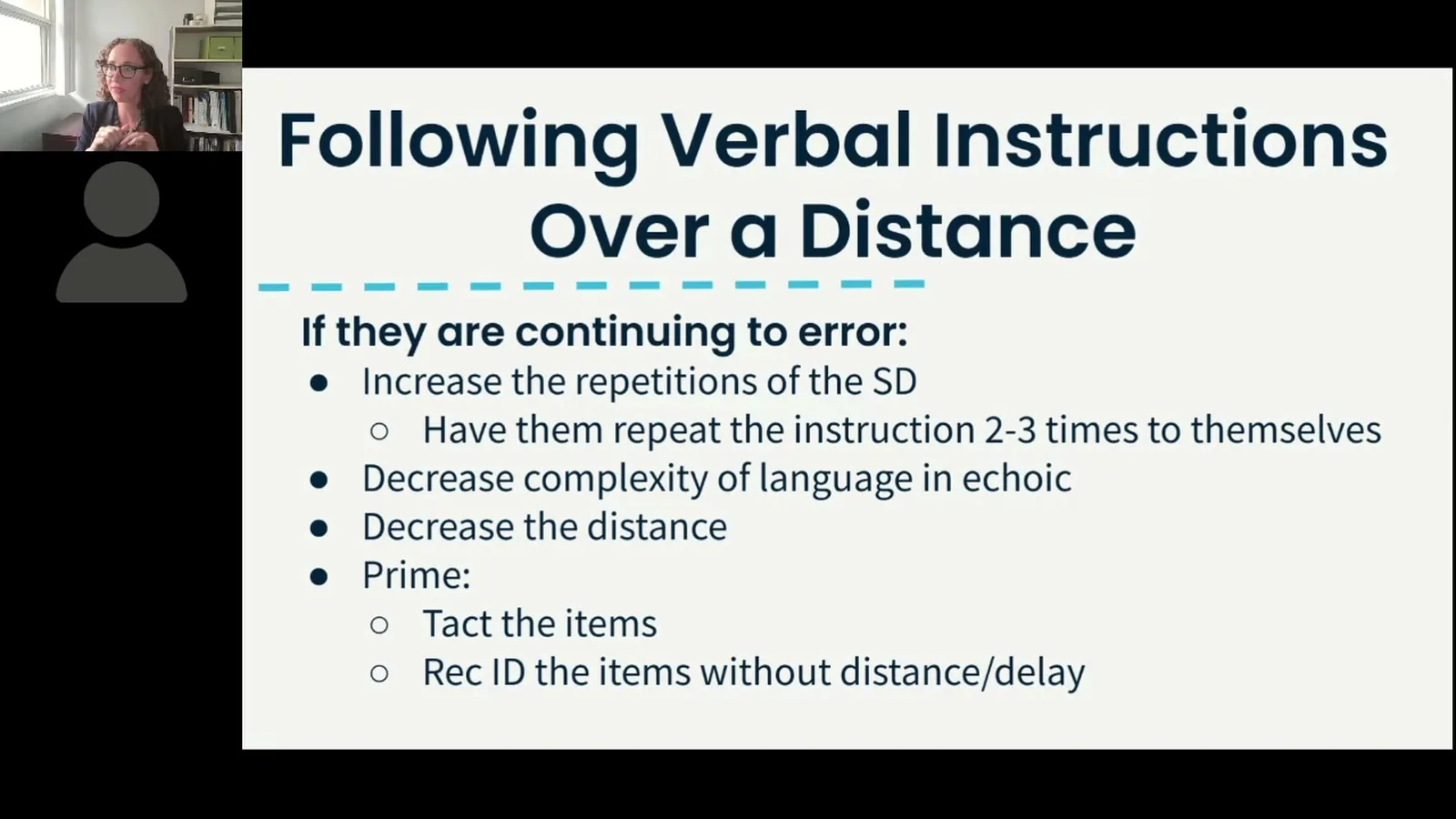
Getting the Right Answer Isn’t Enough: Establishing Speaker–Listener Repertoires for Complex Learning
The Behaviorist Bookclub

genArete: To Teach or not to Teach!
The Behaviorist Bookclub

genArete: Milestone based comparison criteria in Skill Assessment
The Behaviorist Bookclub

New Year, New Care Collab Goals
The Behaviorist Bookclub
Dunder Mifflin’s Guide to BCBA Ethics: Lessons from The Office
The Behaviorist Bookclub
More from The Behaviorist Bookclub

Empowering Autonomy and Self-Management in ADHD Learners
The Behaviorist Bookclub
Shaping Behavior Change when ADHD is in the Picture
The Behaviorist Bookclub
From Hours to Competence: Assessing and Developing Supervisee Skills
The Behaviorist Bookclub
OpenCEU is supported by advertising from third-party sponsors. Sponsors are clearly labeled, have no influence over course content, instructors, or CEU decisions, and never appear on certificates. The BACB does not sponsor, approve, or endorse OpenCEU sponsors or their products.