Feedback in ABA Supervision, Explained
What feedback means in ABA supervision, why timing matters, and how to give it so staff behavior actually changes. Insights from top BCBA speakers.
Key takeaway
Feedback is information about how someone did that helps them do better next time. ABA is short for applied behavior analysis, a therapy field built on behavior science.
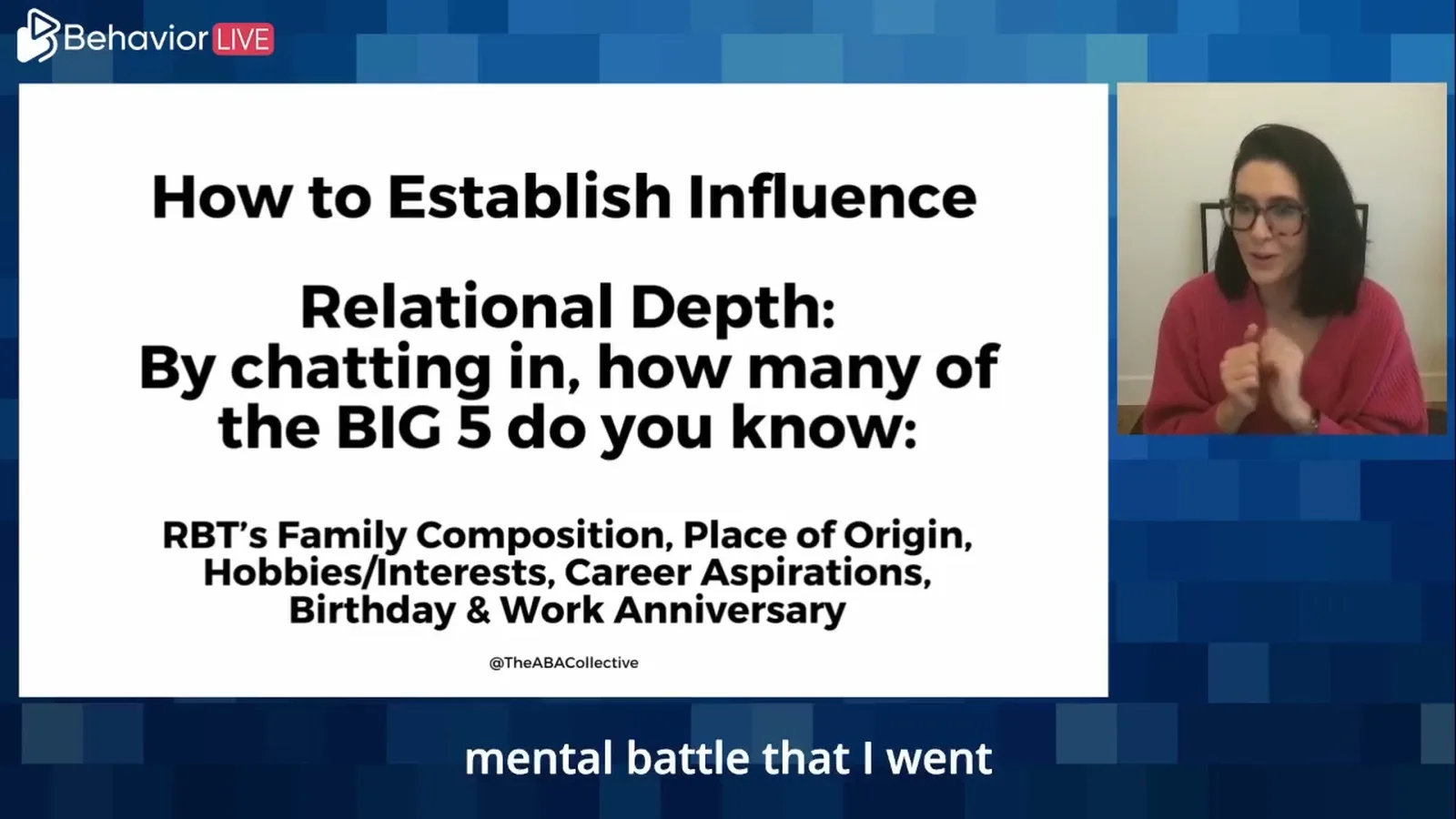
Dunder Mifflin’s Guide to BCBA Supervision: Lessons from The Office
Free learning path on this topic
Supervision, Done Right
Four supervision CEUs that build on each other. What reflective supervision is, how to build a supervision system, how to assess supervisee competence instead of counting hours, and how supervision affects provider outcomes. The BACB asks supervisors for three supervision CEUs per cycle. This covers it.
Experts who cover this
5 recordings on openceu cover feedback.
- Featured talk1 Supervision CEU
Dunder Mifflin’s Guide to BCBA Supervision: Lessons from The Office
Mellanie PageThe Behaviorist Bookclub
Argues that continuous, in-the-moment feedback beats saving critique for formal annual reviews, since delayed feedback risks recency bias, denies staff the…
- 1 Supervision CEU
Toward an Evidence-based Supervision Model: Training Students in Independent Fieldwork
Dr. Allison Bowhers-PeutinWillow Mentorship & Consulting, LLC
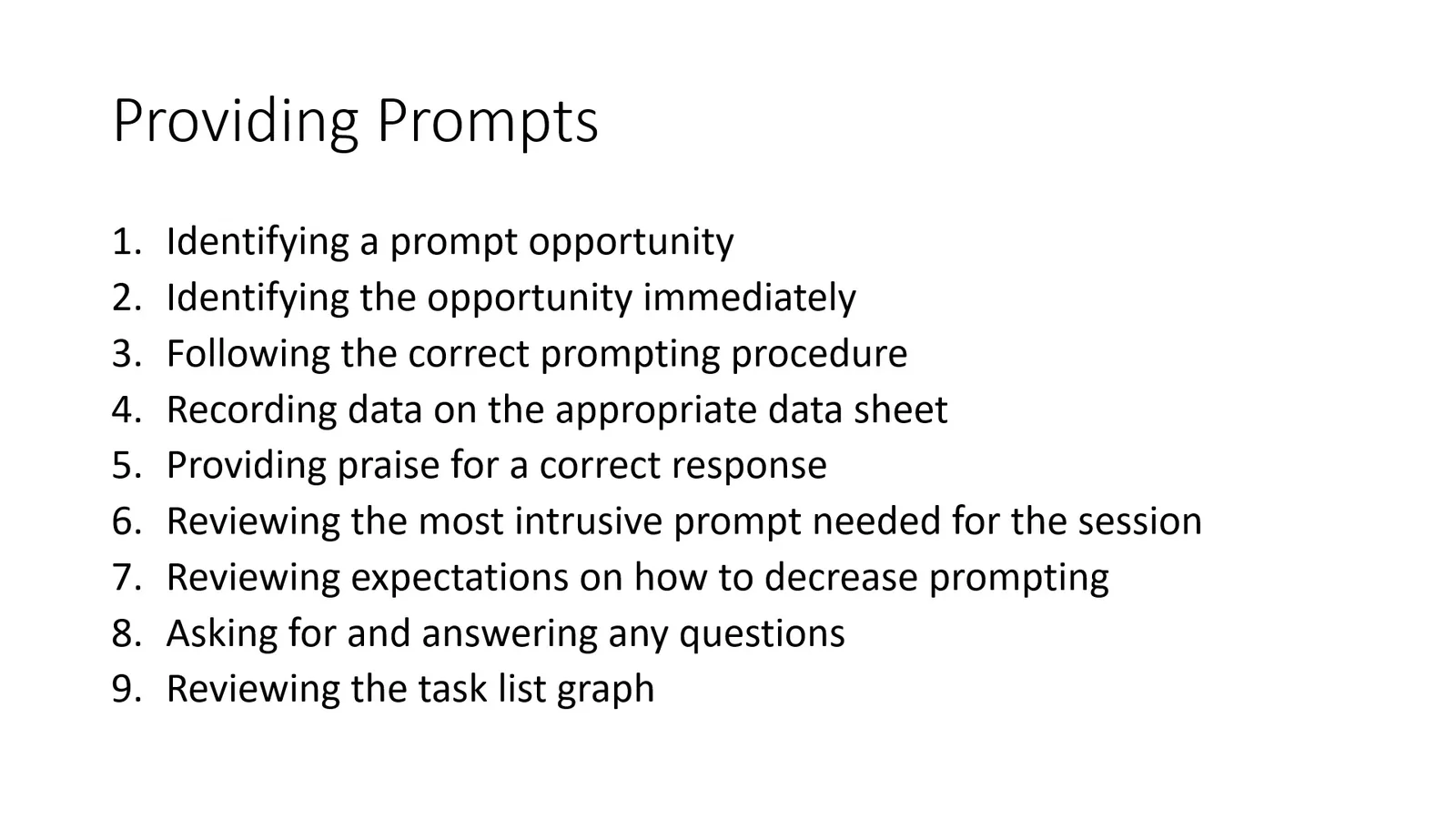
Feedback delivery is framed as an OBM-derived supervisory skill (citing a workplace safety study where feedback cut hazards ~60%) and emerges as the hardest…
- 1 Supervision CEU
Developing Team Culture Through Psychological Safety
Dr. Jessica OsosCopper Consulting Group
Osos deliberately avoids the language of 'positive/negative' or 'good/bad' feedback, instead framing feedback as either praise or supportive feedback focused…
- 1 Supervision CEU
Teaching RBTs to Think Clinically: Training In-the-Moment Decision Making
Dr. Jessica Osos & Tauren KeelsCopper Consulting Group
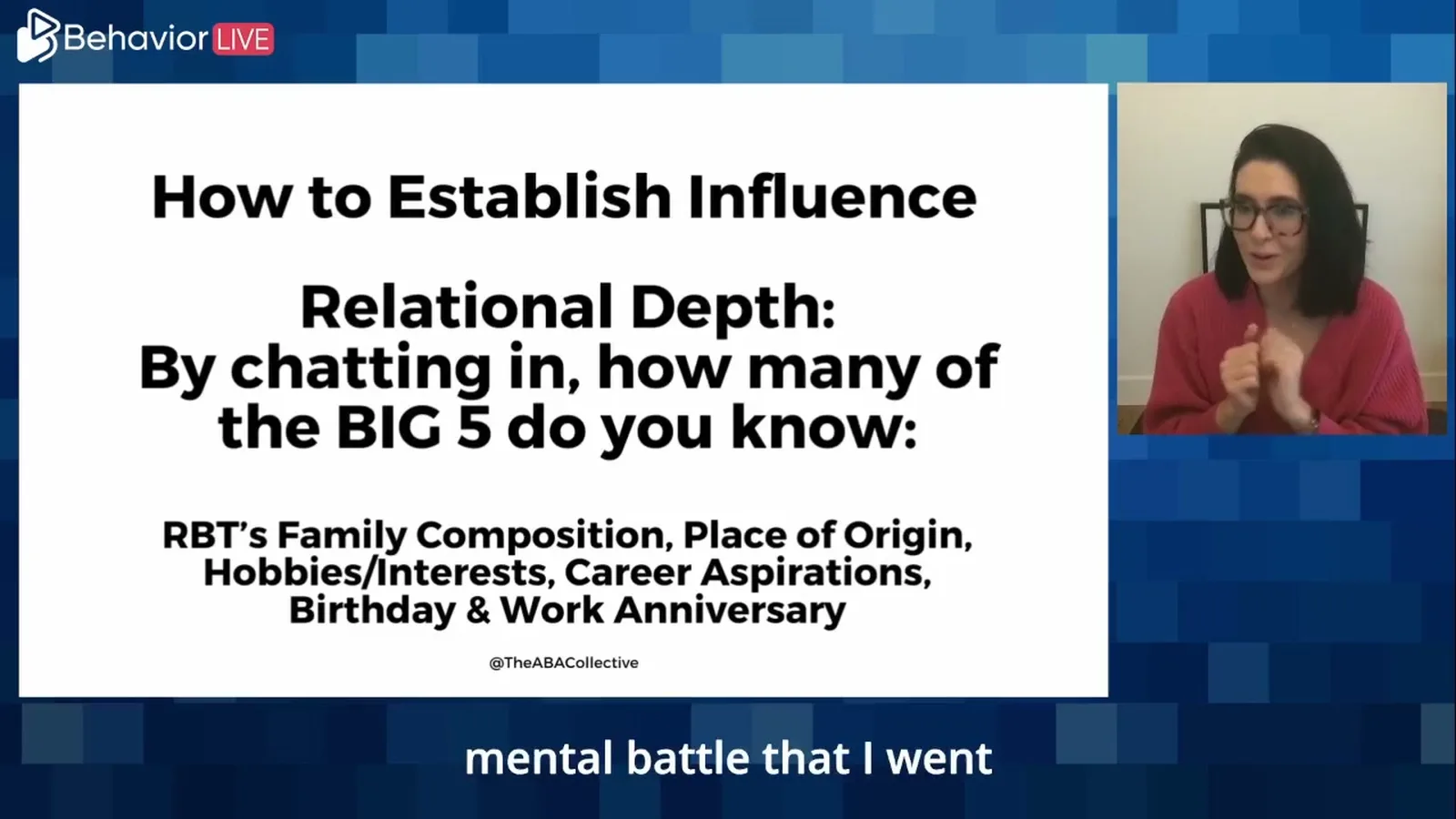
Presenters argue feedback only produces behavior change if the recipient has been taught how to receive it; this includes not treating clarifying questions as…
- 1 Supervision CEU
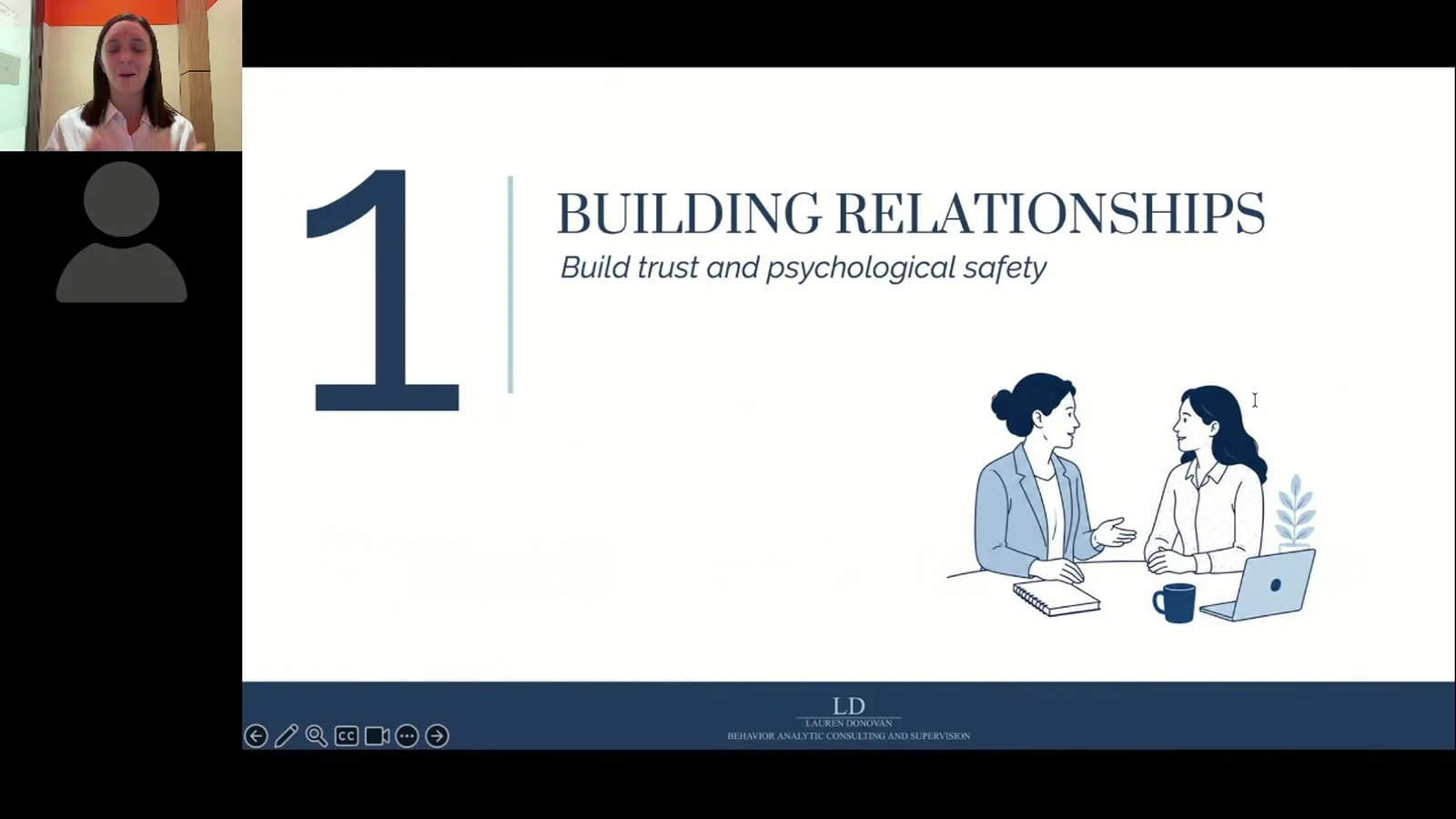
Building a Supervision System That Actually Works
Lauren DonovanThe Behaviorist Bookclub
Lauren distinguishes urgent versus non-urgent corrective feedback, recommending supervisors judge timing carefully and sometimes have a second person present…


On this page · 9 sections▾
Feedback is information about how someone did that helps them do better next time. ABA is short for applied behavior analysis, a therapy field built on behavior science. In ABA supervision, feedback is one of the main tools a supervisor uses to grow staff skills.
Good feedback is a habit you practice all year, in small doses. When you give it often, staff can fix small things before they become big problems. This page pulls together what several BCBA speakers, board certified behavior analysts who oversee care, teach about giving feedback well.
What feedback really means#
Feedback is more than pointing out mistakes. It is any information that helps a person change what they do. That includes praise, not just correction.
Dr. Tyra Sellers frames feedback around one simple test. Did the information help the person change their behavior? If yes, it did its job. If not, it was just talk.
This is a really lovely definition. It's information about performance that allows a person to change their behavior.
From the talk — Dr. Tyra Sellers
This view keeps the focus on the staff member, not on the supervisor. The goal is a real change in what they do at work.
Feedback should flow both ways#
Feedback is often pictured as flowing down. The supervisor talks, the staff member listens. Sellers pushes back on that idea.
She argues that feedback should be bi-directional. That means it moves both up and down. The supervisor gives it, and the supervisee, the staff member being trained, gives it back.
Now, my take on feedback is that it ought to be bi-directional. That means when we're thinking about a supervisor and a trainee or a supervisee or a caregiver or what have you, it should flow both ways.
From the talk — Dr. Tyra Sellers
When staff can speak up too, they trust the process more. They also help the supervisor see blind spots. This builds a stronger team over time.
Give it now, not at the annual review#
One of the biggest feedback mistakes is waiting. Many teams save critique for a formal review once a year. By then it is too late to be useful.
Mellanie Page makes the case for continuous feedback instead. When you wait, three bad things happen. You forget details, so you rate the last few weeks instead of the whole year. Staff lose the chance to fix the issue early. And they feel shame when they learn everyone else already saw the problem.
if someone is surprised by feedback that you give them, then you're not giving it enough.
From the talk — Mellanie Page
The fix is simple in idea, hard in habit. Say the small thing today. Do not stack it up for later. Staff do their best work when they always know where they stand.
Not all corrective feedback is urgent#
 Advertisement
Fixing a problem does not always mean fixing it right now. Timing is its own skill.
Lauren Donovan teaches supervisors to pause and judge each situation. She tells them to ask three questions first. Is it really needed? Is it urgent? Can it wait? Some issues need a fast response, like a safety risk. Others can wait for a calmer moment.
She also notes that hard conversations sometimes need a witness.
It might be helpful to have a second person with you.
From the talk — Lauren Donovan
That protects both the staff member and the supervisor. You can hear more in Building a Supervision System That Actually Works.
Feedback only counts when behavior changes#
Here is a hard truth about feedback. If nothing changes, it was not really feedback. Sellers ties this to a core ABA idea about rewards.
A reward is only a reward if it makes a behavior happen more. Feedback works the same way. The test is whether behavior changed after you spoke.
But your feedback is not feedback if it didn't produce the change that you were looking for. In the same way, a gummy bear or $5 is not a reinforcer in and of itself. It's only a reinforcer if it functioned to strengthen that response again in the future.
From the talk — Dr. Tyra Sellers
So supervisors should watch what happens after they speak. If the skill improves, the feedback landed. If not, try a new way to say it, or add more practice.
Praise is feedback too#
People often forget that praise is feedback. When you tell staff what they did well, you make that behavior more likely to repeat.
Praise also builds the trust needed for correction. A team that hears "nice work" often will take "let's fix this" better. Feedback should build strong habits as much as it fixes weak ones.
Make feedback specific and doable#
Vague feedback is hard to use. "Do better" does not tell staff what to change. Strong feedback names the exact behavior and the exact fix.
It also gives the person a real chance to act. That is why timing and clarity go together. Feedback works best when it is small, clear, and close to the moment. Then staff can try the new way right away, while it is still fresh.
What the research says#
Research backs up the idea that clear feedback changes behavior. Studies test it across many jobs and skills.
One review looked at brief sound-based feedback, like a click or a beep, used as a signal. Across 35 studies, 94.4% of authors reported positive behavior results (Thomas et al., 2026).
Feedback helps in training too. One study compared full behavioral skills training, a teach then practice method, against a short performance feedback session. Brief feedback worked about as well and took less time (Ampuero & Robertson, 2025).
Training supervisors to give feedback matters as well. In one study, an eight hour program improved how BCBAs gave feedback, and their staff got better in turn (Tryggestad et al., 2025).
Video feedback shows promise too. Researchers used AI-enhanced video to help factory workers fix their posture, and most workers improved (Luna et al., 2026).
References
- Thomas, R. R., Reeve, S. A., Reeve, K. F., Vladescu, J. C., & Kisamore, A. N. (2026). A Systematic Review of Brief, Nonvocal Auditory Feedback Across Fields. Behavioral Interventions, 41(1). https://doi.org/10.1002/bin.70066
- Ampuero, M. E. & Robertson, R. E. (2025). Comparing the Effectiveness and Efficiency of Behavioral Skills Training and a Brief Performance Feedback Intervention During the Training of Paraeducators Supporting Students with Autism Spectrum Disorder. Journal of Behavioral Education. https://doi.org/10.1007/s10864-025-09588-6
- Tryggestad, H., Eldevik, S., Kazemi, E., Kingsdorf, S., & Eikeseth, S. (2025). Enhancing Supervisor's Feedback Skills During Paired Stimulus Preference Assessment. Behavioral Interventions, 40(4). https://doi.org/10.1002/bin.70043
- Luna, W. A. E., Hess, P. C., & Gravina, N. (2026). Evaluation of artificial‐intelligence‐enhanced video feedback to improve manufacturing workers' ergonomic postural behavior: A preliminary investigation. Journal of Applied Behavior Analysis, 59(1). https://doi.org/10.1002/jaba.70049
Frequently asked questions#
How often should I give feedback to my staff?
Give it often, ideally the same day you notice something. Do not save it for a yearly review. Staff should never be surprised by feedback. If they are, you waited too long.
Is praise a type of feedback?
Yes. Praise tells staff what they did well, which makes that behavior more likely to repeat. It also builds trust. That trust makes corrective feedback easier to hear later.
What if my feedback does not change anything?
Then it did not fully work yet. Feedback only counts when behavior changes. Watch what happens after you give it. If the skill does not improve, try a clearer message or add hands-on practice.
 Advertisement
Turn this topic into a CEU
You just studied this. Now get credit for it.
Watch Dunder Mifflin’s Guide to BCBA Supervision: Lessons from The Office with Mellanie Page and earn 1 free BCBA CEU. Detailed certificate, delivered the moment you finish.
Keep going with a free learning path
Supervision, Done Right
Four supervision CEUs that build on each other. What reflective supervision is, how to build a supervision system, how to assess supervisee competence instead of counting hours, and how supervision affects provider outcomes. The BACB asks supervisors for three supervision CEUs per cycle. This covers it.