Press Pause: What the RBT 40-Hour Training Was Really Meant to Do
Presented by Crystal Harms, MEd, BCBA, LBA
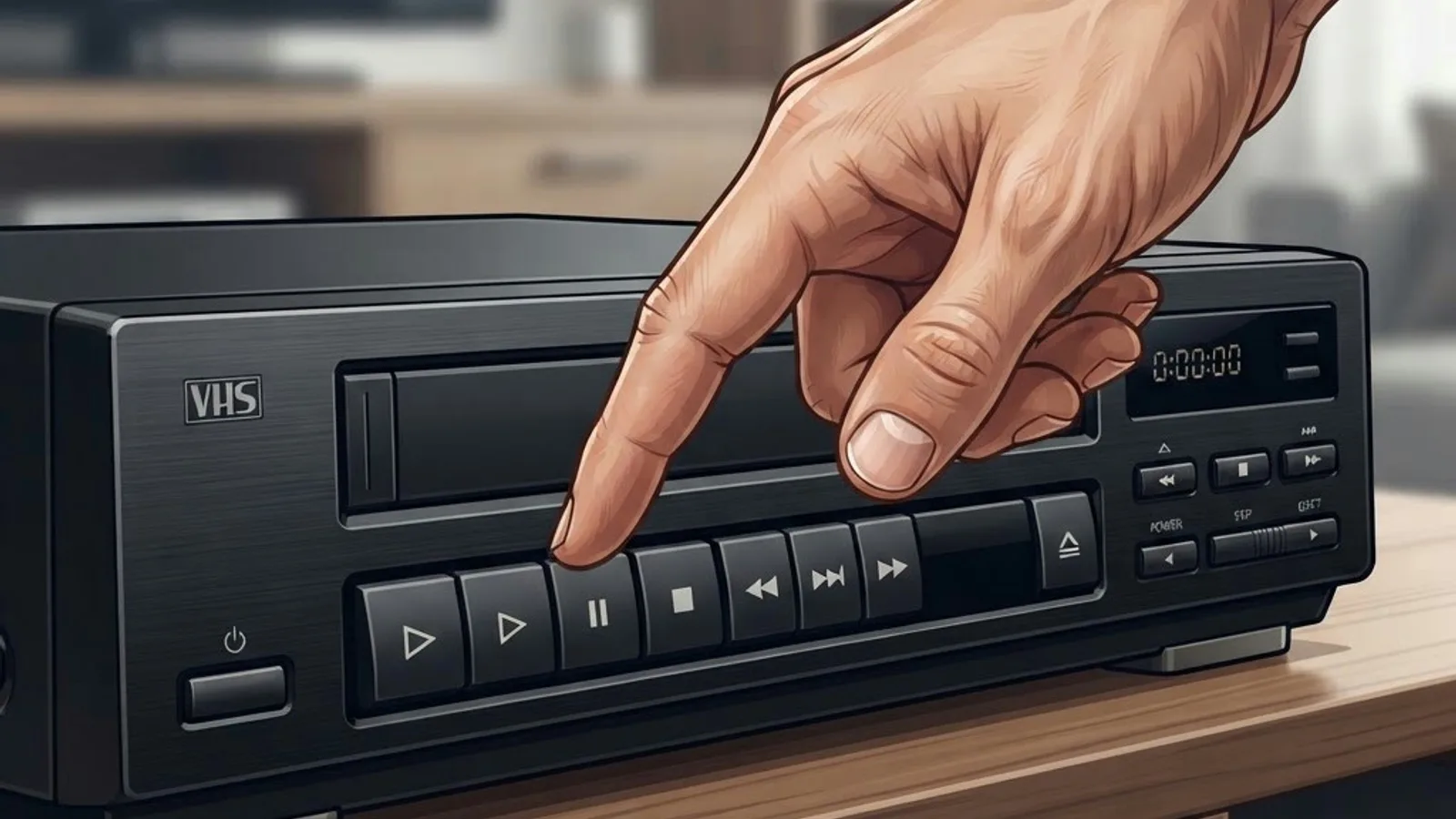
The RBT 2026 40-Hour Training Requirements and Curriculum Outline was never designed to be satisfied by video alone. The Behavior Analyst Certification Board (BACB) specifies seven required content areas: Introduction to Applied Behavior Analysis, Preparing for Service Delivery, Data Collection and Graphing, Assisting with Behavior Assessments, Behavior-Change Interventions, Service Delivery Documentation and Reporting, and Ethics and Professionalism. It also requires that training incorporate active instructional components alongside any video-based instruction: didactic instruction, modeling with exemplars and nonexemplars, in vivo role-play with feedback, content quizzes, and interactive activities. In practice, many training programs default to passive video delivery to satisfy the 40 hours, then send trainees directly into the BACB Initial Competency Assessment with little or no structured rehearsal of the very skills being tested. This session reviews what the BACB’s training and delivery requirements actually say, then grounds them in Behavioral Skills Training (BST), the evidence-based instructional model built on instructions, modeling, rehearsal, and performance feedback (Parsons, Rollyson, & Reid, 2012). Particular attention is paid to the role of task-analyzed treatment integrity (procedural fidelity) checklists as the mechanism that operationalizes BST’s rehearsal-and-feedback loop: breaking each protocol into discrete, observable steps; using that checklist to guide practice and corrective feedback during training; and reserving the formal competency assessment for confirming skills already established rather than for teaching them. Attendees will leave with a framework for auditing or building 40-hour trainings that meet the BACB’s actual requirements and adequately prepare trainees, rather than simply processing them, for competent, ethical, and treatment-integrity-consistent practice.
Register free & watch nowCancel any time. Cert delivered to your inbox the moment you pass the quiz.
Learner ratings
from 68 learners
99% would recommend this CEU to other professionals in their field (68 responses)
“Very informative. Thank you.”
— Marsha S.“Great session.”
— Lindsay M.
About this CEU
This presentation will cover what a quality Training Program should include for candidates preparing to not only take the RBT Exam, but be ready to practice after earning the credential.
What you'll learn
- 1Identify the seven required content areas and the mandated instructional delivery components, beyond video-based instruction, specified in the BACB’s RBT 40-Hour Training Requirements and Curriculum Outline.
- 2Describe the four components of Behavioral Skills Training (instructions, modeling, rehearsal, and feedback) and explain their function in teaching implementation skills to a performance criterion.
- 3Construct a task-analyzed treatment integrity (procedural fidelity) checklist for a given protocol and describe its use as a rehearsal-and-feedback tool prior to administering the RBT Initial Competency Assessment.
Concepts in this CEU
Related talks
Talks that cover the same concepts
From Hours to Competence: Assessing and Developing Supervisee Skills
The Behaviorist Bookclub

The Use of Matrix Training to Teach Multi-Component Tacting Through Telehealth
Copper Consulting Group
Toward an Evidence-based Supervision Model: Training Students in Independent Fieldwork
Willow Mentorship & Consulting, LLC
Reflective Supervision and Provider Outcomes in ABA
The Behaviorist Bookclub

The Interdisciplinary Case Conference
The Mindful Learner LLC

Delegating with Confidence: Training and Supervising RBTs to Support Assessments
Copper Consulting Group
OpenCEU is supported by advertising from third-party sponsors. Sponsors are clearly labeled, have no influence over course content, instructors, or CEU decisions, and never appear on certificates. The BACB does not sponsor, approve, or endorse OpenCEU sponsors or their products.