Scope of Practice in ABA: Where Your Limits Are
What scope of practice means for BCBAs, how it differs from scope of competence, and how to stay in your lane while helping clients.
Key takeaway
Scope of practice is the set of things your profession is allowed to do. For behavior analysts, that set is wide but not endless. It marks the line between your work and other fields.
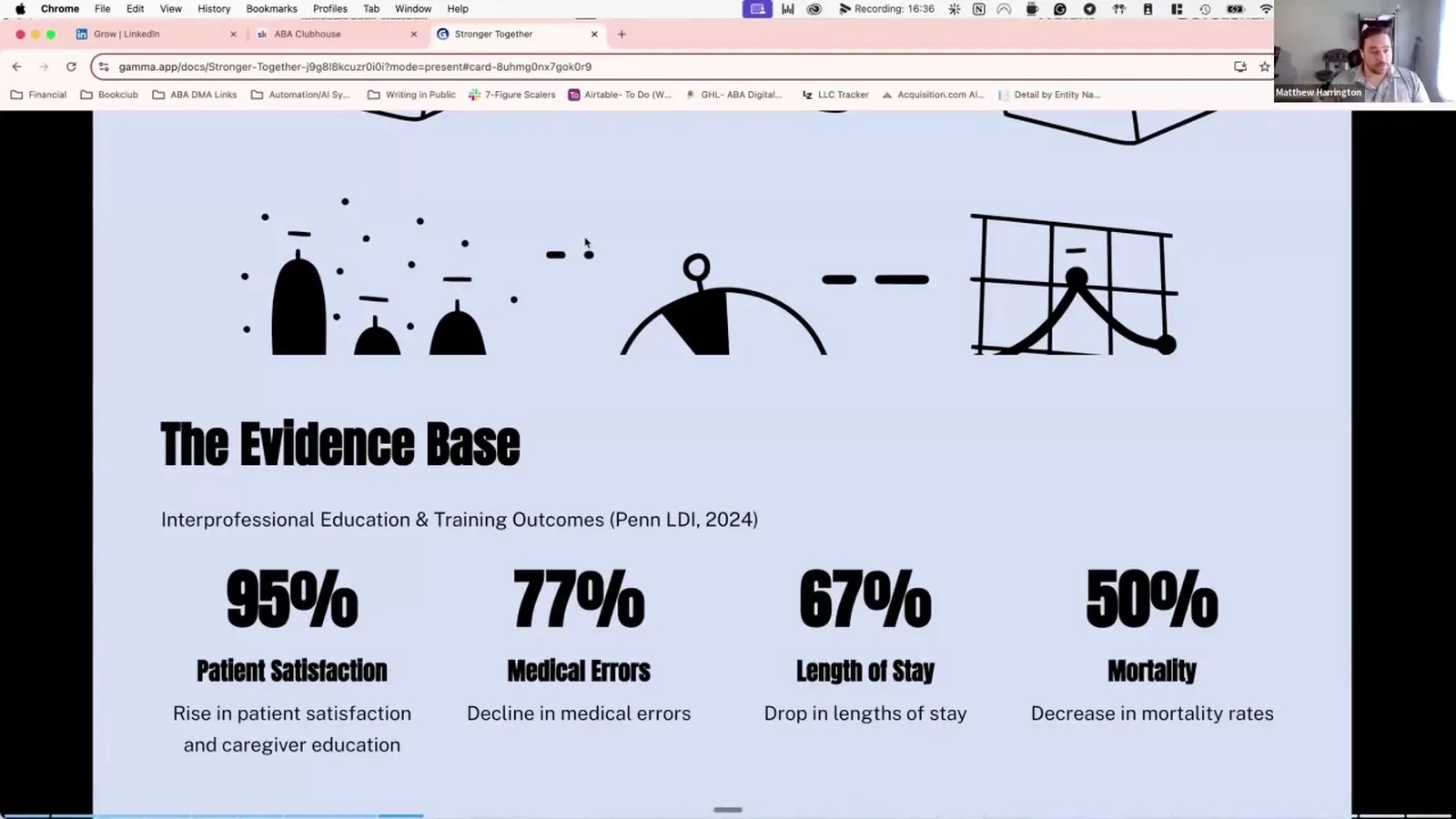
Stronger Together: Care Collab
Free learning path on this topic
Your 4 Ethics CEUs, Done
Four ethics CEUs in three courses, all free. Start with Matt Harrington's assent and data course, then ethical guardrails in behavior reduction, then cultural considerations in clinical practice. Every course carries ethics credit, so this path covers the BACB requirement with nothing to buy.
Experts who cover this
10 recordings on openceu cover scope of practice aba.
- Featured talk1 CEU
Stronger Together: Care Collab
Matt HarringtonThe Behaviorist Bookclub
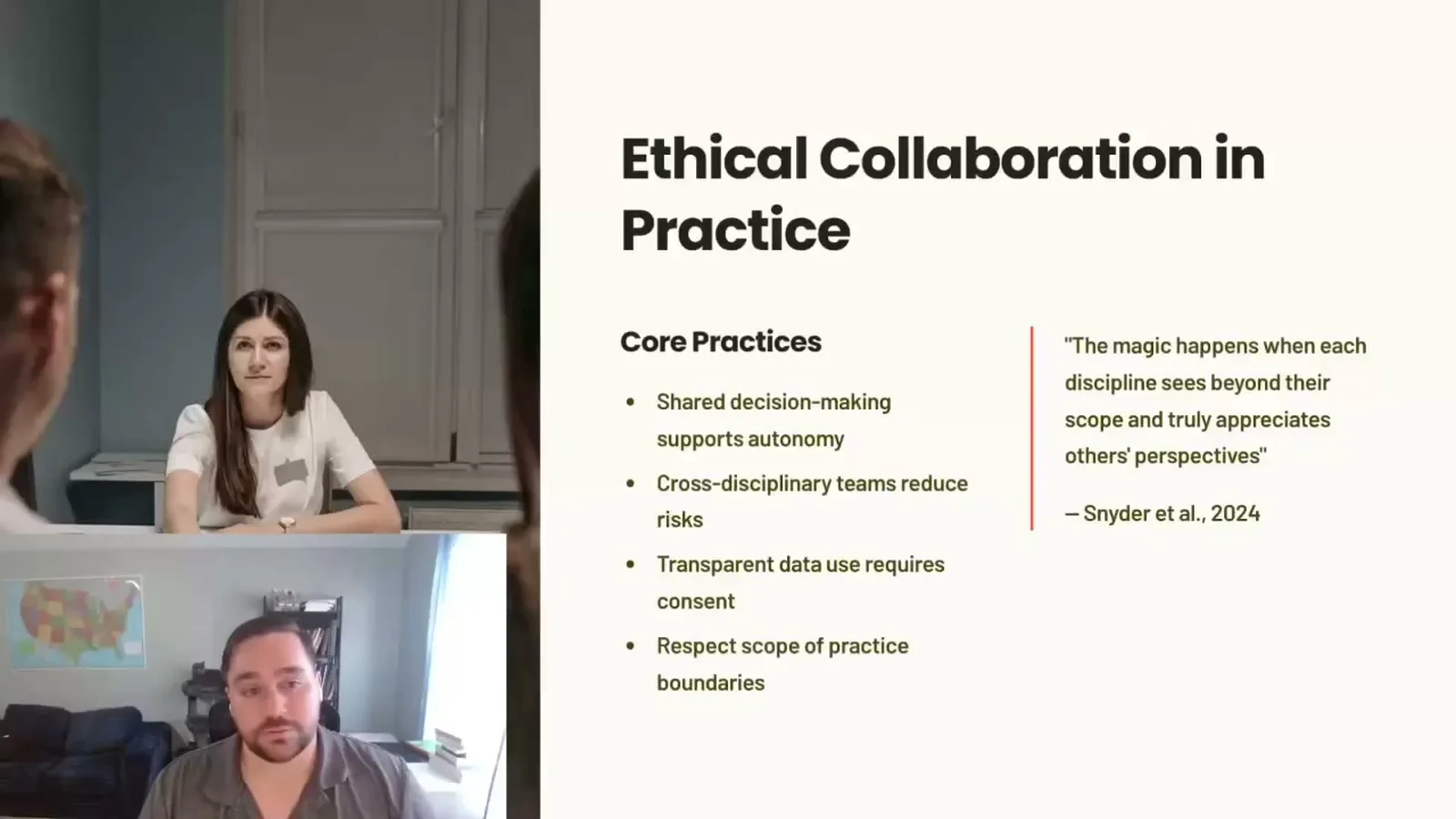
Matt discusses how BCBAs can overstep into other disciplines' expertise (e.g., swallow studies, reading instruction) simply because 'everything is behavior,'…
- 1 Supervision CEU
Teaching RBTs to Think Clinically: Training In-the-Moment Decision Making
Dr. Jessica Osos & Tauren KeelsCopper Consulting Group
A recurring guardrail throughout the talk: RBTs should be empowered to make in-the-moment clinical decisions, but explicitly not conduct assessments, diagnose…
- 1 CEU
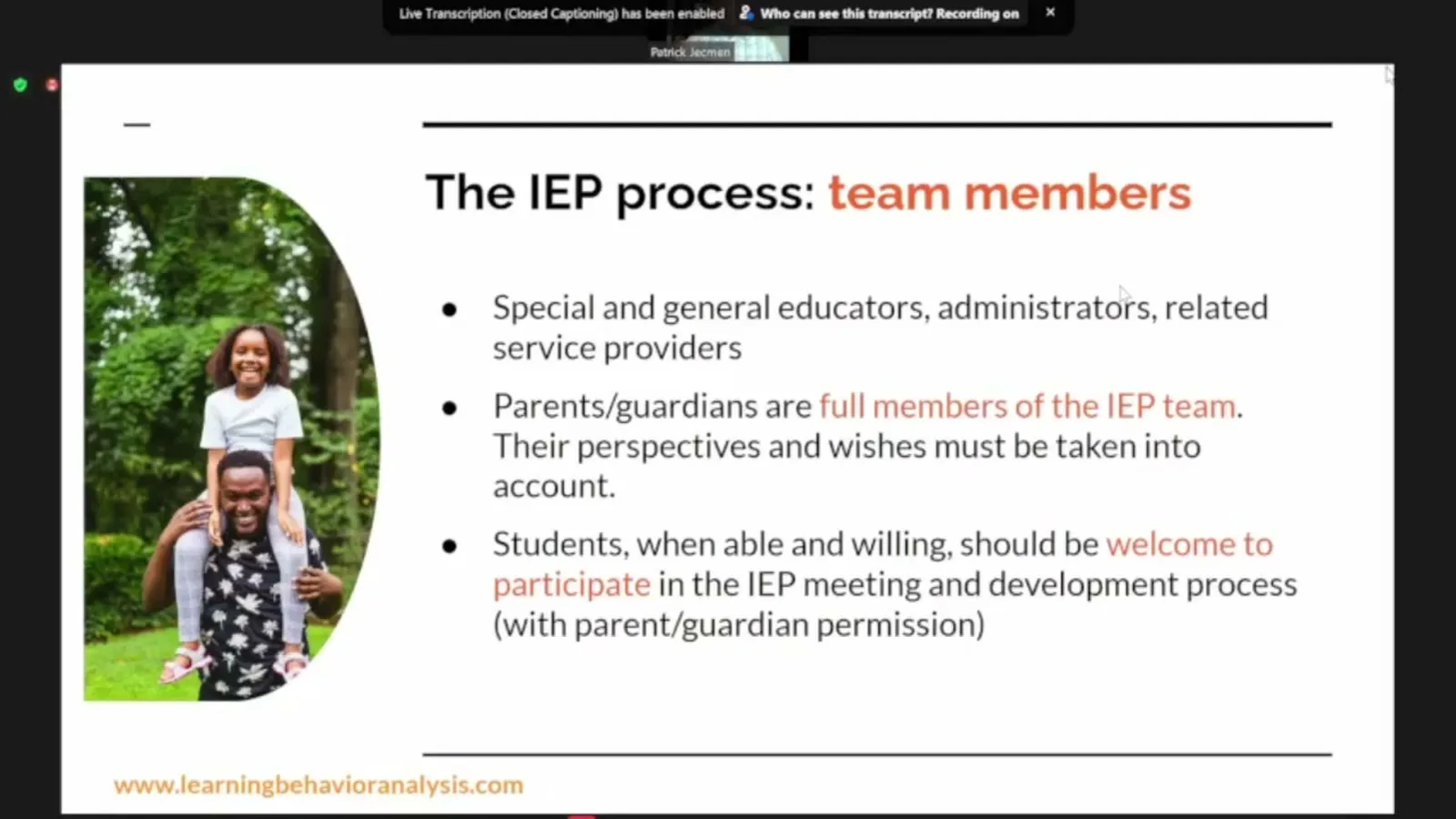
School Collaboration as an Area of Competence - Applied 2022
Dr. Clelia SigaudThe Behaviorist Bookclub
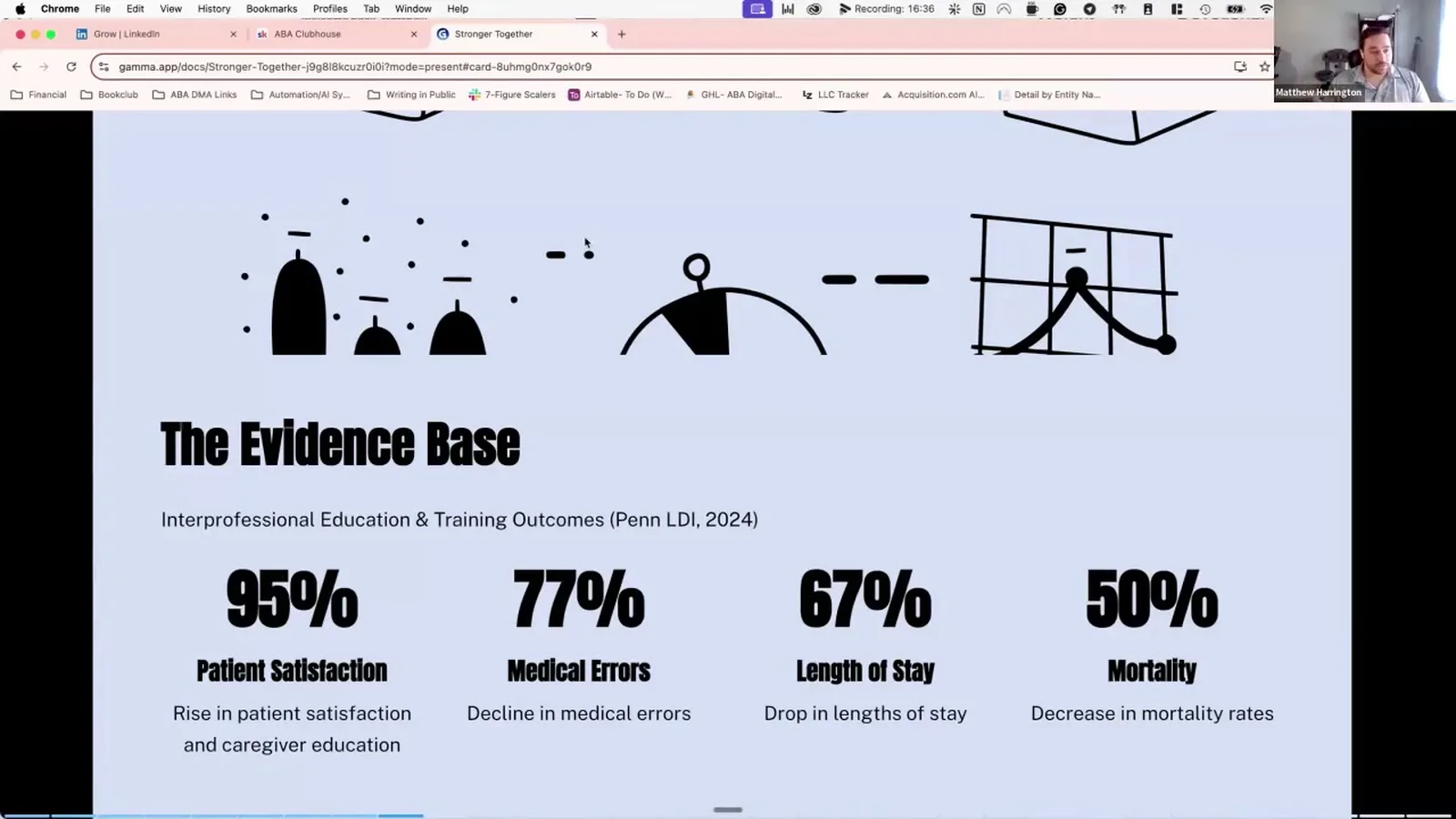
Defined as the broad set of activities the behavior-analyst profession as a whole is authorized to perform (e.g. classroom consultation, feeding disorder…
- 1.50 CEUs
Hey, Chillax Man! Understanding the Logic of Anxiety
Dr. Clelia SigaudThe Behaviorist Bookclub
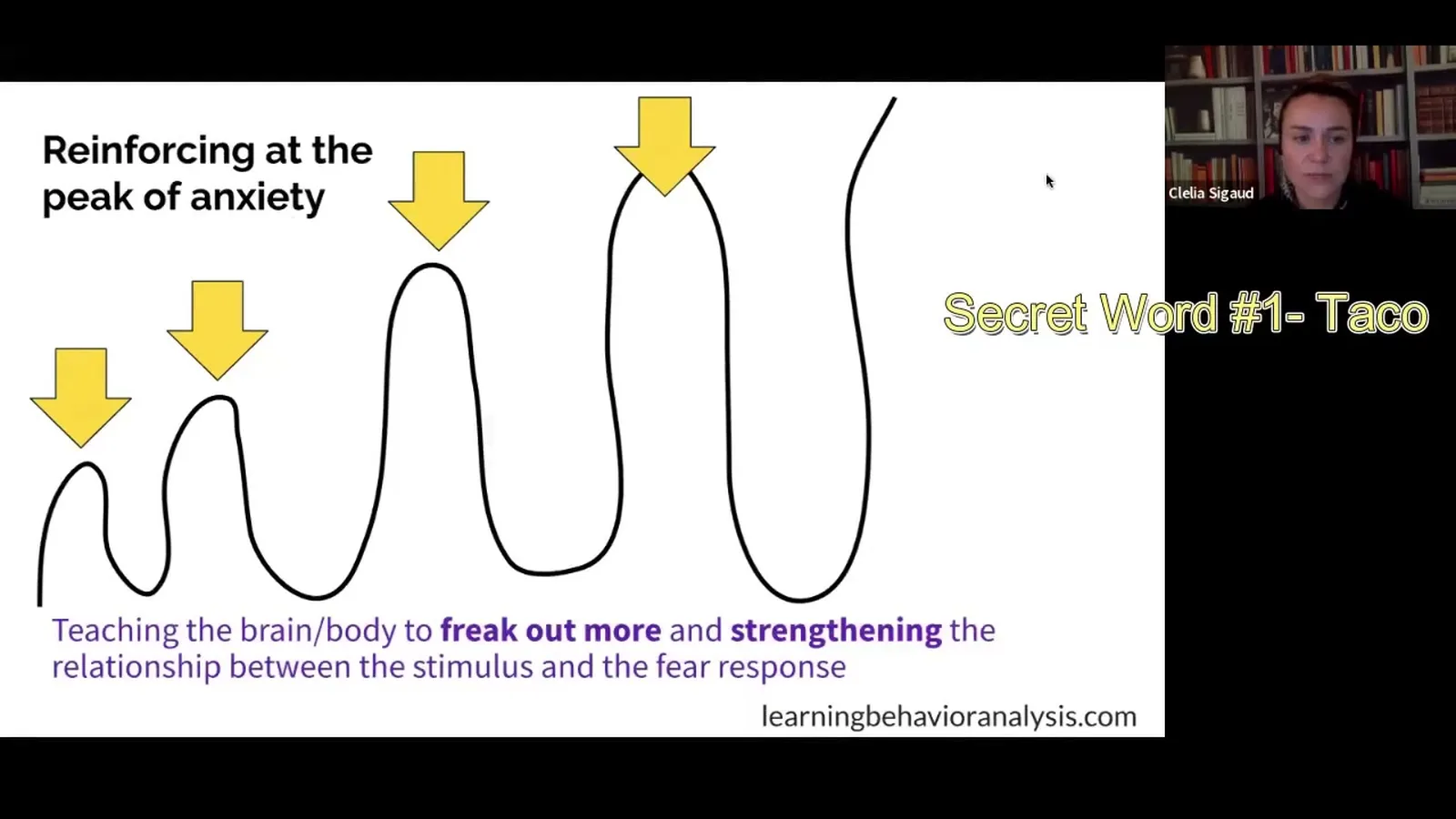
Defined as what a profession as a whole is legally permitted to do, contrasted with scope of competence; disregarding it is framed as deceitful to clients and…
- 1 CEU
That's Outside My Scope of Competence
Dr. Allison Bowhers-PeutinWillow Mentorship & Consulting, LLC
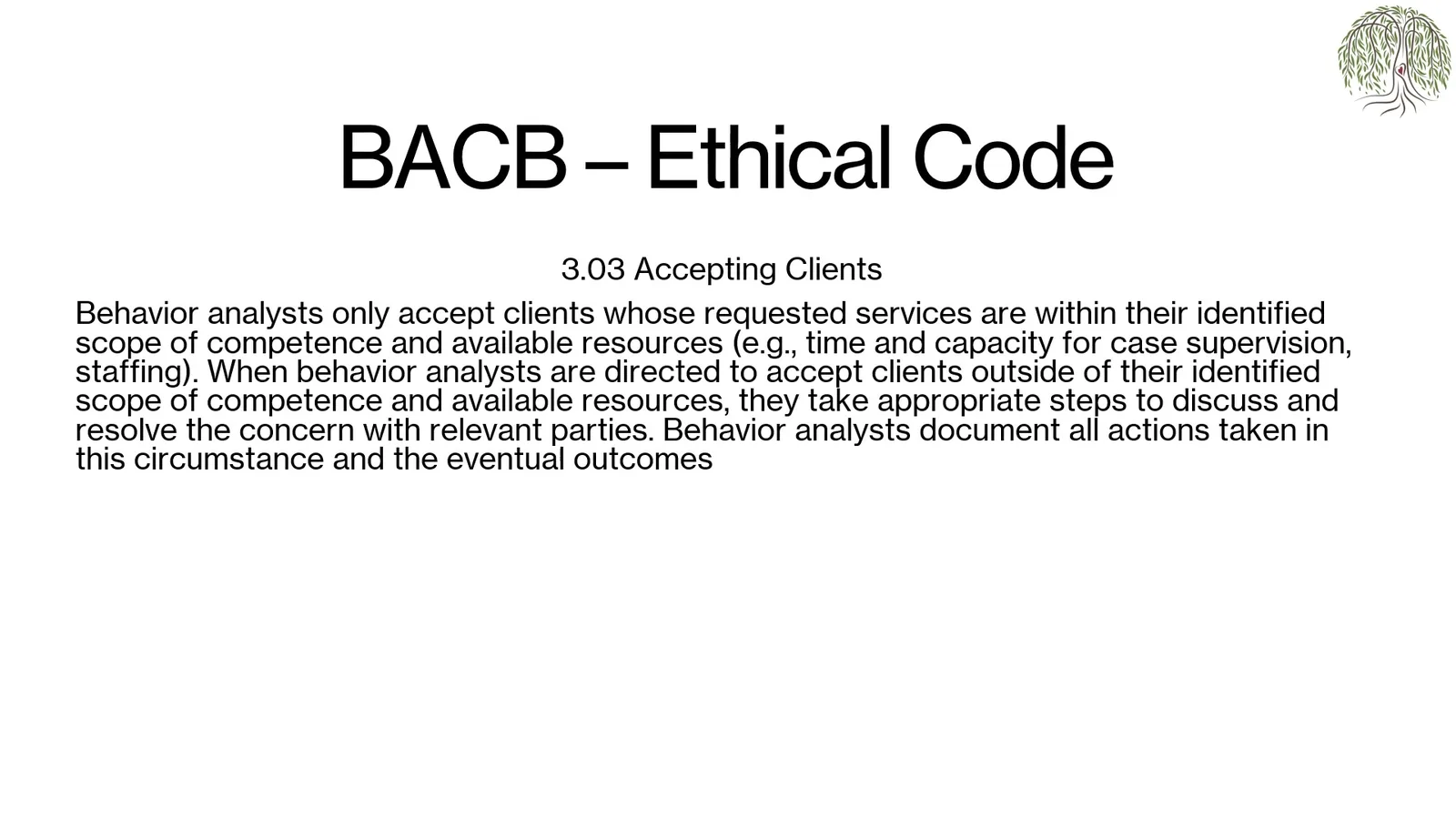
Bowhers-Peutin contrasts scope of practice, the activities dictated by the BACB and state licensure law that any BCBA is permitted to do (such as assessing…
- 1 CEU
PDA: What it is and What it isn't
B. Kuereine GrayThe Behaviorist Bookclub
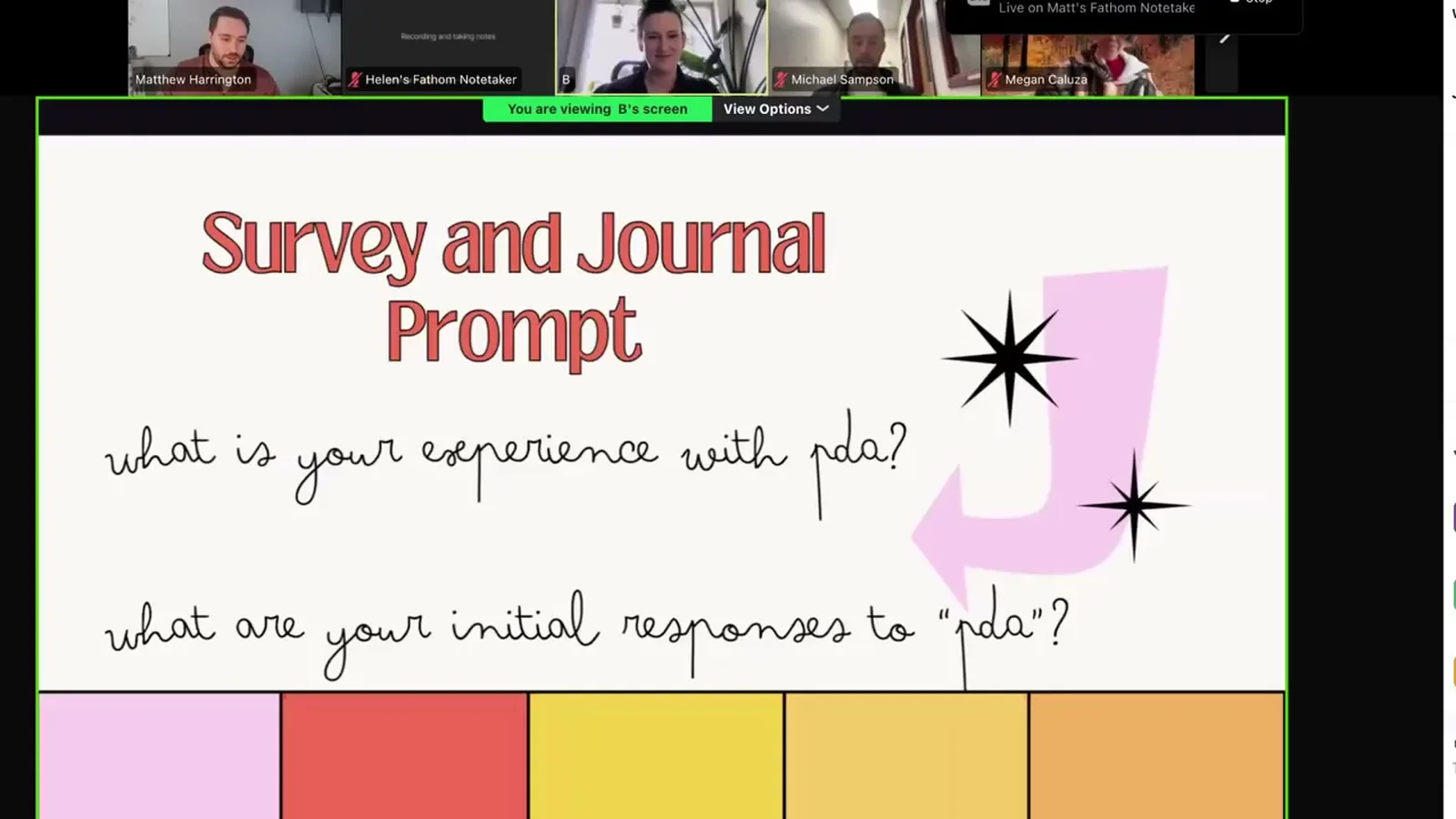
B cautions against BCBAs diagnosing PDA outside their scope, but stresses naming suspected characteristics transparently and referring for assessment, warning…
- 1 Ethics CEU
Ethically Scaling an ABA Company
Matt Harrington and 3 Pie SquaredThe Behaviorist Bookclub
Raised as an ethical risk of scaling: hiring an RBT to write treatment plans because they're cheaper, which violates practicing within one's defined role.
- 1 Ethics CEU
Interdisciplinary Grief Support for People with Disabilities: Enhancing Outcomes Through BCBA-LPC Collaboration
Patricia LundThe Behaviorist Bookclub
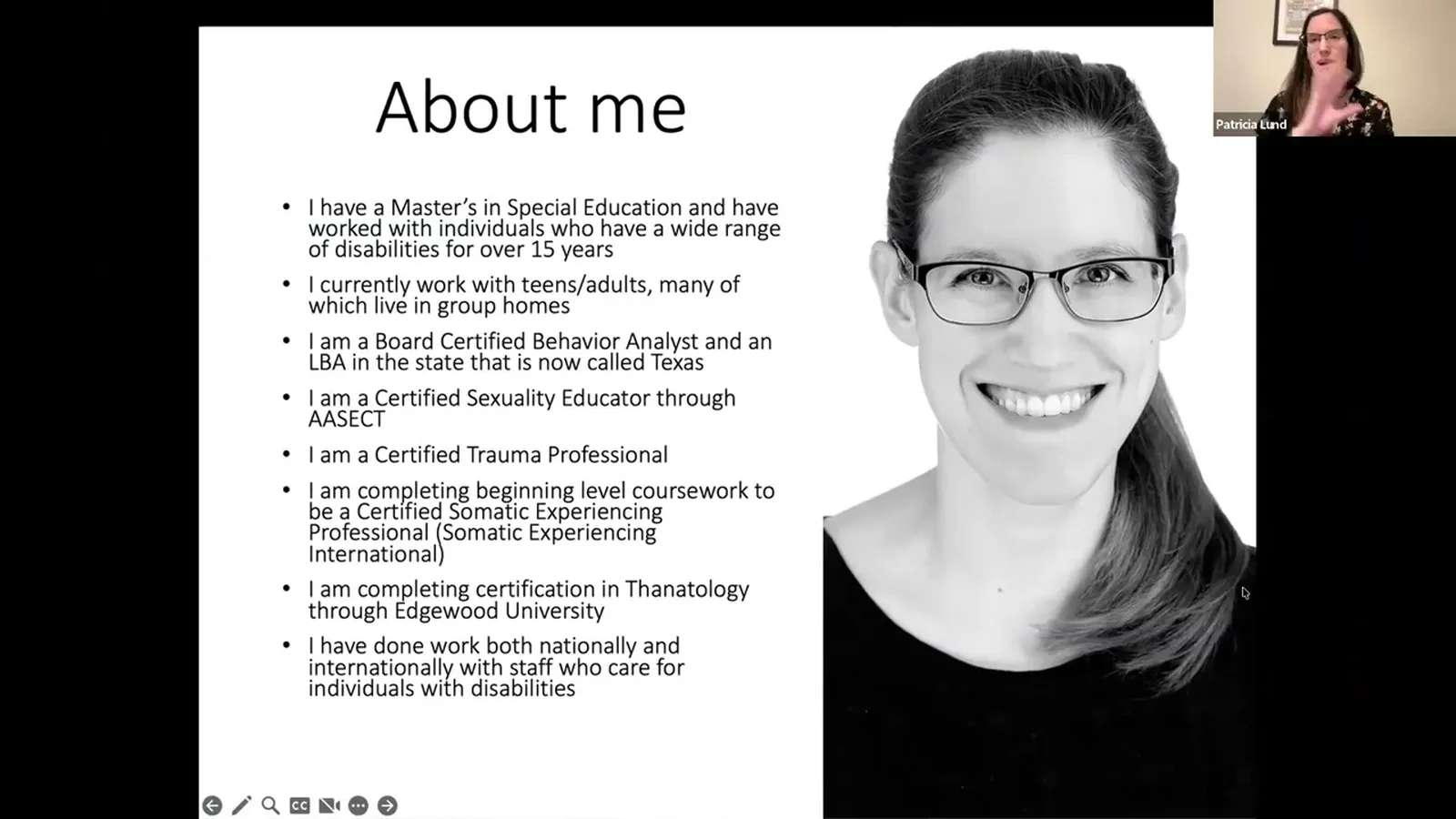
Lisa explains that mental health diagnoses are under-recognized in people with IDD because their symptoms get falsely attributed to their existing intellectual…
- 1 CEU
ABA Beyond Autism
Nicole ParksThe Behaviorist Bookclub
In Q&A, Parks argues a BCBA's scope is defined by whether behavior-analytic techniques (shaping, BST, modeling) underlie an approach, not by its…
- 1 CEU
New Year, New Care Collab Goals
Matt HarringtonThe Behaviorist Bookclub
Reiterated as a boundary that keeps collaboration meetings framed around enhancing rather than winning, and as the answer to caregiver privacy concerns about…


On this page · 7 sections▾
Scope of practice is the set of things your profession is allowed to do. For behavior analysts, that set is wide but not endless. It marks the line between your work and other fields. Knowing that line keeps clients safe.
This matters for every BCBA, RBT, teacher, and parent on a team. Cross the line and you can harm a client. You can also hurt trust in the whole field. Stay inside it and you build strong, honest partnerships. That is the heart of good care.
Scope is not meant to shrink your impact. It points you toward the right partners for each need. When you know your edge, you refer with confidence. The client still gets help, just from the right expert.
Scope of practice versus scope of competence#
Two ideas often get mixed up. One is scope of practice. The other is scope of competence. They are not the same thing.
So scope of practice is what the profession as a whole is allowed to do and scope of competence is what the professional as a person is able to do well. From the talk — Dr. Clelia Sigaud
Claudia frames the field's scope as broad but still bounded. She calls the scope of practice for behavior analysts incredibly wide. The profession can do a lot of good work across many settings. Yet each single clinician knows less than the whole field. Your personal skill set is your scope of competence. It usually sits inside the larger scope of practice. A new BCBA and a twenty-year veteran share one profession. They do not share the same personal competence.
"Everything is behavior" is a trap#
Behavior analysts see behavior everywhere. That view is true, but it can mislead. It tempts clinicians to target things they should not touch.
as behavior analysts we oftentimes feel like everything is behavior so we can target everything right... that's true everything is behavior internal external and the science does apply what that doesn't mean is that we are the experts in everything From the talk — Matt Harrington
Matt Harrington shares a personal example. In a hospital, he could help with swallowing problems. He had speech and medical experts right beside him. Once he left that setting, his scope shrank. Without that support, swallowing work was no longer safe for him. The setting and the team change what you can do.
Where the line falls#
 Advertisement
So how do you know when you are in scope? Different experts offer clear tests. Nicole Parks looks at the method under the surface.
if at the end of the day, you can say I'm using shaping, or I'm using BST, or I'm modeling something that I want you to do, and you break it down to its little building blocks, I think that that is what's going to tell you whether or not you're in scope. From the talk — Nicole Parks
By that test, couch-style talk therapy sits outside your scope. Tom Sabo draws a similar hard edge. He names what ABA is not.
We don't do hypnotherapy. We don't do play therapy. We don't do music therapy. We do education services related specifically to behavior slated for increase and behavior slated for decrease. From the talk — Tom Sabo
There are also flat limits. Claudia lists surgery, flying planes, and giving diet advice. None of those belong to a behavior analytic credential alone.
Diagnosis and referrals#
Diagnosis is a common scope question. Most BCBAs are not diagnosticians. B. Kuereine Gray puts it plainly.
we are not diagnosticians unless you have that licensure I'm not asking you to practice outside of your scope From the talk — B. Kuereine Gray
But staying in scope does not mean staying silent. You can name what you observe. You can refer the family for a proper assessment. Failing to refer can block a child from services. Lisa Trevlyan warns about a related risk called diagnostic overshadowing. That is when new symptoms get blamed on an existing autism or intellectual disability diagnosis. A real, separate condition then gets missed.
Scope as an ethics guardrail#
Scope of practice also protects your ethics. Dr. Clelia Sigaud calls it a matter of honesty. Ignoring your limits misleads the client. Matt Harrington ties it to how companies grow.
He warns against hiring an RBT to write treatment plans just to save money. That pushes a person past their defined role. Tom Sabo shows the paperwork side of scope. He tells clinicians to write goals in BACB task-list language. Fancy therapy terms can get insurance claims denied. The same work, named correctly, is defensible.
What the research says#
Scholars have studied scope in a few ways. One debate covers acceptance and commitment training, or ACT. Tarbox and colleagues argued that ACT can fit inside ABA's scope of practice (Tarbox, Szabo, & Aclan, 2020). Other authors pushed back on that claim. They said ACTraining may not be behavior analytic, and may need a disclaimer if used (Cihon et al., 2022).
Scope is also set by law, not just theory. A review of state licensure laws found real differences from state to state (Morris, Donovan, & Switzer, 2024). The laws did not line up cleanly with the seven dimensions of ABA. That means your legal scope can shift when you cross a state border. The picture is even wider around the world. A study of fifteen Latin American countries found gaps in regulation and quality (de los Santos et al., 2024). Weak standards in some places let scope drift. Scope is a moving target shaped by place and law. The lesson for practice is steady. Know your credential, your state rules, and your own limits. Then work with other experts to fill the gaps.
FAQ#
What is scope of practice in ABA? It is the full set of tasks the behavior analysis profession is allowed to do. It is broad but has clear limits. Things like surgery, diagnosis without a license, and diet advice fall outside it. It protects both clients and the field.
How is scope of practice different from scope of competence? Scope of practice is what the whole profession can do. Scope of competence is what you personally do well. Your competence usually sits inside the larger practice scope. Stay within both to work safely.
Can a BCBA diagnose autism or other conditions? Most BCBAs cannot diagnose unless they hold a separate license. You can still note what you see and refer the family. Referring early helps clients get the right services. Staying quiet can delay needed care.
For more on stretching your skills the right way, see School Collaboration as an Area of Competence - Applied 2022.
 Advertisement
Turn this topic into a CEU
You just studied this. Now get credit for it.
Watch Stronger Together: Care Collab with Matt Harrington and earn 1 free BCBA CEU. Detailed certificate, delivered the moment you finish.
Keep going with a free learning path
Your 4 Ethics CEUs, Done
Four ethics CEUs in three courses, all free. Start with Matt Harrington's assent and data course, then ethical guardrails in behavior reduction, then cultural considerations in clinical practice. Every course carries ethics credit, so this path covers the BACB requirement with nothing to buy.