Building Rapport: A Listen Goes a Long Way
Presented by Kendrell "Abby" Richmond

Within the industry of behavior analysis, reported burnout is prevalent across practitioner levels. A practitioner’s perceived supervisor support is generally correlated with their likelihood to experience burnout (Austin & Fiske, 2023). Supervisors may implement several behavioral strategies for ongoing assessment of supervisee motivations and preferences to strengthen their supervisory relationships and decrease the likelihood of their trainees experiencing burnout, while simultaneously supporting better client outcomes. Austin, A., & Fiske, K. (2023). Evaluating the Relationship between Compassion, Perceived Supervisor Support, and Burnout among ABA Staff.
Sign in to buy — $20One-time purchase, permanent access. Cert delivered to your inbox the moment you pass the quiz.
Learner ratings
from 12 learners
100% would recommend this CEU to other professionals in their field (12 responses)
“Compassion! I don't think there is anything more important. Thank you”
— Allison G.“A great topic that I feel many supervisors don't feel is the most important, but should!”
— Cierra H.
About this CEU
Within the industry of behavior analysis, reported burnout is prevalent across practitioner levels. A practitioner’s perceived supervisor support is generally correlated with their likelihood to experience burnout (Austin & Fiske, 2023). Supervisors may implement several behavioral strategies for ongoing assessment of supervisee motivations and preferences to strengthen their supervisory relationships and decrease the likelihood of their trainees experiencing burnout, while simultaneously supporting better client outcomes. Austin, A., & Fiske, K. (2023). Evaluating the Relationship between Compassion, Perceived Supervisor Support, and Burnout among ABA Staff.
Credits
1 supervision CEU · 60 min
From the talk
What was covered
Why supervision rapport lowers burnout: the three burnout drivers, the feedback sandwich trap, and how to pair with staff and families.
- Ask every new supervisee how they want feedback: live, after the session, or in writing.
- Bank praise and pairing before you need to give hard feedback, so a compliment never predicts a correction.
- Thank staff when they admit a gap, then fix the missing training instead of reprimanding them.
- Write both sides' duties into the supervision agreement, including signed hour forms and on-time submissions.
- Shape caregiver goals in small steps, like twice a day first, instead of asking for the ideal rate now.
- Recheck motivations and support needs often, because a trainee's goals change mid-relationship.
The Three Things That Drive ABA Burnout
Burnout (long-term work stress and exhaustion) is not rare in ABA. It shows up at every level. Abby cited a study covered in the talk. Close to two thirds of staff report moderate burnout. That number did not shock her. She hears it from peers all the time. The cost is shared. Stress drives more missed days, more turnover, and worse client gains.
The talk named three big drivers: support, training, and compassion. Support is about access. Is your supervisor there when you need feedback? Is the agency there? Abby said the chain of command is often foggy. You may not know who to ask for a given need. Then the trainee is left to wing it.
Training is about how ready you were for the job. Abby has been dropped into the RBT (a frontline behavior tech) role. She has been dropped into the BCBA (a certified behavior analyst) role too. No one spelled out the culture or the rules. Report templates were one more guess. Sometimes you learn the house style only after you do it wrong.
One poll asked which item was not a big driver. The answer was commute. Abby said drive time stings less when she feels backed up. It bites when she must also train herself and run her own cases. The study also pointed to self-care and job crafting (shaping your own work tasks). Trainees who help build their own plan do better.
So burnout is a reported concern across all levels.
From the talk — Kendrell "Abby" Richmond
What Compassionate Supervision Looks Like Day to Day
Compassion is a core principle of practice across health care fields. Most of us grant that with clients. We want to be warm and kind with the people we serve. Abby's point is that staff deserve the same. So do caregivers, families, and other team members.
Compassionate supervision (supervision built on real empathy) sends one message. Someone is here for you. The trainee is not doing all of this alone. They do not have to find every answer by themselves. At the least, you can point them to where the answer lives. Abby framed the payoff in three parts: staff well-being, service quality, and retention.
She also asked us to see ourselves as the face of the field. Supervisors model what a behavior analyst can be. During her own fieldwork, Abby worked with many BCBAs. She kept asking herself hard questions. Is this the kind of BCBA I want to be? Would I use these methods with my own trainees? Am I getting enough feedback and enough say in what we cover? Your trainees are asking those same questions about you right now.
The Hen Who Baked the Bread, and the New BCBA Problem
Abby's first supervision job shaped this whole talk. She worked at a clinic where the owner was the only BCBA. Abby was a BCaBA (a certified assistant behavior analyst) then. They co-treated cases (worked them together), and the owner held her hand. Then Abby became a BCBA. The message changed fast: half of these cases are yours. Half of the trainings are yours. Knock yourself out. She is grateful for it and still learns from it. She also keeps new BCBAs in mind because of it.
She told the fable of the hen who baked the bread. The hen asked her farm friends to help plant the wheat. Not I, said the pig. Not I, said the duck. No one helped cut it. No one helped mill it. No one helped bake it. Then the bread came out of the oven. Suddenly everyone wanted a slice.
Abby sees her own path in that story. You get thin support while you chase the certification. Then you pass, and everyone needs a competency check. Everyone needs supervision hours. Her read is not bitter. You still get to share the bread. You still get to teach people what the work takes. And many trainees are not holding back out of laziness. They are stuck. Supervisors who say a trainee should just know what to work on miss that.
But I don't know what I don't know. I don't know where to start.
From the talk — Kendrell "Abby" Richmond
Buy-In Means Finding the Motivation, Not Selling the Plan
Buy-in can sound a lot like bribery. Abby reframed it as an assessment. Buy-in means finding out what moves a person. Why do they want this goal? She made a sharp point here. It matters more that you share the goal than the reason.
Say a child is about to start pre-K. That is why the skill matters to you. A parent may want the same skill for a very different reason. Abby's example was blunt and kind at once.
So she maps the goals, motivation, and preferences of each caregiver. Then she looks for the overlap. Caregiver training runs on the same logic. Most families have never heard of functions or differential reinforcement (rewarding one behavior, not another). A packet plus one session rarely sticks. A week later you hear that the packet got lost and the iPad came out. Abby shapes caregiver goals instead. Shaping (reinforcing small steps toward a goal) means picking steps that fit this week. Hourly practice may be out of reach. Can we do it twice a day? In a few weeks, can we try four?
She pairs that with steady access. Not round the clock access: clear access. Families and staff should know when you are free and how to reach you. Meetings should keep a rhythm. You should review what you agreed on last time. Watch treatment fidelity (running the plan as written) while you talk through new barriers. Abby also asks for honesty. Name what is going well. Name what is not. Name what would be ideal and what is realistic. Do not sell sunshine, and do not sell doom.
that mom would want to sleep in an extra 10 minutes and that is a part of her motivation.
From the talk — Kendrell "Abby" Richmond
Rapport as an Antecedent Strategy for Hard Feedback
Conflict is coming. Even when you agree on the plan, some feedback will sting. Abby had a supervisor who loved the feedback sandwich. Praise, then a correction, then more praise. Abby does not hate the method. It can fit a brand new relationship. It can fit feedback that cannot wait.
But that supervisor used nothing else. So her praise turned into a conditioned punisher (a signal that predicts trouble). A kind word about ready session materials became a warning. Abby braced for the hit every time. Her fix is pairing (linking yourself with good things). Find more chances to reinforce (praise or reward a behavior). Bank that goodwill first. Then hard feedback does not feel like an attack. It does not feel like you waited for a slip to speak. That is rapport (a warm, trusting working relationship) used as an antecedent strategy (something you set up first).
Abby also reinforces staff for bringing her bad news. A tech admits they took no data all week because they did not know how. That is frustrating, and she says so plainly. She still thanks them for telling her. Then she digs in. Were the target steps unclear? Was her model confusing? Should they role-play it again? Would they rather be watched? She asks what would help right now, so data starts today. The answer is never go read the protocol and figure it out. She programmed the task, so the gap is hers to close.
Rapport opens the door the other way too. If a joke lands wrong, Abby wants to hear it. Her intent does not erase the impact. A trainee may say they felt unbacked in a caregiver meeting. That talk can clear up what each person meant. It can also change how you work. Maybe you meet first and set the agenda together. Those talks feel scary with a boss you see twice a month. They are possible with someone you trust.
No one really likes to tell someone they're doing something wrong or at least very few of us do, but we have to get comfortable doing it, right?
From the talk — Kendrell "Abby" Richmond
Individualize Feedback and Put Expectations in the Contract
We individualize plans for clients without blinking. Abby wants the same care for trainees. Some people want you to stop the session and fix it now. Some want to talk the next day. Some want it in writing. Safety is the exception. If there is a hazard, you step in at once. Otherwise, if the feedback can wait, she honors the preference. Being watched is stressful enough on its own.
One attendee asked a fair question. How do you personalize feedback before you know the person? Abby asks straight out how they like feedback. Then she runs a self-assessment on the skills they want to build. The TCO (the exam content outline from the board that certifies behavior analysts) works well for that. Her site hosts a self-assessment tool for it. In a non-clinical setting, build your own list of skills to cover. Start from two questions. What do you need help with? What kind of help works for you?
The supervision agreement should carry both sides. Spell out the supervisor duties: compliant hour forms signed, feedback on submissions, client observations. Spell out the trainee duties too: submit on time, finish agreed tasks. Everyone's expectations belong in writing.
Training should build fluency and confidence. Assess after it, and have the trainee self-assess as well. Then compare notes. Do you both see the same growth area? Maybe each of you has a blind spot. Give balanced, specific feedback about strengths and next steps. Then follow up in the next session. Did you use it? What got in the way?
Asking staff what methods of support are most supportive for them.
From the talk — Kendrell "Abby" Richmond
Pairing Strategies: BST, Timely Feedback, and Follow-Through
Abby's main pairing tool is BST (teach, show, practice, then feedback). It is simple and it works. Use it for the programs your trainee runs. Use it for caregiver talks, data review, and report writing. She has watched it help staff stay, and help clinicians and families trust each other.
She cited Hess et al. on this point. That team looked at BST plus values and committed action training (naming what matters, then acting). The mix helped early career analysts build supervisory relationships and leadership skills. Abby noted the study did not test it in a general agency in vivo (in real, everyday practice). She sees that gap as our job to fill.
Feedback should be timely and point forward. Where do we grow next? Are we tapering off near the end? How are your needs shifting? She also named the pairing strategy most people skip: follow through. If you promised a fieldwork chance, give it. If you promised to sign the forms, sign them. The relatable part counts too. Ask what classes they are taking. Say which ones were hard for you.
Reminding them that you used to be in their shoes, reminding them of where you started.
From the talk — Kendrell "Abby" Richmond
Maintenance, Changing Needs, and a Clean Exit
Pairing is not a start-up chore. Abby wants it in every meeting. Each contact should hold the bond steady or grow it. Preferences shift, so keep checking. A four year old can love Bluey today and hate it tomorrow. Staff shift too. One day a tech says they want to be a BCBA. Now Abby has two jobs: build a strong tech and a future analyst.
She reinforces independent problem solving on purpose. A tech spots a barrier and brings a fix. Maybe she cannot approve the change. She praises the thinking anyway. Abby has seen trainees go quiet for the opposite reason. A BCBA assumed a tech could not have useful ideas. She keeps watching fidelity even after she approves an idea.
Scaling back can be an antecedent move. One trainee on the concentrated track (more hours per month) began missing meetings. Three classes, a recent move, too much on the plate. Abby would rather lighten the load than lose the person. Shift to the standard track. Take a partial month. Pause fieldwork if that is what fits. Supervision should feel like enrichment, not one more weight.
Endings need a plan too. For a trainee near the finish: fewer meetings, or exam prep mode. For families: a taper, a consult-only model, resources, a clear support plan, or a referral. An attendee asked about a supervisee in a family crisis who will not pause but keeps missing requirements. Abby would map a game plan and scale back for a couple of months, then review. Her contract names how many missed months can pass before it ends. Ending can be the kind choice. She does not want someone grinding through half the requirements for hours that may not count. Sometimes you are not the right supervisor for this stage.
I like to know that I left our professional relationship in a good place.
From the talk — Kendrell "Abby" Richmond
Common questions
What are the main causes of burnout for ABA practitioners?▾
The talk pointed to three drivers: support, training, and compassion. Support covers how reachable your supervisor and your agency are. Training covers how ready you felt for the role. Commute was not a major driver, and close to two thirds of staff reported moderate burnout.
Is the feedback sandwich a bad way to give feedback?▾
Abby does not reject it. It can fit a new relationship, or feedback that cannot wait. The problem is using it as your only tool. Her old supervisor did that, and the praise became a warning that criticism was next.
How do I personalize feedback with a supervisee I just met?▾
Ask up front how they prefer to get feedback: in the moment, after the session, or in writing. Then run a self-assessment on the skills they want to build, such as the exam content outline. Start from what they need help with and what kind of help works for them.
What should go in a supervision agreement?▾
Put both sides in writing. List what the supervisor will do: sign compliant hour forms, give feedback on submissions, and observe with clients. List what the trainee will do, such as submitting on time and finishing agreed tasks.
How does compassionate supervision improve client outcomes?▾
Buy-in works better when you assess what motivates each caregiver instead of pitching your plan. Shaping caregiver goals in small, doable steps beats handing over a packet. Steady access, fidelity checks, and honest updates keep families engaged with the plan.
What if a supervisee is in crisis and keeps missing requirements?▾
Abby would map out a game plan and scale back for a couple of months, then review. A pause or a move to a lighter hour schedule can be the compassionate option. Her contract also names how many missed months can pass before the agreement ends. She will say when she is not the right supervisor for that stage.
About the speaker
Kendrell "Abby" Richmond is the CEO of BCBAbby, a remote fieldwork supervision company that supports students across several disciplines. She specializes in clinical, educational, and OBM (applying behavior analysis to workplaces) supervision. She has worked with pediatric and special education populations for over 10 years. She has been a behavior clinician for eight years. She moved from direct work with teens and adults, to RBT work in pediatrics, to BCaBA, to BCBA.
This summary was generated from the recording’s transcript. Quotes are taken word for word from the talk.
What you'll learn
- 11. Contributing factors to ABA practitioner burnout, minimizing those barriers for supervisees 2. Implementing compassionate supervision as a tool for better client outcomes (buy in, treatment adherence 3. Implementing compassionate supervision as a tool for staff retention; relationship building as an antecedent intervention for conflict 4. Strategies for pairing well with staff, clients and stakeholders.
Concepts in this CEU
Course materials
Related talks
Talks that cover the same concepts
Compliance to Commitment: Seven Habits of the Highly Effective Caregiver Trainer
The Behaviorist Bookclub
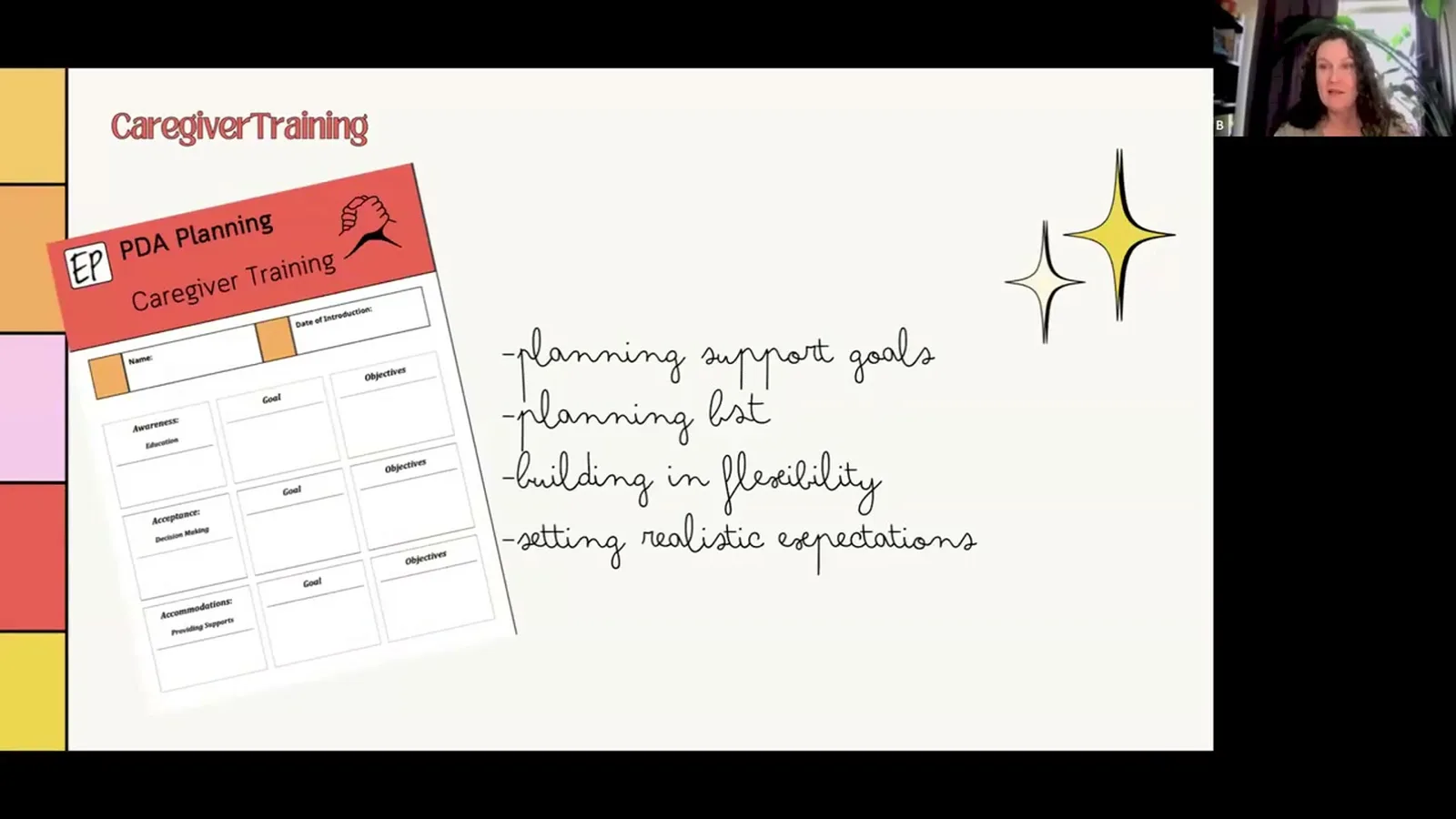
PDA Caregivers, Complex Profiles, Replacement Behaviors, and Being Trauma Informed
The Behaviorist Bookclub

The Supervision Breakthrough: Bringing Empathy to BCBA Supervision Through Behavior Science
Rooted Consultation, LLC
Feedback, Why So Serious? Removing Barriers to Feedback Delivery, Tolerance, Incorporation, and Learner Progress Through a Card-Based System (Part 1)
Upskill ABA
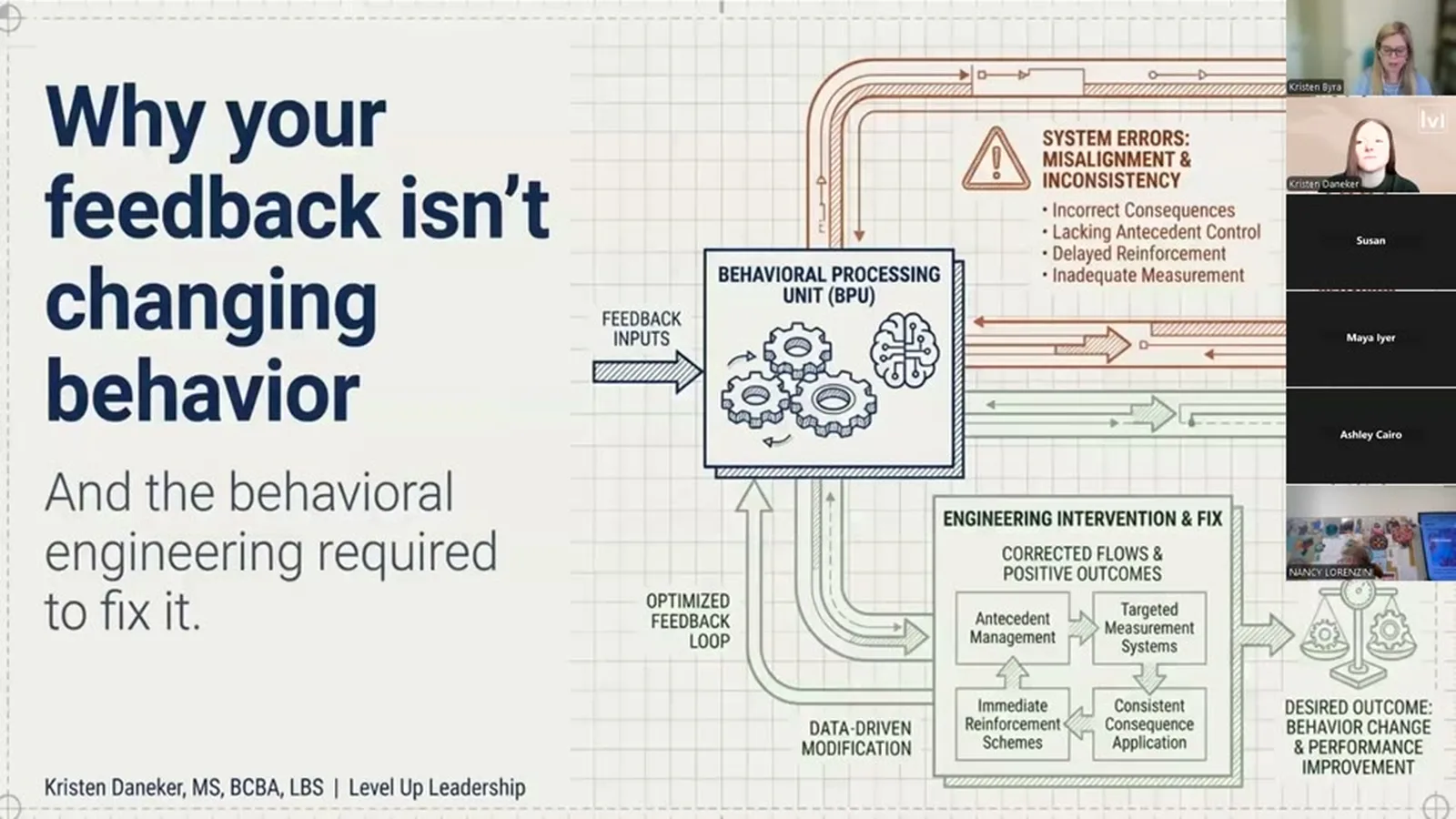
Why Your Feedback Isn't Changing Behavior
Upskill ABA

Shaping Behavior Change when ADHD is in the Picture
The Behaviorist Bookclub
More from Rooted Consultation, LLC

Ethics of Marketing: From a Hustle to the Honest Sell
Rooted Consultation, LLC

Beyond Competence: Using ACT to Cultivate Psychological Flexibility in Behavior Analytic Supervision
Rooted Consultation, LLC

Providing Fieldwork Supervision in a School Setting
Rooted Consultation, LLC
OpenCEU is supported by advertising from third-party sponsors. Sponsors are clearly labeled, have no influence over course content, instructors, or CEU decisions, and never appear on certificates. The BACB does not sponsor, approve, or endorse OpenCEU sponsors or their products.