An Examination of Abuse Prevention
Presented by Tricia Lund & Carolyn Broner
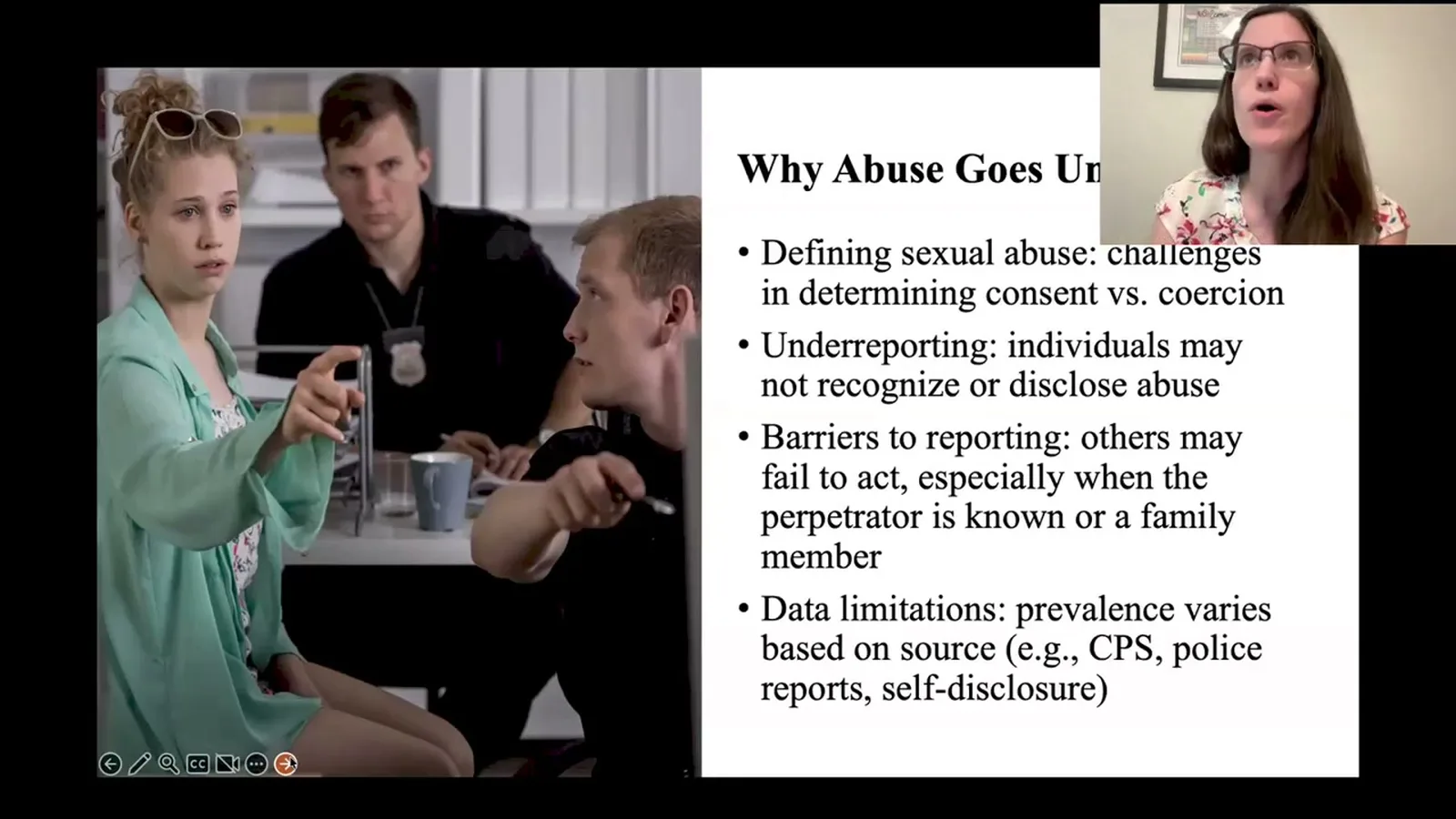
Sexual abuse is one of the most significant safety risks facing individuals with intellectual and developmental disabilities — occurring at a rate five times higher than in the general population. But if the vast majority of perpetrators are people already known to the victim, are we teaching the right skills? This session reviews the data on who is actually perpetrating abuse, examines what the ABA literature has focused on, and invites practitioners to consider whether our current approach is leaving our clients vulnerable.
Register free & watch nowCancel any time. Cert delivered to your inbox the moment you pass the quiz.
Learner ratings
from 12 learners
100% would recommend this CEU to other professionals in their field (8 responses)
“The information was great. When I worked with adults with disabilities, our agency used the Circles program to talk about types of interactions with different people in our lives. They all loved to say "stay out of my purple circle!" However, this presentation's volume cut out on me at about 40 mins. I had to rely on closed captions (which also eventually stopped), a little lip reading, and reading the slides.”
— Lee D.“great and much needed talk. sound went out about 40 mins in”
— Ashley P.“Excellent! Very interesting and informative!”
— Jennifer B.
About this CEU
Sexual abuse is one of the most significant safety risks facing individuals with intellectual and developmental disabilities — occurring at a rate five times higher than in the general population. But if the vast majority of perpetrators are people already known to the victim, are we teaching the right skills? This session reviews the data on who is actually perpetrating abuse, examines what the ABA literature has focused on, and invites practitioners to consider whether our current approach is leaving our clients vulnerable.
What you'll learn
- 1Objectives: Identify the rate of sexual abuse experienced by individuals with IDD compared to the general population. Describe at least two reasons why accurate prevalence data on sexual abuse in individuals with IDD is difficult to establish. Identify the primary perpetrator populations responsible for sexual abuse of individuals with IDD. Explain at least two ways current ABA safety skills training may not reflect the actual risk landscape for individuals with IDD.
Concepts in this CEU
Related talks
Talks that cover the same concepts

It’s Complicated: Teaching Relationship Safety That Reflects Real Life
The Behaviorist Bookclub

Press Pause: What the RBT 40-Hour Training Was Really Meant to Do
Bowsprit Consulting LLC
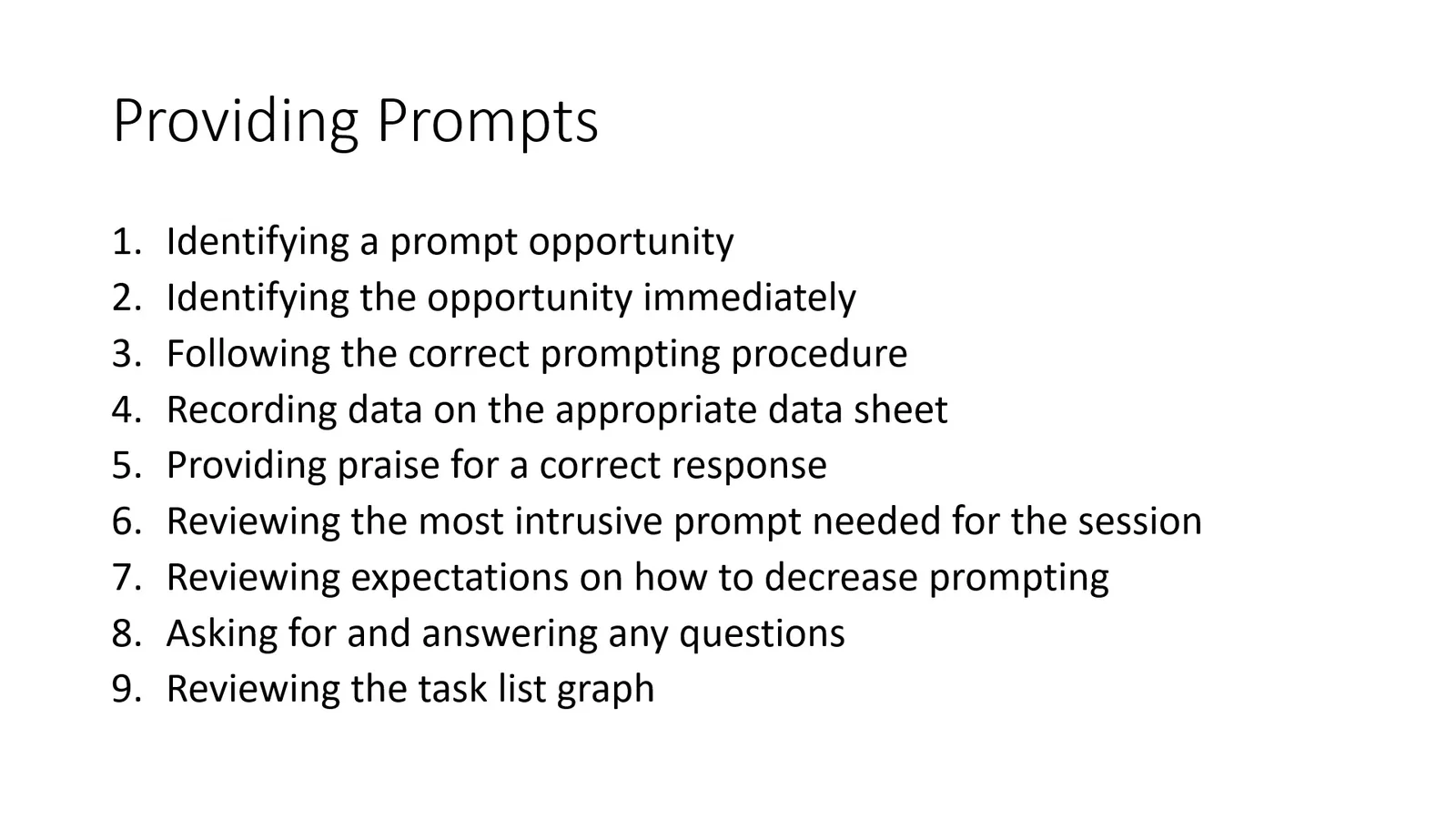
Toward an Evidence-based Supervision Model: Training Students in Independent Fieldwork
Willow Mentorship & Consulting, LLC
From Hours to Competence: Assessing and Developing Supervisee Skills
The Behaviorist Bookclub
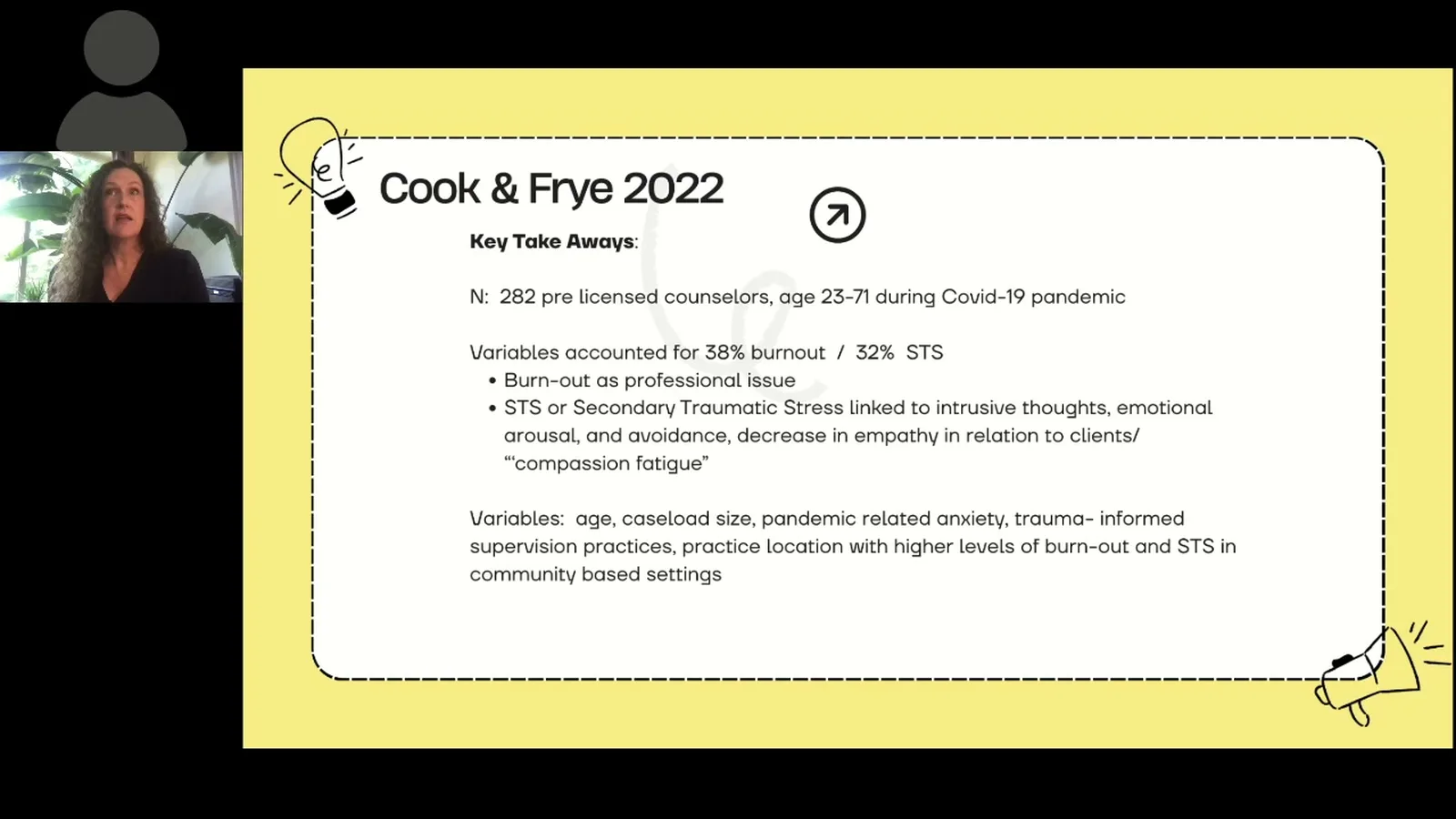
Reflective Supervision and Provider Outcomes in ABA
The Behaviorist Bookclub

Delegating with Confidence: Training and Supervising RBTs to Support Assessments
Copper Consulting Group
More from The Behaviorist Bookclub

Empowering Autonomy and Self-Management in ADHD Learners
The Behaviorist Bookclub
Shaping Behavior Change when ADHD is in the Picture
The Behaviorist Bookclub
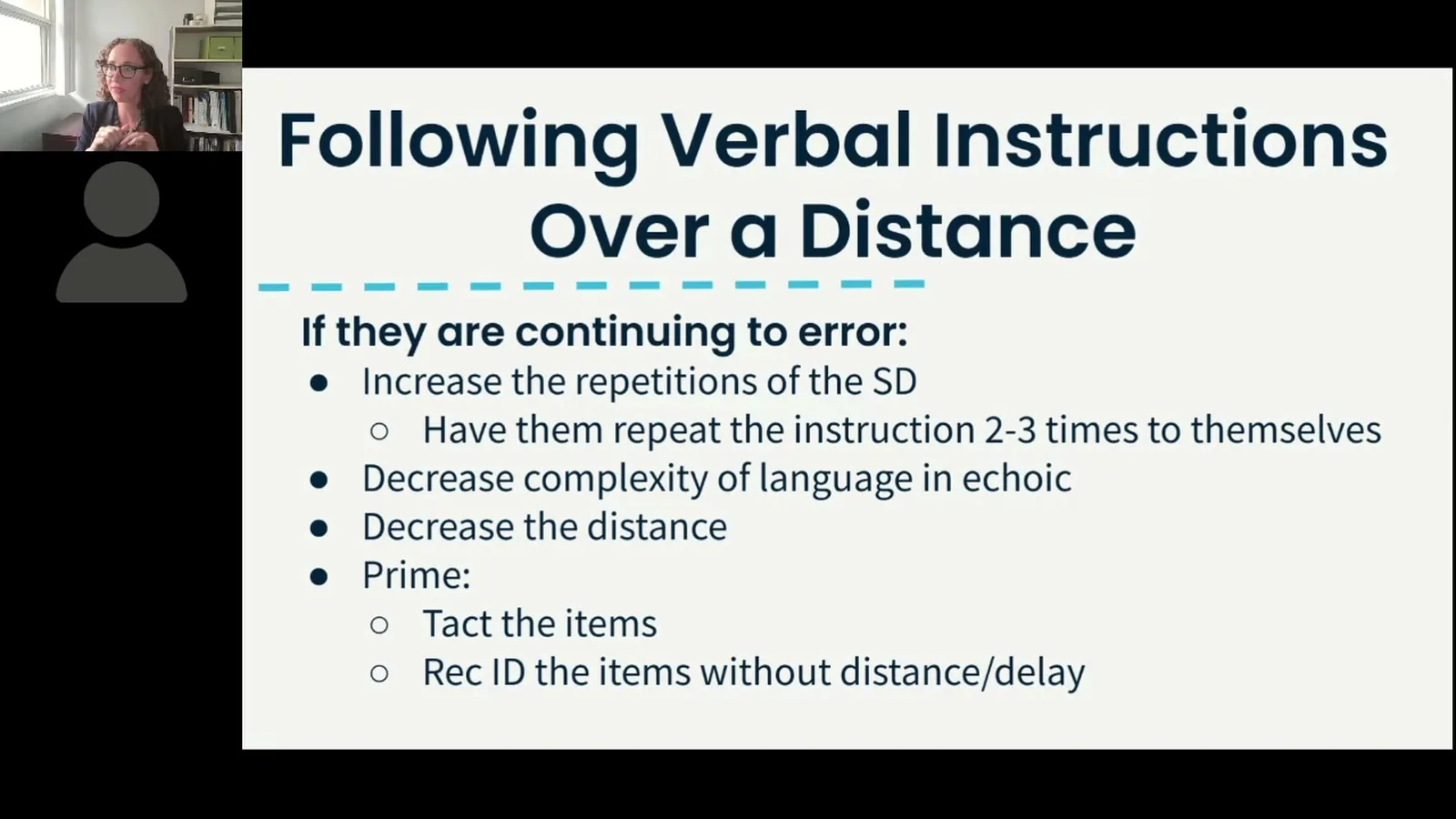
Getting the Right Answer Isn’t Enough: Establishing Speaker–Listener Repertoires for Complex Learning
The Behaviorist Bookclub
OpenCEU is supported by advertising from third-party sponsors. Sponsors are clearly labeled, have no influence over course content, instructors, or CEU decisions, and never appear on certificates. The BACB does not sponsor, approve, or endorse OpenCEU sponsors or their products.