ABA Beyond Autism
Presented by Nicole Parks

This presentation challenges the common misconception that ABA is limited to autism services, making a compelling case for broader applications of behavioral science. Nicole Parks shares her personal and professional journey through varied settings, including psychiatric hospitals and child welfare programs, to illustrate the science’s versatility and impact. Participants are introduced to multiple ABA subspecialties such as clinical behavior analysis, substance use treatment, organizational behavior management (OBM), and pediatric or geriatric health. Through engaging case examples, Nicole demonstrates how core ABA principles—such as reinforcement, shaping, and functional assessment—translate into powerful tools across fields. The session also outlines practical strategies for clinicians to expand their individual scope of competence, including specialized training, interdisciplinary collaboration, and values-based service design.
Register free & watch nowCancel any time. Cert delivered to your inbox the moment you pass the quiz.
Learner ratings
from 66 learners
97% would recommend this CEU to other professionals in their field (35 responses)
“Nicole presented a very interesting topic!”
— Danielle S.“Loved this!”
— Savannah A.“It was very informative in highlighting other avenues for ABA.”
— Scott B.“very interesting and informative”
— Ruma K.
About this CEU
This presentation challenges the common misconception that ABA is limited to autism services, making a compelling case for broader applications of behavioral science. Nicole Parks shares her personal and professional journey through varied settings, including psychiatric hospitals and child welfare programs, to illustrate the science’s versatility and impact. Participants are introduced to multiple ABA subspecialties such as clinical behavior analysis, substance use treatment, organizational behavior management (OBM), and pediatric or geriatric health. Through engaging case examples, Nicole demonstrates how core ABA principles—such as reinforcement, shaping, and functional assessment—translate into powerful tools across fields. The session also outlines practical strategies for clinicians to expand their individual scope of competence, including specialized training, interdisciplinary collaboration, and values-based service design.
What you'll learn
- 1Learning Objectives
- 2Identify at least five subspecialties of ABA beyond autism, including behavioral pediatrics, OBM, substance use, and forensic/clinical behavior analysis.
- 3Describe how core ABA principles (e.g., reinforcement, shaping, functional analysis) are applied in non-traditional settings such as psychiatric hospitals, fitness apps, and foster care systems.
- 4Explain the behavioral foundations of protocols such as ACT, behavioral activation, functional analytic psychotherapy, and contingency management.
- 5Evaluate the practical barriers and ethical considerations of expanding practice beyond insurance-funded ASD services.
- 6Apply strategies for expanding scope of practice, including interdisciplinary networking, certification in adjacent fields, and mentorship or residency-style supervision.
Concepts in this CEU
Related talks
Talks that cover the same concepts
New Year, New Care Collab Goals
The Behaviorist Bookclub
PDA: What it is and What it isn't
The Behaviorist Bookclub
Prosocial in the Workplace
The Behaviorist Bookclub
Hey, Chillax Man! Understanding the Logic of Anxiety
The Behaviorist Bookclub
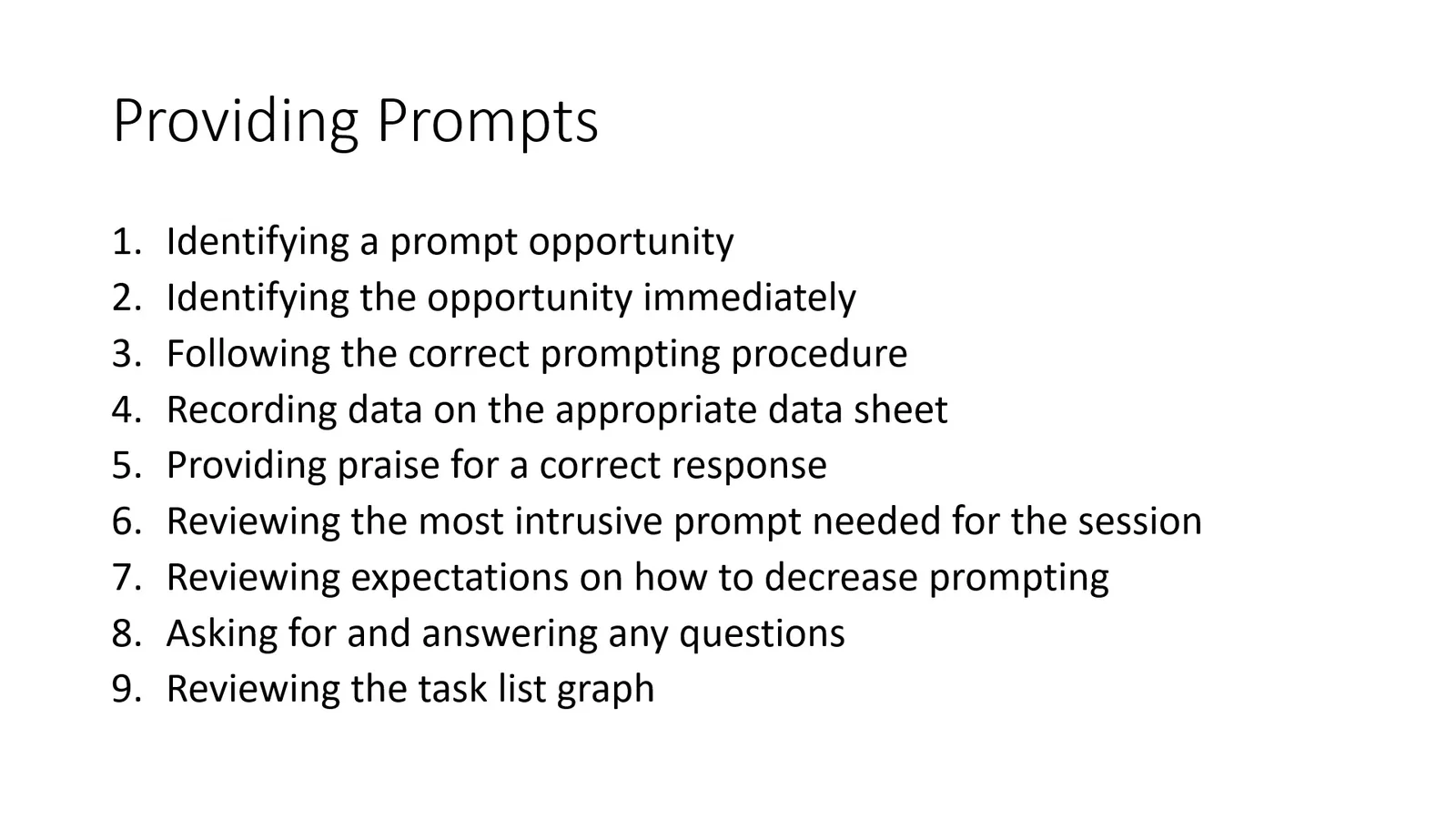
Empowering Autonomy and Self-Management in ADHD Learners
The Behaviorist Bookclub
Toward an Evidence-based Supervision Model: Training Students in Independent Fieldwork
Willow Mentorship & Consulting, LLC
More from The Behaviorist Bookclub
Shaping Behavior Change when ADHD is in the Picture
The Behaviorist Bookclub
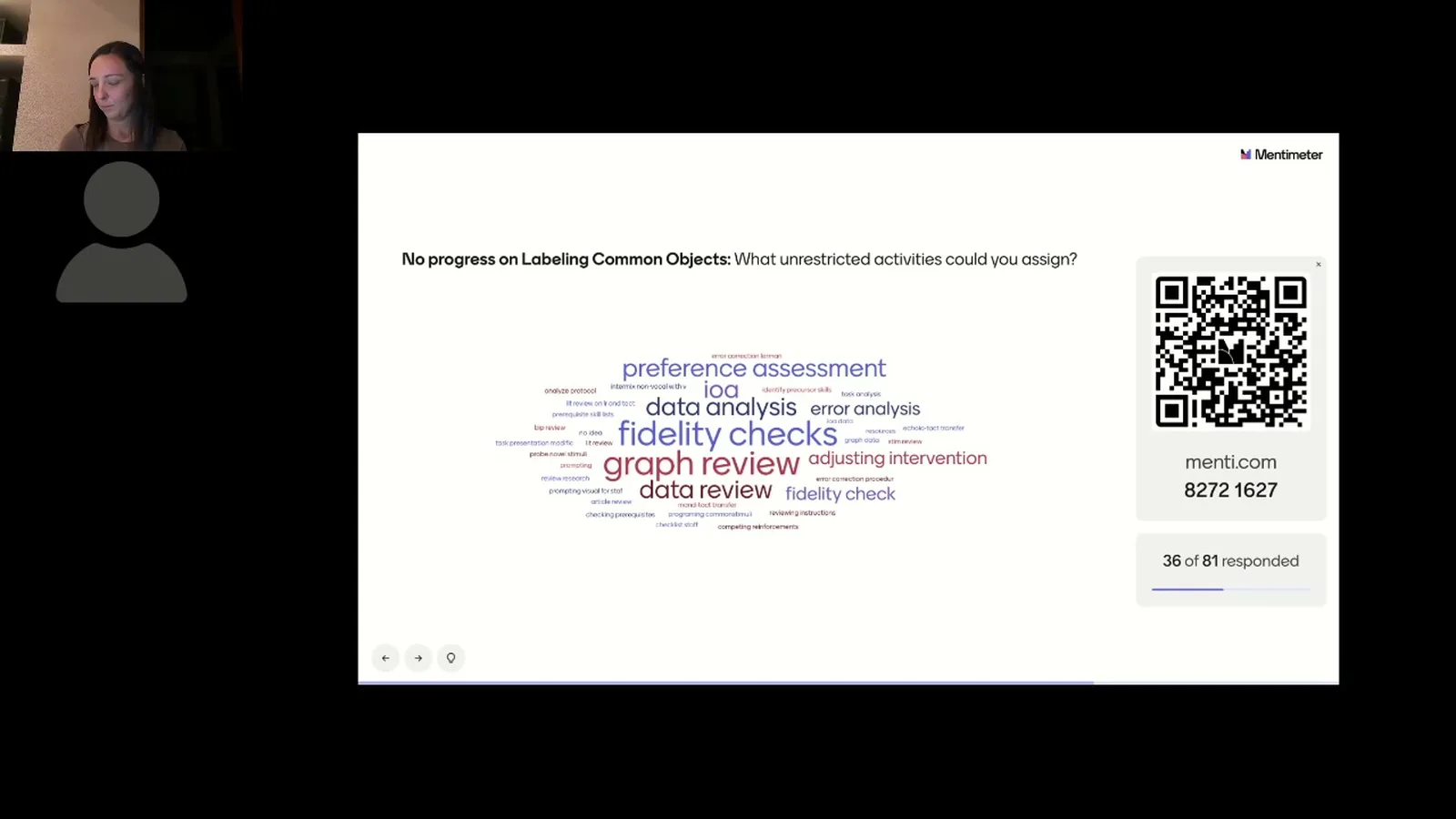
From Hours to Competence: Assessing and Developing Supervisee Skills
The Behaviorist Bookclub
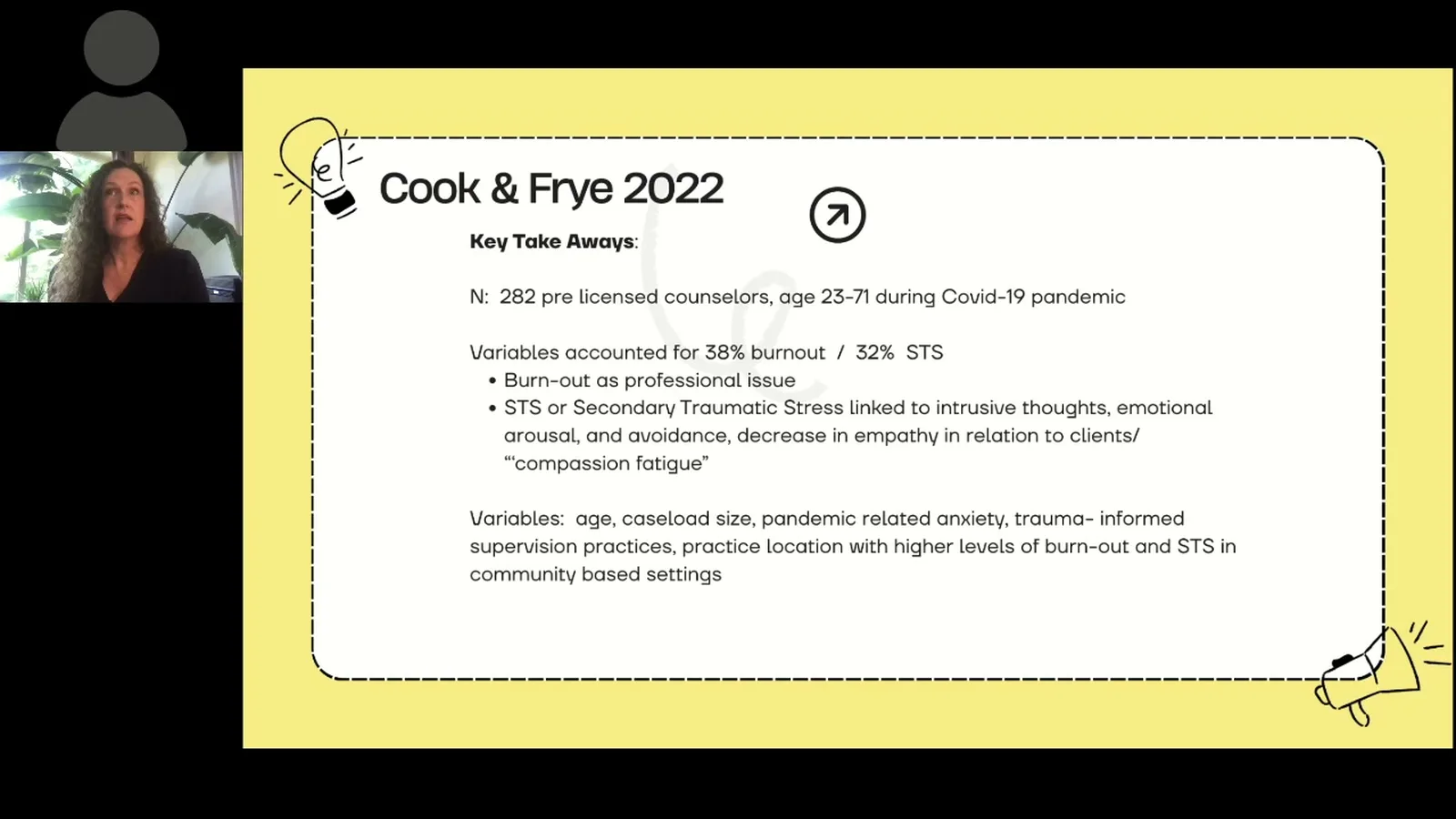
Reflective Supervision and Provider Outcomes in ABA
The Behaviorist Bookclub
OpenCEU is supported by advertising from third-party sponsors. Sponsors are clearly labeled, have no influence over course content, instructors, or CEU decisions, and never appear on certificates. The BACB does not sponsor, approve, or endorse OpenCEU sponsors or their products.