Cultural Humility in ABA Practice
Cultural humility in ABA is a lifelong habit of self-reflection. Learn how experts use it to serve diverse families and reduce bias.
Key takeaway
Cultural humility is a way of working with families that starts with you. You admit you do not know everything about another person's culture. Then you stay curious and keep checking your own views.

Cultural Considerations in ABA Clinical Practice
Experts who cover this
3 recordings on openceu cover cultural humility.
- Featured talk1 Ethics CEU
Cultural Considerations in ABA Clinical Practice
Mackenzie SandlerThe Behaviorist Bookclub
Mackenzie defines cultural humility as an ongoing self-directed practice rather than a checkbox: constantly evaluating your own behaviors, perspectives, and…
- 1 CEU
New Year, New Care Collab Goals
Matt HarringtonThe Behaviorist Bookclub
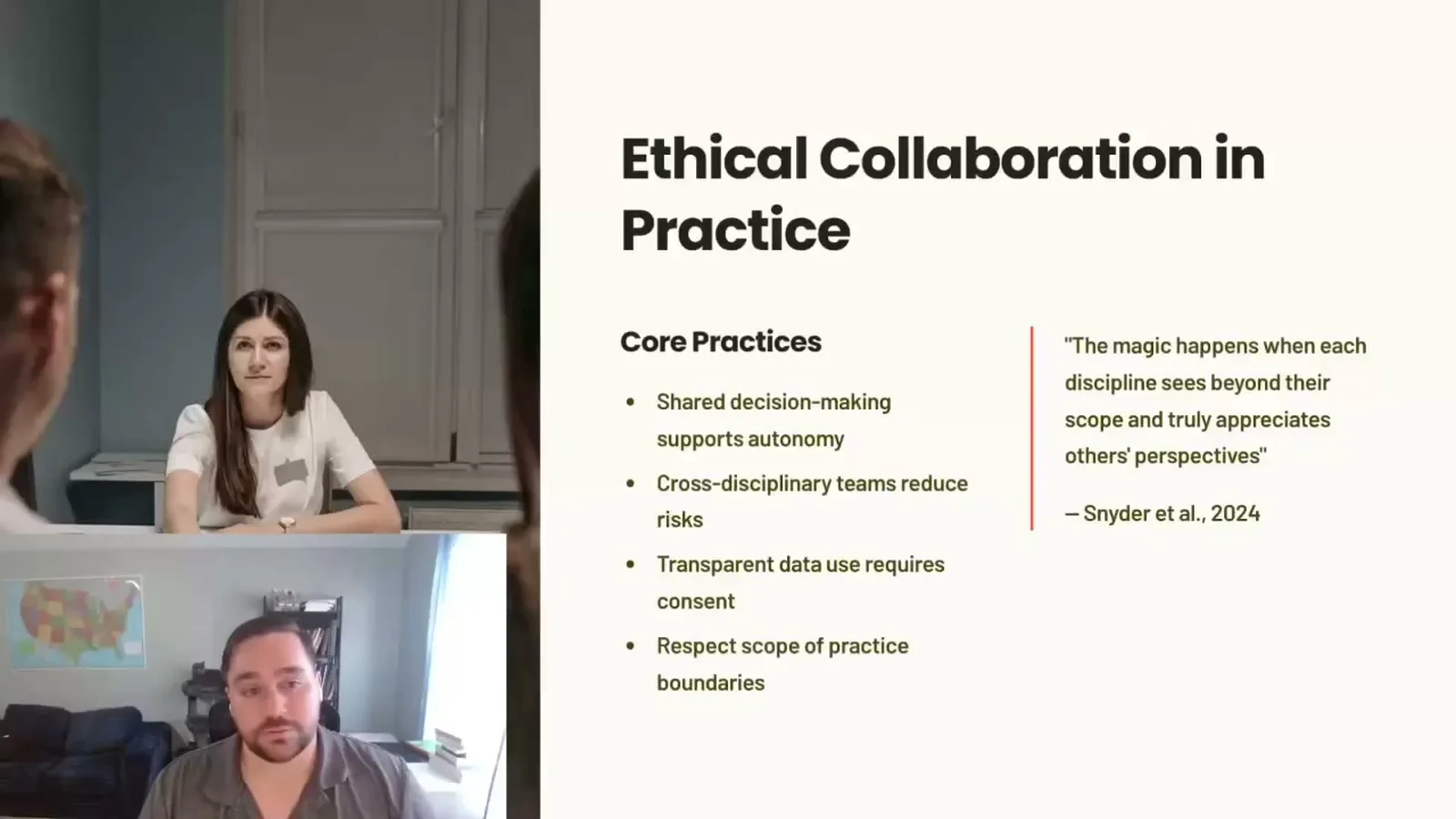
Named as a core component of caregiver-centered collaboration and again as a strategy for overcoming language/literacy barriers with bilingual families…
- 1 Ethics CEU
Dunder Mifflin’s Guide to BCBA Ethics: Lessons from The Office
Mellanie PageThe Behaviorist Bookclub
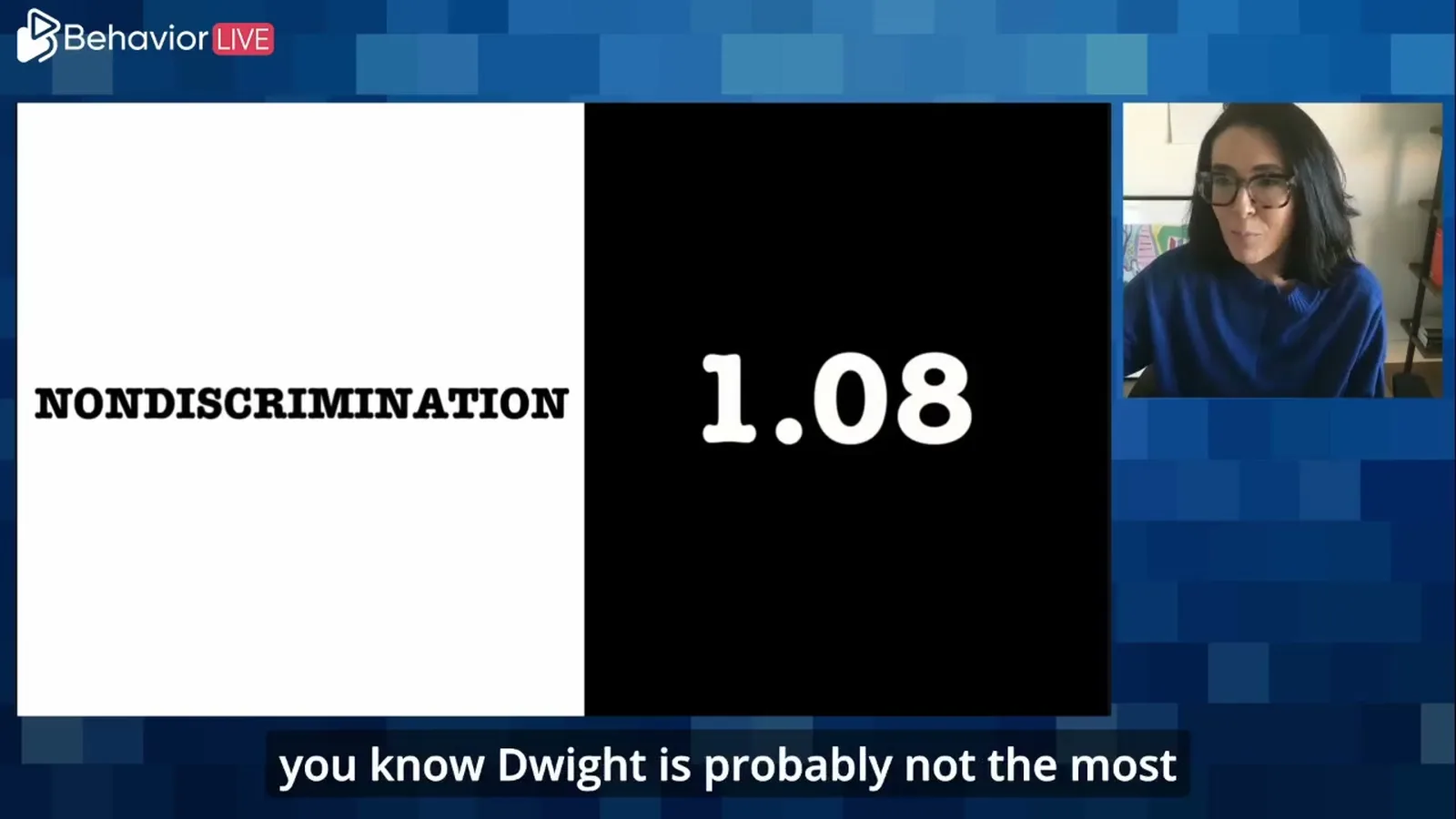
Discussed within the non-discrimination scenario as approaching families' cultural differences with curiosity rather than assumed knowledge, reinforced through…

On this page · 9 sections▾
Cultural humility is a way of working with families that starts with you. You admit you do not know everything about another person's culture. Then you stay curious and keep checking your own views.
This matters in applied behavior analysis (ABA), the therapy often used with autistic kids. Families come from many backgrounds. They speak different languages and hold different beliefs. When you assume you already understand them, you can miss what they need. Cultural humility keeps you honest and keeps care fair. It is a mindset, not a one-time training you can check off.
It starts with looking at yourself#
Several experts agree on one thing. Cultural humility is lifelong work. No single class covers it. Mackenzie Sandler, a board certified behavior analyst (BCBA), calls it ongoing work. You watch your own actions, views, and biases over time.
She makes the point plain in her talks. You never reach a finish line where you know enough. Instead, you keep asking hard questions about yourself. That self-check is the core of the whole idea. It keeps you from treating one family's needs as a rule for all.
cultural humility really is a lifelong commitment to self evaluation and critique.
From the talk — Mackenzie Sandler
Curiosity beats assumed knowledge#
Mellanie Page teaches this through everyday ethics stories. Her main tip is simple. You do not know everything about everyone. So you ask questions with curiosity instead of judgment.
This shift changes how sessions feel. Instead of guessing what a family believes, you ask. Instead of correcting a difference, you accept it. That respect builds trust, and trust makes therapy work better. It also lowers the chance of a plan that clashes with the family's values.
Cultural humility, right? We don't know everything about everyone or their differences. And so, accepting those and understanding and asking with curiosity and not judgment.
From the talk — Mellanie Page
Families are the experts on their own lives#
Matt Harrington frames cultural humility as part of real teamwork with caregivers. Parents know their child and their home best. Your job is to share decisions with them.
In his talk, Harrington lists the pieces of good collaboration. They are shared decision making, open data sharing, family expertise, cultural humility, and clear documentation. He tells clinicians to zoom in hardest on cultural humility and documentation.
He pairs cultural humility with clear records for a reason. When you write down what a family values, the whole team stays on the same page. Good notes protect the family's wishes over time.
Language and culture can block care#
 Advertisement
Some families speak a first language other than English. Others read at a different level. These gaps can stop a good plan from working at home.
Harrington names practical fixes for this. Use translation services offered through insurance. Use simple words and clear pictures. Choose materials that fit the family's culture. Ask which language the family prefers for anything written. Small changes here make a big difference in follow-through. A parent who understands the plan can actually carry it out at home.
Bias reaches into supervision too#
Cultural humility is not only about clients. It also shapes how you mentor new staff. Sandler points out that your biases can touch the people you train.
She asks behavior analysts to check their views of supervisees and trainees. She includes colleagues in that same check. Everyone brings a unique self to the work. When you respect that, you build a fairer team. This idea grows even more when you supervise people with disabilities.
we want to evaluate our own biases, our own abilities to address the needs of individuals with diverse needs and backgrounds, because everyone is their own unique self.
From the talk — Mackenzie Sandler
What the research says#
The published work backs up what these experts teach. A scoping review, a study that maps what past research covers, looked at decades of ABA studies (Wright, 2019). The review coded 226 articles from one major journal, covering the years 1982 to 2020. Across 1,888 participants, only age and gender were reported most of the time. Race, income, and primary language were reported for fewer than 20 percent of participants. When we do not describe who we study, we cannot say a method works for everyone.
Another paper focuses on culture and language in autism services (Hernandez et al., 2023). It ties cultural humility to national standards for fair, clear care. It also gives steps for training, practice, and supervision.
Research on intervention materials shows why plain handouts matter (Martinez & Mahoney, 2022). Handouts often fail when they do not match a family's culture. The tutorial teaches analysts how to adapt documents so caregivers can actually use them.
A fourth paper extends the idea to supervision (Ecko Jojo, 2023). It calls for disability-affirming training for supervisees. It argues that respect and skill must reach the people we mentor as well as our clients.
Culturally sensitive materials in daily work#
The research points to a clear action. Match your tools to the family in front of you. A worksheet that ignores a family's language will sit unused.
That means checking the reading level of your handouts. It means using visuals that make sense to that home. It also means asking families what fits and what does not. Ethics stories like Dunder Mifflin's Guide to BCBA Ethics: Lessons from The Office show how these choices play out in real cases.
Turning humility into habits#
None of this works as a one-time task. You build small routines that keep you honest. You pause before a session and ask what you might be assuming. You invite feedback from families and act on it. When a family pushes back on part of a plan, you treat that as useful data. Their answer tells you where the plan and their values do not line up yet.
You also write things down so the whole team stays aligned. Care planning talks like New Year, New Care Collab Goals show how shared goals and cultural humility fit together. Over time these habits become second nature.
Frequently asked questions#
What is the difference between cultural competence and cultural humility?
Cultural competence sounds like a skill you master and finish. Cultural humility never ends. It treats learning about other people as lifelong work. You keep checking your own bias instead of claiming you know enough. Many experts prefer the humility framing because it stays open.
How do behavior analysts practice cultural humility day to day?
Start with self-reflection before and after sessions. Ask families about their values and let them help make decisions. Use translation help, plain language, and materials that fit their culture. Write down what matters to each family. Then keep checking your own views, including views about the staff you train.
Why does cultural humility matter in ABA specifically?
ABA serves diverse families, but access and outcomes are not always equal. Research shows studies often fail to report race, income, or language. That gap makes it hard to know if methods fit everyone. Cultural humility pushes practitioners to notice bias and close those gaps. The result is fairer, more useful care.
 Advertisement
Turn this topic into a CEU
You just studied this. Now get credit for it.
Watch Cultural Considerations in ABA Clinical Practice with Mackenzie Sandler and earn 1 free BCBA CEU. Detailed certificate, delivered the moment you finish.