Skill Acquisition & Teaching CEUs for BCBAs
Teaching new skills: target selection, teaching procedures, generalization, and maintenance.
Talks

Beyond Table Work
ABA Collective / Camber

Rad N Bad: The Middle Ground of NET — Escaping the Babysitting Trap with Rigorous Natural Environment Teaching
Hickory Learning Group

Rad N Bad: Beyond the Blue Square — Demystifying Discrete Trial Training, Stimulus Control, and Generalization for RBTs
Hickory Learning Group

NET in the Wild Natural Environment Teaching & In-Vivo Data Collection
Hickory Learning Group

Press Pause: What the RBT 40-Hour Training Was Really Meant to Do
Bowsprit Consulting LLC

Empowering Autonomy and Self-Management in ADHD Learners
The Behaviorist Bookclub

The Use of Matrix Training to Teach Multi-Component Tacting Through Telehealth
Copper Consulting Group

Shaping Behavior Change when ADHD is in the Picture
The Behaviorist Bookclub
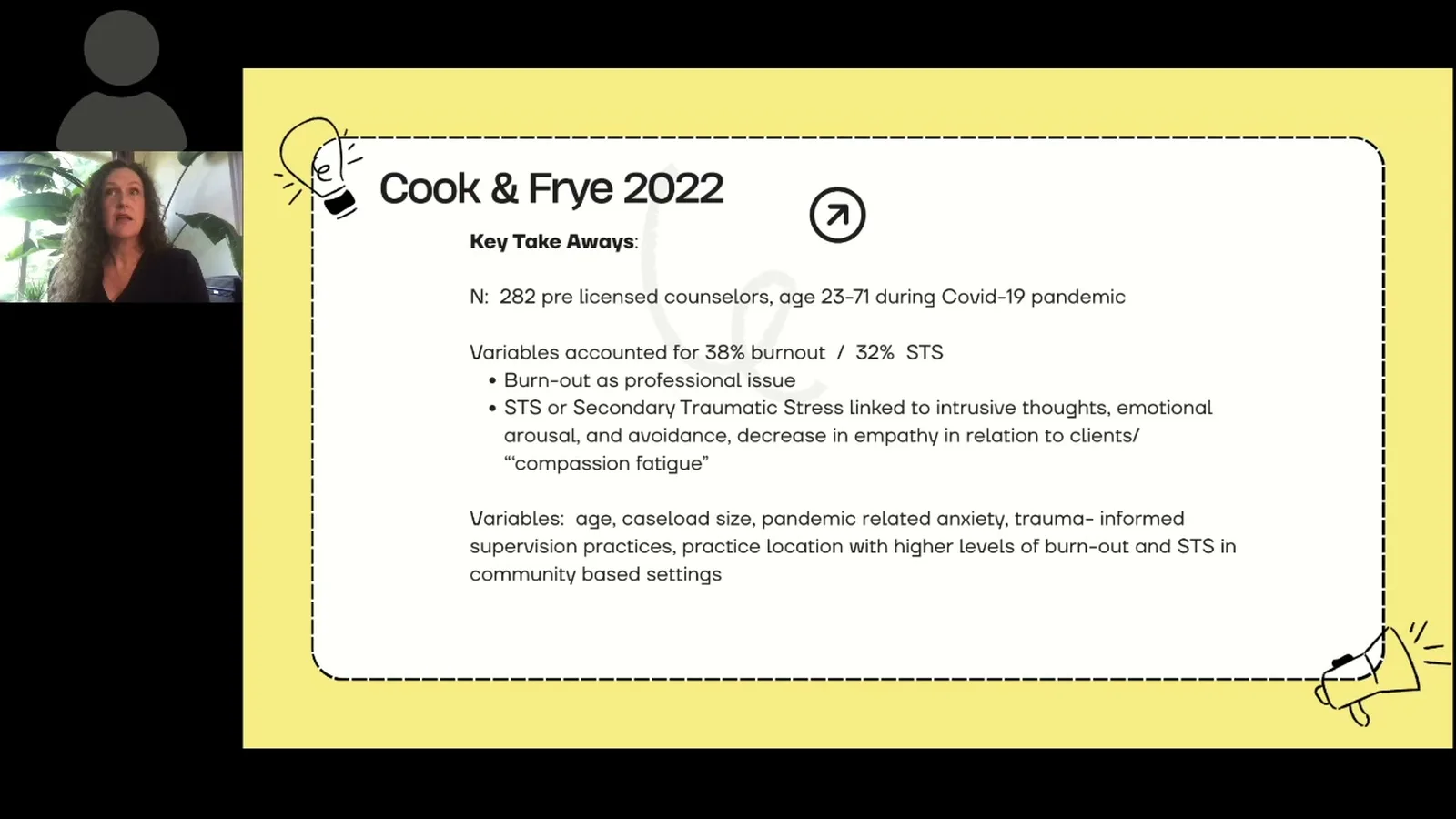
Reflective Supervision and Provider Outcomes in ABA
The Behaviorist Bookclub

The Interdisciplinary Case Conference
The Mindful Learner LLC

Teaching RBTs to Think Clinically: Training In-the-Moment Decision Making
Copper Consulting Group
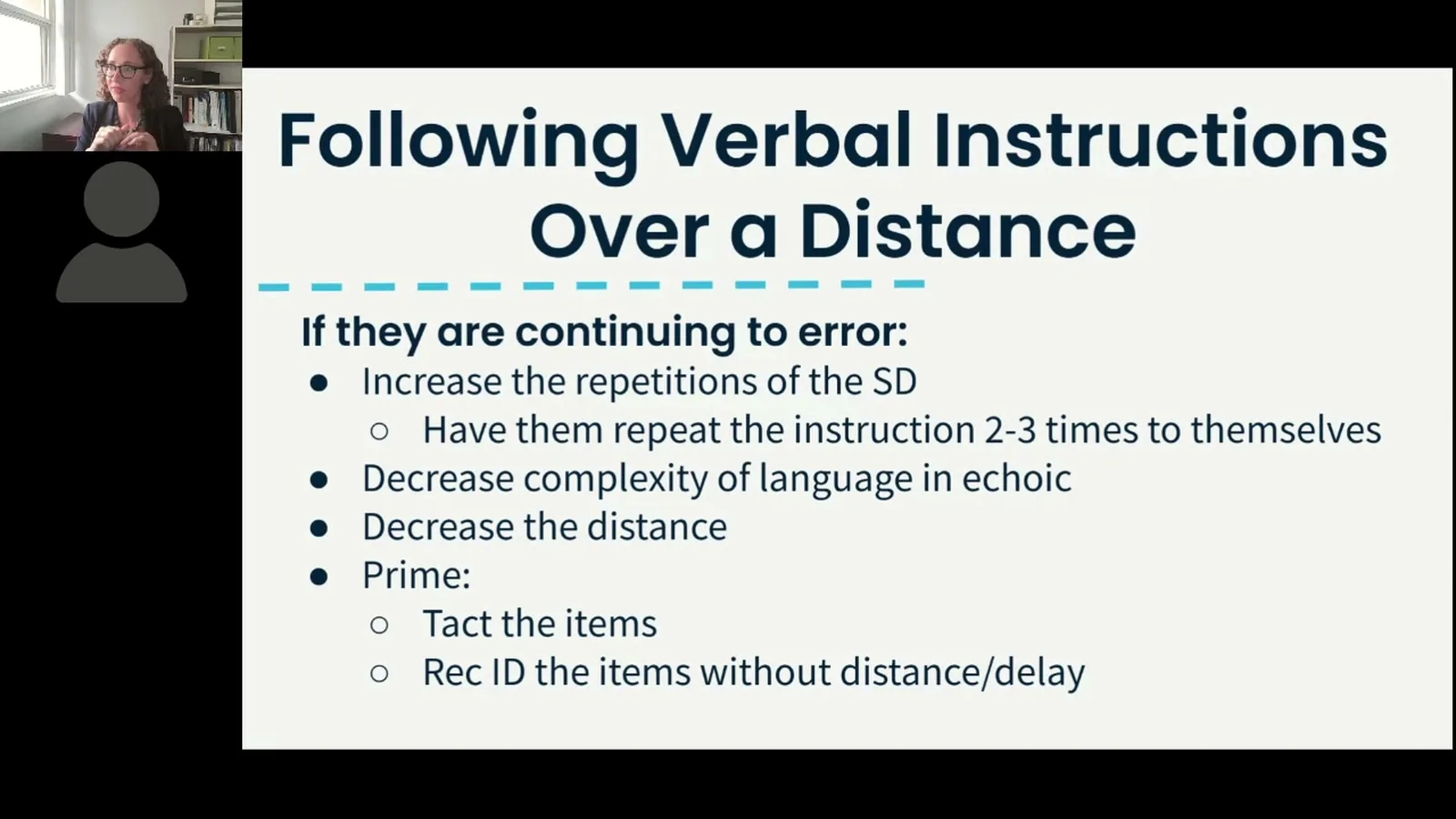
Getting the Right Answer Isn’t Enough: Establishing Speaker–Listener Repertoires for Complex Learning
The Behaviorist Bookclub

Multiple Exemplar Instruction (MEI): Training for Generalization
Copper Consulting Group

Treatment Integrity Is Not a Checkbox: Building Meaningful Fidelity Systems
Copper Consulting Group
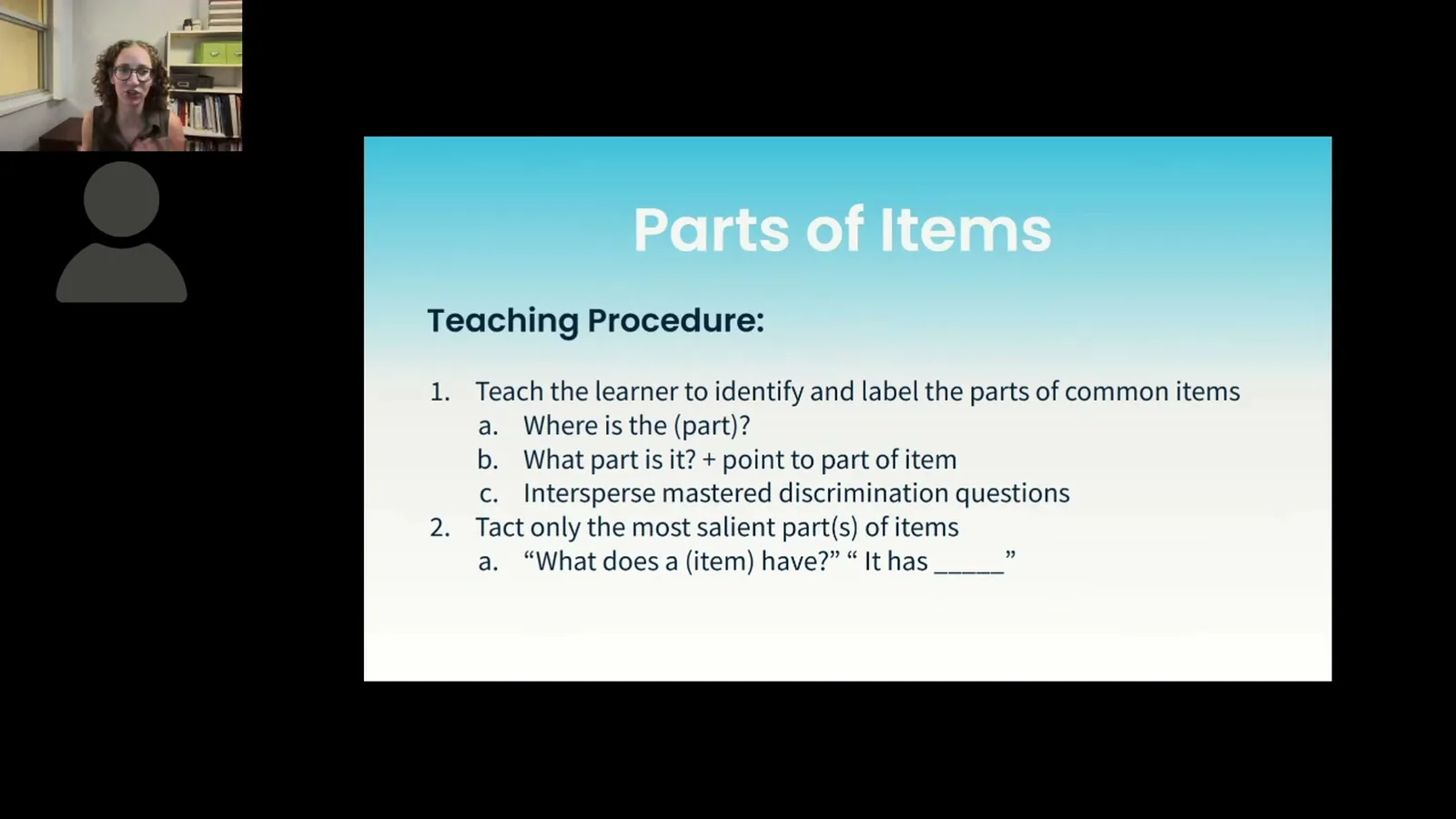
Teaching WH-Questions Isn’t Enough: Building True Conditional Discrimination
The Behaviorist Bookclub

Rad N Bad: DTT Is Not a Permanent Residence — Integrating Discrete-Trial and Naturalistic Teaching for Generalization
Hickory Learning Group

genArete: To Teach or not to Teach!
The Behaviorist Bookclub

Child Development for BCBAs- Age 9-11
The Behaviorist Bookclub

Article Club: Using Deposit Contracts and Reinforcement Thinning to Increase Physical Activity
Achieve Behavior Partners

It’s Complicated: Teaching Relationship Safety That Reflects Real Life
The Behaviorist Bookclub
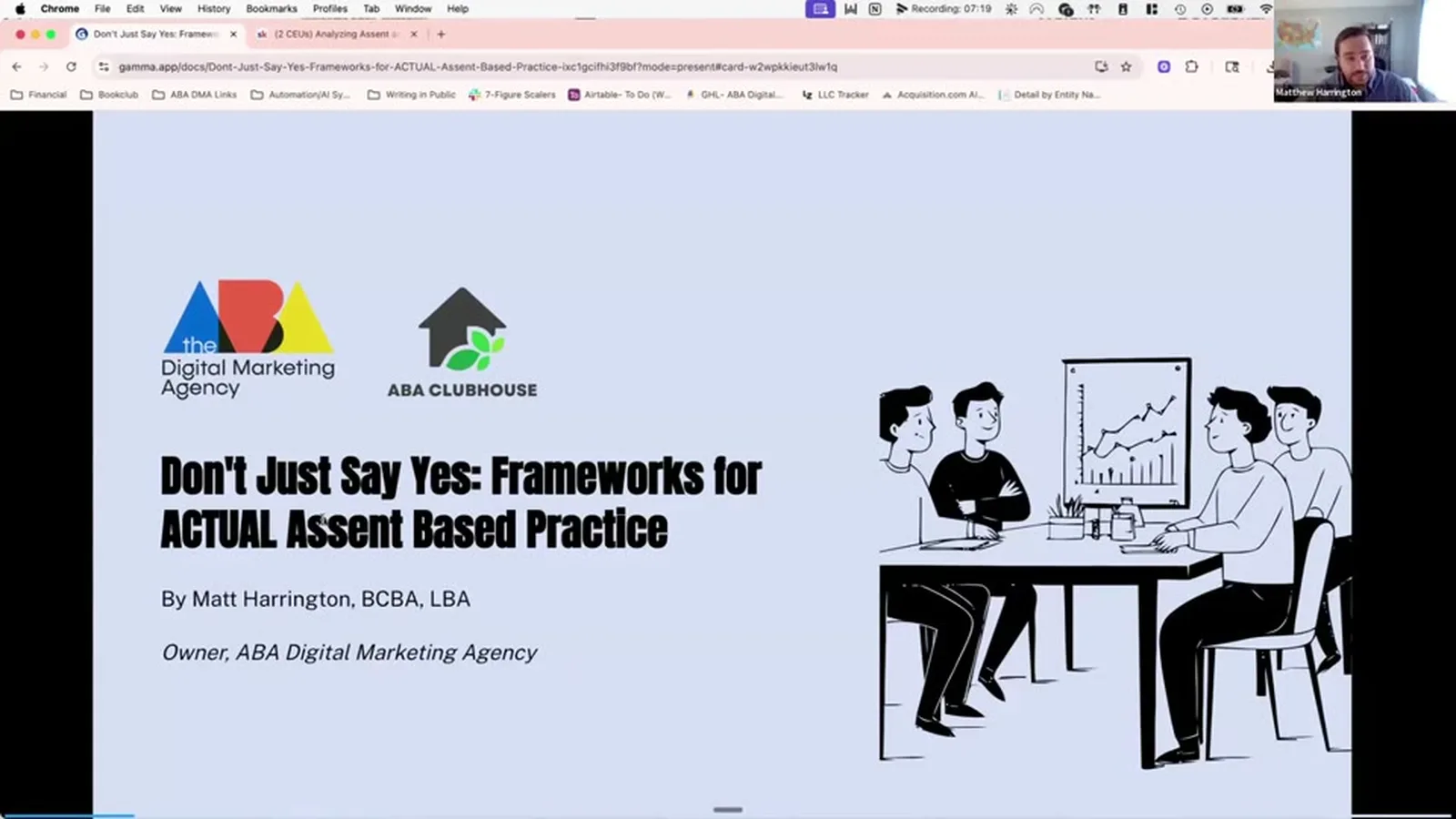
Assent: Don't just say Yes!-
The Behaviorist Bookclub
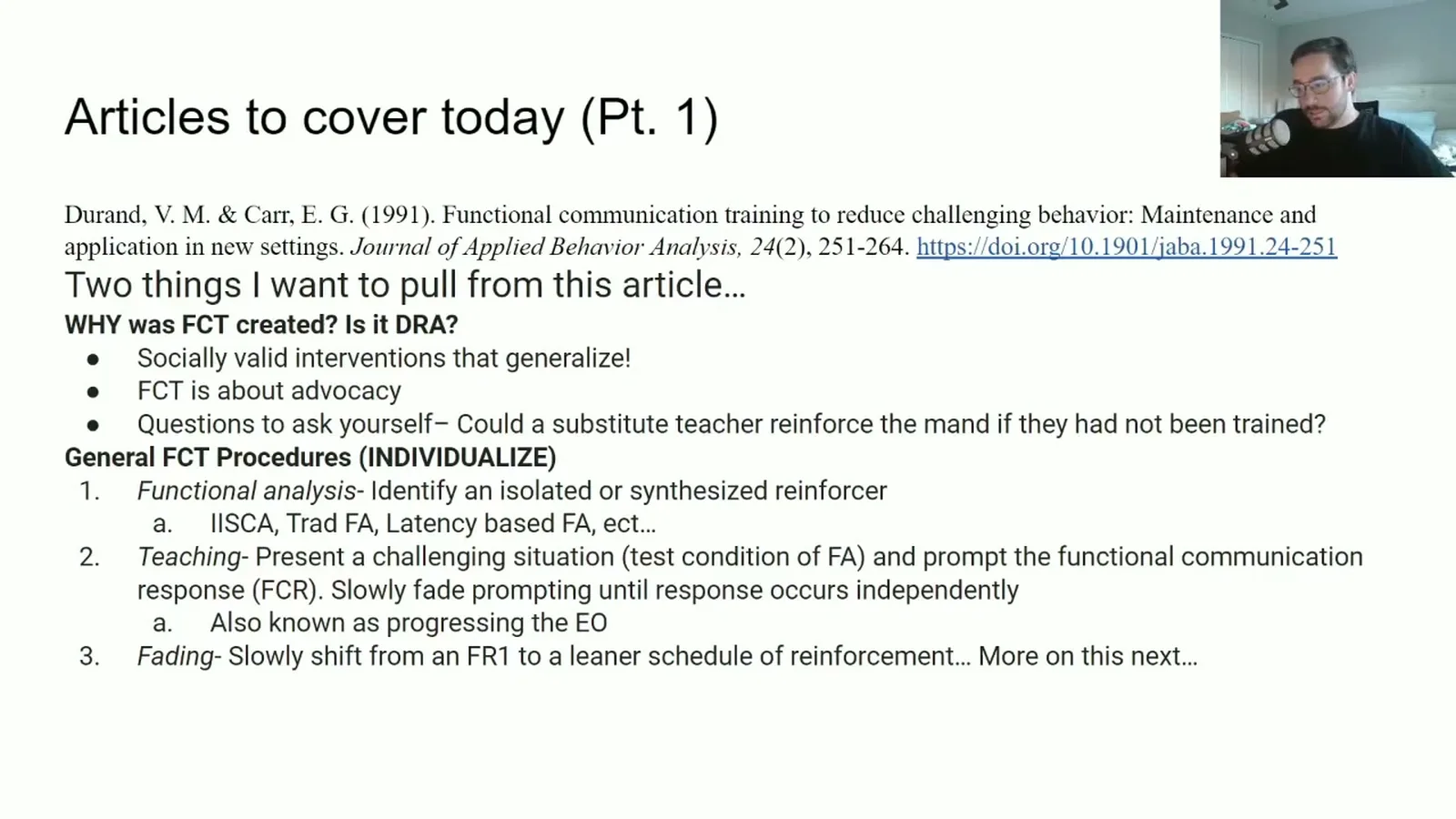
5 Days of Manding Mastery
The Behaviorist Bookclub
Dunder Mifflin’s Guide to Training and Onboarding: Lessons from The Office
The Behaviorist Bookclub
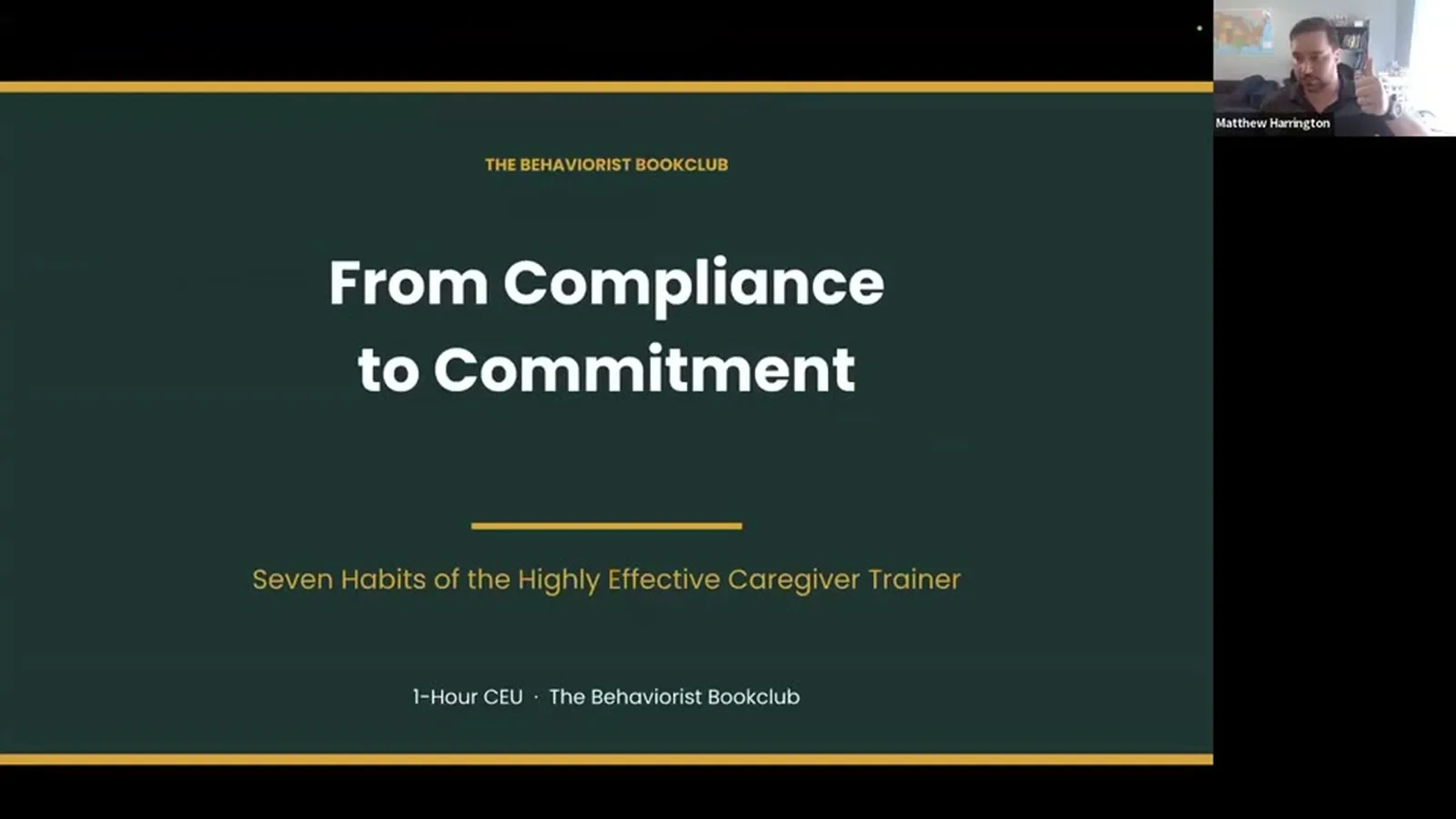
Compliance to Commitment: Seven Habits of the Highly Effective Caregiver Trainer
The Behaviorist Bookclub
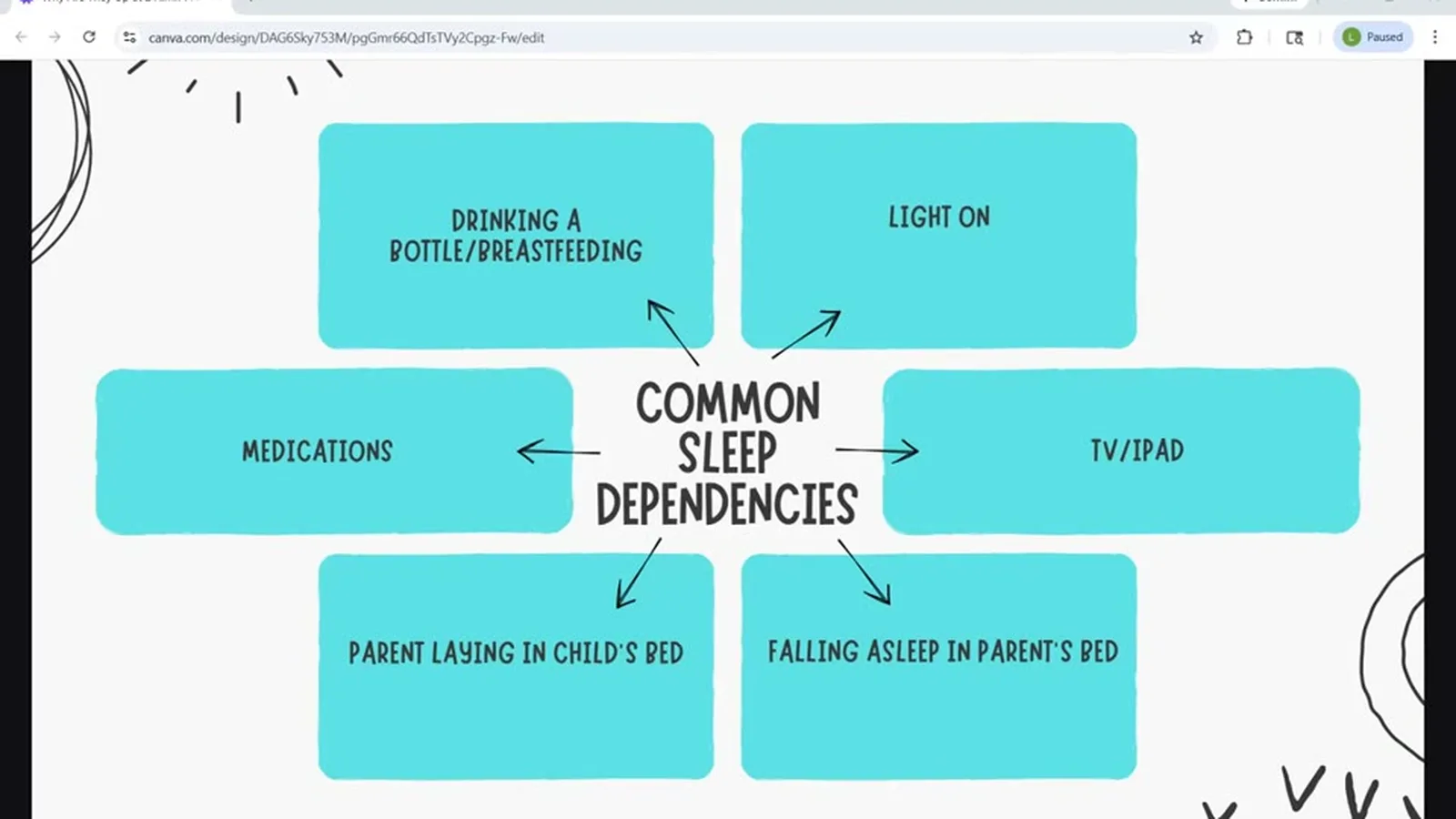
Why are they Waking up at 2 AM?
The Behaviorist Bookclub
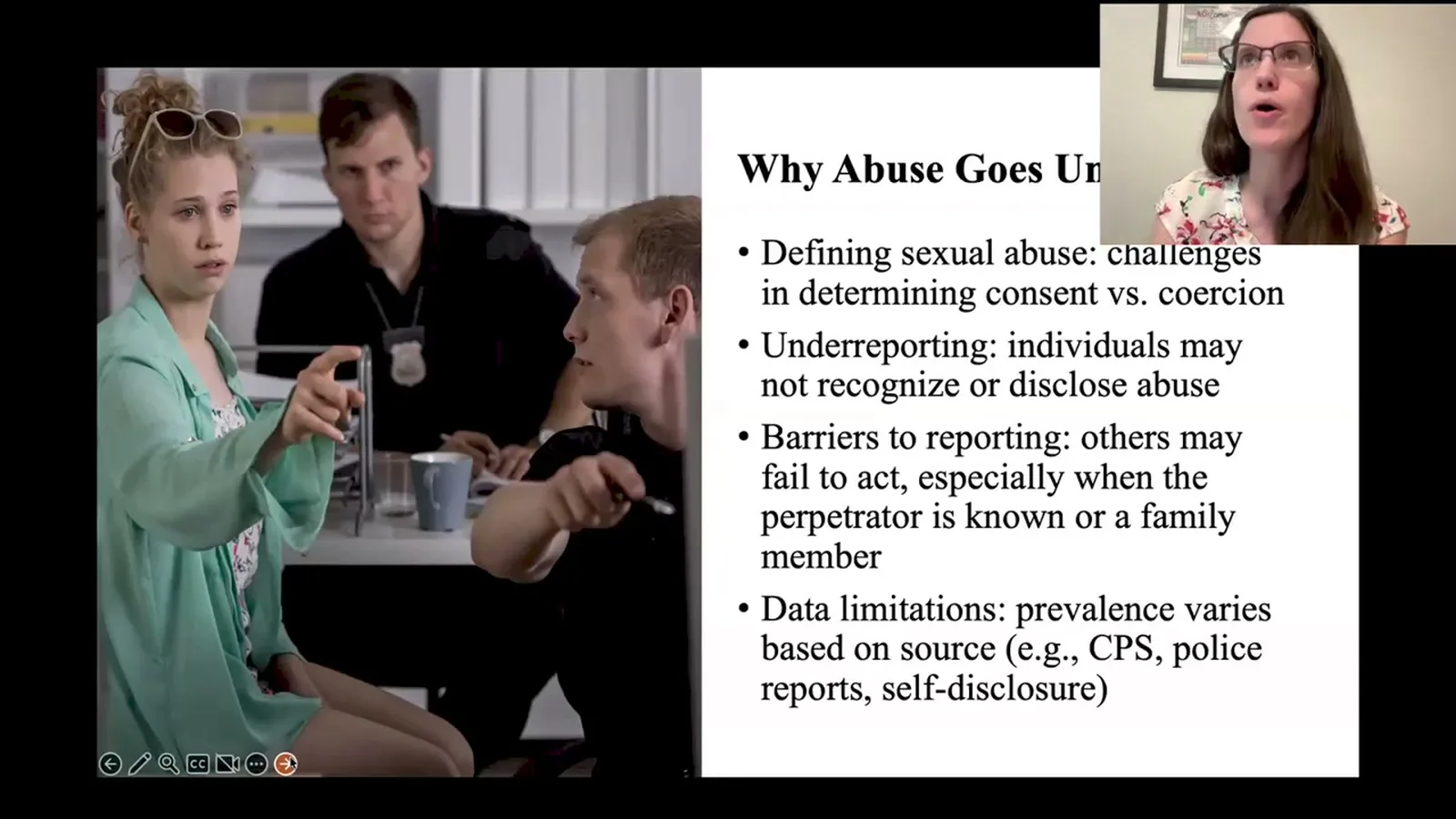
An Examination of Abuse Prevention
The Behaviorist Bookclub
The Math Behind Behavior Reduction
The Behaviorist Bookclub
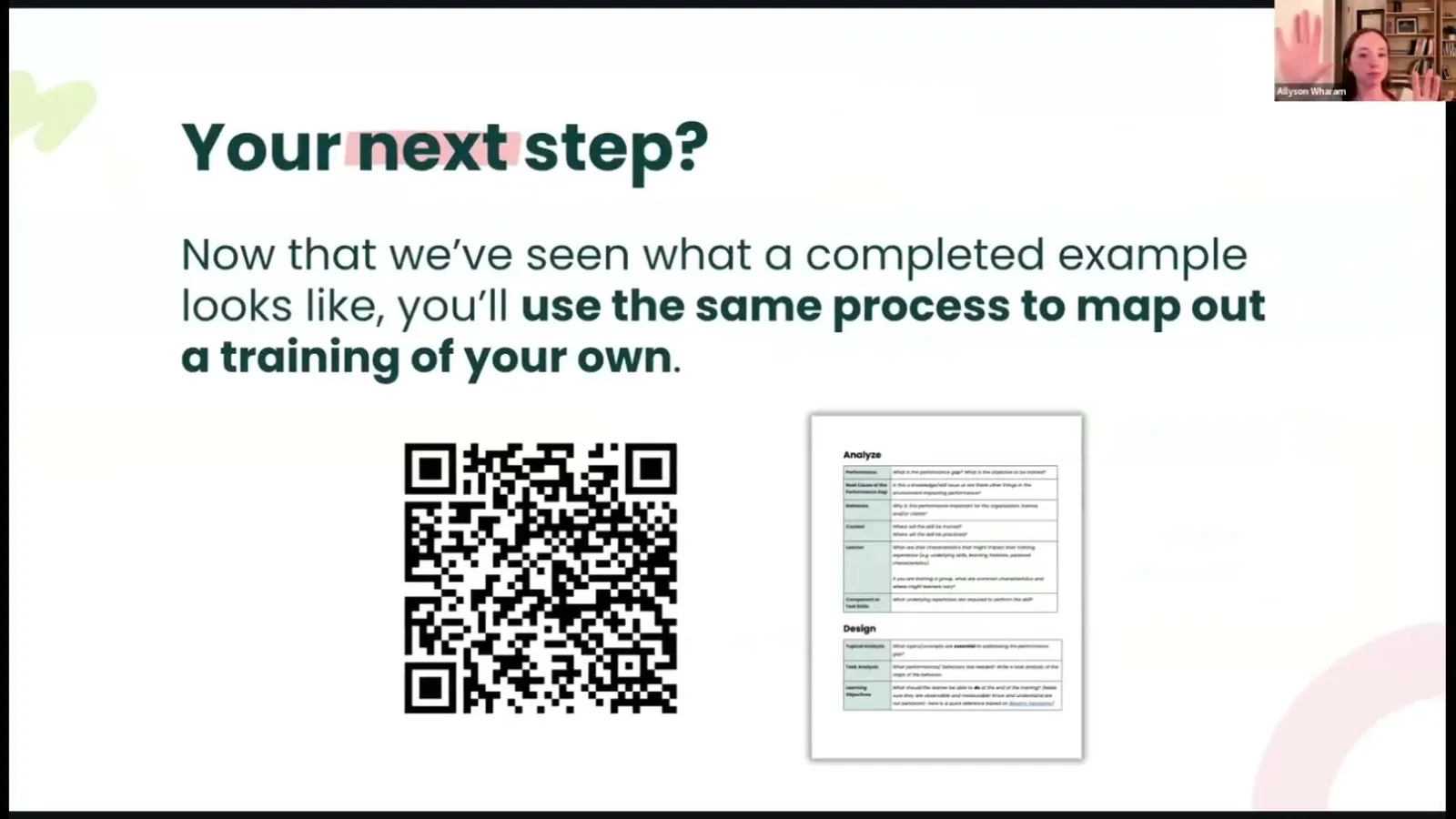
Design Smarter: Using Instructional Design to Improve Staff and Stakeholder Training
The Behaviorist Bookclub
Prediction and Probabilities: Three foundational equations to successful behavior reduction
The Behaviorist Bookclub
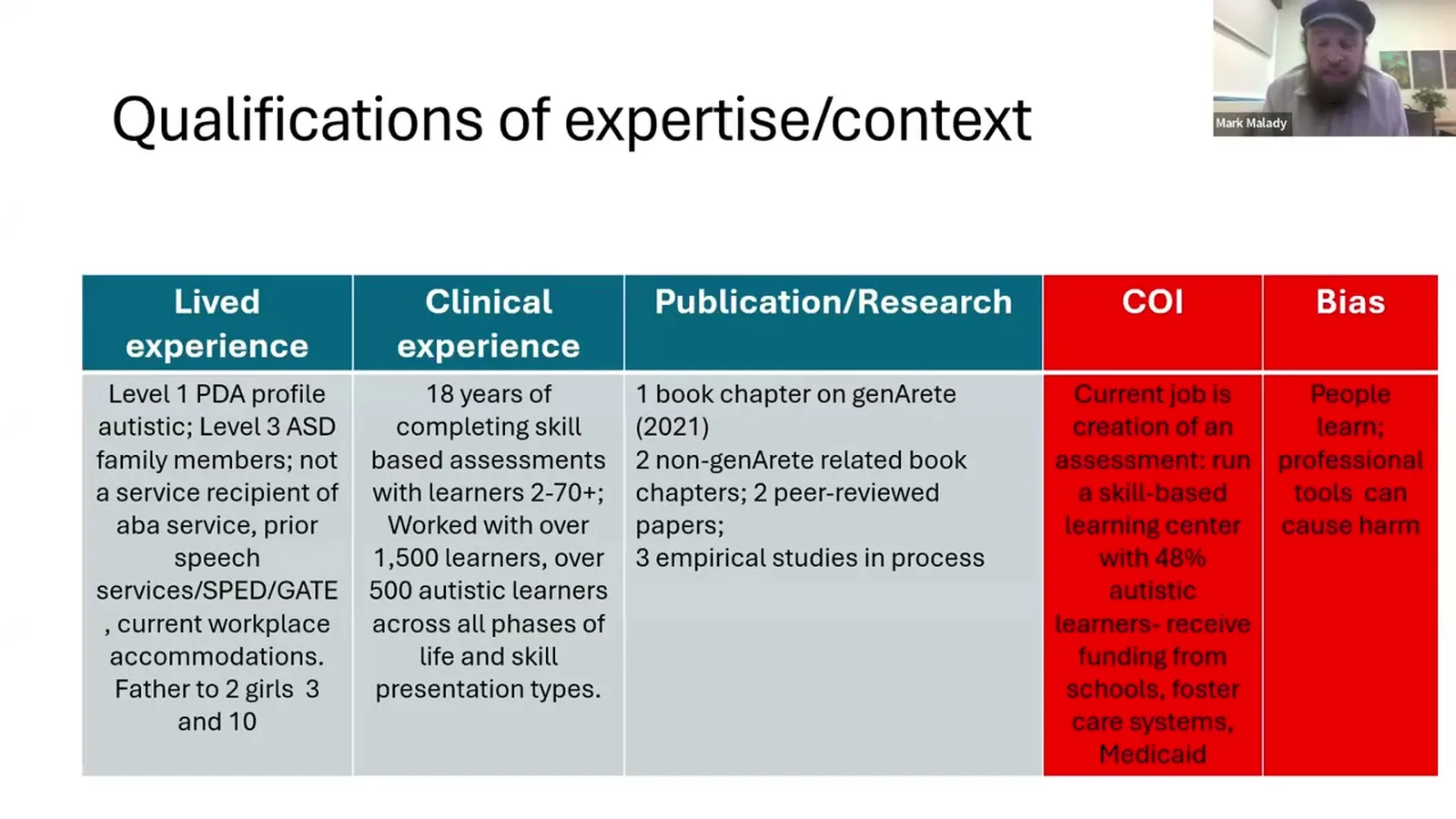
Generate: Learner Centered Skill Assessments
The Behaviorist Bookclub
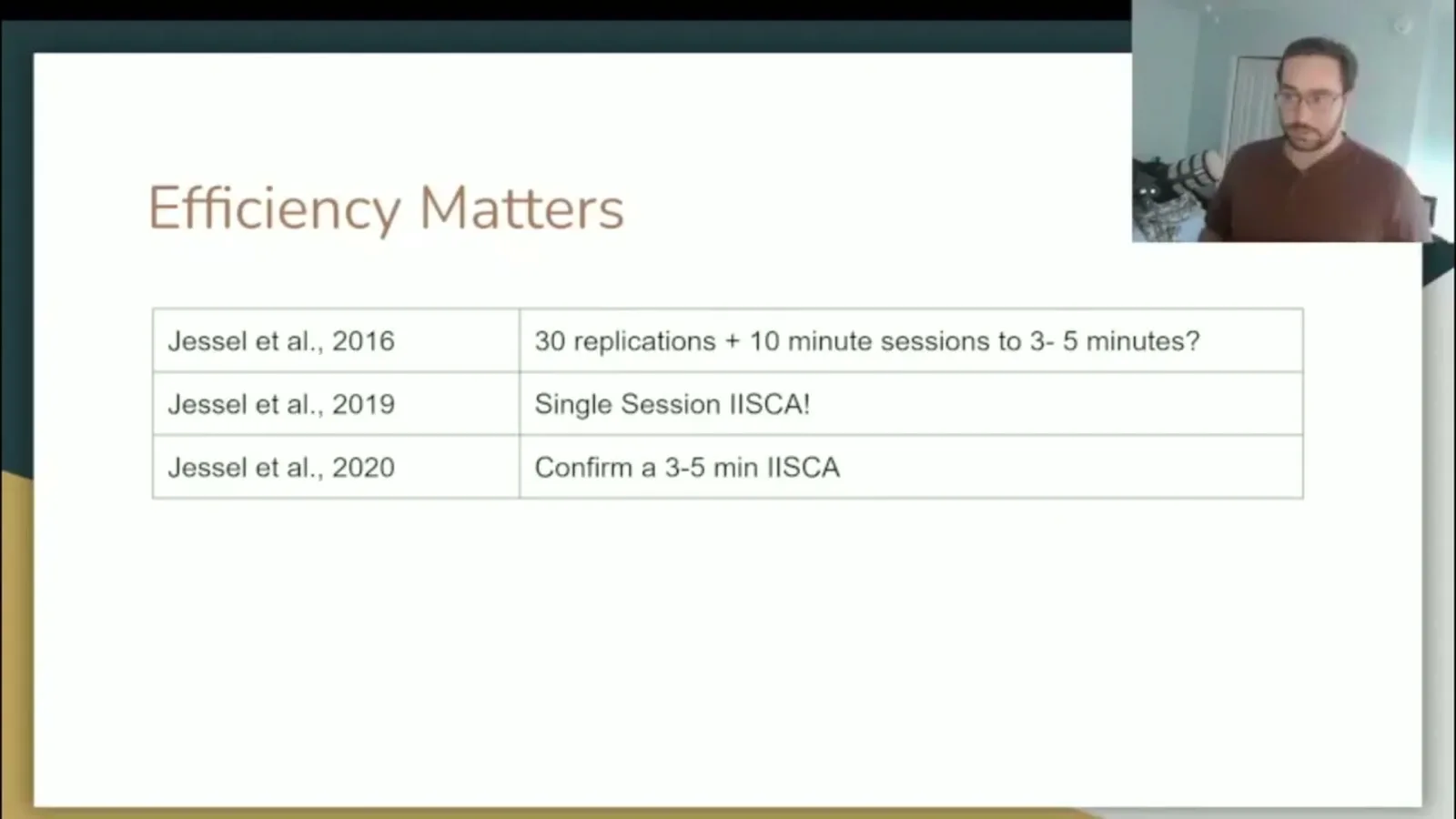
12 days of PFA & SBT
The Behaviorist Bookclub
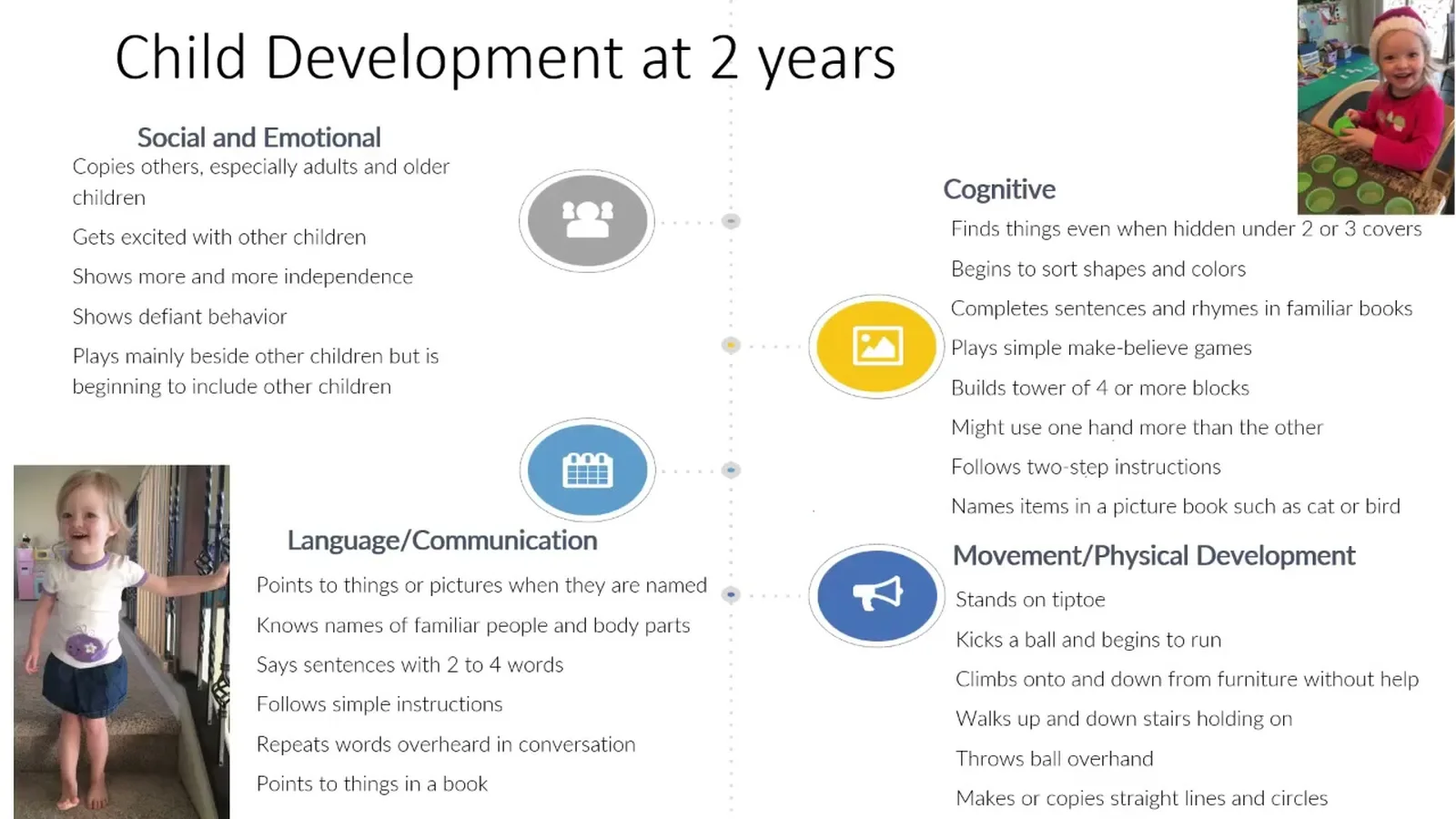
Child Development for Behavior Analysts
The Behaviorist Bookclub
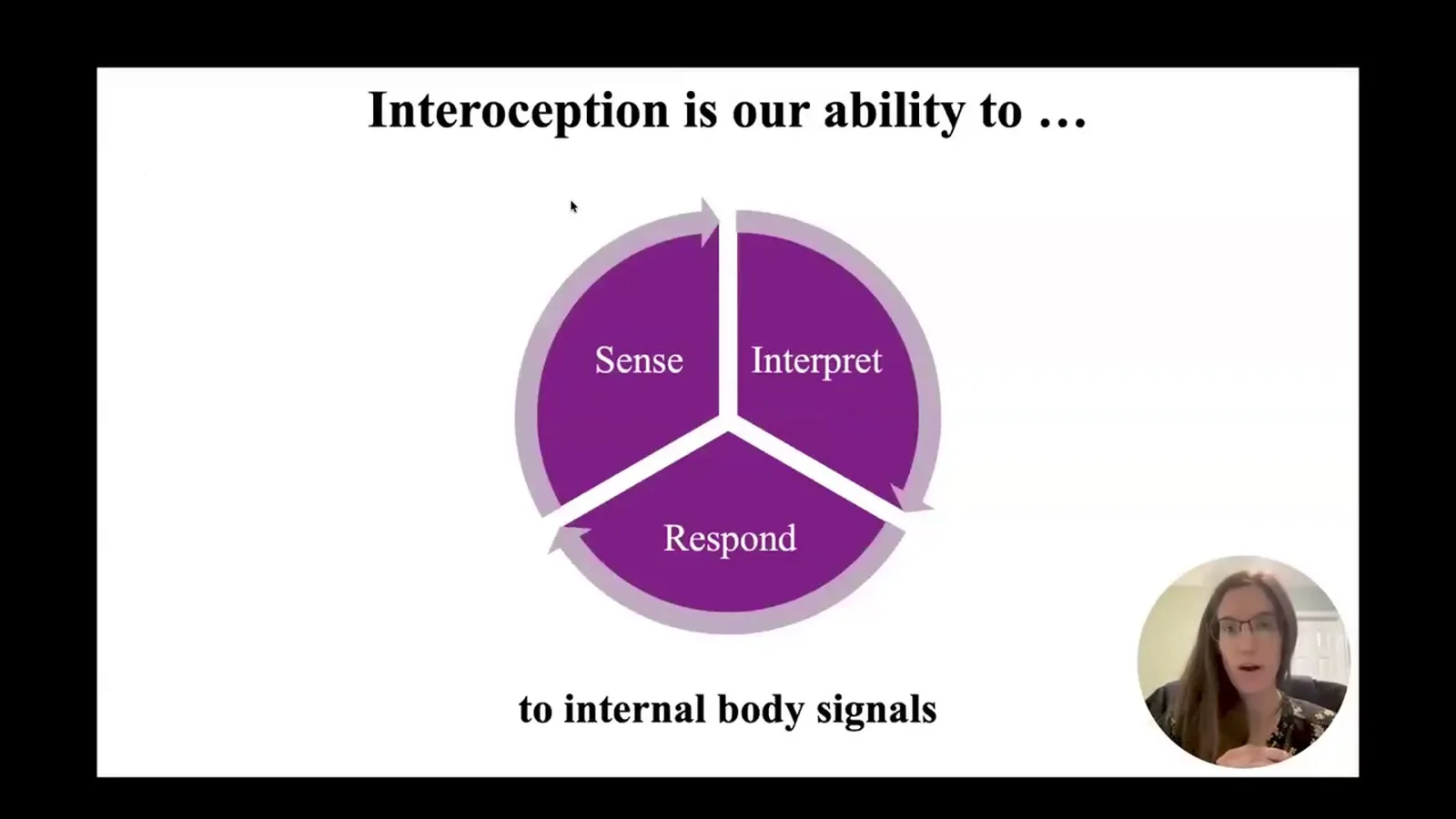
What Does Your Body Know? Teaching Individuals with IDD to Recognize Internal Warning Signs
The Behaviorist Bookclub

genArete: Learner-Centered Skill Assessment
The Behaviorist Bookclub
Child Development Deep Dive: Early Childhood (2-5 year olds)
The Behaviorist Bookclub

Rad N Bad: Your Programming Sucks, Let's Make It Better — Individualized Goals, Layered Skills, and Generalization by Design
Hickory Learning Group

Article Club: Treatment Integrity Errors During Discrete Trial Instruction
Achieve Behavior Partners

Rad N Bad: Collaboration or Collision — Interdisciplinary Coordination of Care and Generalization in ABA
Hickory Learning Group

Rad N Bad: Parent Buy-In as a Clinical Variable — Caregiver Training, Generalization, and Least-Restrictive Service Design
Hickory Learning Group
Key concepts
All 34 Skill Acquisition & Teaching guides →Plain-English guides written from the transcripts of the talks above.
- generalizationGeneralization in ABA: Making Skills Last Beyond Therapy
Generalization in ABA means a skill shows up with new people, places, and materials. See how BCBAs program for it from day one.
- shapingShaping in ABA: Building Behavior One Small Step at a Time
Shaping in ABA reinforces small steps toward a goal. See how BCBAs pick step size, adjust criteria, and build skills without force.
- motivating operationsMotivating Operations (MOs): How BCBAs Use Them
A motivating operation changes how much a reinforcer is worth right now. See how BCBAs read, track, and use MOs with learners, families, and staff.
- prompt fadingPrompt Fading in ABA: How to Remove Help the Right Way
Prompt fading is the planned removal of extra help so a learner acts on their own. Learn fading methods, pacing, and what to do when a prompt gets stuck.
- discrete trial trainingDiscrete Trial Training (DTT): A Tool, Not the Whole of ABA
What discrete trial training is, how each trial is built, where DTT works best, and why experts say it should be a ladder learners climb off of.
- natural environment teachingNatural Environment Teaching (NET) in ABA, Explained
Natural environment teaching (NET) builds planned lessons into play and daily routines. Learn what makes it real teaching and how BCBAs and RBTs use it.
- multiple exemplar trainingMultiple Exemplar Training: Teaching Skills That Stick
Multiple exemplar training teaches with varied examples so skills carry over to new people, places, and materials. See how experts use it in ABA.
- prompt dependencyPrompt Dependency in ABA: Why It Happens and How to Spot It
Prompt dependency is when a learner answers correctly after a prompt but not on their own. Learn what causes it, how to spot it in data, and what helps.
- stimulus-stimulus pairingStimulus-Stimulus Pairing in ABA: How Pairing Works
Stimulus-stimulus pairing links you, your materials, or sounds with reinforcement. See how BCBAs and RBTs use pairing with kids, caregivers, and staff.
- task analysis abaTask Analysis in ABA: Breaking Skills Into Steps
Task analysis breaks a skill into small teachable steps. Learn how BCBAs use it to teach daily living skills, and when too many steps hurt progress.
- seven dimensions of applied behavior analysisThe Seven Dimensions of ABA, Explained Simply
The seven dimensions of applied behavior analysis are the test every ABA program must pass. Learn what each one means and how to use it in practice.
- error correction procedureError Correction Procedure in ABA: Fixing Errors Well
What an error correction procedure is in ABA, how the steps work, when a wrong answer may not be wrong, and what research says about it.
Speakers in Skill Acquisition & Teaching
Providers hosting Skill Acquisition & Teaching
Common questions
- Do free skill acquisition & teaching CEUs count for BCBAs?
- Yes. BCBAs need 32 CEUs every 2-year certification cycle, and most can be general learning CEUs. Free CEUs from an ACE provider count the same as paid ones. Every course here is presented through a verified BACB ACE provider, and your certificate lists the ACE provider number the BACB needs.
- What does the skill acquisition & teaching topic cover?
- Teaching new skills: target selection, teaching procedures, generalization, and maintenance. Every talk in this hub is a recorded session from a verified ACE provider, and the guides below are written from those talks' transcripts.
- How do I get the certificate?
- Watch the recording and answer the attendance checks as they appear, then pass the short quiz. Your certificate is emailed instantly, with an audit PDF that documents your attendance if the BACB ever asks.
- How many skill acquisition & teaching CEUs can I earn here?
- Right now there are 39 courses in this topic worth 43 total credit hours, and new events are added as ACE providers host them on openceu.