Generalization: Making Skills Stick in Real Life
Generalization means a skill works outside the therapy room. See how ABA experts plan for it across people, settings, and real life.
Key takeaway
Generalization is when a skill shows up outside the place it was taught. A child learns to ask for help at the table. Real progress means she also asks for help at school, at the park, and with grandma.
Design Smarter: Using Instructional Design to Improve Staff and Stakeholder Training
Free learning path on this topic
Supervision, Done Right
Four supervision CEUs that build on each other. What reflective supervision is, how to build a supervision system, how to assess supervisee competence instead of counting hours, and how supervision affects provider outcomes. The BACB asks supervisors for three supervision CEUs per cycle. This covers it.
Experts who cover this
7 recordings on openceu cover generalization.
- Featured talk1 Supervision CEU
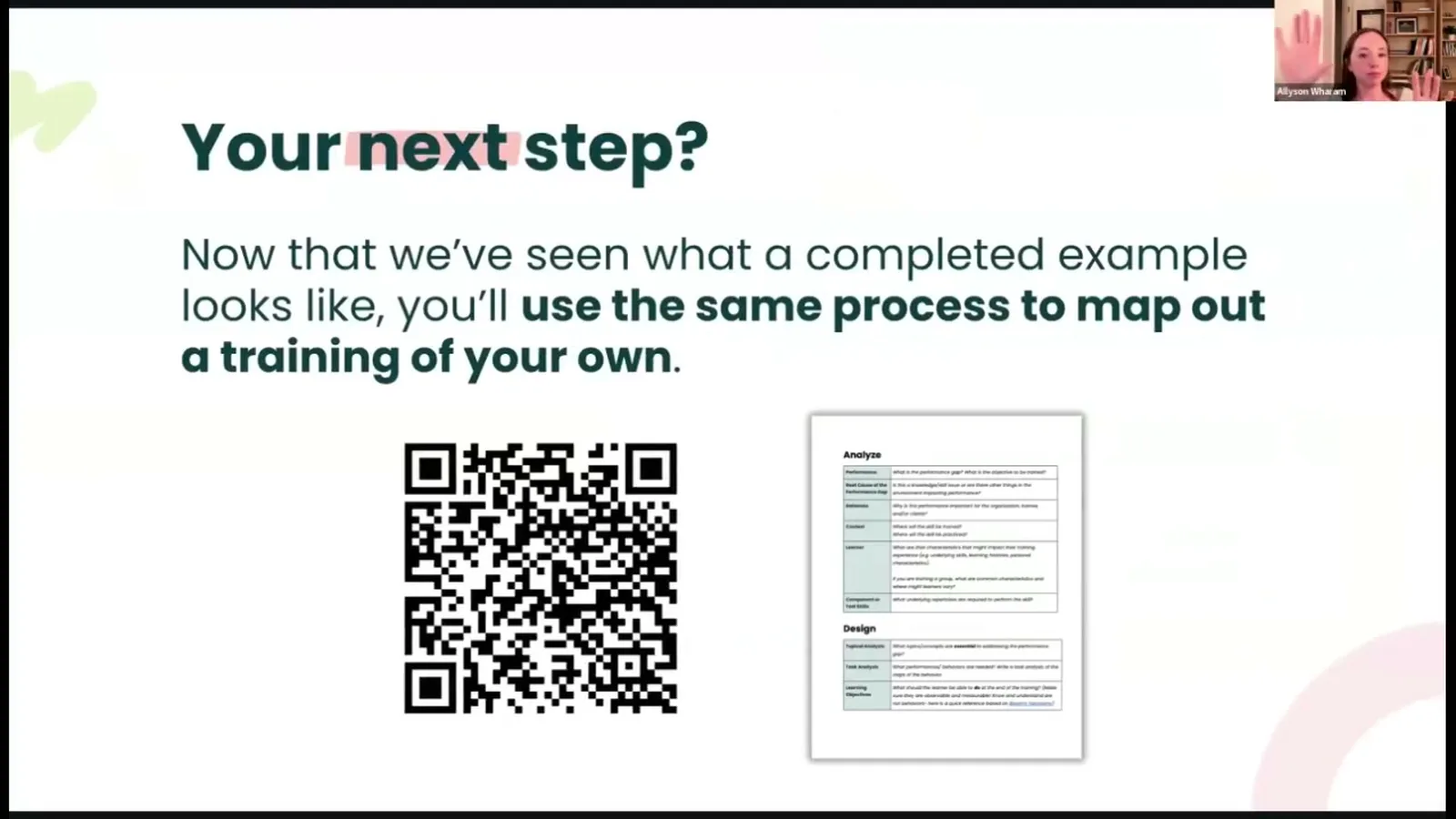
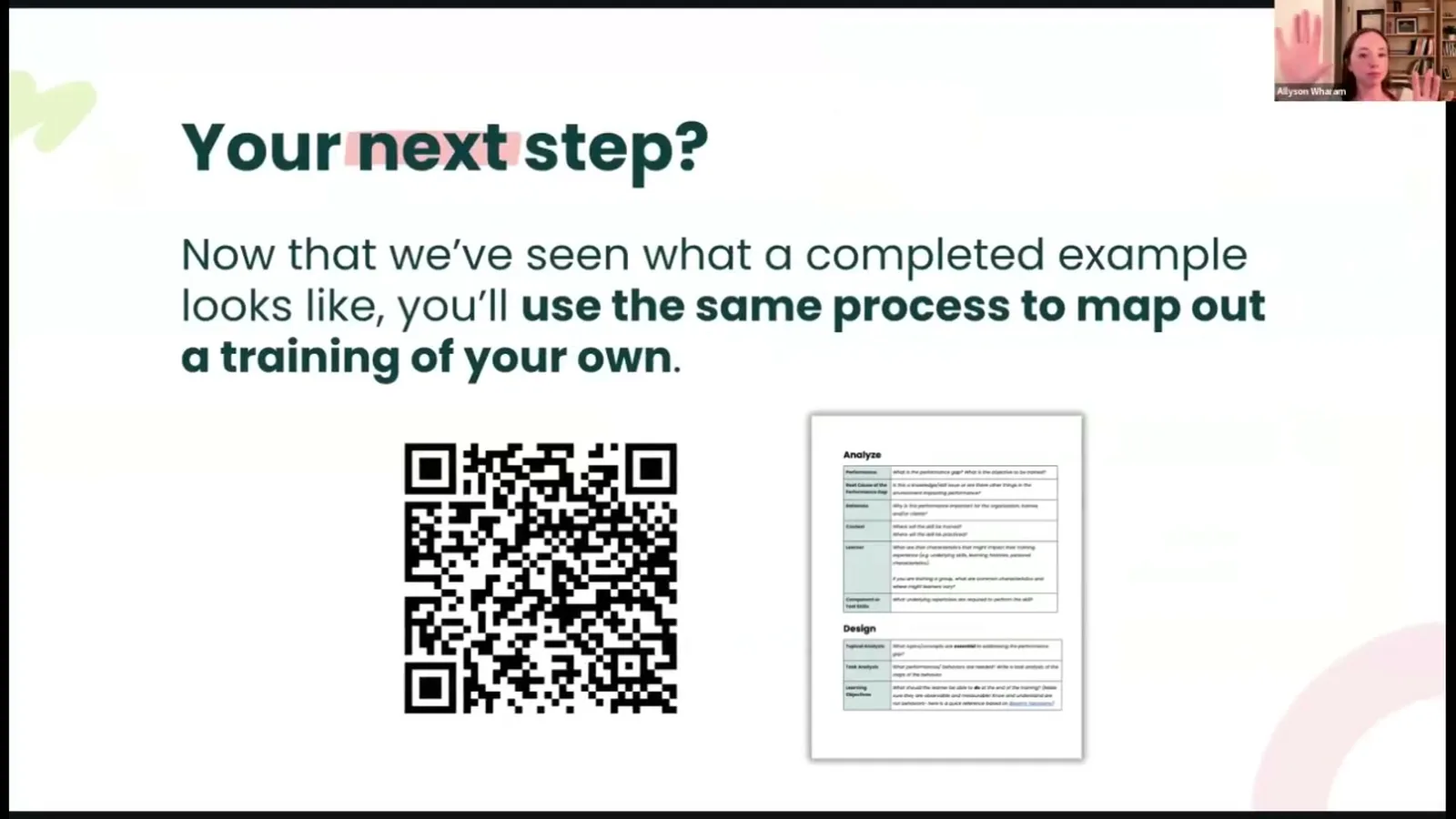
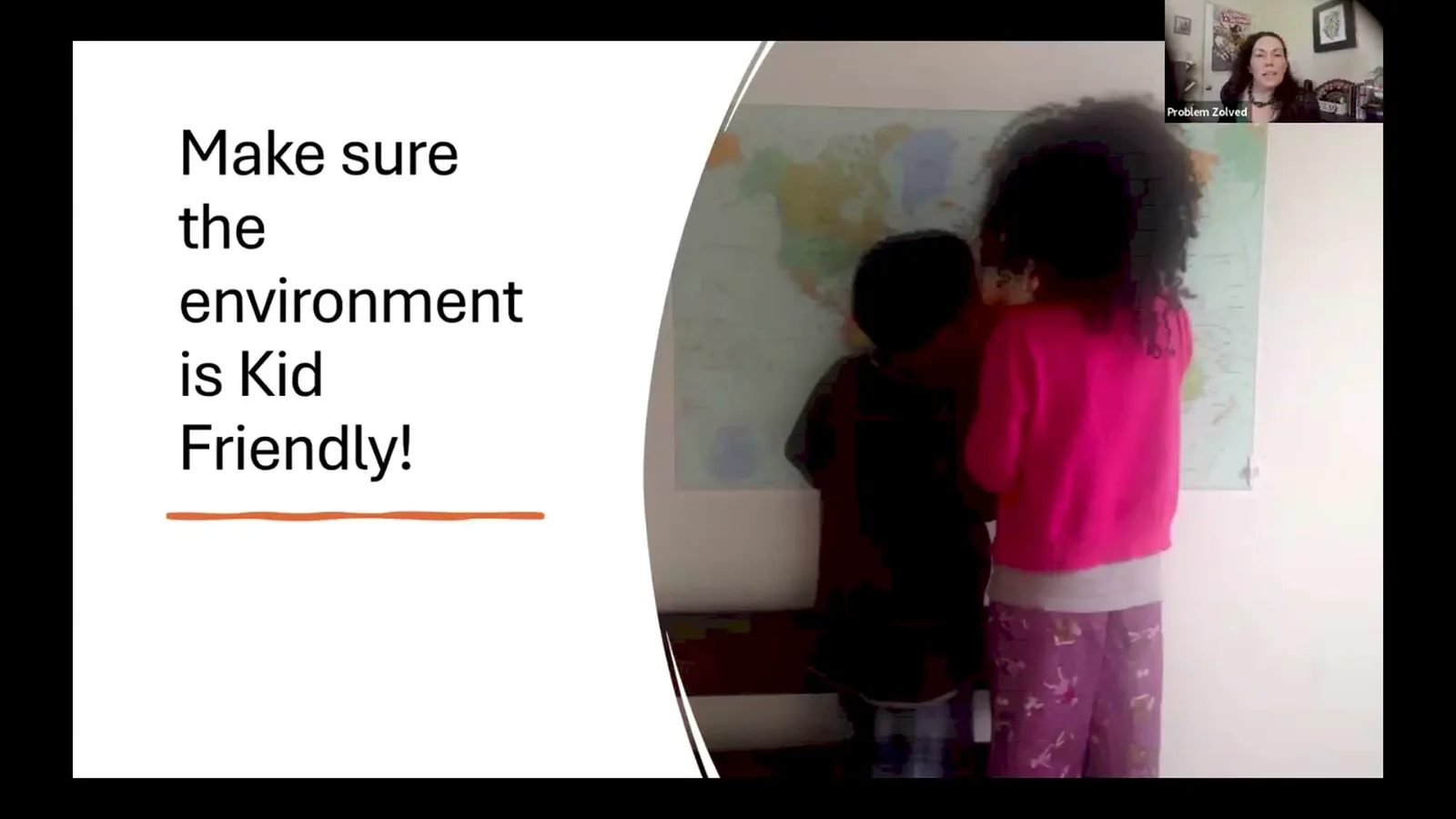
Design Smarter: Using Instructional Design to Improve Staff and Stakeholder Training
AllyThe Behaviorist Bookclub
Applies the same generalization planning clinicians use with clients to adult learners, arguing training context (where instruction happens) must be…
- 1 CEU
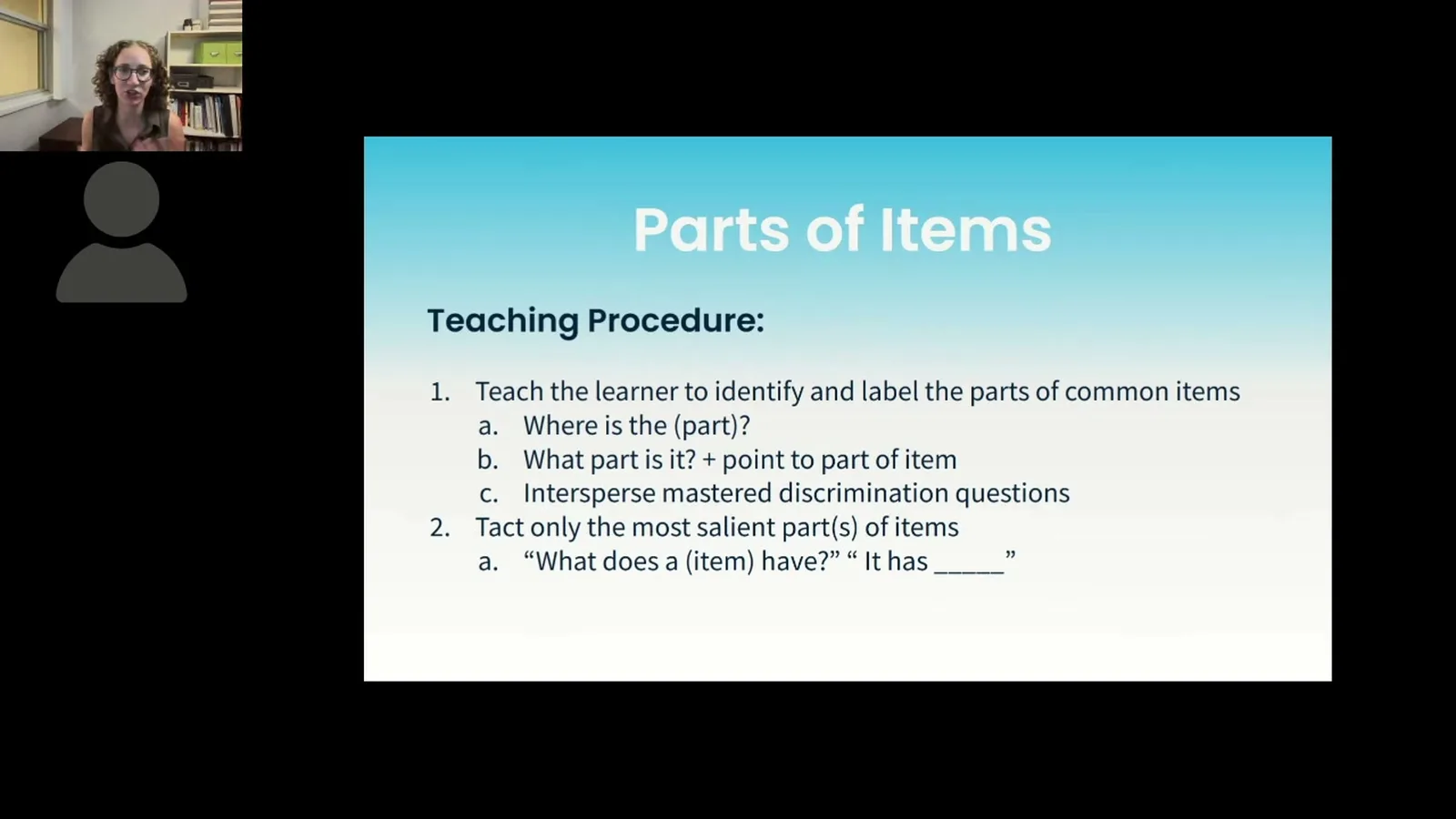
Teaching WH-Questions Isn’t Enough: Building True Conditional Discrimination
Dana PettusThe Behaviorist Bookclub
Cites Deglie Espinoza's research showing the autoclitic frames procedure produces generalized responding to untaught stimuli and untaught question…
- 1 CEU
It’s Complicated: Teaching Relationship Safety That Reflects Real Life
Patricia "Tricia" Lund, CSE, LBA & Carolyn Broner, M.S. Ed.The Behaviorist Bookclub
Named as the core weakness of rule-based safety curricula: the assumption that a rule rehearsed in a structured lesson will transfer to a real, emotionally…
- 1 CEU
Shaping Behavior Change when ADHD is in the Picture
Nicole StewartThe Behaviorist Bookclub
Nicole noted that a skill demonstrated in session (e.g., impulse control) not transferring to another setting (e.g., the classroom) requires attention to…
- 1 CEU
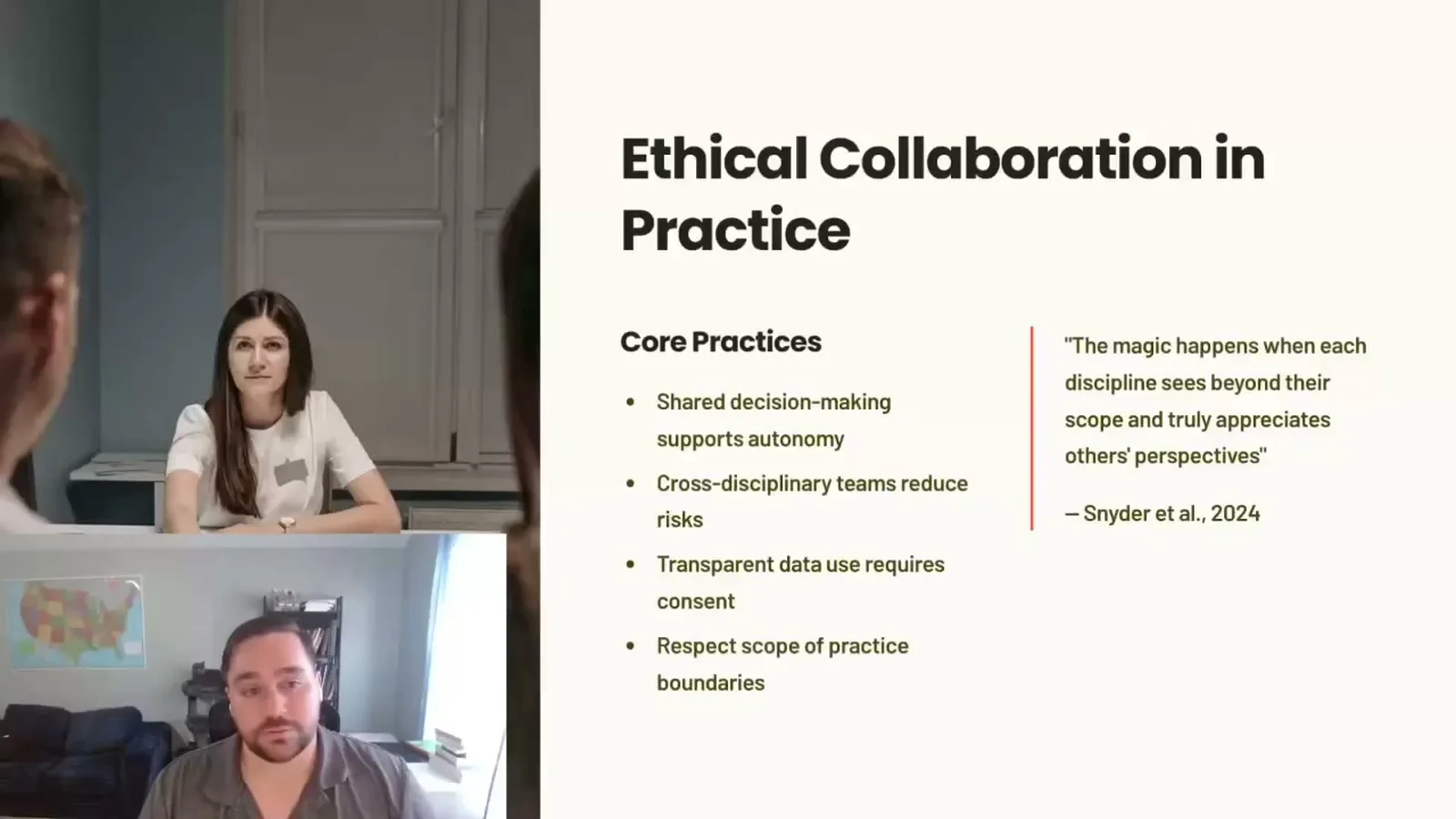
The Interdisciplinary Case Conference
Michelle VencesThe Mindful Learner LLC
Yadi emphasizes that skills targeted in therapy need to generalize across environments and caregivers, not just occur within sessions, for lasting progress.
- 1 CEU
New Year, New Care Collab Goals
Matt HarringtonThe Behaviorist Bookclub
Discussed as a key mutual pain point with SLPs (BCBAs seen as too strict, SLPs too naturalistic) and as the reason schools make an ideal, uncontrolled…
- 1 CEU
Child Development Deep Dive: Early Childhood (2-5 year olds)
Kelly BrzakThe Behaviorist Bookclub
Kelly repeatedly stresses planning explicitly for generalization across caregivers, siblings, and settings as a core consideration when writing goals for this…



On this page · 9 sections▾
Generalization is when a skill shows up outside the place it was taught. A child learns to ask for help at the table. Real progress means she also asks for help at school, at the park, and with grandma.
This matters because a skill locked to one room is not much use. Families do not need behavior that only happens in session. They need behavior that works in daily life. Good programs plan for that from day one. They do not hope for it at the end.
What generalization really means#
Many people think generalization means doing the same thing in many settings. Kaelynn Partlow pushes back on that idea. She works from the view of an RBT, a front-line therapist who runs the daily teaching sessions. The goal is not to fire off one response to many staged cues. The goal is to put the skill back where the person actually needs it.
Contrary to an RBT's understanding, the point of generalization isn't to evoke the same behavior in response to a variety of contrived STs. Rather, generalization should be the process of returning the previously isolated skill back to the context in which it's needed. From the talk — Kaelynn Partlow
She shares a clear example. A boy mastered his sight words on flashcards. Then he sat down with a real book and the words meant nothing. The skill never made the trip from cards to reading. That gap is the whole problem generalization is meant to solve.
Plan for it from the start#
Kelly Brzak works with very young kids, ages two to five. Her rule is simple. Build the plan for generalization before you build the goal. Do not treat it as a bonus step.
She wants parents and siblings in the room along with the staff. A skill taught only to one adult tends to stay with that one adult. When caregivers help run the practice, the behavior spreads to the people who matter most. That is why she says we should always be planning to generalize.
The skill has to travel to where it is needed#
Carolyn Broner teaches relationship safety. She warns about one quiet, risky assumption. We assume a rule rehearsed in a calm lesson will hold up in a messy, real moment. That jump is not automatic.
The issue isn't the instructional logic itself. The issue is the generalization assumption. The expectation that a child who learns and rehearses a rule in a structured setting will apply it in a real life situation. From the talk — Carolyn Broner
Her point applies far past safety lessons. A skill you can show in therapy is not the same as a skill you use in real life. Real life means real people, real feelings, and real time. So the plan has to build that bridge on purpose. You break a skill into parts to teach it. But you must also plan to put the parts back together in the true setting.
Share the power with parents and caregivers#
Brian Middleton frames generalization as a shift in who holds the knowledge. If only the BCBA, the clinician who designs the care, knows how the plan works, the skill stays stuck with the clinician. To spread a skill, you have to hand real skill and real understanding to the family.
Generalization requires that we empower. Generalization requires that we give power away. From the talk — Brian Middleton
He compares shared power to shared love. The more you give away, the more comes back. Caregivers who understand the "why" can support the skill in a hundred moments you will never see. That is generalization doing its job.
Adults learn the same way#
 Advertisement
Ally studies how to train staff and stakeholders. She points out that trainers already have a word for generalization. They just call it transfer.
When you see transfer in instructional design, all that means is generalization. So we always want to be thinking about transfer and how this is going to generalize outside of the instruction that we're actually providing. From the talk — Ally
Her advice is to treat adult learners the way we treat clients. A skill taught in a team meeting often stays in that meeting. The real test comes later in the electronic medical record, the software staff use after each session. So plan the bridge. A meeting can start the skill, and supervision can keep it going in the real workflow. Her full approach lives in Design Smarter: Using Instructional Design to Improve Staff and Stakeholder Training.
Schools test it in the real world#
Matt Harrington calls the school the best place to find out if a skill really generalized. A clinic is quiet and controlled. A school is not.
He says the school is the best generalization setting because it is completely uncontrollable, which makes it the perfect test. If a skill holds up in that noise, it is real. He also names a common tension between fields. SLPs, speech-language pathologists who treat communication, and BCBAs often blame each other here. One side says the other is too strict on language. The other side says the first is too loose and too slow. Both sides are circling the same target. One wants tighter teaching. One wants freer, natural use. Good generalization needs both.
Teaching so untaught skills appear#
Dana Pettus shows a smarter version of this idea. Sometimes you can teach a few pieces and get many more for free. She cites a 2020 study on autoclitic frames, a way to teach flexible language. Kids learned to tact, which means to name what they see, in a way that carried to questions no one taught them.
A learner who could not answer "what number" versus "what color" got there after the frame. The skill spread on its own. Even learners who would have gotten it eventually got it faster this way. That is generalization built into the teaching itself, not bolted on later. You can see the full method in Teaching WH-Questions Isn't Enough: Building True Conditional Discrimination.
What the research says#
Studies back these ideas up. One team taught children with autism to play using real objects first. Those actions then carried over to toys on their own (Agana et al., 2025). That is real generalization instead of rote, scripted play.
Another study used matrix training, a method that teaches a small grid of word combinations. Children then produced many untaught combinations they were never directly shown (Lee et al., 2025).
A third team practiced safety and social skills in virtual reality. The skills held up and moved to the natural setting, and families rated the tool highly (Gayle et al., 2024). Together, these studies show generalization can be designed on purpose.
Full citations for these studies:
- Agana, T. R. T., Sidener, T. M., Rodriguez, N. M., Reeve, S. A., & Pane, H. M. (2025). An analysis of the generalization of pretend play from real objects to toys. Journal of Applied Behavior Analysis, 58(3), 478-489. https://doi.org/10.1002/jaba.70017
- Lee, G. T., Sun, Y., Xu, S., & Kang, K. (2025). Using matrix training to promote recombinative generalization by children on the autism spectrum in China. Journal of Applied Behavior Analysis, 58(4), 794-804. https://doi.org/10.1002/jaba.70025
- Gayle, R. I., Valentino, A. L., & Fuhrman, A. M. (2024). Virtual Reality Training of Safety and Social Communication Skills in Children with Autism: An Examination of Acceptability, Usability, and Generalization. Behavior Analysis in Practice, 18(1), 179-195. https://doi.org/10.1007/s40617-024-00968-4
Frequently asked questions#
What is generalization in ABA?
ABA stands for applied behavior analysis, a therapy that teaches skills step by step. In ABA, generalization is when a taught skill shows up beyond the exact spot it was learned. The same behavior appears with new people, new places, and new materials. A skill that only works in one chair with one therapist has not generalized yet.
How do you plan for generalization?
Start planning while you write the goal. Name the real settings where the skill is needed. Bring caregivers into the practice so the behavior spreads to daily life. Teach small parts, then put them back together in the true context. You can also pick teaching methods that produce untaught responses on their own.
Why do some skills fail to generalize?
Often the plan stops at the lesson. The skill is taught in a calm, staged setting and never bridged to real life. The sight-word example fits here. Mastered flashcards did not become reading. Without a plan to return the skill to its real context, the gap stays open.
 Advertisement
Turn this topic into a CEU
You just studied this. Now get credit for it.
Watch Design Smarter: Using Instructional Design to Improve Staff and Stakeholder Training with Ally and earn 1 free BCBA CEU. Detailed certificate, delivered the moment you finish.
Keep going with a free learning path
Supervision, Done Right
Four supervision CEUs that build on each other. What reflective supervision is, how to build a supervision system, how to assess supervisee competence instead of counting hours, and how supervision affects provider outcomes. The BACB asks supervisors for three supervision CEUs per cycle. This covers it.