It’s Complicated: Teaching Relationship Safety That Reflects Real Life
Presented by Patricia "Tricia" Lund, BCBA, CSE, LBA & Carolyn Broner, Ph.D., M.S. Ed., BCBA

In this session, Patricia Lund, BCBA, and Carolyn Broner, BCBA, examine why traditional rule-based safety programs fall short for individuals with autism and intellectual and developmental disabilities, and what a developmentally grounded, relationship-based alternative looks like across the lifespan. Broner opens with early childhood, reviewing the shared content model behind most child safety curricula (body ownership, touch and secret discrimination, refusal, disclosure) and the evidence base, including a Cochrane review of 24 trials. She identifies core limitations: prevention burden placed on the child, the assumption that danger is recognizable, binary safe/unsafe sorting, rules taught without developmental prerequisites, and no demonstrated abuse prevention. She then presents a Notice-Interpret-Respond framework built on teachable interoception, a spectrum-based model of felt safety, emotional safety language for private events, flexible response repertoires (pause, scan, decide), and the BCBA's role across universal, family, and child-directed tiers. Lund extends the discussion to teens and adults, arguing that sex education is abuse prevention: it builds disclosure language, models of healthy relationships, decision-making skills, and sexual self-esteem. She reviews relevant BACB ethics codes, walks through the SSKAAT-R and the free TALK-SC assessments, and covers consent procedures, guardian review, private settings, trauma effects on results, the knowledge-versus-behavior distinction, and using scores to program goals rather than restrict relationships.
Register free & watch nowCancel any time. Cert delivered to your inbox the moment you pass the quiz.
Learner ratings
from 53 learners
100% would recommend this CEU to other professionals in their field (10 responses)
“GOOD”
— Kelvin O.“straightforward, great points”
— Luanne W.“So helpful and informative! When I worked for a Day Hab with adults with disabilities, the psychologists in the residences would administer the SKATT. It is so important to give these individuals the dignity and respect to have opportunities to be in relationships, but ensuring we are giving them proper tools for safety. When I worked in the mental health programs, we had some individuals who were engaging in some very risky behaviors, trusting people online, and were victim to physical, sexual, and financial abuse. SO IMPORTANT to talk about this stuff. UCLA does a great training that a progr”
— Lee D.“I think it's important to be able to address subjects like sexuality head on without it being a weird, taboo subject!”
— Landen W.“Great information! Need to more CEUs on these topics.”
— Erika R.“Extremely important info we need in our field that I have received limited education on. Thank you for this!”
— Margaret D.
About this CEU
In this session, Patricia Lund, BCBA, and Carolyn Broner, BCBA, examine why traditional rule-based safety programs fall short for individuals with autism and intellectual and developmental disabilities, and what a developmentally grounded, relationship-based alternative looks like across the lifespan. Broner opens with early childhood, reviewing the shared content model behind most child safety curricula (body ownership, touch and secret discrimination, refusal, disclosure) and the evidence base, including a Cochrane review of 24 trials. She identifies core limitations: prevention burden placed on the child, the assumption that danger is recognizable, binary safe/unsafe sorting, rules taught without developmental prerequisites, and no demonstrated abuse prevention. She then presents a Notice-Interpret-Respond framework built on teachable interoception, a spectrum-based model of felt safety, emotional safety language for private events, flexible response repertoires (pause, scan, decide), and the BCBA's role across universal, family, and child-directed tiers. Lund extends the discussion to teens and adults, arguing that sex education is abuse prevention: it builds disclosure language, models of healthy relationships, decision-making skills, and sexual self-esteem. She reviews relevant BACB ethics codes, walks through the SSKAAT-R and the free TALK-SC assessments, and covers consent procedures, guardian review, private settings, trauma effects on results, the knowledge-versus-behavior distinction, and using scores to program goals rather than restrict relationships.
What you'll learn
- 1Learning Objectives
- 2By the end of this CEU, participants will be able to:
- 3Identify at least two limitations of existing relationship safety frameworks, including the Circles program, as they apply to individuals with IDD.
- 4Explain why a binary safe/unsafe categorization of relationships may be insufficient for abuse prevention in individuals with IDD.
- 5Describe the key components of a relationship-based approach to safety skills training that reflects the actual perpetrator population.
Concepts in this CEU
Related talks
Talks that cover the same concepts
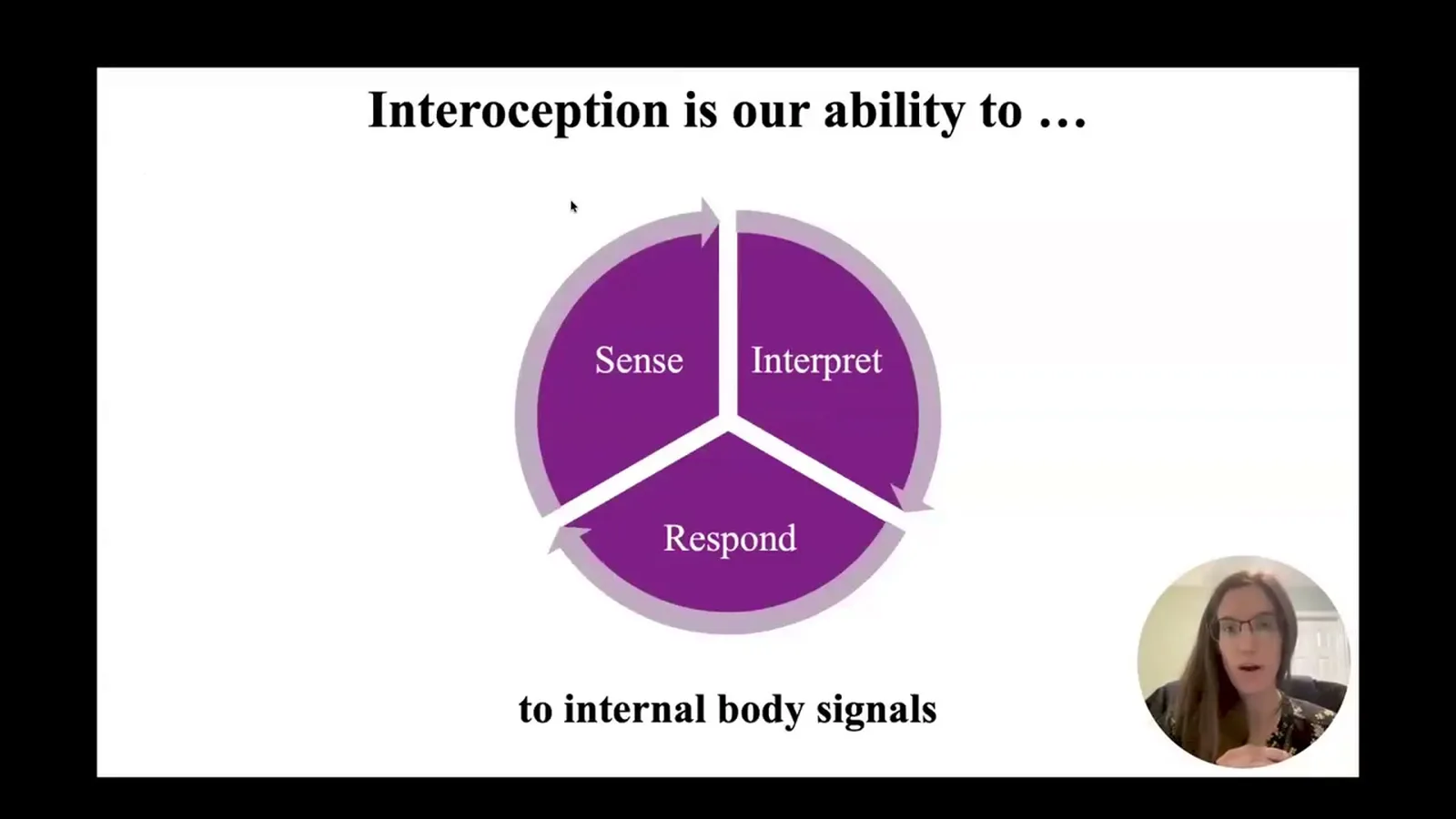
What Does Your Body Know? Teaching Individuals with IDD to Recognize Internal Warning Signs`
The Behaviorist Bookclub

The Interdisciplinary Case Conference
The Mindful Learner LLC
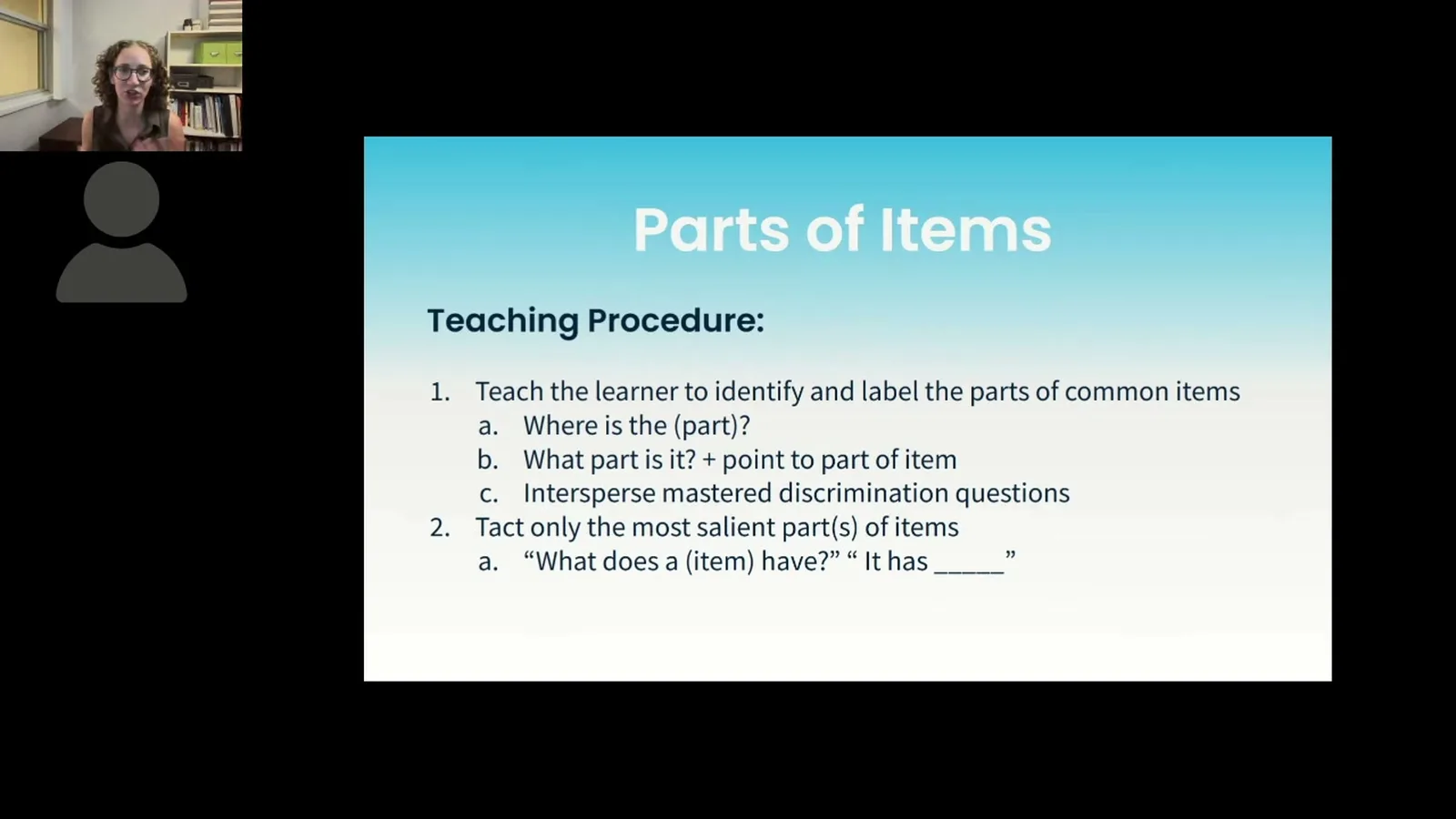
Teaching WH-Questions Isn’t Enough: Building True Conditional Discrimination
The Behaviorist Bookclub
An Examination of Abuse Prevention
The Behaviorist Bookclub
Child Development Deep Dive: Early Childhood (2-5 year olds)
The Behaviorist Bookclub

Press Pause: What the RBT 40-Hour Training Was Really Meant to Do
Bowsprit Consulting LLC
More from The Behaviorist Bookclub
Empowering Autonomy and Self-Management in ADHD Learners
The Behaviorist Bookclub
Shaping Behavior Change when ADHD is in the Picture
The Behaviorist Bookclub
From Hours to Competence: Assessing and Developing Supervisee Skills
The Behaviorist Bookclub
OpenCEU is supported by advertising from third-party sponsors. Sponsors are clearly labeled, have no influence over course content, instructors, or CEU decisions, and never appear on certificates. The BACB does not sponsor, approve, or endorse OpenCEU sponsors or their products.