Discrete Trial Training: How DTT Actually Works
Discrete trial training breaks skills into small, repeatable steps. See how DTT works, where it fits play and safety teaching, and what research shows.
Key takeaway
Discrete trial training, or DTT, is a step by step way to teach a skill. It breaks a big goal into small, clear tries. Each try has a signal, a response, and a result.
Child Development Deep Dive: Early Childhood (2-5 year olds)
Experts who cover this
4 recordings on openceu cover discrete trial training.
- Featured talk1 CEU
Child Development Deep Dive: Early Childhood (2-5 year olds)
Kelly BrzakThe Behaviorist Bookclub
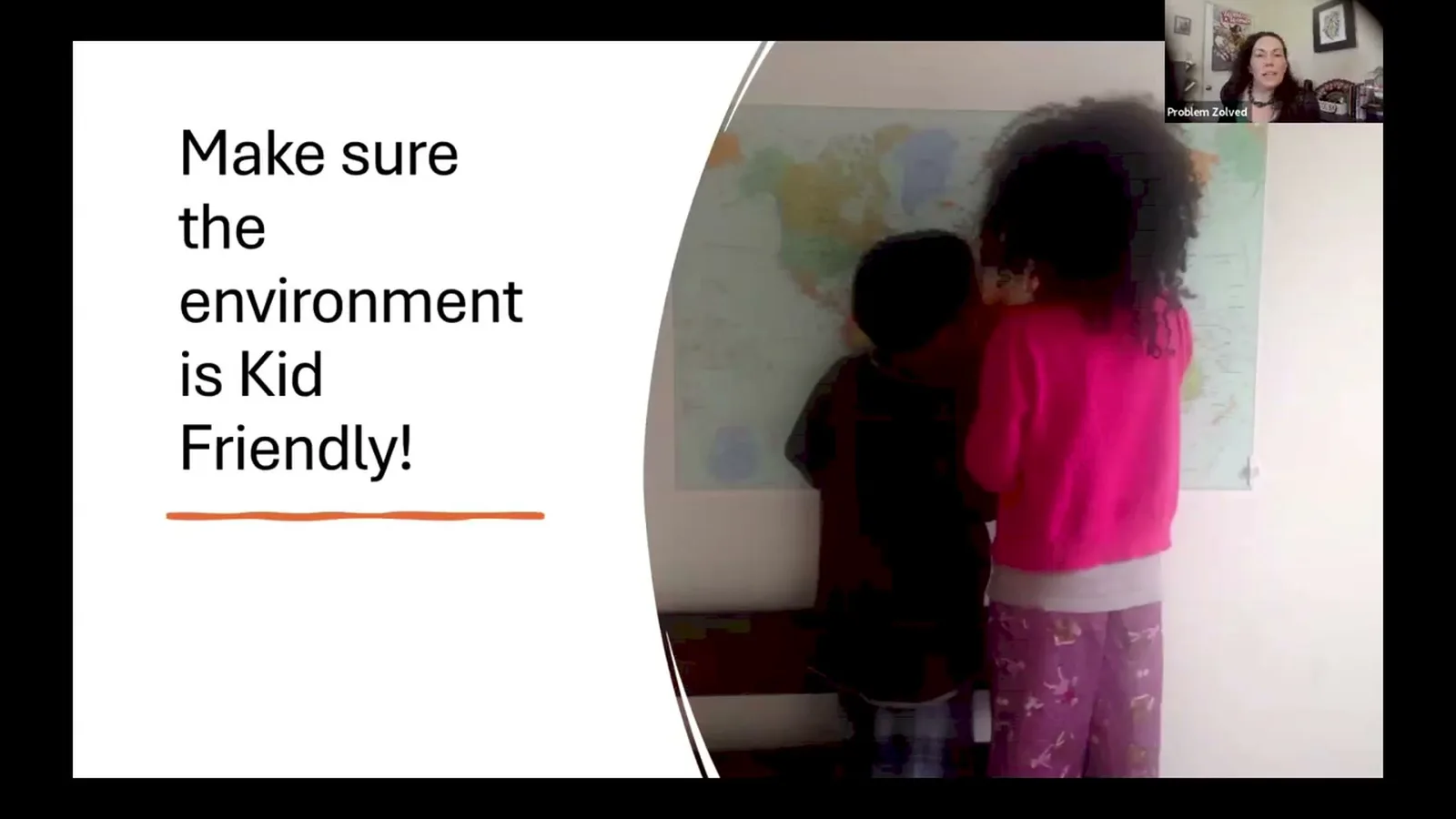
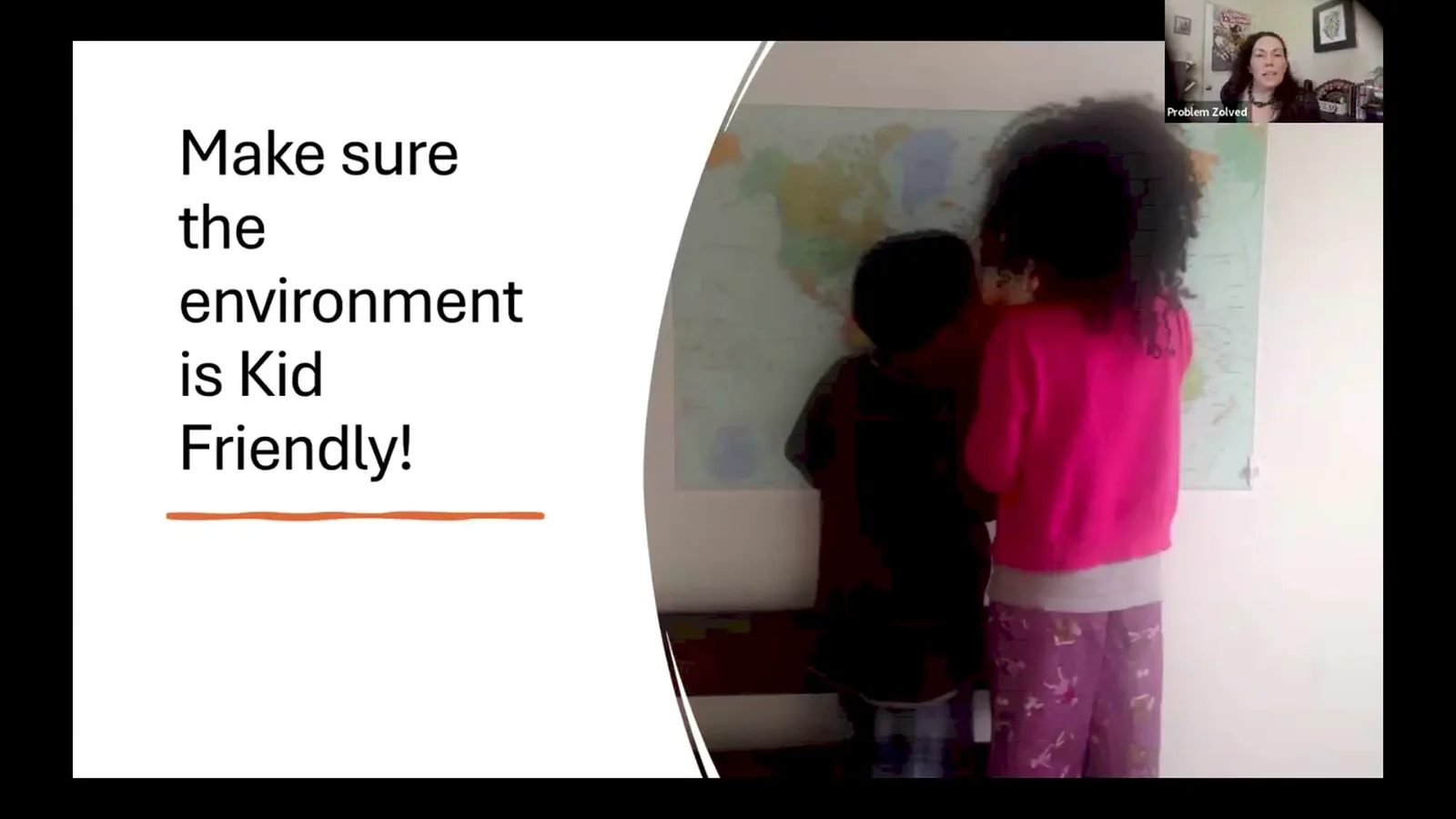
Kelly warns against rigid DTT expectations for toddlers (e.g., sitting at a table, strict point-to-point correspondence) and contrasts it with more…
- 1 CEU
Press Pause: What the RBT 40-Hour Training Was Really Meant to Do
Crystal HarmsBowsprit Consulting LLC
Harms clarifies that discrete trial training does not require a desk and flashcards and can occur during floor play, and stresses that RBT trainees should…
- 1 CEU
Multiple Exemplar Instruction (MEI): Training for Generalization
Dr. Jessica OsosCopper Consulting Group
Described as the traditional approach of teaching one operant at a time to mastery before moving on; effective for skill acquisition but does not reliably…
- 1 CEU
It’s Complicated: Teaching Relationship Safety That Reflects Real Life
Patricia "Tricia" Lund, CSE, LBA & Carolyn Broner, M.S. Ed.The Behaviorist Bookclub
Broner points out that the stories/videos/role-play delivery format used across nearly all body-safety curricula is essentially DTT and BST applied to safety…



On this page · 9 sections▾
Discrete trial training, or DTT, is a step by step way to teach a skill. It breaks a big goal into small, clear tries. Each try has a signal, a response, and a result. The teacher runs many of these short tries in a row. This gives the learner lots of practice and lots of feedback.
DTT matters because it is one of the most studied teaching tools in autism care. It helps young kids learn to talk, match, point, and follow directions. It also gives new therapists a clear structure to follow. But the format can be misused. Good DTT is flexible, warm, and built around the child, not a rigid drill at a table.
The parts of one trial#
Every discrete trial has the same simple frame. First comes the instruction, like "point to the dog." Next comes the child's response. Then comes the result. A correct answer earns praise or a fun item. A wrong answer earns a gentle prompt or a redo. Then there is a short pause before the next try starts.
This frame stays the same no matter where you teach. That is the heart of DTT. You can run trials at a table or on the floor. You can run them during snack or during play. The setting can change, but the trial parts should not.
Why the structure helps#
The tight structure is what makes DTT work. Short trials mean many practice chances in a small window. Clear results tell the child what to do more of. Data gets easy to track because each try has one clean answer.
The structure also helps the adults. A new therapist can learn the steps fast. A board certified behavior analyst, the person who plans the therapy, can check that each step is done right. Dr. Jessica Osos points out that the research base here is deep and strong.
We have tons and tons of research to show that DTT is effective
From the talk — Dr. Jessica Osos
DTT does not mean a table#
One myth is that DTT means a child sitting at a table for most of the session. Kelly Brzak warns against writing goals that way for toddlers. A 2 to 5 year old does not need to sit and drill to learn. In fact, a table goal like this can hurt more than help.
Client will complete DTT at a table for 80% of the duration of therapy sessions across 100% of therapy sessions.
From the talk — Kelly Brzak
Brzak uses that goal as an example of what to avoid. Strict rules about sitting or exact point matching can miss how young kids really learn. The trial parts stay the same, but the delivery should fit the child's age and interests.
Blending DTT into play#
Many teams now run trials during play and daily routines. This is called natural environment teaching, or NET, which means teaching during real activities the child enjoys. NET builds on DTT. It is DTT woven into a natural moment.
NET is DTT embedded in the natural environment.
From the talk — Kelly Brzak
So a therapist can teach colors while stacking blocks. The instruction, response, and result still happen. They just happen inside something fun. This keeps the child engaged and helps the skill show up in real life. You can learn more in Child Development Deep Dive: Early Childhood (2-5 year olds).
DTT inside other methods#
 Advertisement
DTT is also the base for other teaching plans. Dr. Jessica Osos describes the traditional approach as teaching one skill at a time. In behavior terms, one skill or response is called an operant. The team teaches that operant until the child masters it. Only then do they move to the next one.
This works well for learning new skills. But it does not always help a child use skills in new ways. That is why teams add methods like multiple exemplar instruction, which practices a skill across many examples so it carries over. Even then, the DTT trial frame stays. Osos is clear that you still run standard trials inside the newer method. See Multiple Exemplar Instruction (MEI): Training for Generalization for how that layering works.
DTT for safety and life skills#
DTT is not just for early words and matching. Carolyn Broner shows that most body safety lessons use the same logic. They use stories, videos, and role play to teach kids how to stay safe. Under the hood, that is DTT plus behavioral skills training, a teach, show, practice, and feedback method. Broner tells clinicians the teaching logic behind these programs should look familiar. It is DTT and behavioral skills training applied to safety content.
Broner adds that practice is a key piece of teaching safety. Kids need to try the skill, not just hear about it.
Role play and behavioral rehearsal give children practice applying them.
From the talk — Carolyn Broner
Her point is that the teaching method is sound. The gap is often missing building blocks, like language or awareness, that a child needs first.
Training the people who run trials#
DTT only works when the adult runs it correctly. Fidelity means how closely a therapist follows the steps. Weak fidelity leads to weak results, so training matters as much as the method.
Research shows short, active training works best. Watching an online module alone often changes little. Practice with real feedback changes a lot. This is why teams coach staff on the floor during real sessions. The same holds for parents, teachers, and aides who help carry out the plan.
What the research says#
Studies back up both the method and the way we teach it to staff. One study tested a brief behavioral skills training package with staff who ran discrete trials (Clayton & Headley, 2019). Accuracy rose from the 58 to 70 percent range up to the high 90s. The gains were still there a month later. That shows a short, hands on approach can build strong DTT skills fast.
Telehealth, or training and care delivered over live video, adds more good news. One study trained new therapists on the parts of DTT (Sump et al., 2018). Remote training worked as well as in person training. Another project used remote training and a train the trainer model to bring DTT to teachers in Taiwan (Chen & Lerman, 2024). The teachers kept the skills over time and used them in their real classrooms.
Direct service by video also shows promise. Researchers compared DTT delivered over telehealth and in person for young children with autism (Lindgren et al., 2023). The children learned to name jobs about equally well either way. Together these studies suggest DTT is both effective and flexible in how it is taught and delivered.
Frequently asked questions#
What is a discrete trial in ABA?
ABA stands for applied behavior analysis, a therapy that teaches skills in small steps. In ABA, a discrete trial is one short teaching try with three parts. First the adult gives an instruction. Then the child responds. Then the adult gives a result, like praise for a right answer. A brief pause ends the trial before the next one starts. Many trials in a row give the child lots of practice.
Is discrete trial training only done at a table?
No. DTT can happen at a table, on the floor, or during play and daily routines. The setting is flexible. What stays fixed is the trial frame of instruction, response, and result. Many teams now blend trials into fun activities so skills show up in real life.
How is DTT different from natural environment teaching?
They are not opposites. Natural environment teaching runs trials inside play and daily moments the child enjoys. DTT is the underlying structure, and natural environment teaching is one way to deliver it. Good practice often mixes both so learning stays clear, engaging, and useful outside of therapy.
 Advertisement
Turn this topic into a CEU
You just studied this. Now get credit for it.
Watch Child Development Deep Dive: Early Childhood (2-5 year olds) with Kelly Brzak and earn 1 free BCBA CEU. Detailed certificate, delivered the moment you finish.
Want the primary literature? Read the Discrete Trial Training research roundup on our sister site, Behaviorist Book Club.