Natural Environment Teaching (NET) in ABA Explained
What natural environment teaching (NET) means in ABA, how it compares to DTT, and how BCBAs use it to teach skills in everyday settings.
Key takeaway
Natural environment teaching is a way to teach skills during real life. People often shorten it to NET. Instead of only working at a table, the teaching happens during play and daily routines.
Child Development Deep Dive: Early Childhood (2-5 year olds)
Experts who cover this
4 recordings on openceu cover natural environment teaching.
- Featured talk1 CEU
Child Development Deep Dive: Early Childhood (2-5 year olds)
Kelly BrzakThe Behaviorist Bookclub
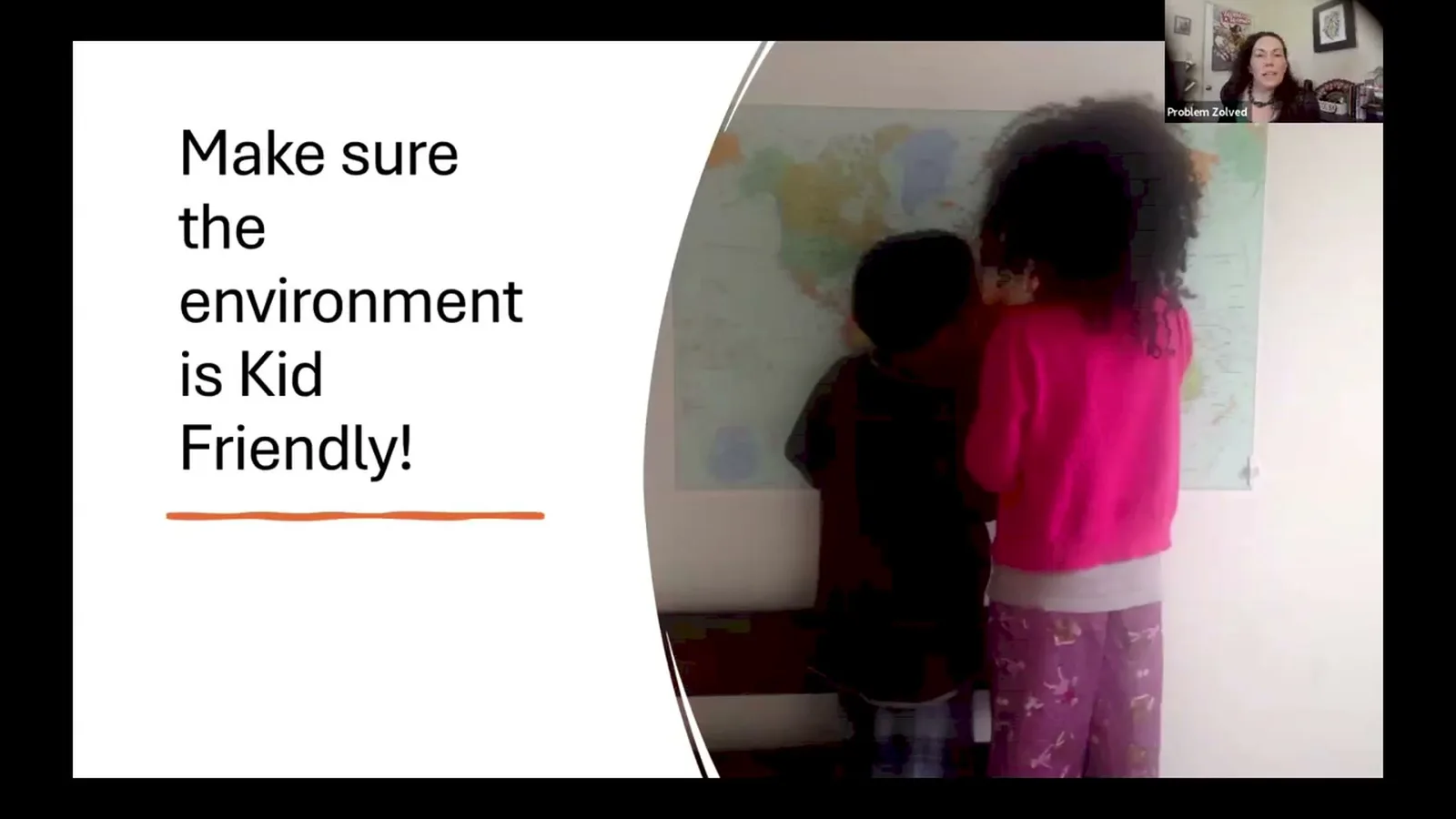
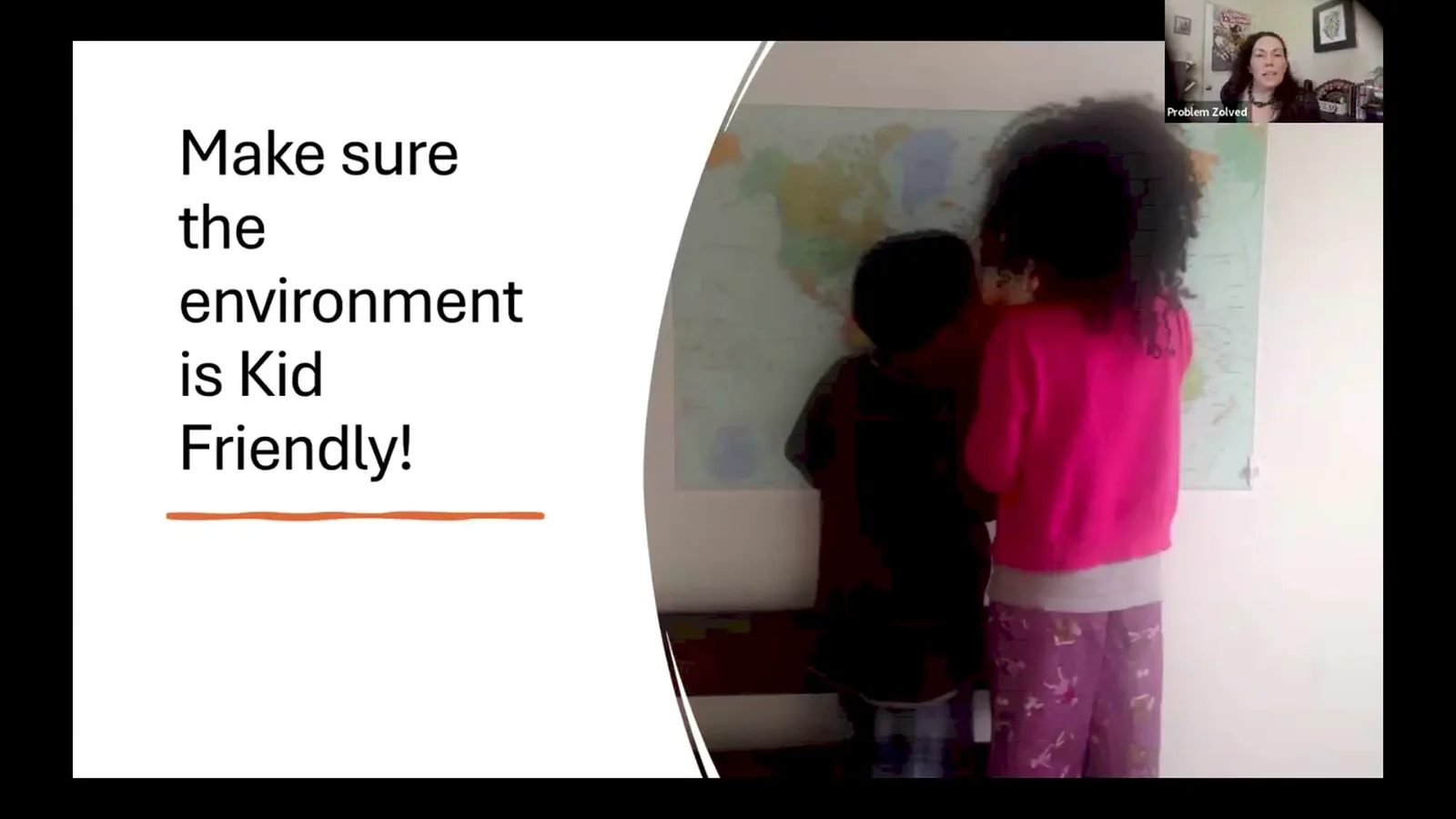
Kelly describes NET as DTT embedded in the natural environment and encourages clinicians to look for teaching targets around the child's home rather than only…
- 1 Supervision CEU
Teaching RBTs to Think Clinically: Training In-the-Moment Decision Making
Dr. Jessica Osos & Tauren KeelsCopper Consulting Group
Jordan's sessions are described as mostly NET/naturalistic-developmental-behavioral-intervention heavy, occurring in the home; the talk uses NET sessions…
- 1 CEU
Stronger Together: Care Collab
Matt HarringtonThe Behaviorist Bookclub
Used as an example when discussing how to interpret an SLP's report of teaching methods: the length of time a technique like modeling or NET took to work tells…
- 1.50 CEUs
PDA Caregivers, Complex Profiles, Replacement Behaviors, and Being Trauma Informed
B. Kuerine GrayThe Behaviorist Bookclub
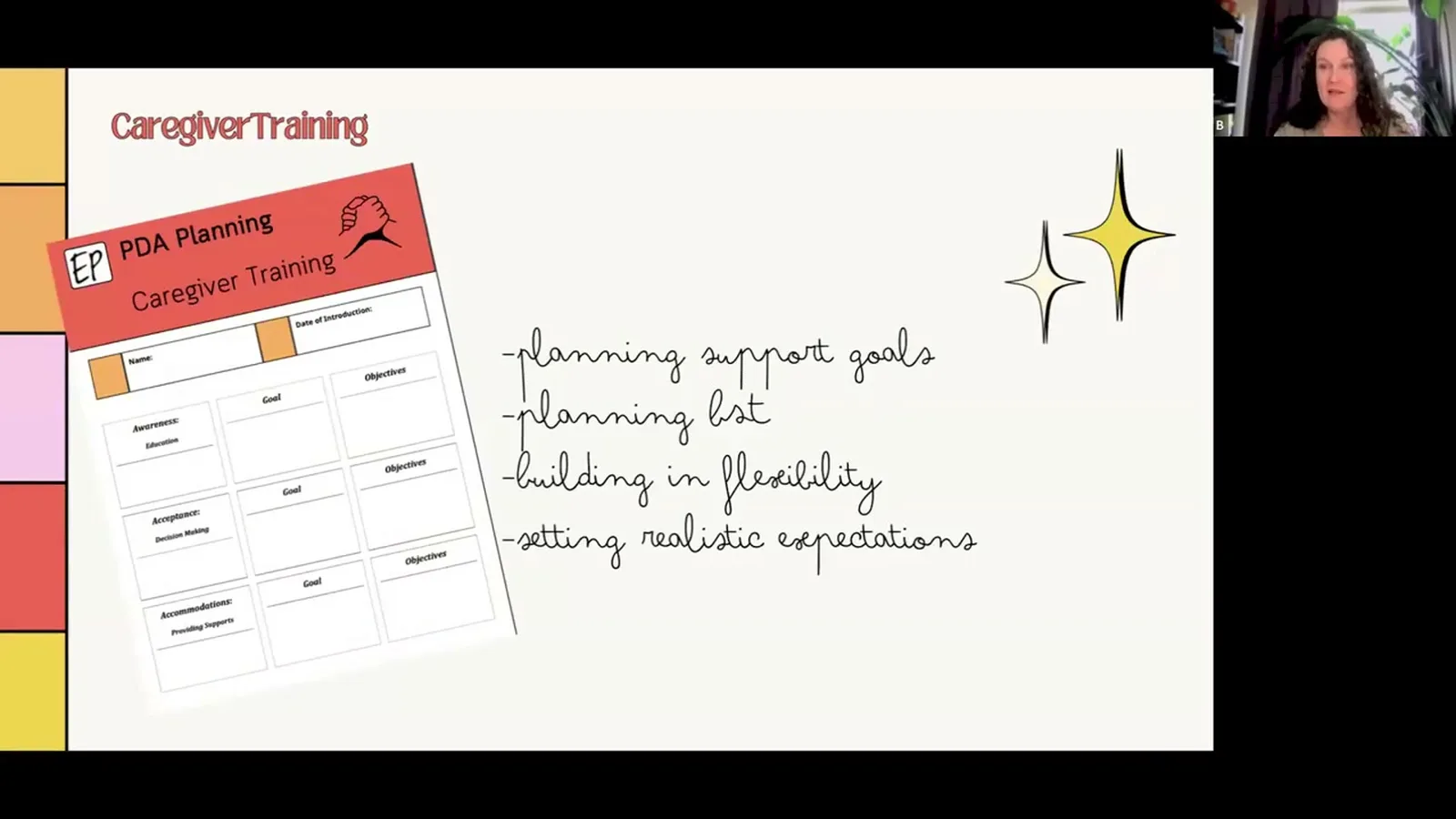
Used as scaffolding support layered with SBT and lag schedules for building tolerance of change in a PDA case.

On this page · 9 sections▾
Natural environment teaching is a way to teach skills during real life. People often shorten it to NET. Instead of only working at a table, the teaching happens during play and daily routines. The child learns where they will actually use the skill.
NET matters because skills need to work in the real world. A word learned only at a desk may not carry to the kitchen. BCBAs, RBTs, and families use NET to close that gap. It builds skills in the places and moments that count.
What natural environment teaching is#
NET moves the lesson into the child's world. You teach during snack, play, or a walk outside. The child's own interests set the pace and the topic.
This does not mean the teaching is loose or random. Good NET still has clear structure under the surface. Each teaching moment has a cue, a response, and a reward. The setting is casual, but the plan is not.
The reward in NET is often the natural result. If a child asks for juice, they get the juice. This link makes the skill feel useful right away. The child learns that words and actions get real results. That is a strong reason to keep using the skill.
NET as structured teaching in real life#
Kelly Brzak describes NET as discrete trial training moved into daily life. Discrete trial training, or DTT, is teaching in small, clear steps. She wants those same steps to carry over into play.
Each trial should still have the same components to make them effective, whether you're using it in studental teaching or DTT. From the talk — Kelly Brzak
So the parts stay the same. What changes is the setting and the flow. The child leads more, but the teaching stays sharp.
Brzak also pushes clinicians to hunt for targets at home. The house is full of things to teach. She wants families on board from the start.
Look around the child's home for targets. Get the technician and family buy-in during the target selection. From the talk — Kelly Brzak
This buy-in makes the plan stick. Families teach the skill even when the clinician is gone.
Reading how long a skill took to teach#
 Advertisement
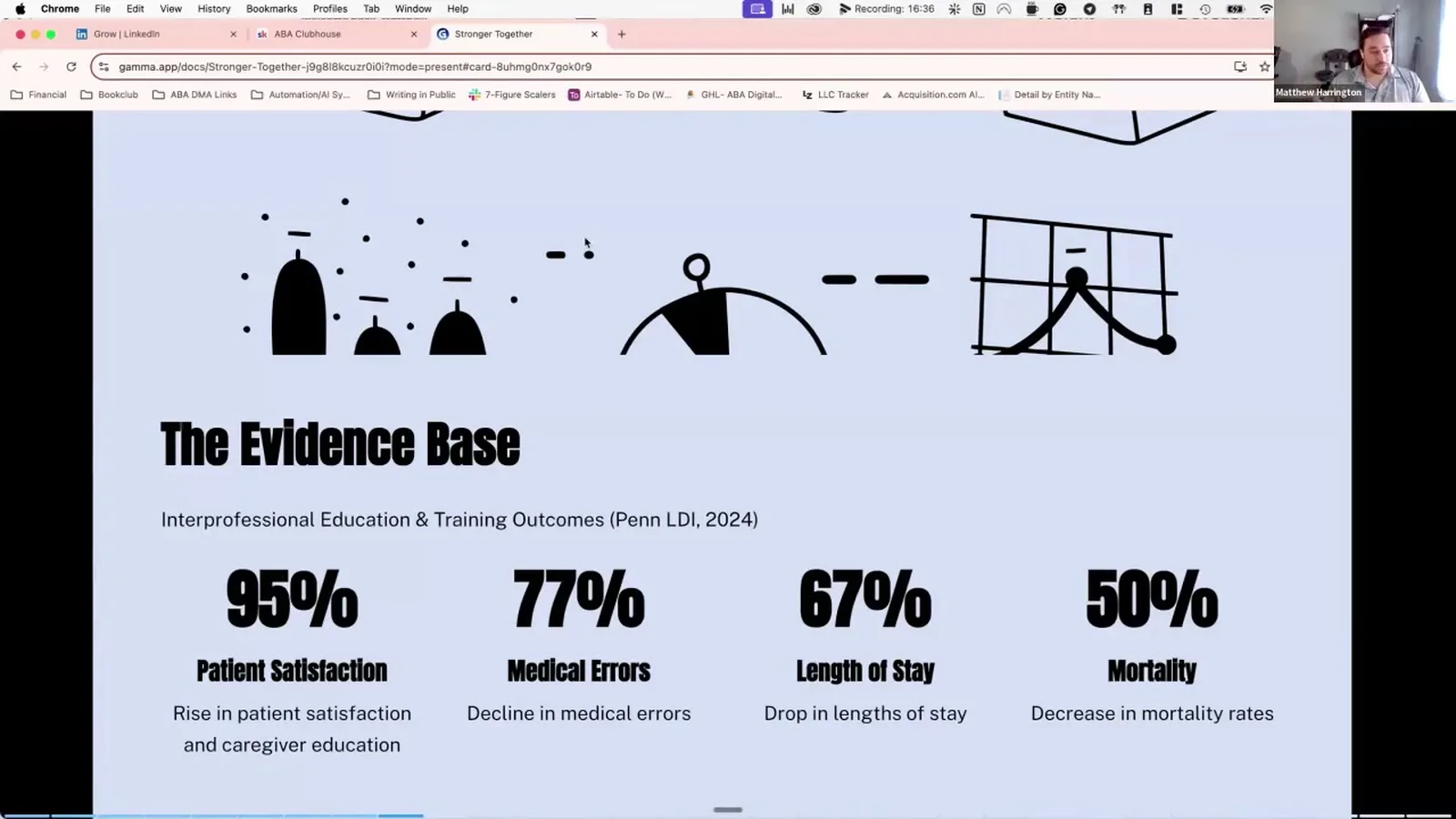
Matt Harrington shows a smart use for NET beyond teaching. When he talks with a speech therapist, he asks how a skill was taught. The method and the time both tell a story.
one of my favorite questions to ask slps is after they've said they've accomplished a goal or they've taught something... how did you do it like what did that teaching process look like because if they say it took three months of natural environment teaching or modeling for example that's a very different response and information you're going to use than if they said it took two weeks From the talk — Matt Harrington
The length of time reveals the child's repertoire. A skill that took months signals one thing. A skill that took two weeks signals another. That detail helps the BCBA pick the right next step. He digs into this kind of team collaboration in Stronger Together: Care Collab.
NET inside complex cases#
NET rarely works alone in hard cases. It usually joins other tools in a full plan. B. Kuerine Gray shows this with a demand-avoidant profile.
we worked on lag schedules of reinforcement, SBT, and then scaffolding support within natural environment teaching From the talk — B. Kuerine Gray
Here NET is the setting where support is layered in. A lag schedule rewards new, varied responses. Skill-based treatment builds tolerance for change. NET holds the whole approach in a natural flow. You can see more of this profile in PDA Caregivers, Complex Profiles, Replacement Behaviors, and Being Trauma Informed.
NET compared to DTT#
People often frame NET against DTT, but they work well together. DTT gives fast, clear practice in small steps. NET helps those skills spread to real settings.
Many teams use both on purpose. They may start a hard skill with DTT for clear practice. Then they move it into NET so it generalizes. The two methods cover each other's weak spots.
How to run a NET session#
Start by following the child's lead. Watch what they reach for and enjoy. That interest becomes your teaching moment.
Then wait for a natural chance to teach. If the child wants a toy, ask for a word first. The reward is the very thing they wanted.
Keep the trial clean even in play. Give a clear cue and a clear reward. A messy trial teaches a messy skill.
Track progress as you go. NET data can be harder to take than table data. Simple counts and short interval checks help you stay honest.
Why NET helps skills generalize#
Generalization means a skill works across many settings. A word taught at a table may stay stuck at that table. NET fights this by teaching in real places from the start.
The child practices the skill where they will use it. They use it with real people and real objects. This makes the skill more likely to last. It also makes the skill more useful in daily life.
What the research says#
Research supports using NET across many settings. NET works well over telehealth. In one study, therapists used natural environment teaching and DTT over video to teach new skills. All seven children with autism reached mastery and kept the skills (Nohelty, Bradford, Hirschfeld, Miyake, & Novack, 2021).
NET has also been paired with precision teaching. In one study, autistic students built joint attention skills using play-based, natural environment teaching (Vostanis, Ritchie, & Langdon, 2024). Other work looks at how to measure NET well. One paper compares NET with naturalistic developmental approaches (Raulston, Ousley, Hinton, & Ramirez, 2024). It suggests simple frequency counts and interval recording for play and engagement.
FAQ#
What is natural environment teaching in ABA?
Natural environment teaching is teaching that happens during real life. It uses play, snack, and daily routines instead of only a table. The child's interests guide the moment. The teaching still follows a clear structure.
How is NET different from DTT?
DTT teaches in small, clear steps, often at a table. NET teaches those same steps during everyday activities. DTT gives fast practice, while NET helps skills carry over. Many teams use both together.
When should you use natural environment teaching?
NET fits well when a skill needs to work in real settings. It is strong for language, play, and social skills. It also helps when you want family buy-in. Many clinicians pair it with DTT for the best results.
 Advertisement
Turn this topic into a CEU
You just studied this. Now get credit for it.
Watch Child Development Deep Dive: Early Childhood (2-5 year olds) with Kelly Brzak and earn 1 free BCBA CEU. Detailed certificate, delivered the moment you finish.
Want the primary literature? Read the Natural Environment Teaching (NET) in ABA Explained research roundup on our sister site, Behaviorist Book Club.