Stimulus-Stimulus Pairing in ABA
Stimulus-stimulus pairing links you and the room to good things. See how experts use it to build trust, first sounds, and calmer sessions.
Key takeaway
Stimulus-stimulus pairing is a simple idea with a big payoff. You put two things together over and over. One thing the child already likes. One thing that is new or neutral.
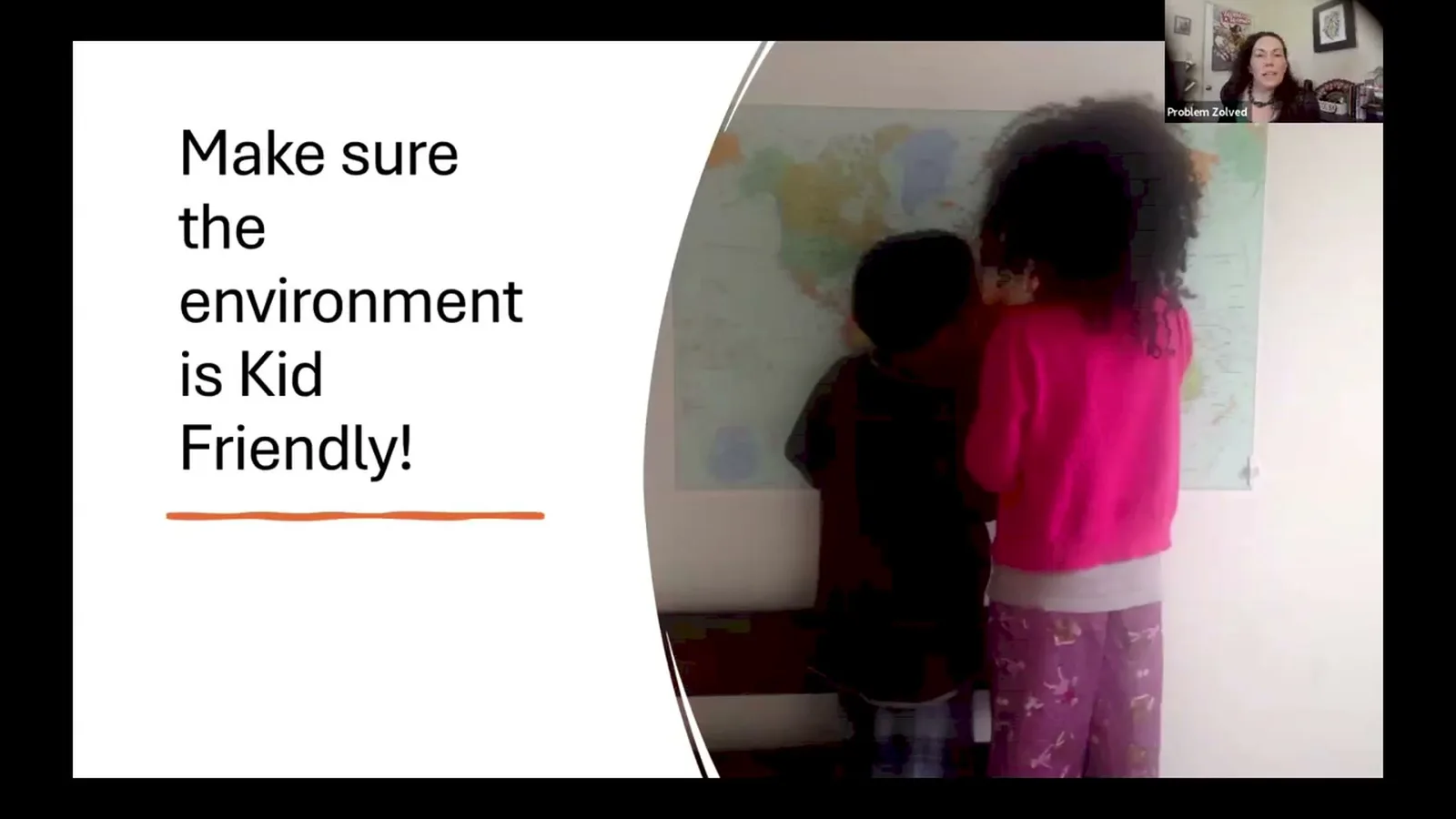
Child Development Deep Dive: Early Childhood (2-5 year olds)
Experts who cover this
4 recordings on openceu cover stimulus-stimulus pairing.
- Featured talk1 CEU
Child Development Deep Dive: Early Childhood (2-5 year olds)
Kelly BrzakThe Behaviorist Bookclub
A dedicated section on pairing with toddlers and caregivers: bring varied low-stakes materials, follow the child's lead using a 'yes, and' improv mindset…
- 1 CEU
Shaping Behavior Change when ADHD is in the Picture
Nicole StewartThe Behaviorist Bookclub
Nicole emphasized pairing oneself and topics with reinforcement to build rapport before placing demands, illustrated with a session example of using a child's…
- 0.50 CEUs
Beyond Compliance: What Assent-Based ABA Looks Like in Real Life
Danielle VirnelsonDani Elle Mentorship and Consulting
Presented as a core assent-maximizing tool: pairing the clinician and environment with reinforcement, and treating pairing as an ongoing part of practice…
- 1.50 CEUs
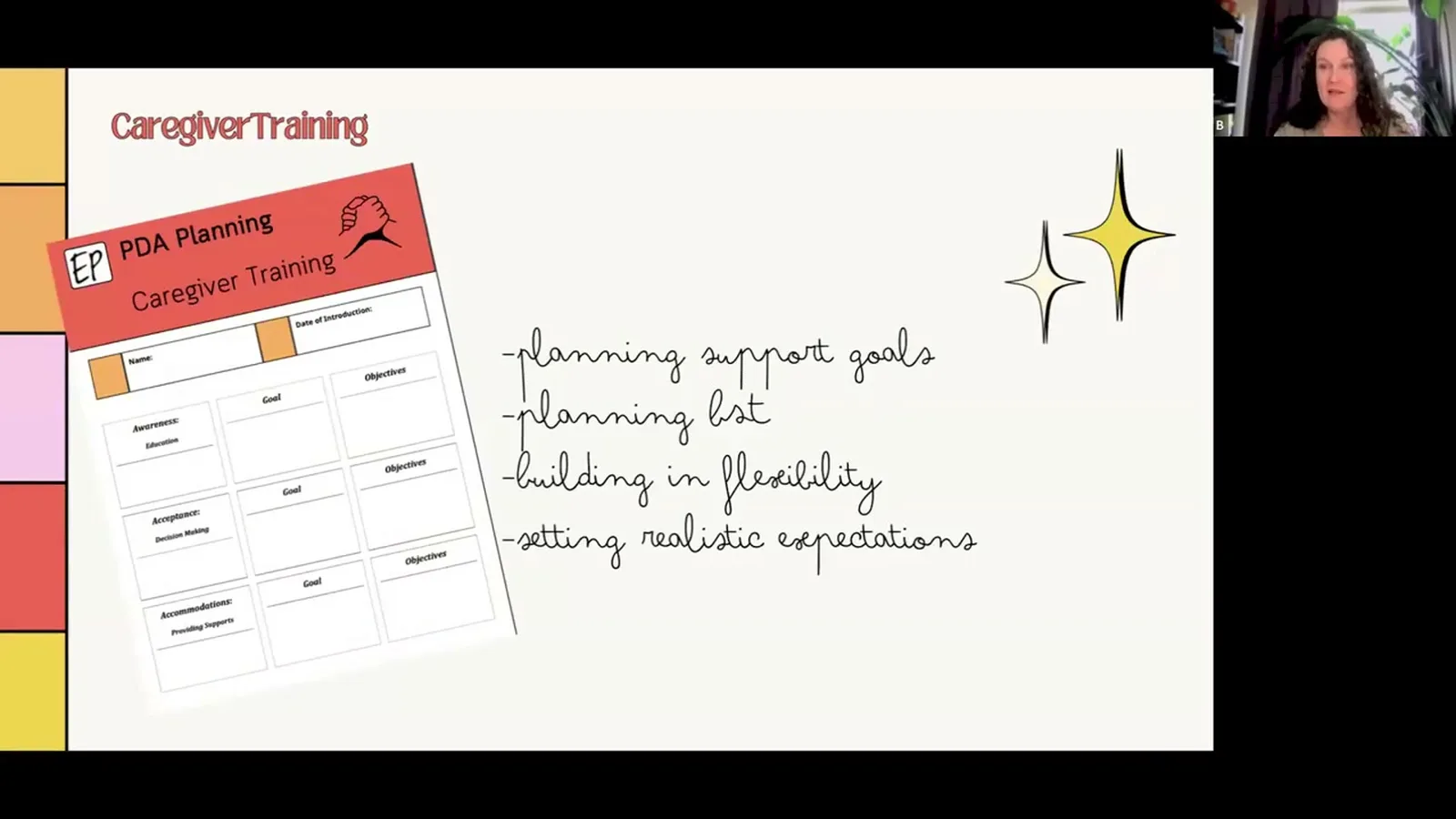
PDA Caregivers, Complex Profiles, Replacement Behaviors, and Being Trauma Informed
B. Kuerine GrayThe Behaviorist Bookclub
Central to the six-month feeding case (S): extended pairing of the food environment with only positive associations, with no demands placed, before any…


On this page · 9 sections▾
Stimulus-stimulus pairing is a simple idea with a big payoff. You put two things together over and over. One thing the child already likes. One thing that is new or neutral. In time, the new thing starts to feel good too.
In ABA (applied behavior analysis, a common therapy for autistic children), this is how you become someone a child wants near. It is how a table, a toy, or a sound turns into a signal for good things. Pairing builds trust before you ask for any work. Skip it, and sessions get harder. Do it well, and the child comes to you on their own.
What stimulus-stimulus pairing means#
The word "stimulus" just means anything a child can see, hear, or touch. Pairing means you show two of them close together in time.
One stimulus is already a reinforcer. A reinforcer is something the child likes and will work for. The other stimulus starts out plain. When you pair them enough, the plain one takes on the good feeling of the first. Scientists call this classical conditioning. That just means learning that happens when two things show up together. You are not asking for a response yet. You are only building a link.
That link is the base of most early ABA work. You pair yourself with fun. You pair the room with fun. Only then does teaching feel safe.
Pairing yourself and the room first#
Before any lesson, the child needs to feel good about you and the space. Danielle Virnelson frames this as a core part of assent-based care. Assent means the child's ongoing "yes," their willingness to take part.
This includes pairing ourselves and the learning environment. From the talk — Danielle Virnelson, MS, BCBA, LBA
Virnelson ties this pairing to reinforcement and to offering the child genuine choice when possible.
The point is clear. You and the room become tied to good things, not demands. When a child sees you and expects fun, they lean in. When they see you and expect hard work, they pull away. Pairing sets the tone for everything that comes next.
Following the child's lead#
Kelly Brzak works with very young kids, ages two to five. Her pairing tip is to bring lots of low-stakes stuff and let the child pick.
If you bring in a bag full of stuff, you're probably going to get some interest. From the talk — Kelly Brzak
Once the child shows interest, you follow it. Brzak borrows an improv game called "yes, and" to help staff do this. You accept what the child does and add to it. You do not correct it. This keeps you on the child's side, which is the whole point of pairing.
She also warns against a common trap. Staff who feel they must fix or steer end up breaking the link they are trying to build. Following the lead keeps pairing genuine. Brzak's full session goes deep on this for the toddler years.
Pairing takes time, sometimes months#
 Advertisement
Pairing is not a quick warm-up you rush through. With complex kids, it can be the whole plan for a long stretch. B. Kuerine Gray shares a feeding case that shows this.
it took six months of just pairing to get them to sit at a table with us and want to sit at the table and bring us to the table just so that they could have a preferred food or preferred milk. And we did not place any demands with food. From the talk — B. Kuerine Gray
Six months of pairing. No food demands the whole time. The table itself had to feel safe first. Staff sat there and only good things happened. In time the child chose the table on their own. Then, and only then, could real feeding work begin. Gray's talk on complex profiles walks through why rushing this step backfires.
Using pairing to build first sounds#
Pairing does more than build trust. It can help nonverbal kids make their first sounds. Vocalizations here means early speech sounds a child makes on their own.
The idea is neat. An adult says a sound right as the child gets something they love. The sound gets paired with the good item. Over time the sound itself starts to feel good, so the child says it more. This is one of the most studied uses of stimulus-stimulus pairing, and parents can run it too.
Pairing can lower hard behaviors#
Pairing is not only for building things up. It can also crowd out behaviors that get in the way. Some kids show a lot of stereotypy, which means repeated self-soothing actions like rocking or hand movements.
Researchers have paired preferred items with calmer activities, like watching a movie, to shift a child toward better options. The good behavior grows and the repeated behavior shrinks. Same core method, different goal. You are still linking a plain thing to something the child values.
Pairing is not just for new learners#
A common myth is that pairing is a one-time step you do on day one. Then you move on. Virnelson pushes back on that hard.
Pairing is not just for new learners. From the talk — Danielle Virnelson, MS, BCBA, LBA
She calls pairing an ongoing, active part of assent-based care. Trust is not a box you check once. It can wear thin after a hard session or a long break. Good clinicians keep pairing alive. They check in, offer choice, and keep the good feeling fresh. Pairing is a habit that runs through all of care.
What the research says#
The science backs up what these experts see in the field. Pairing changes behavior in real, measured ways.
One study looked at how to teach first sounds to nonverbal children with autism (Lepper & Petursdottir, 2017, Journal of Applied Behavior Analysis). The team found that pairing a sound with a preferred item raised how often kids made that sound. Linking the sound to reinforcement worked better than plain timed pairing.
Parents can run these steps too. One study taught parents to deliver the pairing themselves (Barry, Holloway, & Gunning, 2019, The Analysis of Verbal Behavior). Both children made more target sounds, and parents felt good about doing the work themselves.
Pairing can also reduce hard behaviors. Researchers used it with three children with autism during movie watching (Esposito et al., 2021, Behavioral Sciences). All three children showed fewer repeated behaviors and more fitting ones. The same simple method helped in a very different way.
Frequently asked questions#
What is the difference between pairing and reinforcement?
Reinforcement follows a behavior. You wait for the child to act, then you give something good. Pairing comes before any behavior. You link two things in time so the plain one starts to feel good on its own. Pairing builds the value. Reinforcement then uses it to grow a behavior.
How long should pairing last?
There is no set clock. Some kids warm up in a few sessions. Others need months, like Gray's six-month feeding case. Watch the child instead of the calendar. When they seek you out, choose the room, and stay relaxed, the link is strong. Keep pairing going even after that, since trust needs upkeep.
Can parents do stimulus-stimulus pairing at home?
Yes. Research shows parents can run pairing steps and get real gains in their child's sounds. The moves are simple. Bring things the child likes, follow their lead, and keep it fun with no demands. A clinician can coach you so the timing is right. Small, steady practice at home adds up.
 Advertisement
Turn this topic into a CEU
You just studied this. Now get credit for it.
Watch Child Development Deep Dive: Early Childhood (2-5 year olds) with Kelly Brzak and earn 1 free BCBA CEU. Detailed certificate, delivered the moment you finish.