Multiple Exemplar Training: Teaching Skills That Stick
Multiple exemplar training teaches with varied examples so skills carry over to new people, places, and materials. See how experts use it in ABA.
Key takeaway
Multiple exemplar training is a way to teach a skill using many different examples. Instead of one picture or one setting, you use several. You change the materials, the people, and the place while the target skill stays the same.

Multiple Exemplar Instruction (MEI): Training for Generalization
Free learning path on this topic
Verbal Behavior: Beyond WH-Questions
Dana Pettus's three-part series on building generative verbal behavior. Why WH-question programs stall, how to establish speaker-listener repertoires, and how to scaffold advanced verbal skills like recall and simple inference. Three hours, three CEUs.
Experts who cover this
4 recordings on openceu cover multiple exemplar training.
- Featured talk1 CEU
Multiple Exemplar Instruction (MEI): Training for Generalization
Dr. Jessica OsosCopper Consulting Group
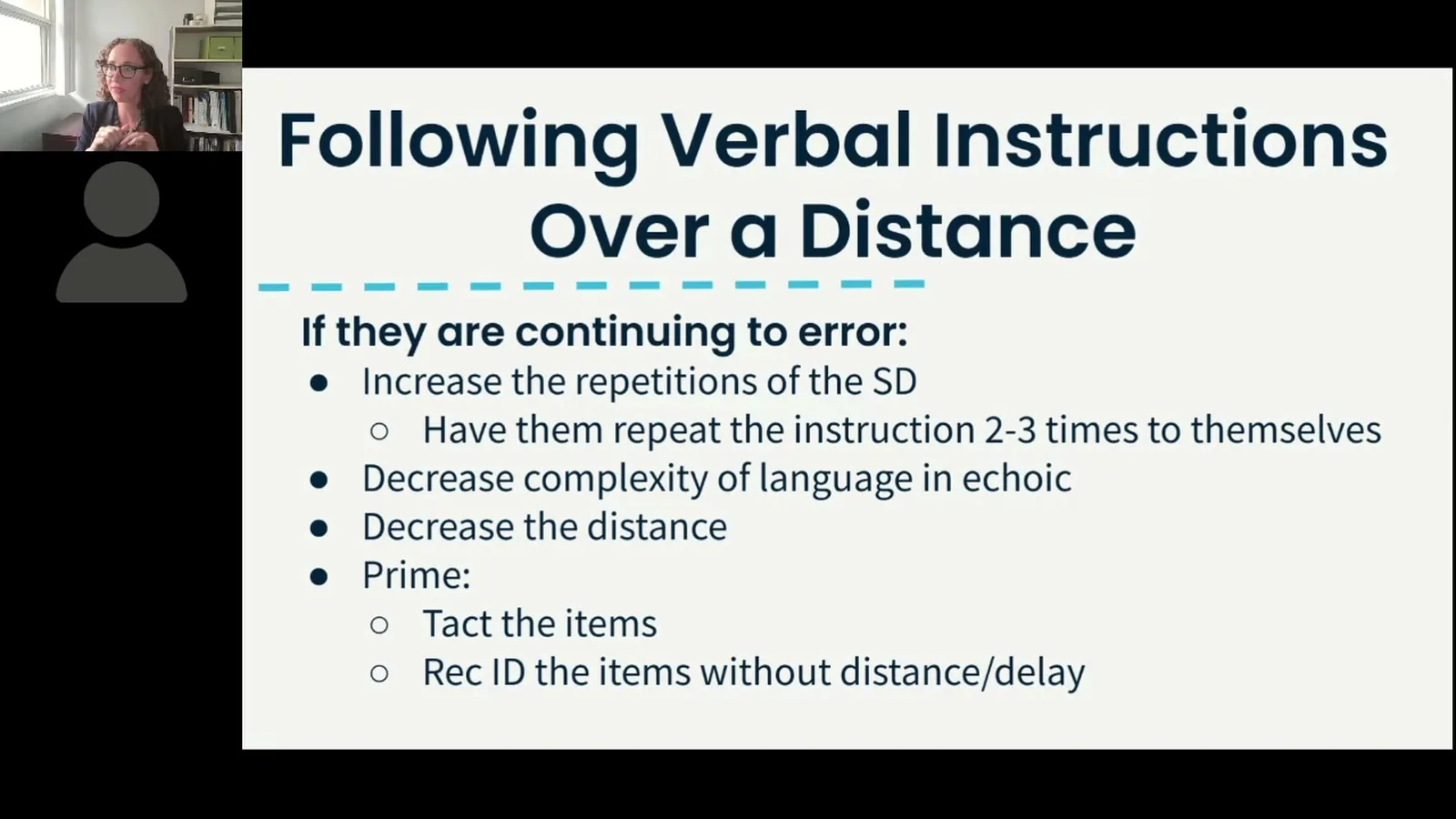
MET is described as varying stimuli/examples while holding the operant constant, a well-established method for programming generalization within one operant…
- 1 CEU
Getting the Right Answer Isn’t Enough: Establishing Speaker–Listener Repertoires for Complex Learning
Dana PettusThe Behaviorist Bookclub
The presenter repeatedly contrasts multiple exemplar teaching (drilling many single stimulus-response pairs) with joint control/verbal mediation instruction…
- 2.50 CEUs
5 Days of Manding Mastery
Matt HarringtonThe Behaviorist Bookclub
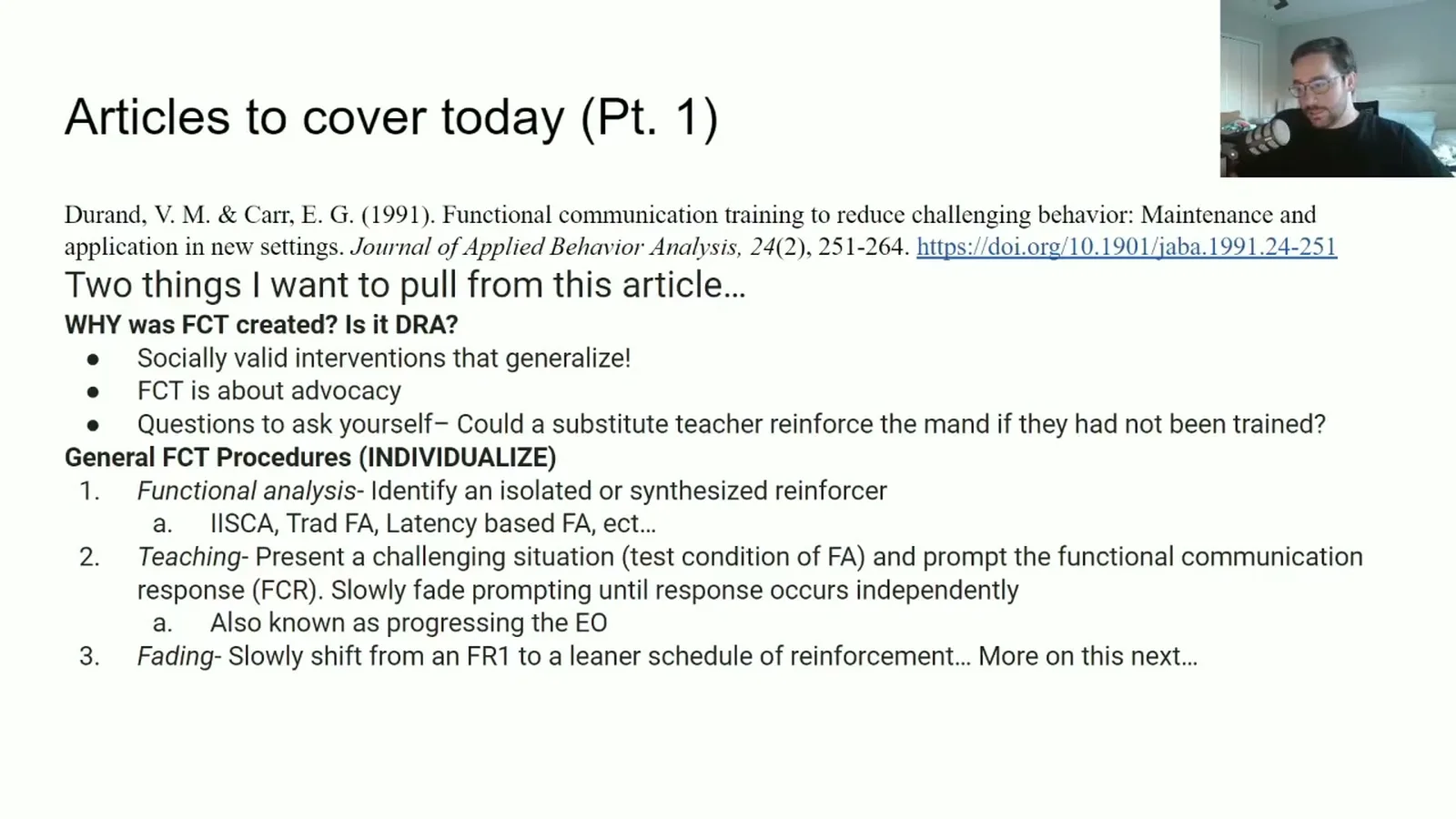
Mentioned as a generalization-focused efficiency technique, illustrated by a study where teaching only 64 combinations produced acquisition of roughly 1,000…
- 1 CEU
What Does Your Body Know? Teaching Individuals with IDD to Recognize Internal Warning Signs`
Tricia LundThe Behaviorist Bookclub
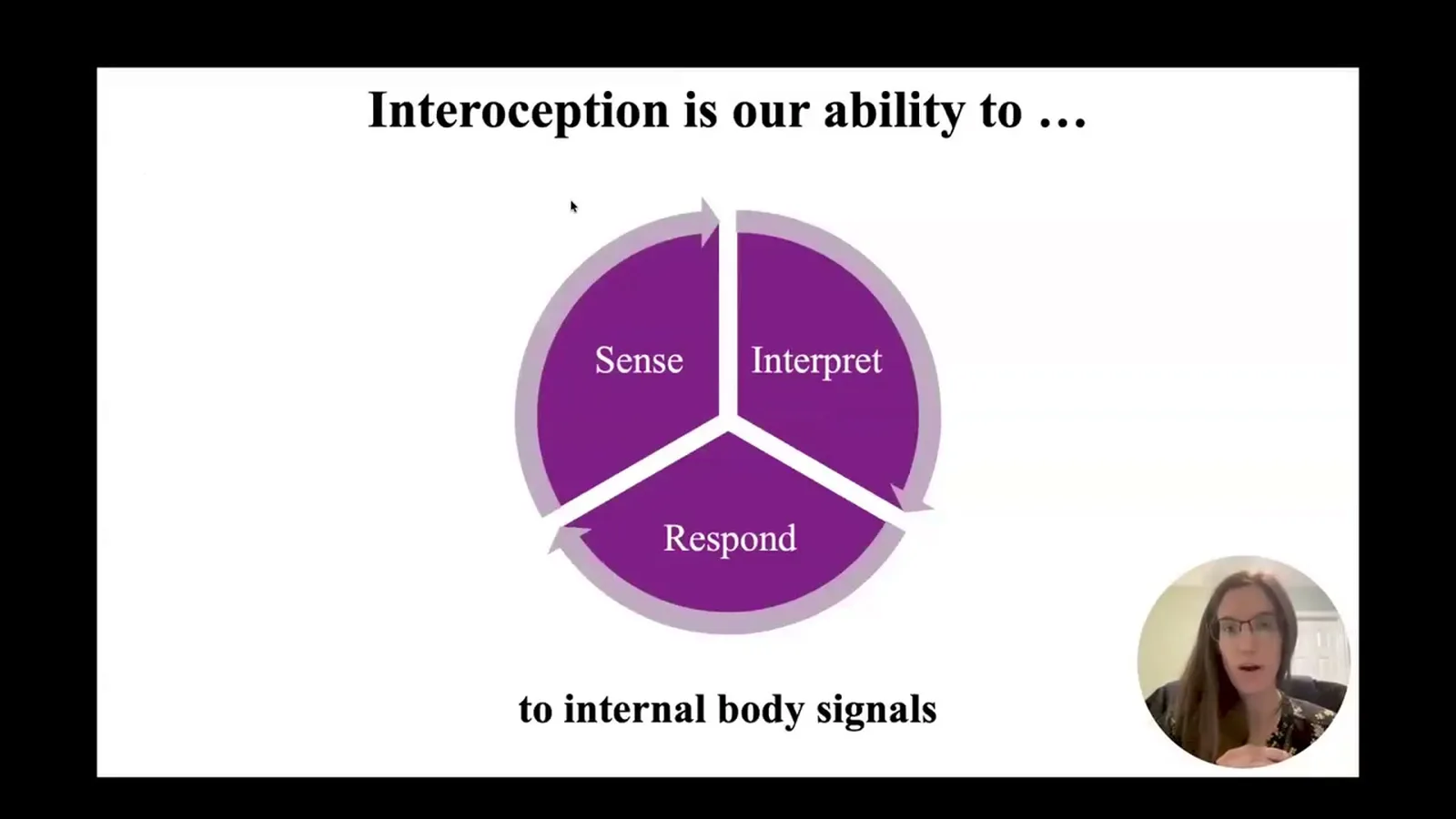
Carolyn describes pairing external antecedents with internal cue detection using multiple exemplar training, prompt fading, and generalization so that internal…

On this page · 8 sections▾
Multiple exemplar training is a way to teach a skill using many different examples. Instead of one picture or one setting, you use several. You change the materials, the people, and the place while the target skill stays the same. This helps the learner respond to new examples they were never taught.
Why does this matter? A skill that only works in one room is not very useful. Multiple exemplar training builds skills that carry over to real life. It is one of the most trusted ways to program for generalization. That word means the skill shows up in new situations on its own.
What multiple exemplar training actually means#
The core idea is simple. You keep the response the same and you vary everything around it. Dr. Jessica Osos, a behavior analyst, describes the setup this way in her talk on multiple exemplar instruction. The operant, which just means the behavior you are teaching, stays constant. Everything around it keeps changing.
You want that one behavior to hold steady. Then you swap the examples. One day it is a red cup, the next a blue mug. One session with mom, the next with a teacher. The learner starts to respond to the shared feature, not one exact copy.
It is a core teaching tool across the field#
This is not a niche trick. Tom Sabo, a behavior analyst, calls it a foundation of how the whole field teaches.
Multiple exemplar training is a dominant way that we teach people in applied behavior analysis. From the talk — Tom Sabo
That reach is part of why it shows up everywhere. Sabo uses it inside acceptance and commitment work. That therapy helps people accept hard feelings and act on their values. He uses varied examples to help clients tell apart events that look alike but work very differently. The technique bends to fit many goals, but the mechanics stay the same.
Built for generalization, not generativity#
Osos is careful about what this method does and does not do. It is excellent at spreading a skill to new examples. It is not a tool for creating brand new language on its own. Osos frames it as effective and necessary because we need to program for generalization. But the outcomes stop at generalization. Generativity is a different job.
Generalization means the taught skill shows up with new, untrained materials. Generativity means the learner produces responses no one taught at all. Those are different targets. Knowing the difference keeps your goals honest. If you want a skill to travel, this method fits. If you want new untrained language, you may need a related but different approach.
Efficiency: teach a few, get many#
 Advertisement
One reason practitioners love this approach is leverage. You do not have to teach every single example. You teach a well chosen set, then untrained examples come along for free. Matt Harrington described a striking case in his talk on manding, which means teaching learners to ask for things they want. The case used a close cousin called matrix training, which arranges teaching targets in a grid so new combinations emerge without direct teaching.
There was an article that was teaching, I think it was three-digit numbers... It used matrix training. And they were able to teach something like 1,000 numbers by only teaching 64. From the talk — Matt Harrington
That is the payoff in one sentence. A small, smart set of examples can unlock hundreds more. This saves teaching time and keeps learners moving faster toward real goals.
Teaching internal skills you cannot see#
The method is not limited to cups and cards. Carolyn used it to teach people to notice their own body signals. That is a hard thing to teach because you cannot point to the cue. Her approach pairs an inside feeling with an outside event the learner can see.
Internal sensations become more discriminable when systematically paired with observable antecedents. From the talk — Carolyn
Over time she fades the outside prompt so the inside cue does the work on its own. Her plan moves stimulus control, which means the power to trigger the behavior, from outside prompts to inside signals. Varied examples, prompt fading, and generalization checks do that work.
That is a smart use of varied examples. Many different pairings help the internal signal stand on its own. This same logic helps teach empathy, perspective taking, and other skills that live inside the person.
It works for coaching staff too#
The technique also works for the adults doing the teaching. Matt Harrington applies it to training staff on what to do after a learner pulls back consent. The field calls this assent withdrawal. He does not lecture. He has staff watch many real examples of a good response. He says the skill of knowing what to do next comes from watching many successful responses. He also talks his way through each one out loud so the key parts are clear. Watching one good example is not enough. Watching many, with narration, helps staff act with confidence instead of freezing.
What the research says#
The evidence base is broad and it keeps growing. Salomonsen and Eldevik (2024) tested a serial version of this method to build bidirectional naming. That skill means learning to both point to and label an item. Three of four preschoolers with autism reached mastery, and the skill held up across new people and settings.
Sivaraman (2017) used multiple exemplar training to teach empathy skills to children with autism. Responses grew across happiness, frustration, and sadness, and they carried over to new, untrained examples during follow up checks.
St. Clair and colleagues (2024) taught autistic children and teens to play friendly tricks, a playful form of perspective taking. The procedure worked for every participant, and the skill generalized to novel tricks no one had trained.
Alonso-Alvarez (2023) took a more theoretical angle. This work argues that a history of multiple exemplar training may be needed for certain complex relations to hold together at all. That places the method near the roots of how equivalence and derived relations form. Those terms describe how learners link ideas no one taught them directly. Osos sums up the practical takeaway well, calling it a really well-established method for programming for generalization.
Frequently asked questions#
How is multiple exemplar training different from multiple exemplar instruction?
They sound alike but aim at different outcomes. Multiple exemplar training programs for generalization, so a taught skill shows up with new examples. Multiple exemplar instruction targets generative language, where the learner produces responses no one taught. Osos treats them as separate tools with separate goals.
How many examples do I actually need?
There is no fixed number. The goal is enough variety that the learner responds to what the examples share. Vary people, places, and materials. Then probe untrained examples. If they pass, you have enough. If not, add more variety and test again.
Can it teach skills I cannot point to, like feelings?
Yes. You pair the hidden cue with something the learner can see, then fade the outside prompt. Carolyn used this for internal body signals, and studies used it for empathy and perspective taking. The many pairings help the inside cue take control on its own.
To see the full method in action, watch Multiple Exemplar Instruction (MEI): Training for Generalization with Dr. Jessica Osos. For the internal-cue application, see What Does Your Body Know? Teaching Individuals with IDD to Recognize Internal Warning Signs, and for the efficiency angle see 5 Days of Manding Mastery.
 Advertisement
Turn this topic into a CEU
You just studied this. Now get credit for it.
Watch Multiple Exemplar Instruction (MEI): Training for Generalization with Dr. Jessica Osos and earn 1 free BCBA CEU. Detailed certificate, delivered the moment you finish.
Keep going with a free learning path
Verbal Behavior: Beyond WH-Questions
Dana Pettus's three-part series on building generative verbal behavior. Why WH-question programs stall, how to establish speaker-listener repertoires, and how to scaffold advanced verbal skills like recall and simple inference. Three hours, three CEUs.