Autism & Neurodiversity CEUs for BCBAs
Autism, ADHD, assent, and neurodiversity-affirming practice.
Talks
Empowering Autonomy and Self-Management in ADHD Learners
The Behaviorist Bookclub
Shaping Behavior Change when ADHD is in the Picture
The Behaviorist Bookclub

Beyond Compliance: What Assent-Based ABA Looks Like in Real Life
Dani Elle Mentorship and Consulting
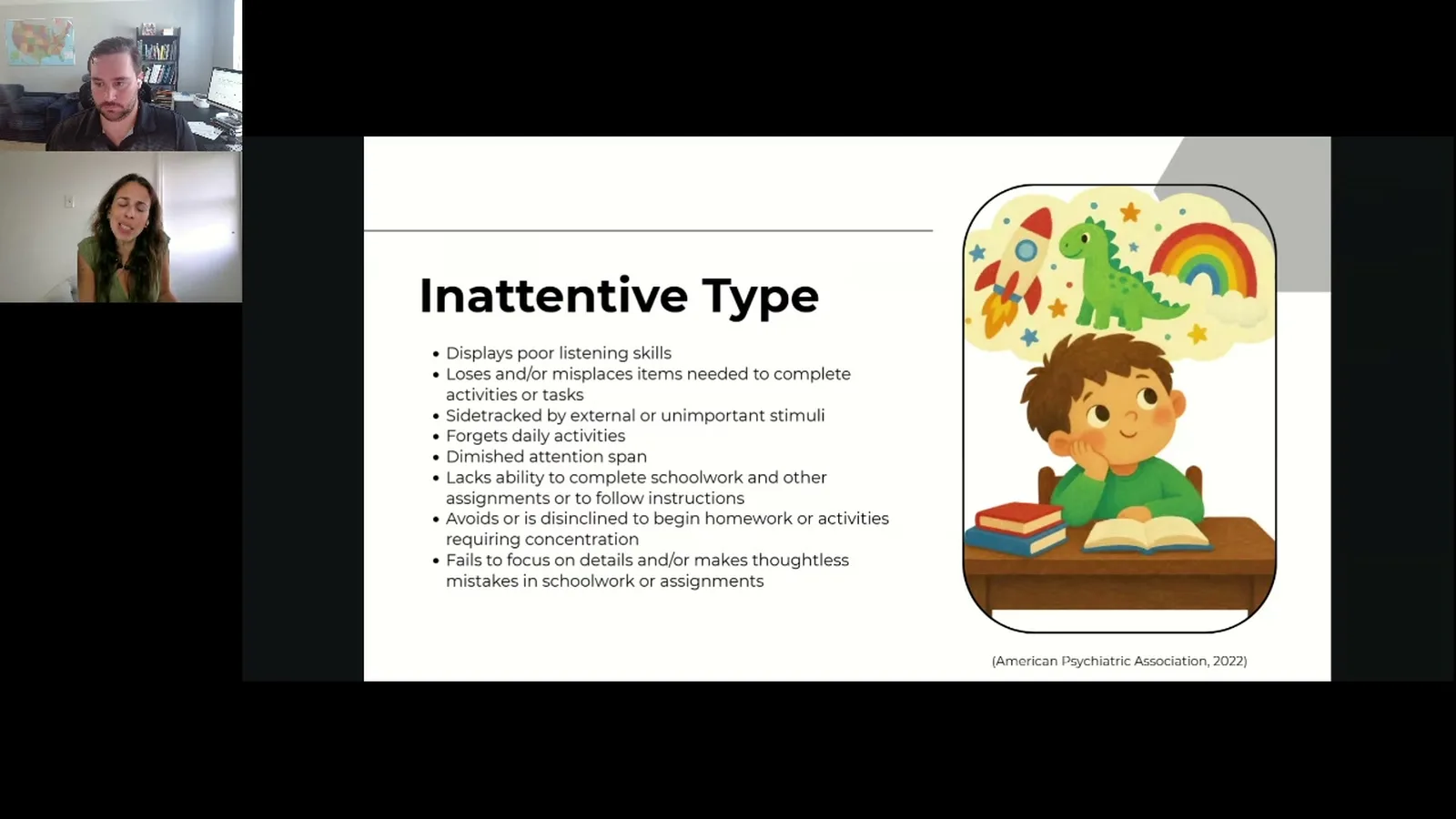
Reframing Behavior through an ADHD Lens
The Behaviorist Bookclub

It’s Complicated: Teaching Relationship Safety That Reflects Real Life
The Behaviorist Bookclub

genArete: Milestone based comparison criteria in Skill Assessment
The Behaviorist Bookclub
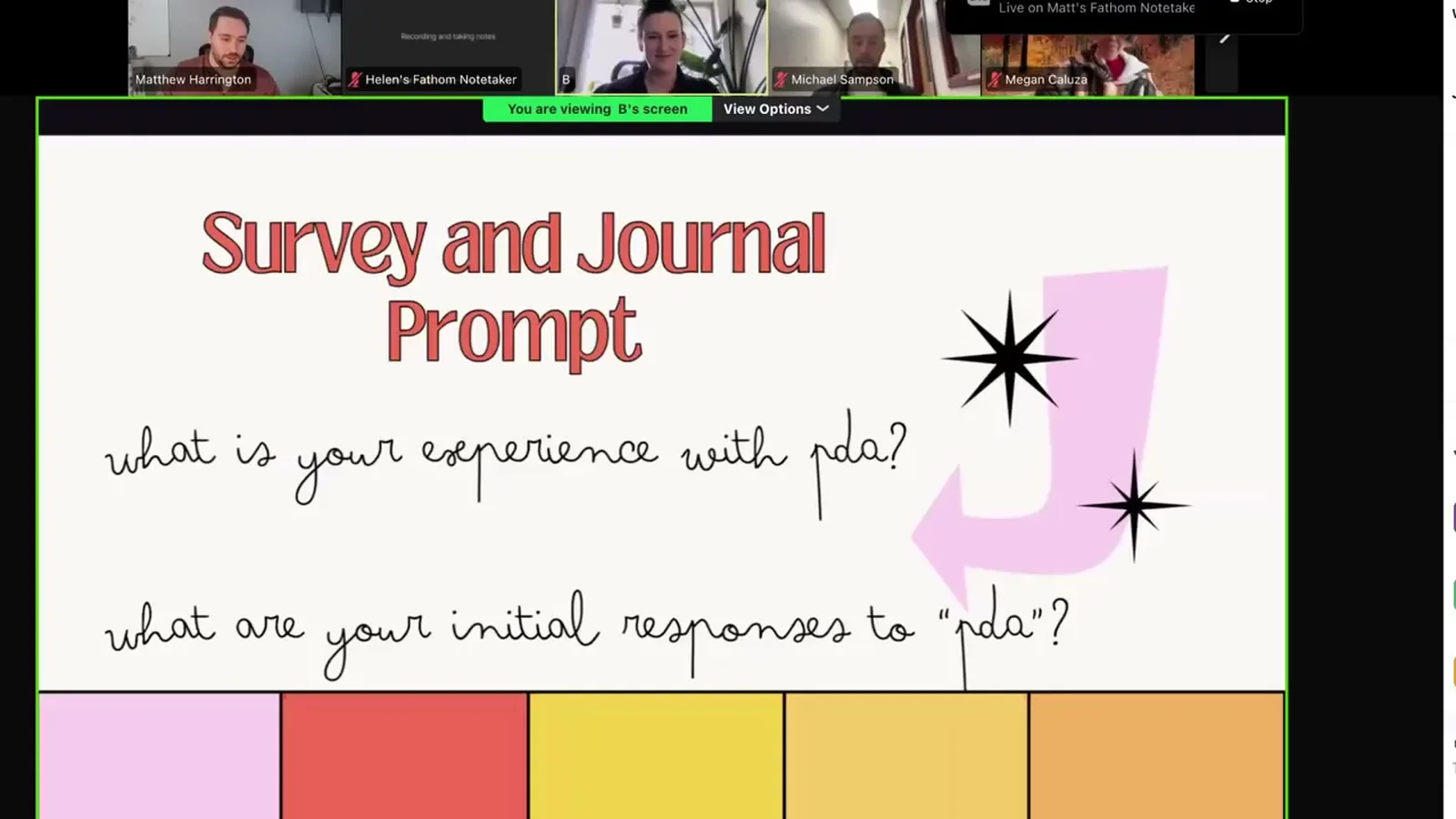
PDA: What it is and What it isn't
The Behaviorist Bookclub
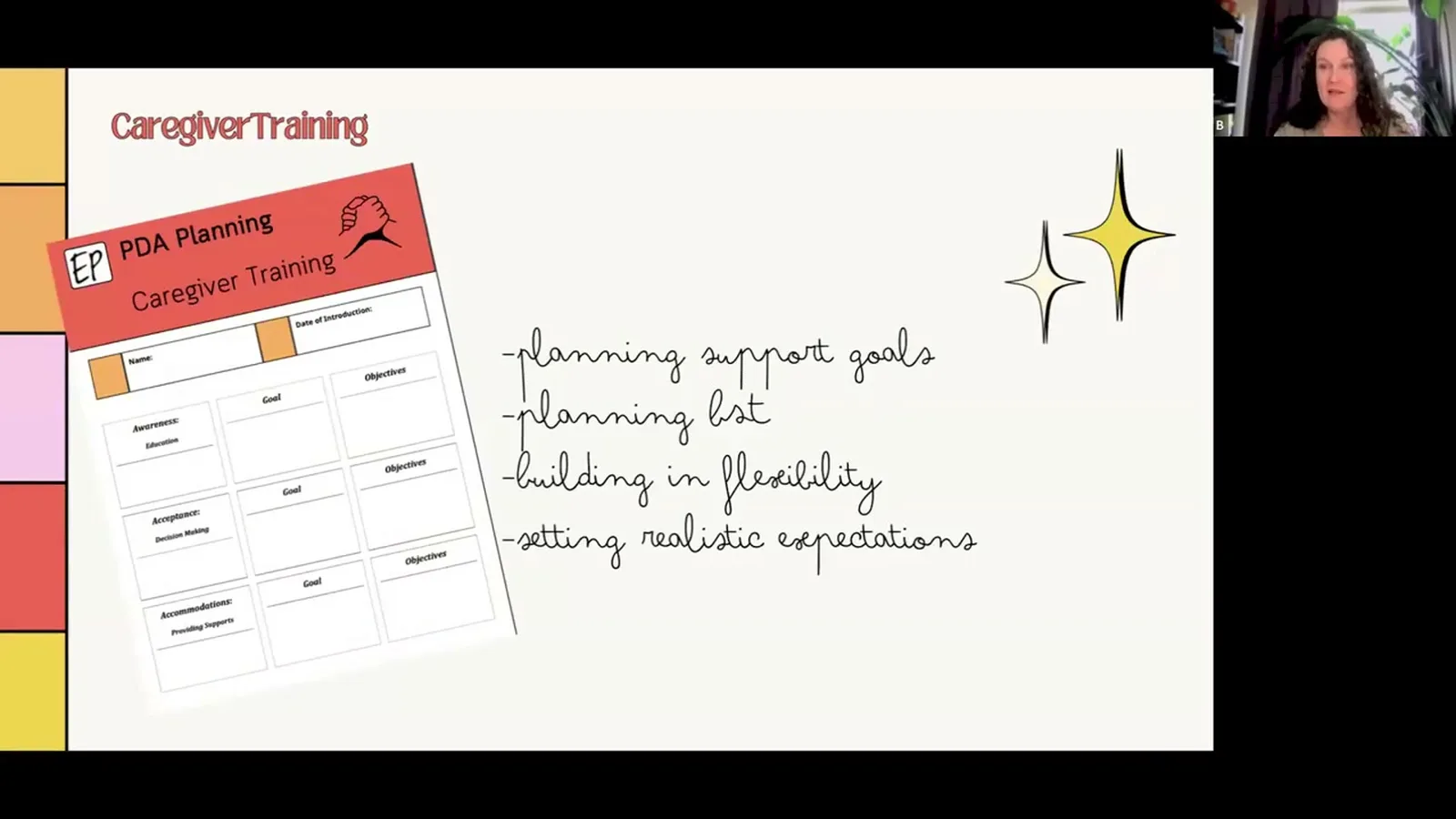
PDA Caregivers, Complex Profiles, Replacement Behaviors, and Being Trauma Informed
The Behaviorist Bookclub
Dunder Mifflin’s Guide to BCBA Ethics: Lessons from The Office
The Behaviorist Bookclub
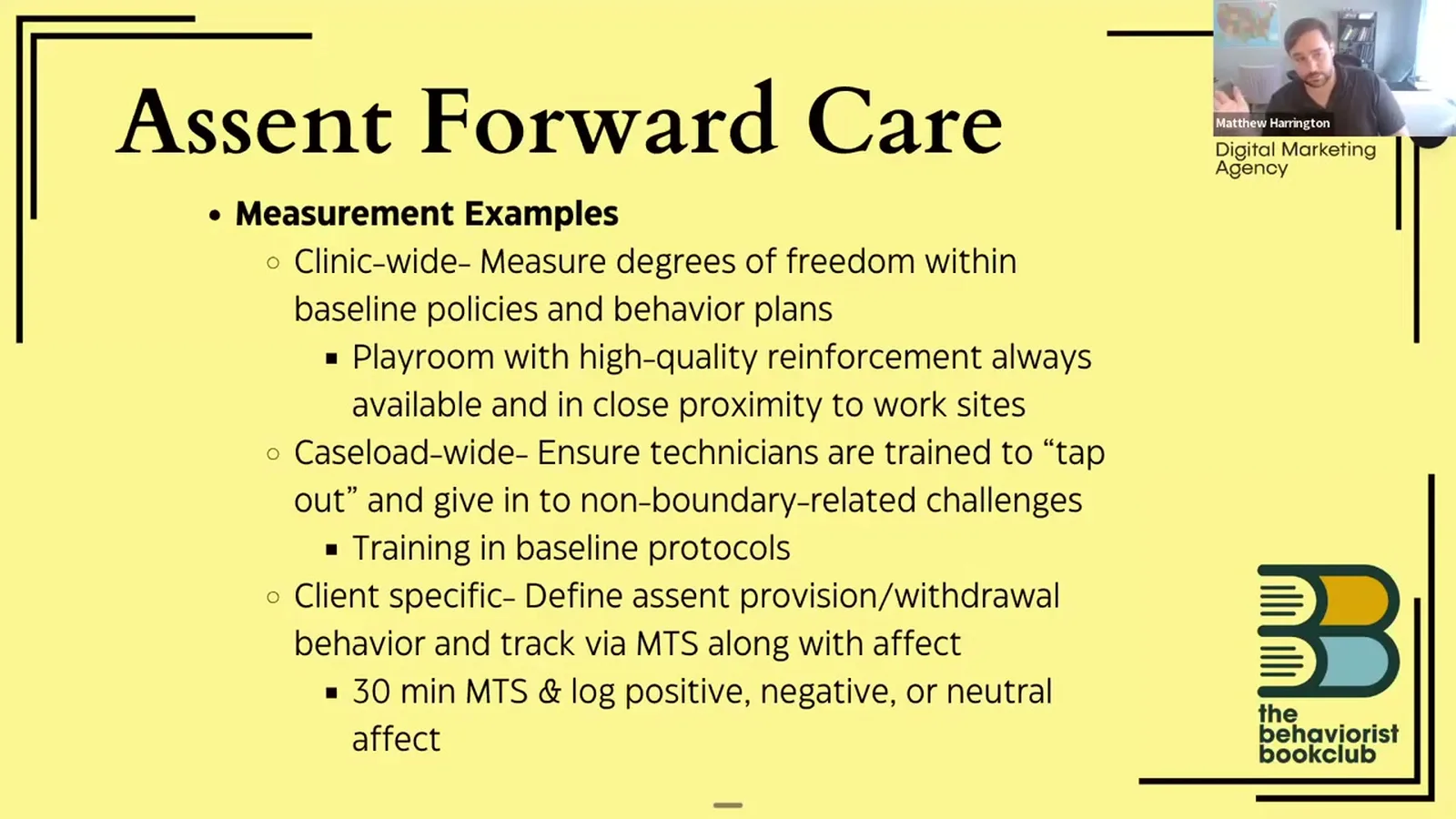
Ethical Guardrails in Behavior Reduction
The Behaviorist Bookclub
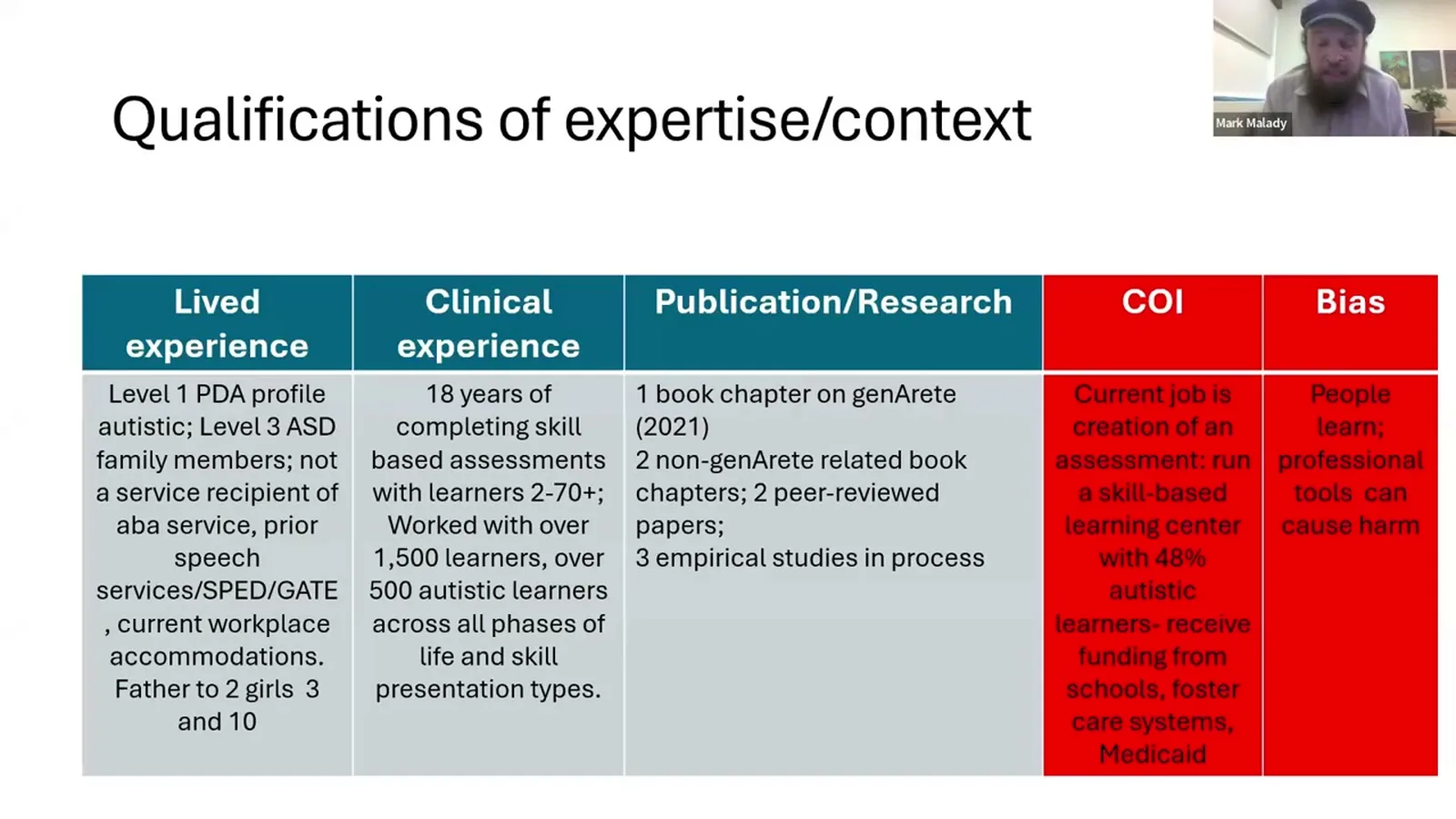
Generate: Learner Centered Skill Assessments
The Behaviorist Bookclub
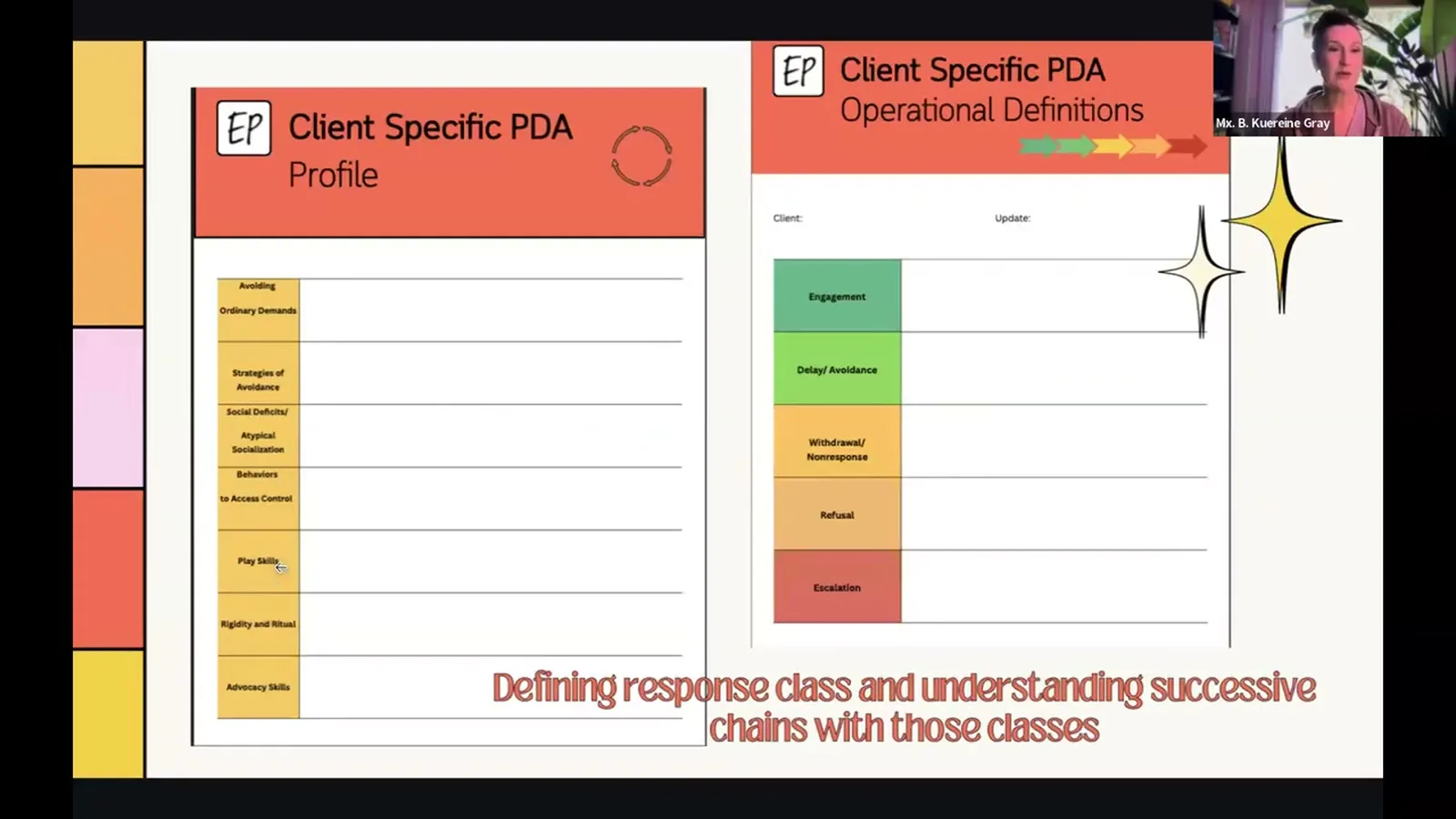
PDA: Collaborating for Success
The Behaviorist Bookclub

genArete: Learner-Centered Skill Assessment
The Behaviorist Bookclub
Key concepts
All 20 Autism & Neurodiversity guides →Plain-English guides written from the transcripts of the talks above.
- client assentClient Assent in ABA: A Plain Guide
Client assent is a learner's ongoing yes to treatment. Learn what it looks like, how it differs from consent, and how to honor it in ABA.
- enhanced choice modelThe Enhanced Choice Model: Let Learners Opt Out
The enhanced choice model lets learners join, take a free break, or leave. See why real choice cuts problem behavior and builds trust.
- assent withdrawalAssent Withdrawal: When a Learner Says No
Assent withdrawal is how a learner tells you to stop. Learn to spot the signals, honor them, and change what comes next in ABA.
- co-regulation abaCo-Regulation in ABA: Calming Down Side by Side
Co-regulation means helping a learner calm by modeling it with them, not from a distance. See how ABA experts use it before self-regulation goals.
- eye contactEye Contact in ABA: Function Over Form
Why eye contact in ABA is about function, not form. Experts on joint control, culturally fair goals, and teaching it without force.
- pathological demand avoidancePathological Demand Avoidance (PDA): A BCBA's Guide
PDA describes an extreme need to resist everyday demands, often to protect a sense of control. Learn the profile, the debate, and how to support autonomy.
- response class abaResponse Class in ABA: One Function, Many Behaviors
A response class groups behaviors that share the same function. Learn how BCBAs use it to define, count, and shape behavior with less guesswork.
- emotional maskingEmotional Masking in Autism: Signs and Support
Emotional masking is hiding distress or autistic traits to fit in. Learn why it delays support, how to spot it, and what the research shows.
- indistinguishability abaIndistinguishability in ABA: A Goal Worth Questioning
What indistinguishability means in ABA, why norm-referenced tools can push it, and how to keep assessments centered on the learner.
- interoceptionInteroception in ABA: Teaching Internal Body Cues
What interoception means in ABA and why it matters for safety. Learn how BCBAs, RBTs, and parents can teach learners to notice internal body signals.
- neurodiversity abaNeurodiversity in ABA: What It Means for Practice
Neurodiversity is the idea that brains work in different ways. Learn what it means for ABA, why families raise concerns, and how to respond with respect.
- norm-referenced assessment abaNorm-Referenced Assessment in ABA: Uses and Limits
Norm-referenced assessment compares a learner to same-age peers. See how it works, where it falls short, and the neurodiversity concern.
Speakers in Autism & Neurodiversity
Providers hosting Autism & Neurodiversity
Common questions
- Do free autism & neurodiversity CEUs count for BCBAs?
- Yes. BCBAs need 32 CEUs every 2-year certification cycle, and most can be general learning CEUs. Free CEUs from an ACE provider count the same as paid ones. Every course here is presented through a verified BACB ACE provider, and your certificate lists the ACE provider number the BACB needs.
- What does the autism & neurodiversity topic cover?
- Autism, ADHD, assent, and neurodiversity-affirming practice. Every talk in this hub is a recorded session from a verified ACE provider, and the guides below are written from those talks' transcripts.
- How do I get the certificate?
- Watch the recording and answer the attendance checks as they appear, then pass the short quiz. Your certificate is emailed instantly, with an audit PDF that documents your attendance if the BACB ever asks.
- How many autism & neurodiversity CEUs can I earn here?
- Right now there are 13 courses in this topic worth 13 total credit hours, and new events are added as ACE providers host them on openceu.