Emotional Masking in Autism: Signs and Support
Emotional masking is hiding distress or autistic traits to fit in. Learn why it delays support, how to spot it, and what the research shows.
Key takeaway
Emotional masking is hiding how you really feel. A person covers up stress, fear, or confusion to look calm. Many autistic people mask to fit in with others.
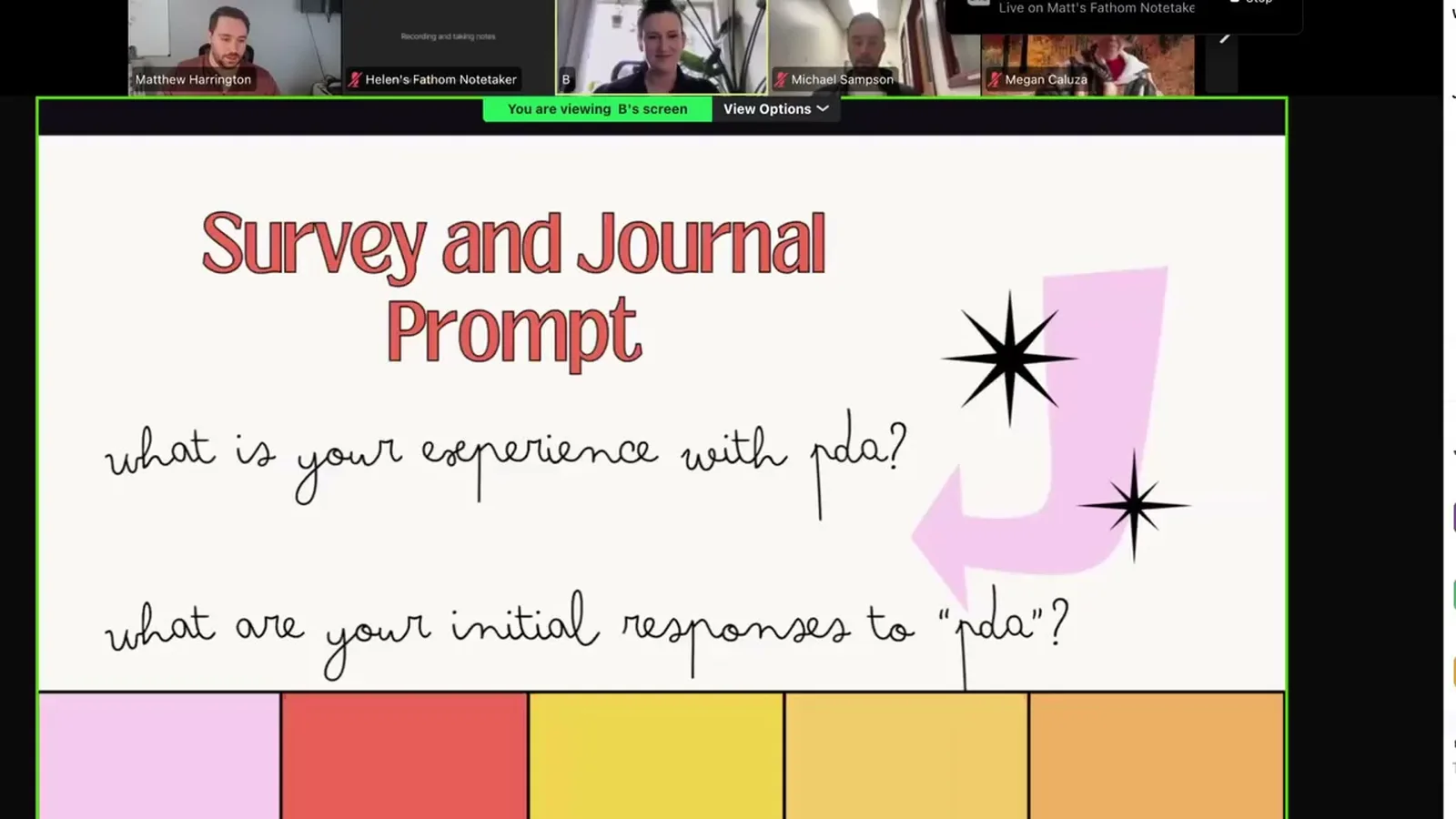
PDA: What it is and What it isn't
Experts who cover this
2 recordings on openceu cover emotional masking.
- Featured talk1 CEU
PDA: What it is and What it isn't
B. Kuereine GrayThe Behaviorist Bookclub
B repeatedly ties PDA to high masking, arguing individuals use language and surface social skills to camouflage underlying deficits, which delays autism…
- 1 CEU
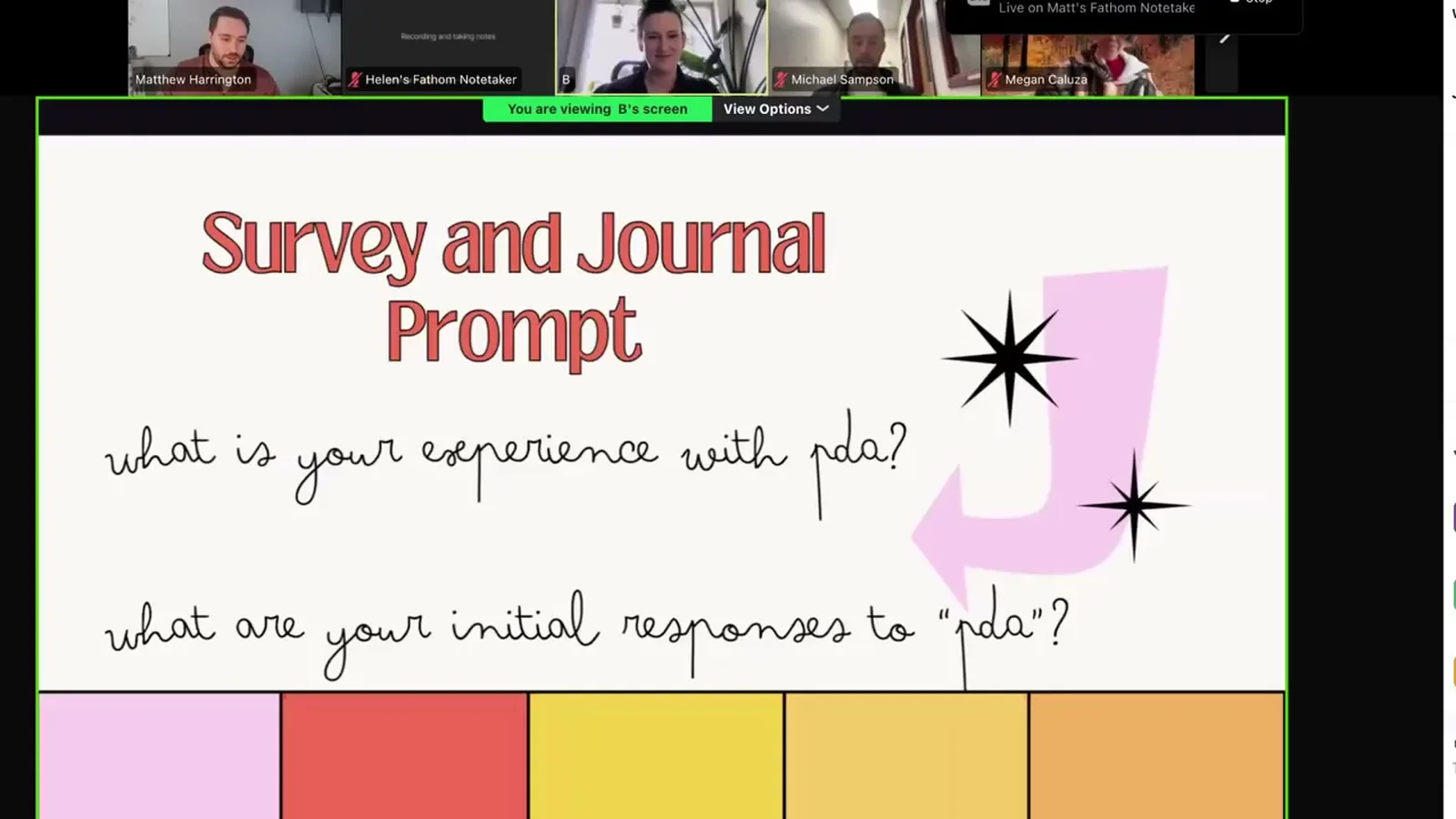
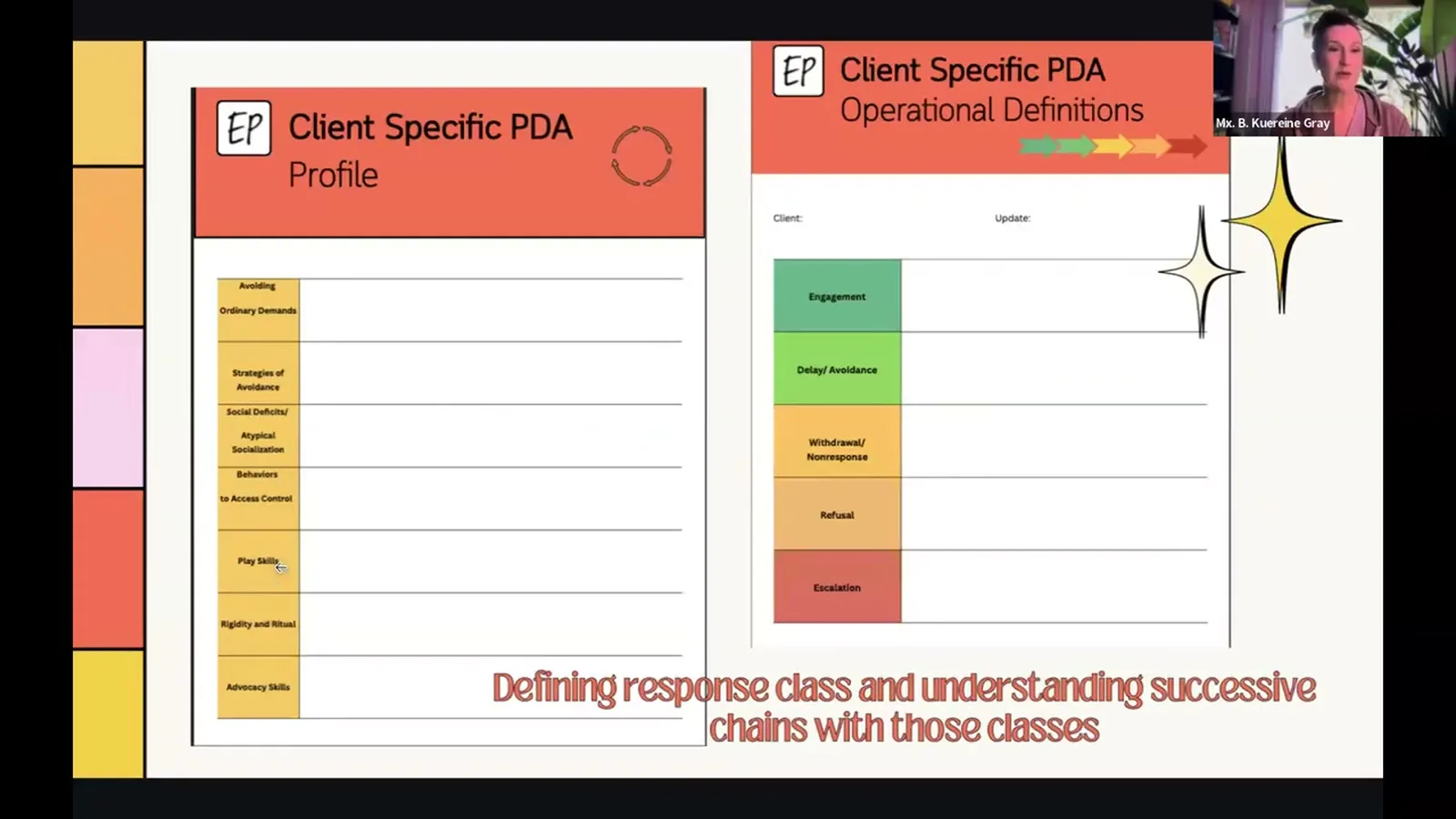
PDA: Collaborating for Success
B. Kuereine GrayThe Behaviorist Bookclub
Discussed as a common but unpublished clinical observation in PDA: individuals mask distress until the environment becomes unsustainable, at which point a…
On this page · 6 sections▾
Emotional masking is hiding how you really feel. A person covers up stress, fear, or confusion to look calm. Many autistic people mask to fit in with others.
This matters because masking hides real needs. BCBAs, RBTs, teachers, and parents may miss the signs. A learner who looks fine may be struggling inside. When we cannot see the struggle, we cannot help.
What emotional masking looks like#
Masking often looks like nothing at all. The person seems relaxed and in control. But under the surface, they may feel very stressed.
B. Kuereine Gray sees this pattern often in her work. A person hides distress until they simply cannot anymore. Then the calm face breaks all at once.
There is frequently masking of emotion and affect until it becomes unsustainable. From the talk — B. Kuereine Gray
This buildup can trick the people nearby. Everything seems fine right up to the breaking point. Then a big reaction appears with no clear warning.
It's very common in my experience that you see masking until the environment is unsustainable. And then you see what appears to be a big reaction out of nowhere. From the talk — B. Kuereine Gray
The reaction is not really out of nowhere. It is the end of a long, hidden effort. The stress was there the whole time, just covered up.
How masking delays support#
Masking can hide a person's real needs from everyone. Good surface skills can cover deep struggles. Because of this, some autistic people go unseen for years.
Gray explains how strong social skills can mask true deficits. Other people assume the person is fine. Some even miss an autism diagnosis because of it.
They are likely high masking. They may have language in social skittles that will mask underlying deficits so that other people might not notice some of their deficits or think that those deficits don't exist and some of them may be missed as not having an autism diagnosis. From the talk — B. Kuereine Gray
This creates a hard problem. The better someone masks, the less help they receive. Their needs are real, but hidden from view. Gray notes that people with PDA profiles tend to mask even more. That can make it very hard for them to get the amount of support they need.
So masking is not a sign that things are okay. It can be a sign that support is being missed. Skilled clinicians look past the calm surface.
The hidden cost of masking#
 Advertisement
Masking takes a lot of energy. The person watches others and copies them. Over time, this effort wears them down.
Kaelynn Partlow shared her own story of learning to blend in. She studied how peers acted and slowly matched them. She did this to feel accepted at school.
Through careful observation of social interaction, she learns to mimic the mannerisms of others. She quickly connects this mimicry with social acceptance from her peers, despite not always being able to perform it reliably. From the talk — Kaelynn Partlow
As she grew up, her masking got smoother. She could pass in most social settings. But the effort never went away.
Aside from the people closest to her, no one is fully aware of how she struggles to cope with small changes, keep her body still and quiet, and control her emotions. From the talk — Kaelynn Partlow
Only her closest people saw the real cost. To everyone else, she looked fine. This gap between inside and outside is the heart of masking.
What this means for practice#
Masking should change how we watch and plan. A calm learner may still need support. We should not wait for a blowup to act.
Look for small early signs of stress. A tense body or a quiet withdrawal can be clues. These may come before the bigger reaction.
Building safe, low-demand spaces also helps. When the setting feels safe, there is less need to mask. The learner can show real feelings sooner. Gray covers more of this in PDA: Collaborating for Success.
We should also rethink what "good behavior" means. A quiet, still learner is not always a calm one. They may be working hard to hold it all in. That effort deserves support, not just praise.
Partlow also reminds us that masking is a skill learners build over time. She learned it through years of careful watching. Many learners do the same to feel accepted. Knowing this helps us respond with care, not surprise.
What the research says#
Masking is also called camouflaging in research. But the term is used in many different ways. One review of hundreds of studies found the concept is often unclear (Camouflaging and autism: Conceptualisation and methodological issues). Studies do not always measure the same thing.
Masking often depends on how safe a place feels. In one study, autistic children felt most positive about themselves at home. Far fewer felt that way around peers or teachers, where masking was common (Growing-up autistic: Sharing autistic children's experiences and insights). Safe people made masking less needed.
Masking can also blur diagnosis. One study compared autistic women with women who had borderline personality disorder. The two groups can look alike on the surface. Researchers used social camouflaging, among other traits, to tell them apart. (Overlapping and Differentiating Clinical Features of Autism and Borderline Personality Disorder in Women and People Assigned Female at Birth.) This shows why identification can be hard.
FAQ#
What is emotional masking in autism?
Emotional masking is hiding real feelings and autistic traits to fit in. The person may copy others and cover stress. It often looks calm on the outside. Inside, the person may be working very hard.
Why is masking harmful if it helps someone fit in?
Masking hides real needs from the people who could help. It also takes a heavy toll of energy over time. This can lead to burnout and sudden, large reactions. It may even delay an autism diagnosis.
How can you tell if someone is masking?
Watch for small signs of stress under a calm surface. A tense body, withdrawal, or a big reaction after a long calm period can be clues. Building trust and safe spaces often helps the real feelings show sooner.
 Advertisement
Turn this topic into a CEU
You just studied this. Now get credit for it.
Watch PDA: What it is and What it isn't with B. Kuereine Gray and earn 1 free BCBA CEU. Detailed certificate, delivered the moment you finish.
Parent or caregiver? Find a vetted ABA provider near you on ProviderSpark.