PDA Caregivers, Complex Profiles, Replacement Behaviors, and Being Trauma Informed
Presented by B. Kuerine Gray
Cancel any time. Cert delivered to your inbox the moment you pass the quiz.
Learner ratings
from 32 learners
100% would recommend this CEU to other professionals in their field (19 responses)
“Great session.”
— Lindsay M.“Amazing content, thank you so much!”
— Huhana M.“Awesome”
— Emma H.“Interesting and thought provoking”
— Stephanie H.“She had a lot of pauses and “uum”s and stuff like that which made it hard for my brain to follow, but she did much better at the end when they were just talking and answering questions. I don’t like the weird cursive font on the slides. I appreciate her making them creative, but that particular font is just hard to read.”
— Casey R.
What you'll learn
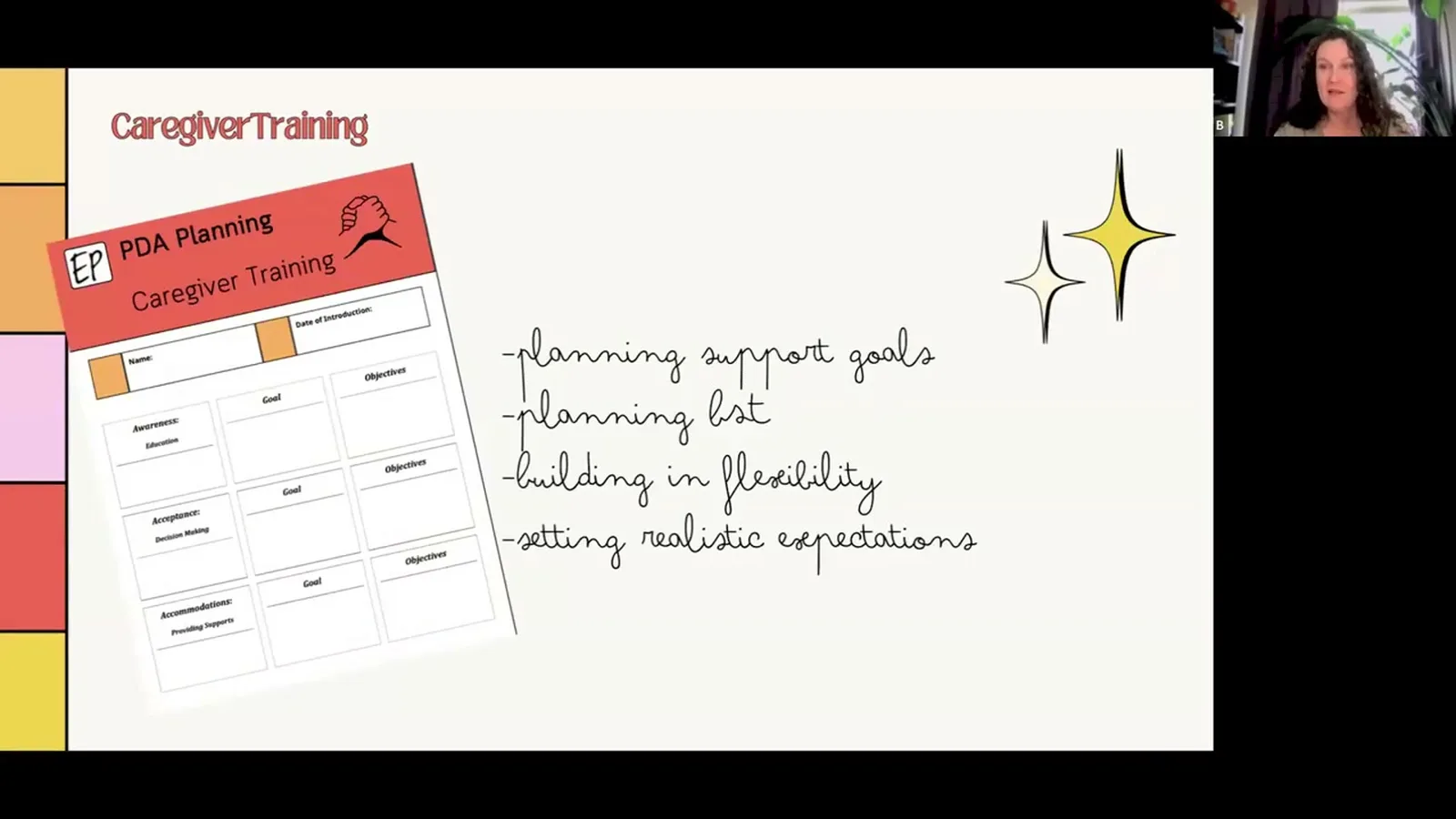
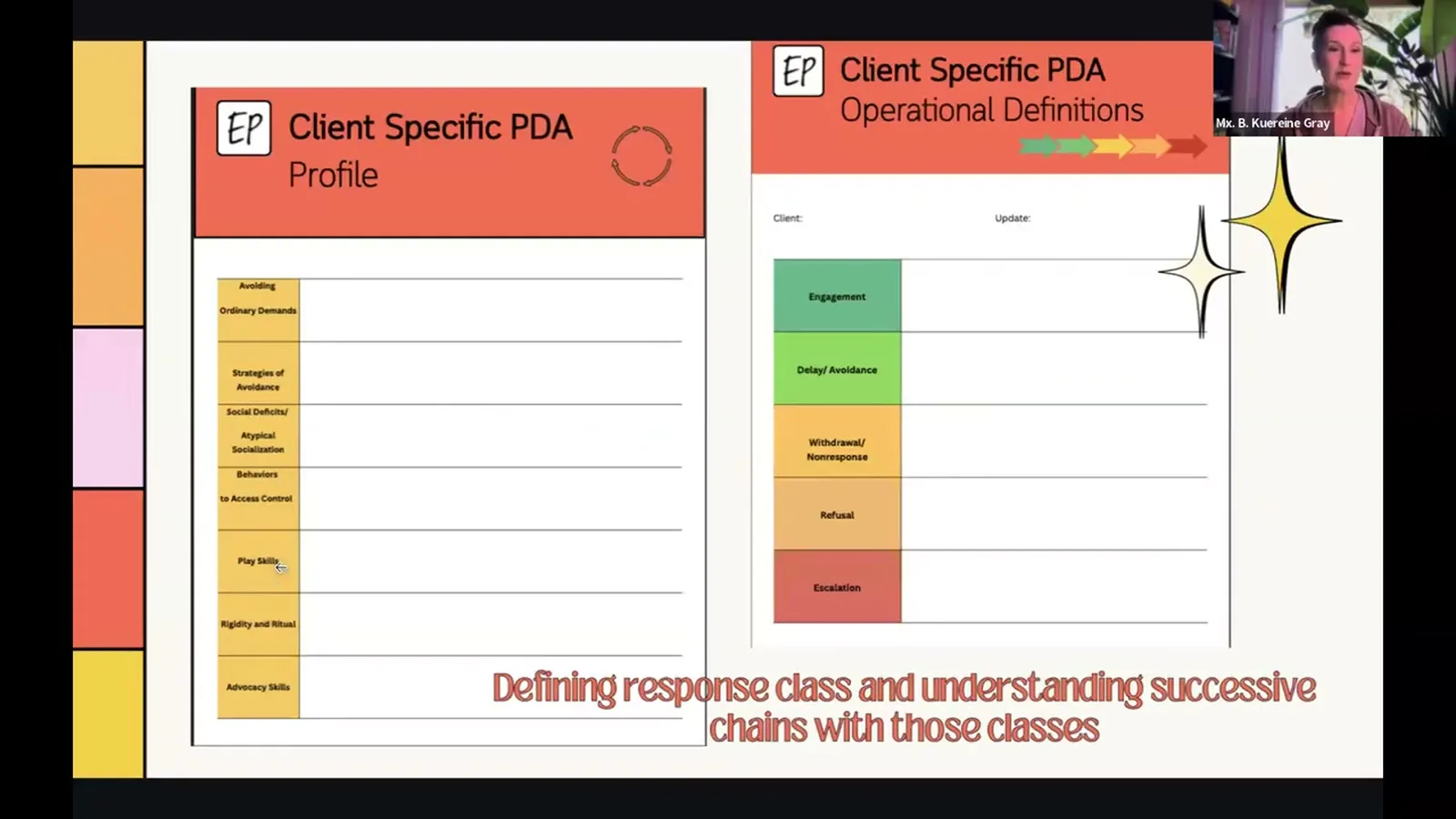
- 1• Describe the characteristics of a Pathological Demand Avoidance (PDA) profile and how it presents in complex cases • Identify function-based replacement behaviors appropriate for demand-avoidant learners • Apply trauma-informed principles when designing interventions for caregivers and clients
Concepts in this CEU
Related talks
Talks that cover the same concepts
12 days of PFA & SBT
The Behaviorist Bookclub

Shaping Behavior Change when ADHD is in the Picture
The Behaviorist Bookclub

Teaching RBTs to Think Clinically: Training In-the-Moment Decision Making
Copper Consulting Group
PDA: Collaborating for Success
The Behaviorist Bookclub
Compliance to Commitment: Seven Habits of the Highly Effective Caregiver Trainer
The Behaviorist Bookclub
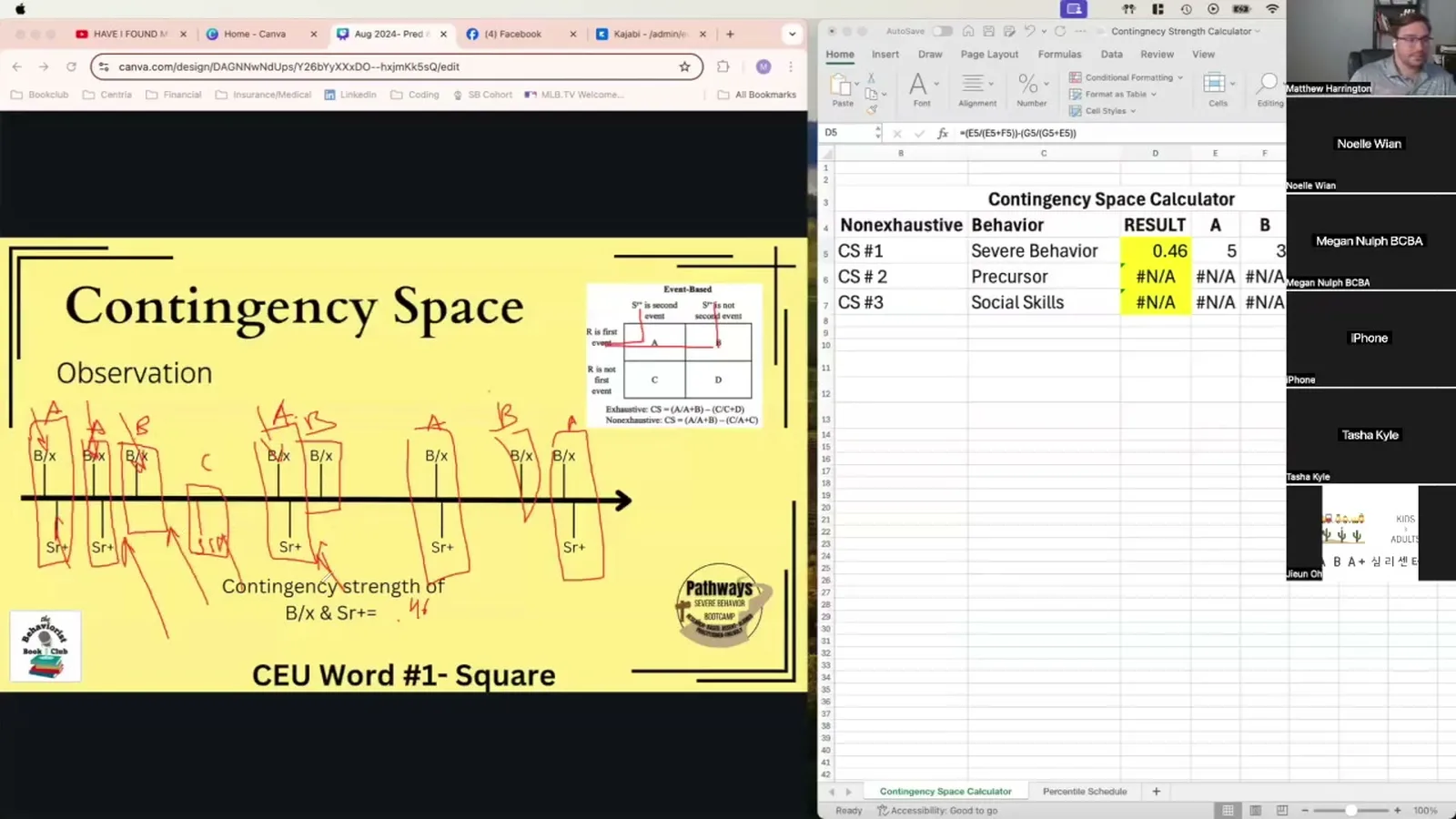
Prediction and Probabilities: Three foundational equations to successful behavior reduction
The Behaviorist Bookclub
More from The Behaviorist Bookclub
Empowering Autonomy and Self-Management in ADHD Learners
The Behaviorist Bookclub
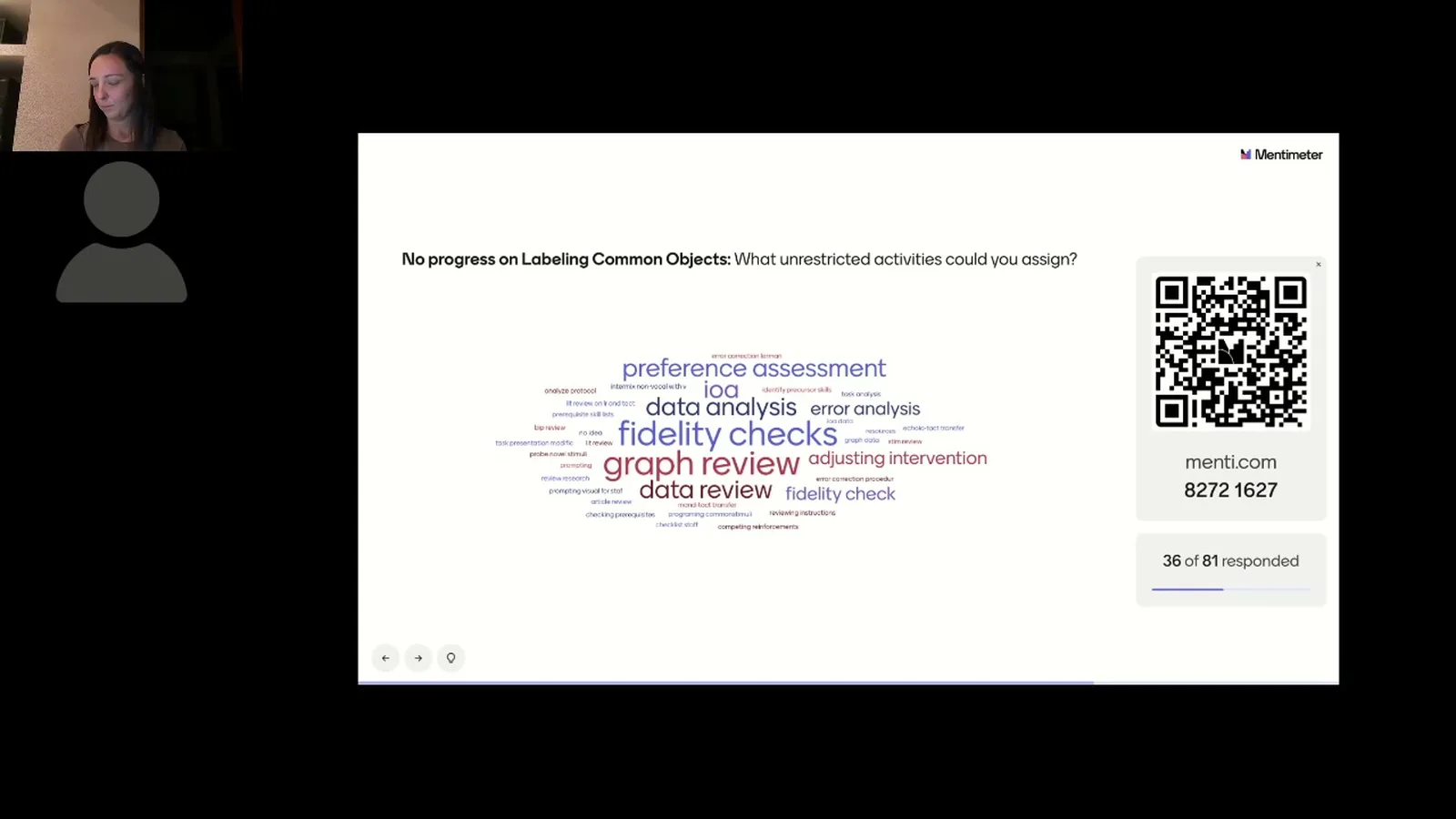
From Hours to Competence: Assessing and Developing Supervisee Skills
The Behaviorist Bookclub
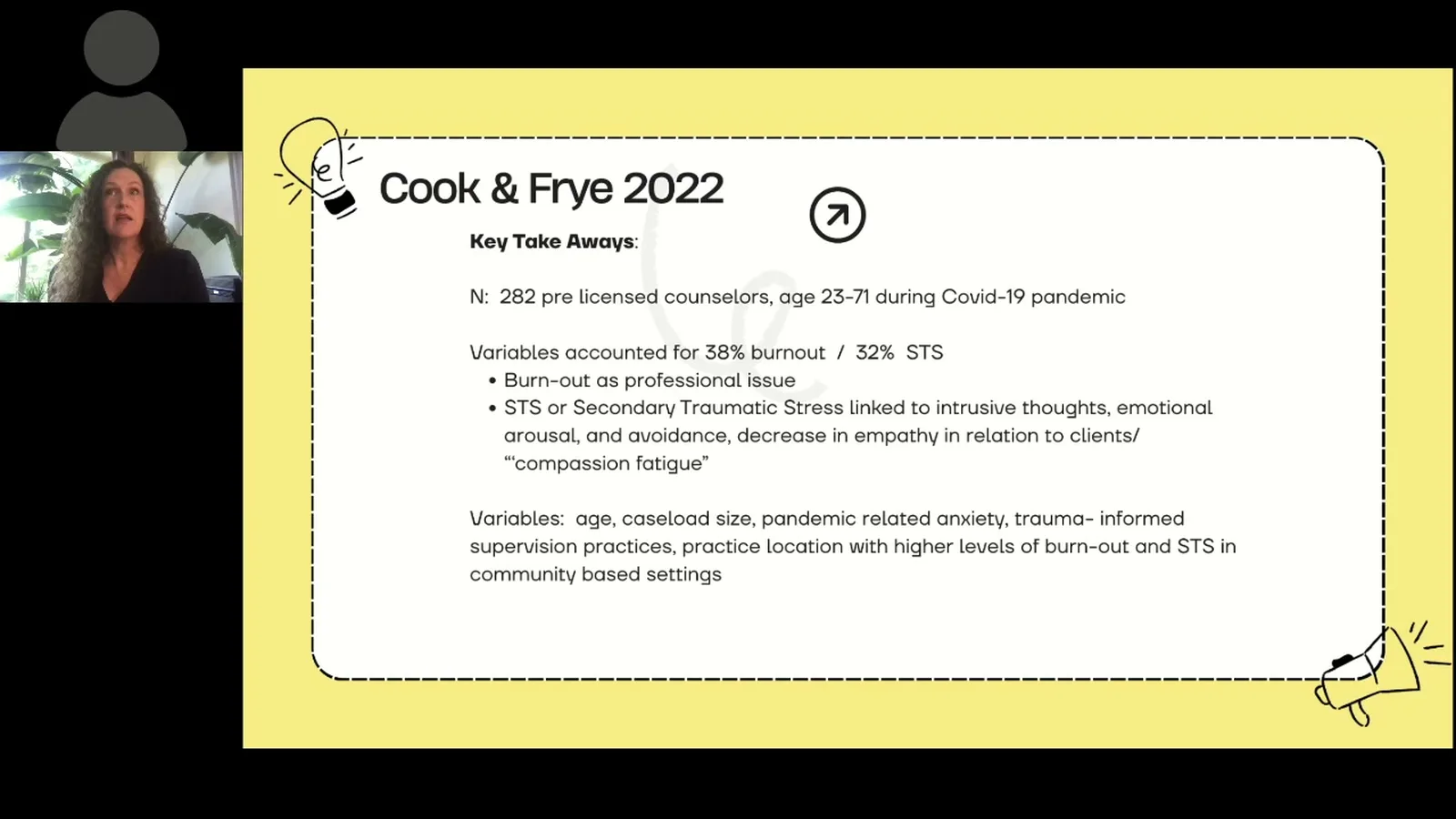
Reflective Supervision and Provider Outcomes in ABA
The Behaviorist Bookclub
OpenCEU is supported by advertising from third-party sponsors. Sponsors are clearly labeled, have no influence over course content, instructors, or CEU decisions, and never appear on certificates. The BACB does not sponsor, approve, or endorse OpenCEU sponsors or their products.