Analyzing Assent and Taking Data
Presented by Matt Harrington
This five-part training provides behavior analysts with a practical, data-driven framework for integrating client assent into daily practice. Using the lens of behavior analysis and ethics, the course walks through how to identify, track, and analyze assent across multiple formats—vocal/verbal behavior, concurrent chains arrangements, and degrees of freedom. Emphasis is placed on designing interventions that support client autonomy and maximize participation without coercion. Real-world examples and data collection strategies guide practitioners in creating individualized, assent-centered treatment plans that align with both ethical mandates and effective behavioral principles.
Register free & watch nowCancel any time. Cert delivered to your inbox the moment you pass the quiz.
Learner ratings
from 120 learners
98% would recommend this CEU to other professionals in their field (57 responses)
About this CEU
This five-part training provides behavior analysts with a practical, data-driven framework for integrating client assent into daily practice. Using the lens of behavior analysis and ethics, the course walks through how to identify, track, and analyze assent across multiple formats—vocal/verbal behavior, concurrent chains arrangements, and degrees of freedom. Emphasis is placed on designing interventions that support client autonomy and maximize participation without coercion. Real-world examples and data collection strategies guide practitioners in creating individualized, assent-centered treatment plans that align with both ethical mandates and effective behavioral principles.
What you'll learn
- 1Learning Objectives
- 2By the end of this course, participants will be able to:
- 3Define and distinguish between assent and informed consent, including ethical and behavioral implications within ABA practice.
- 4Identify and measure vocal/verbal behaviors that indicate assent or assent withdrawal in a variety of clinical contexts.
- 5Design and implement concurrent chains arrangements that provide clients with clear, observable choices between participation and withdrawal.
- 6Describe and apply the concept of degrees of freedom to assess the availability and equity of client choice in treatment plans.
- 7Integrate assent practices into full treatment protocols, including continuous measurement systems and intervention design that respects client autonomy.
- 8Critically evaluate current protocols to ensure that they offer meaningful opportunities for assent and are free from coercion.
Concepts in this CEU
Related talks
Talks that cover the same concepts
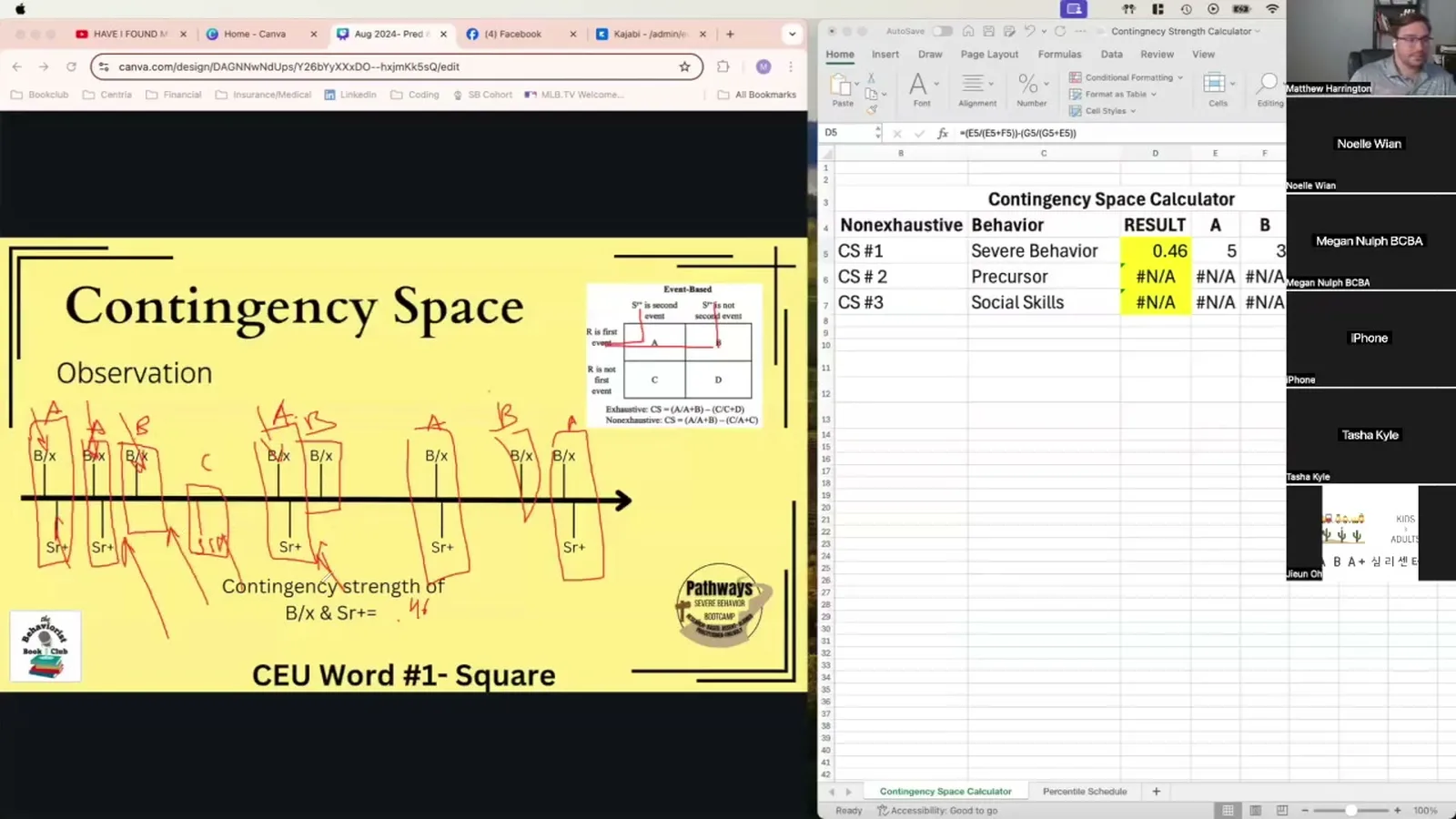
Prediction and Probabilities: Three foundational equations to successful behavior reduction
The Behaviorist Bookclub
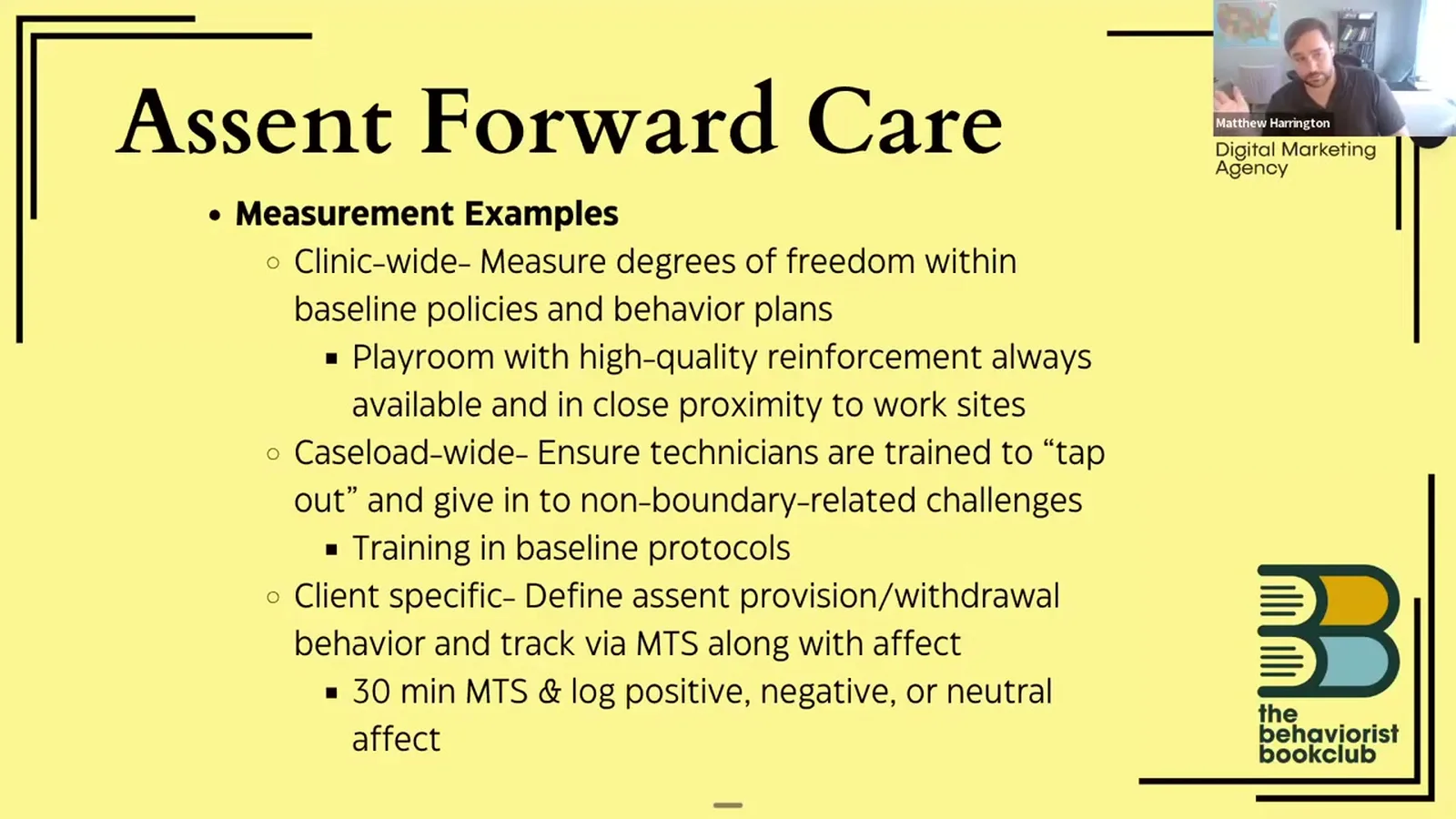
Ethical Guardrails in Behavior Reduction
The Behaviorist Bookclub
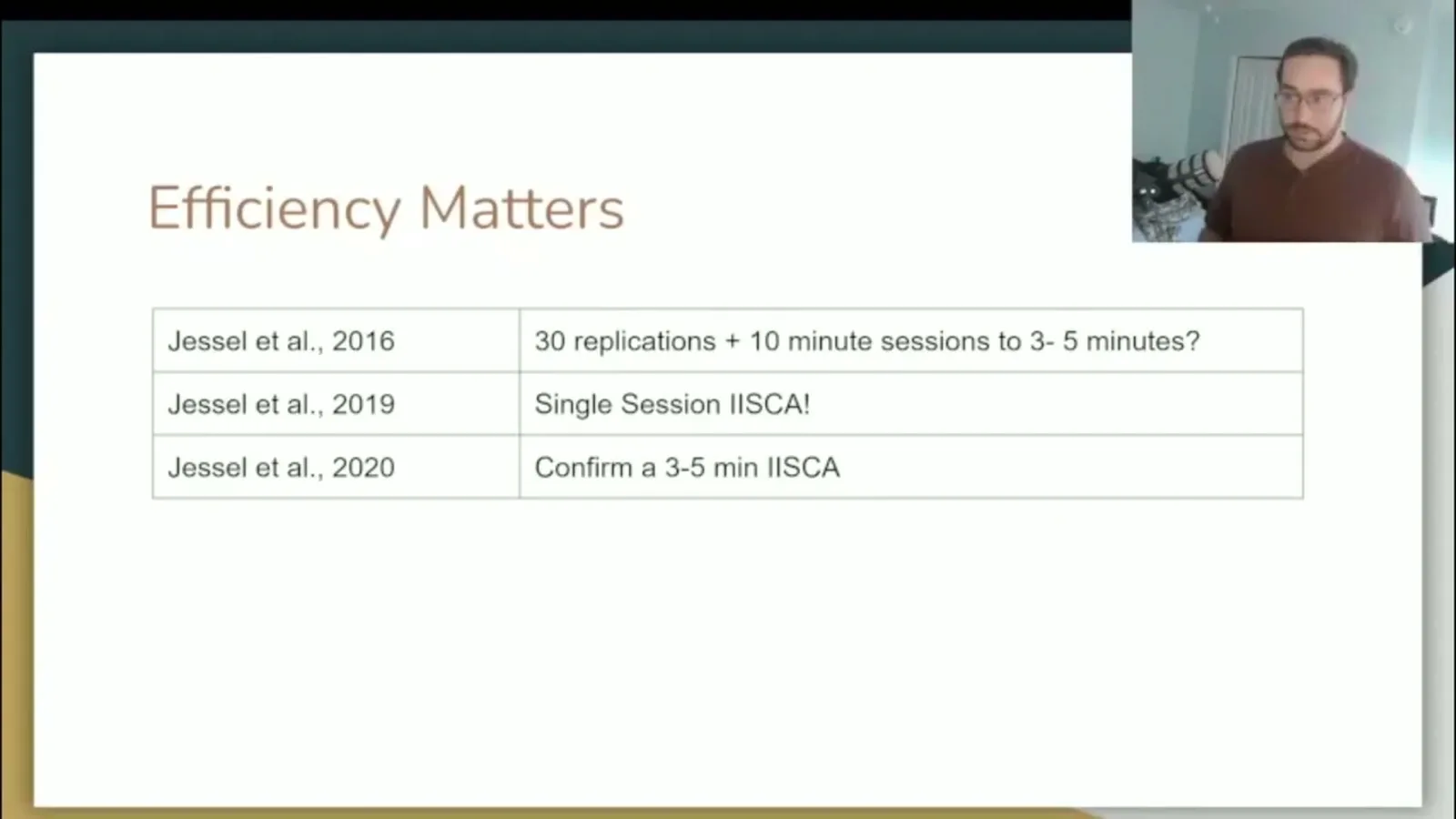
12 days of PFA & SBT
The Behaviorist Bookclub
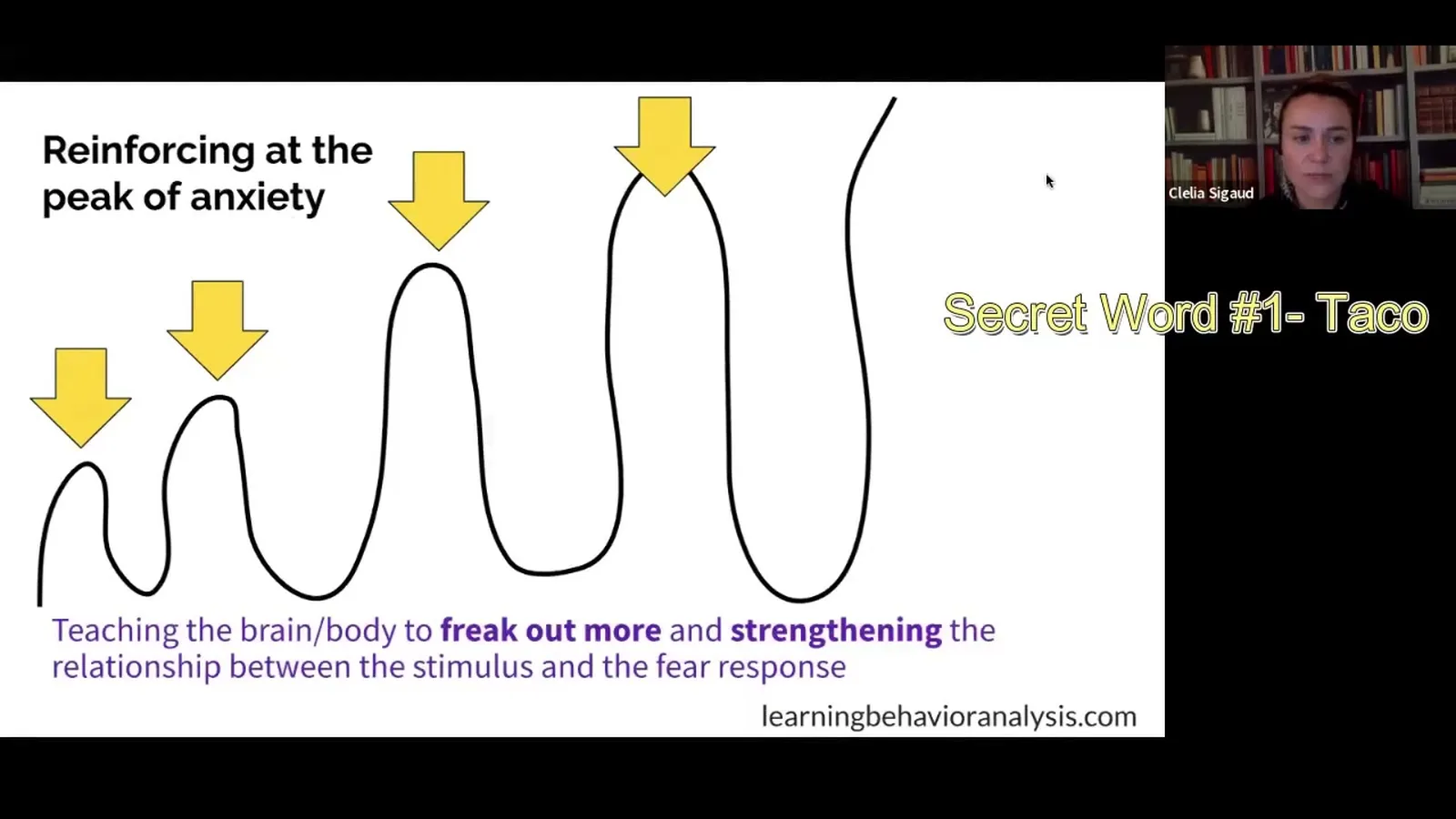
Hey, Chillax Man! Understanding the Logic of Anxiety
The Behaviorist Bookclub

Shaping Behavior Change when ADHD is in the Picture
The Behaviorist Bookclub
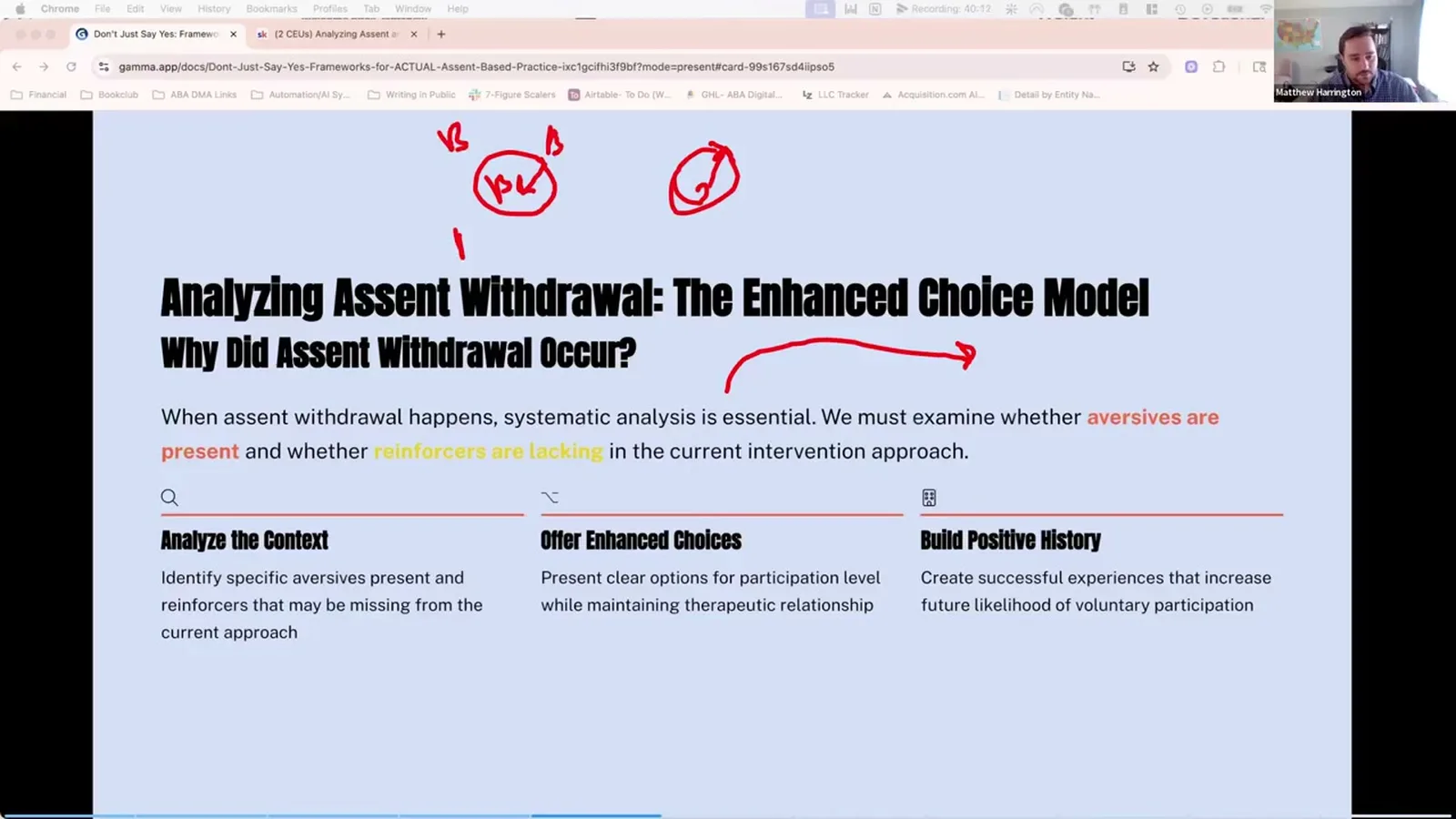
Assent: Don't just say Yes!-
The Behaviorist Bookclub
More from The Behaviorist Bookclub
Empowering Autonomy and Self-Management in ADHD Learners
The Behaviorist Bookclub
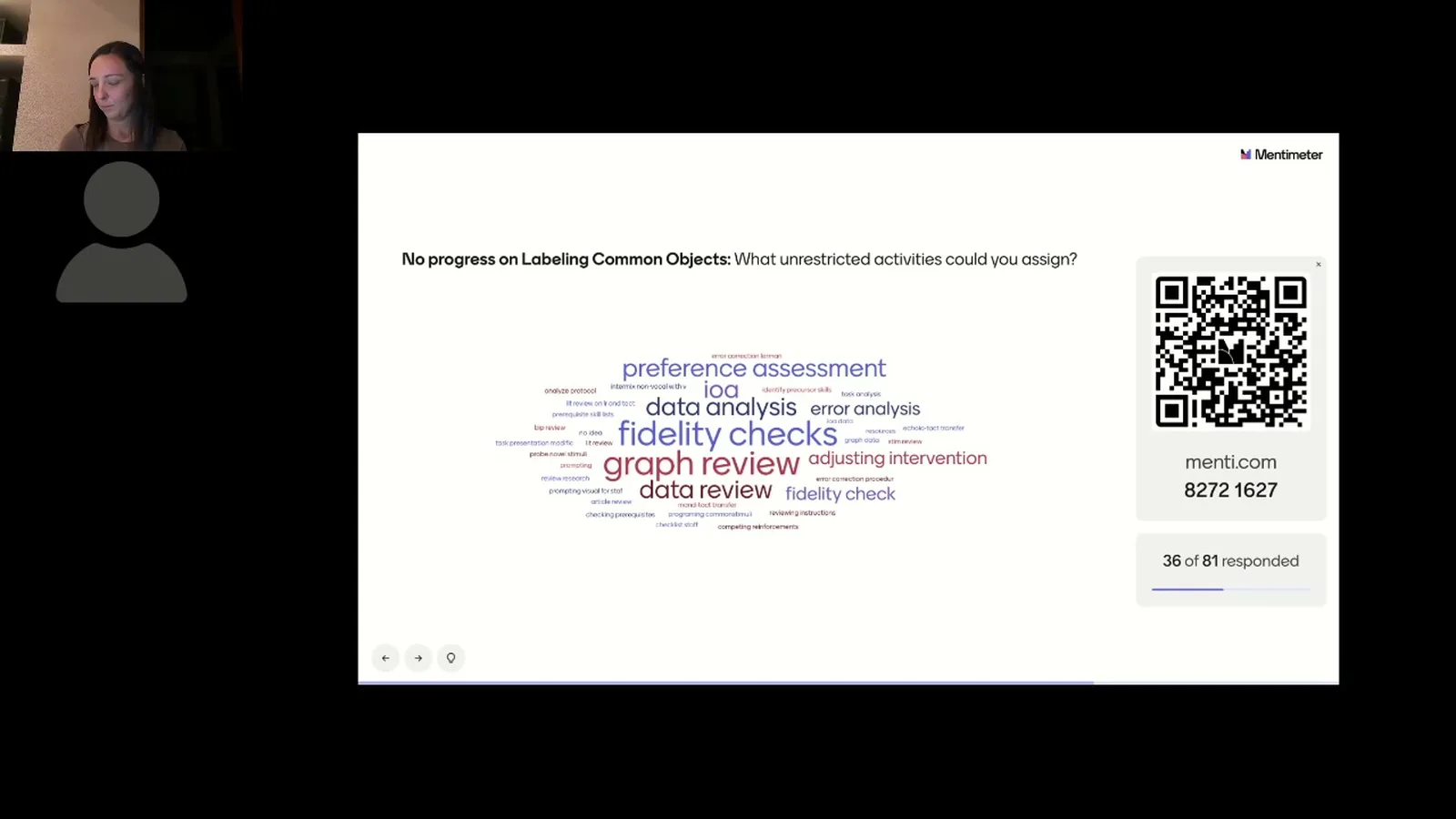
From Hours to Competence: Assessing and Developing Supervisee Skills
The Behaviorist Bookclub
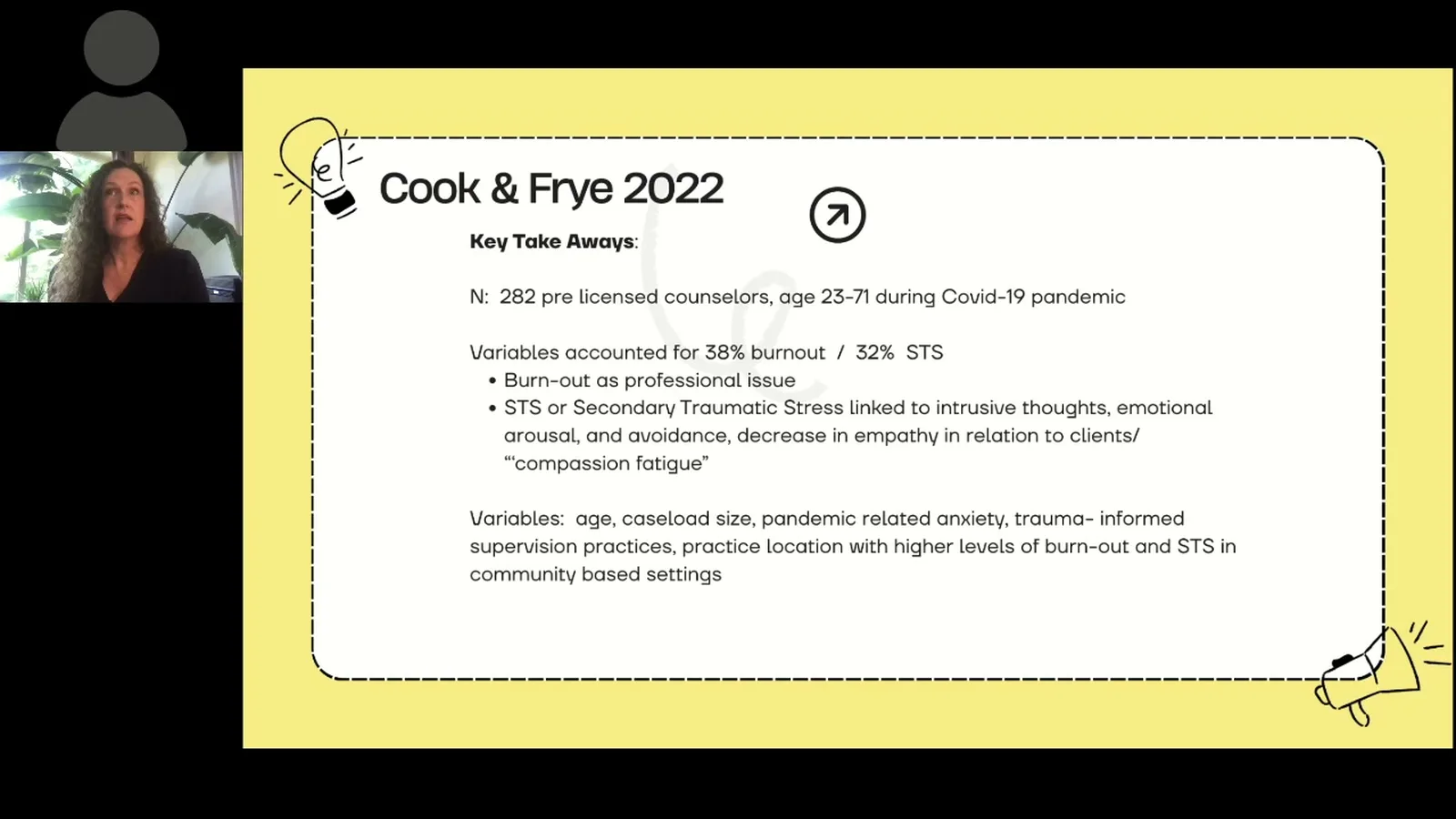
Reflective Supervision and Provider Outcomes in ABA
The Behaviorist Bookclub
OpenCEU is supported by advertising from third-party sponsors. Sponsors are clearly labeled, have no influence over course content, instructors, or CEU decisions, and never appear on certificates. The BACB does not sponsor, approve, or endorse OpenCEU sponsors or their products.