Informed Consent in ABA: More Than a Signature
What informed consent really means in ABA. Learn how it differs from assent, when it is required, and why understanding matters more than a signed form.
Key takeaway
Informed consent is a person's clear yes to a treatment or plan. To count, they must understand what they are agreeing to. It is a legal act, usually given by a parent or guardian.
Practical Takeaways for School-Based Behavior Analysts
Free learning path on this topic
Your 4 Ethics CEUs, Done
Four ethics CEUs in three courses, all free. Start with Matt Harrington's assent and data course, then ethical guardrails in behavior reduction, then cultural considerations in clinical practice. Every course carries ethics credit, so this path covers the BACB requirement with nothing to buy.
Experts who cover this
6 recordings on openceu cover informed consent aba.
- Featured talk1 Supervision CEU
Practical Takeaways for School-Based Behavior Analysts
Dr. Kaci EllisThe Behaviorist Bookclub
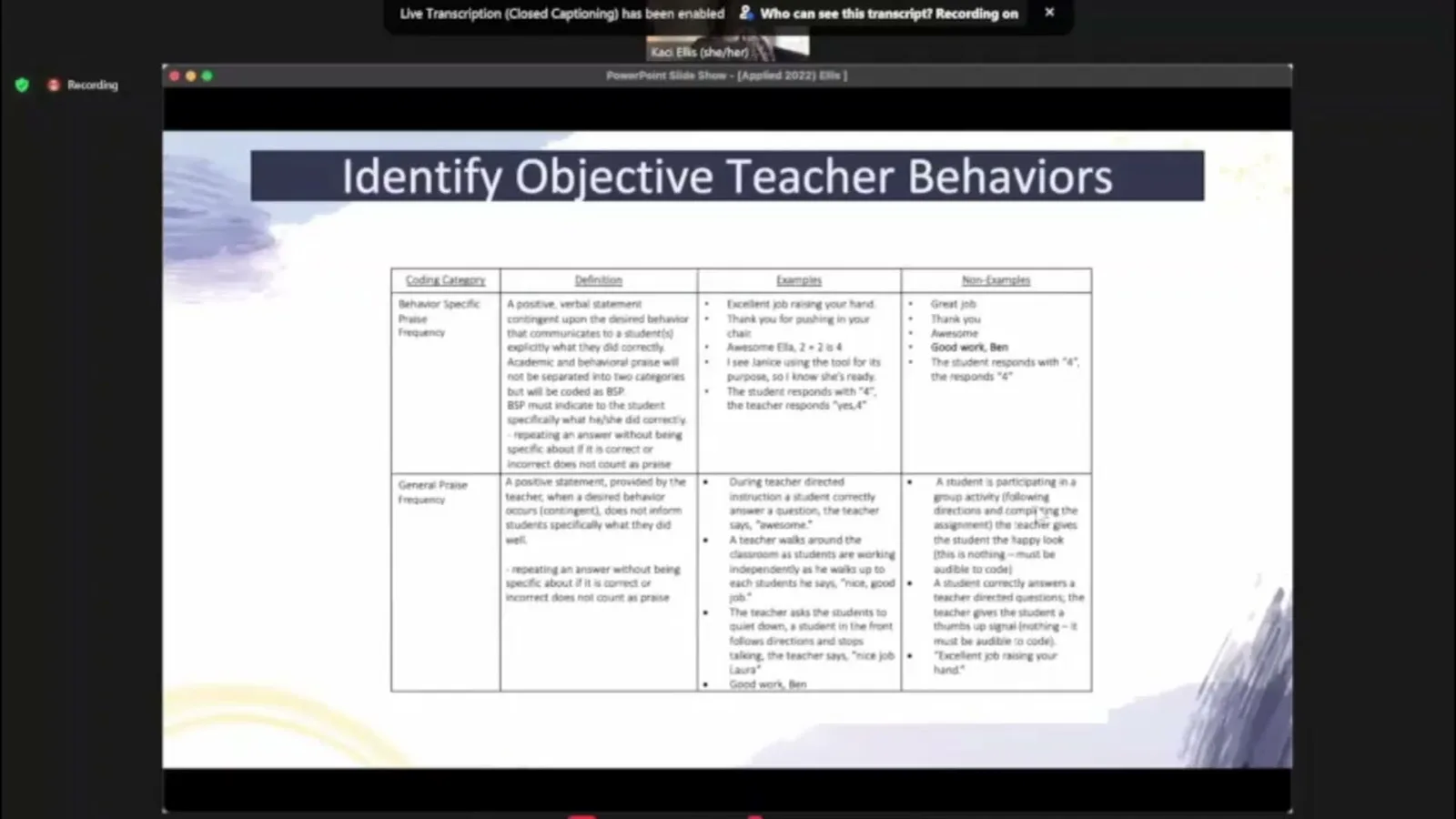
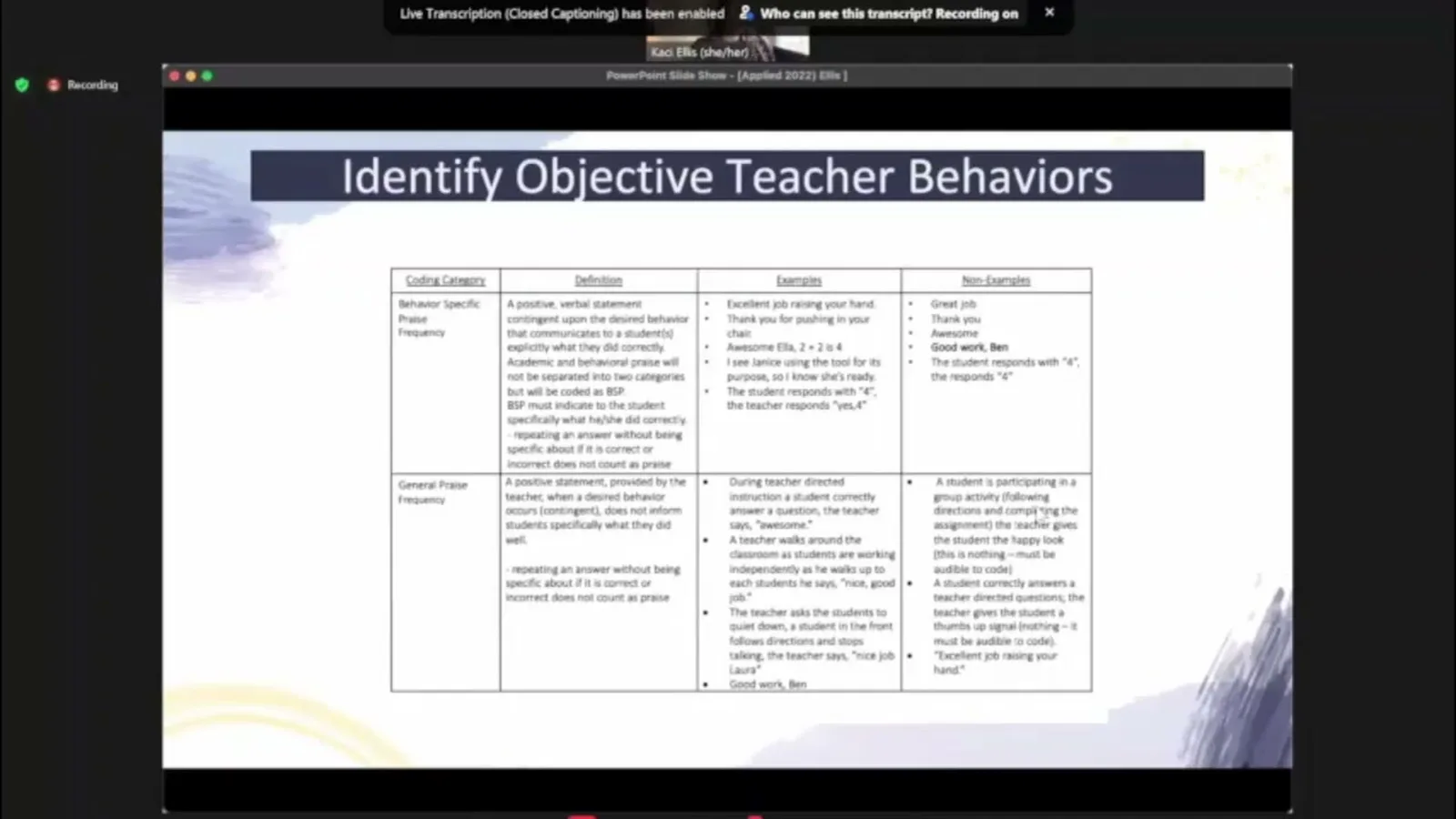
Walked through as a specific IDEA checklist: parent consent is required before an initial evaluation, before first providing special ed services, before…
- 1 CEU
Stronger Together: Care Collab
Matt HarringtonThe Behaviorist Bookclub
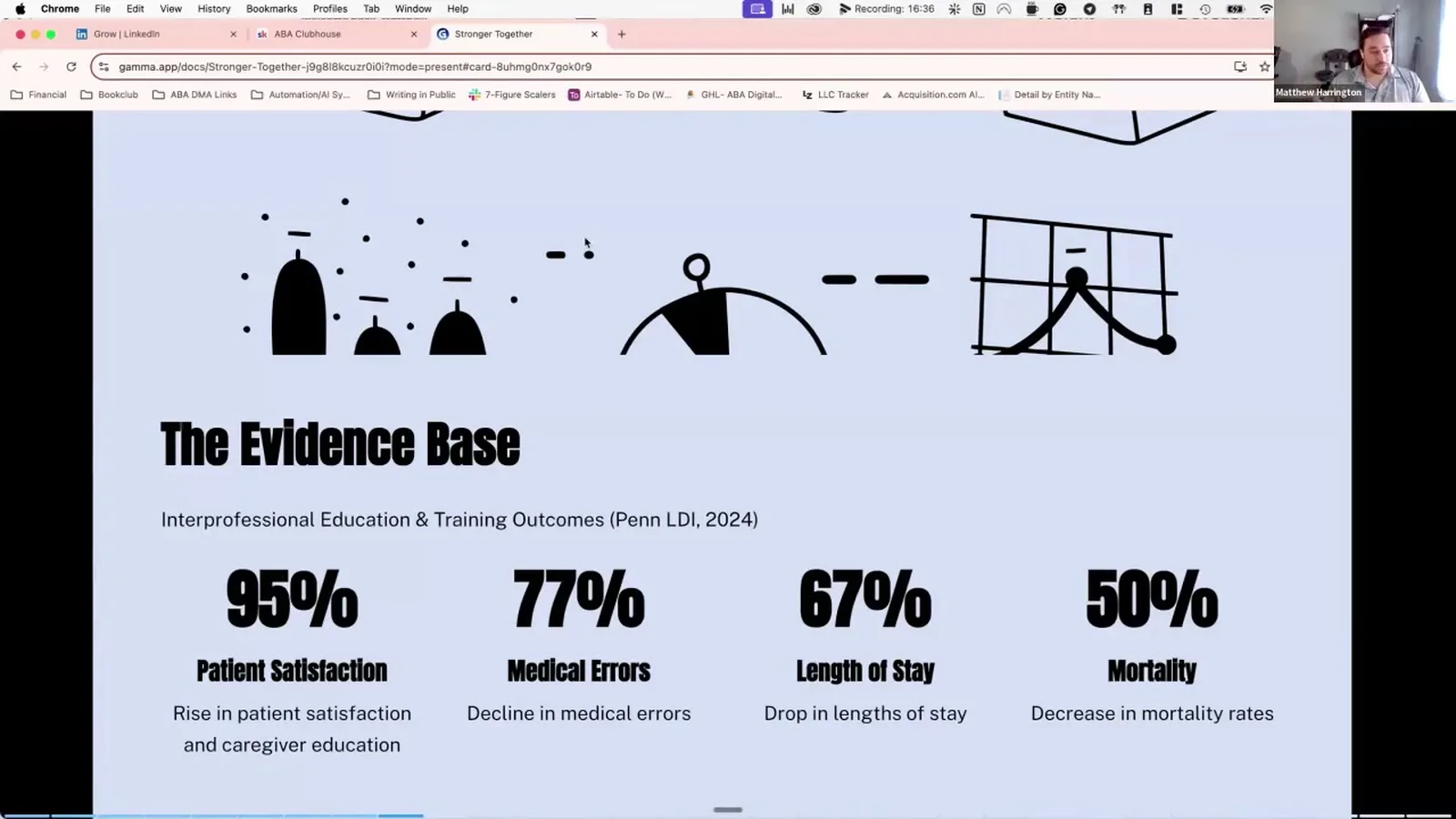
Discussed alongside release-of-information as the ethical foundation of care collaboration, with the caveat that caregivers always have first and final say on…
- 1 CEU
School Collaboration as an Area of Competence - Applied 2022
Dr. Clelia SigaudThe Behaviorist Bookclub
Framed as requiring stakeholders to actually understand what they're consenting to, not just sign generic paperwork, which means explaining evaluations and…
- 3.50 Ethics CEUs
Analyzing Assent and Taking Data
Matt HarringtonThe Behaviorist Bookclub
Contrasted with assent as the legalistic, one-time signature adults give (like signing a hospital form), which BCBAs are comfortable with, versus assent, which…
- 1 CEU
Assent: Don't just say Yes!-
Matt HarringtonThe Behaviorist Bookclub
Consent is defined as a single, informed, legal agreement (like a medical consent form), contrasted against assent's continuous nature, and the presenter…
- 1 Ethics CEU
Beyond 1:1: The Ethical Path to Creating a Scalable Course as a BCBA
Mellanie PageThe Behaviorist Bookclub
Framed as transparency in course marketing: clearly stating scope, format, and what is and is not included so buyers understand they are receiving education…
On this page · 7 sections▾
Informed consent is a person's clear yes to a treatment or plan. To count, they must understand what they are agreeing to. It is a legal act, usually given by a parent or guardian. A signed form alone is not enough.
This matters for every BCBA, RBT, teacher, and parent. Consent protects the client's rights and dignity. It also protects you and your agency. Get it right and trust grows. Skip the understanding part and the consent is hollow.
Behavior analysts often feel at ease with consent. It is a familiar, legal step in most fields. Yet that comfort can hide a real risk. A signed form can look complete while the person stays confused. The sections below show how to close that gap.
Consent is a single, informed yes#
Consent has a specific shape. Matt Harrington describes it as one clear act of agreement. It is not something you check on every day.
Consent with a C is singular. It is one instance following understanding that indicates continuous acceptance of the intervention that was agreed to. From the talk — Matt Harrington
The key word is understanding. The person must grasp the plan before they say yes. That is what makes the consent truly informed. Without it, the signature means little.
Understanding matters more than the form#
The most common failure is consent without real understanding. People sign papers they do not follow. Matt Harrington shares a story from his own life.
I just had a hospital visit with my infant. It's all good. Everything's fine. But we had to give informed consent for something and a doctor came in. They, you know, jabbered on for about five minutes and stuff that I barely understood. I signed on the dotted line. And we were done. They had acquired informed consent. From the talk — Matt Harrington
That story is a warning, not a model. Claudia states the standard in one line.
it's not informed consent if stakeholders don't understand what you're saying. From the talk — Claudia
So drop the jargon. Explain plans in plain words. TL Petty gives a good example from ACT work. Swap hard terms like cognitive defusion for simple ones like getting unhooked. When people understand, their yes actually means something.
When consent is required#
 Advertisement
In schools, the rules are specific. Dr. Kaci Ellis walks through a clear checklist from IDEA. Certain steps cannot happen without parent consent first.
A school must ask for parent consent before they conduct an initial evaluation... before the school provides special ed services to a child for the first time, before inviting non school agencies to participate in IEP meetings to discuss child's transition to adult life... and also before conducting any assessment or evaluation on a child with a disability. From the talk — Dr. Kaci Ellis
Her rule of thumb is simple. When in doubt, get consent or at least notify the parent. That habit keeps you safe and respectful. It also keeps families in the loop.
Consent, assent, and who can give it#
Consent and assent are different things. Consent is the legal yes from someone who can give it. Assent is the client's ongoing, moment-to-moment okay. Many ABA clients cannot legally consent for themselves.
They can't give you informed consent because most of my students are under 18. From the talk — Nicky Schneider
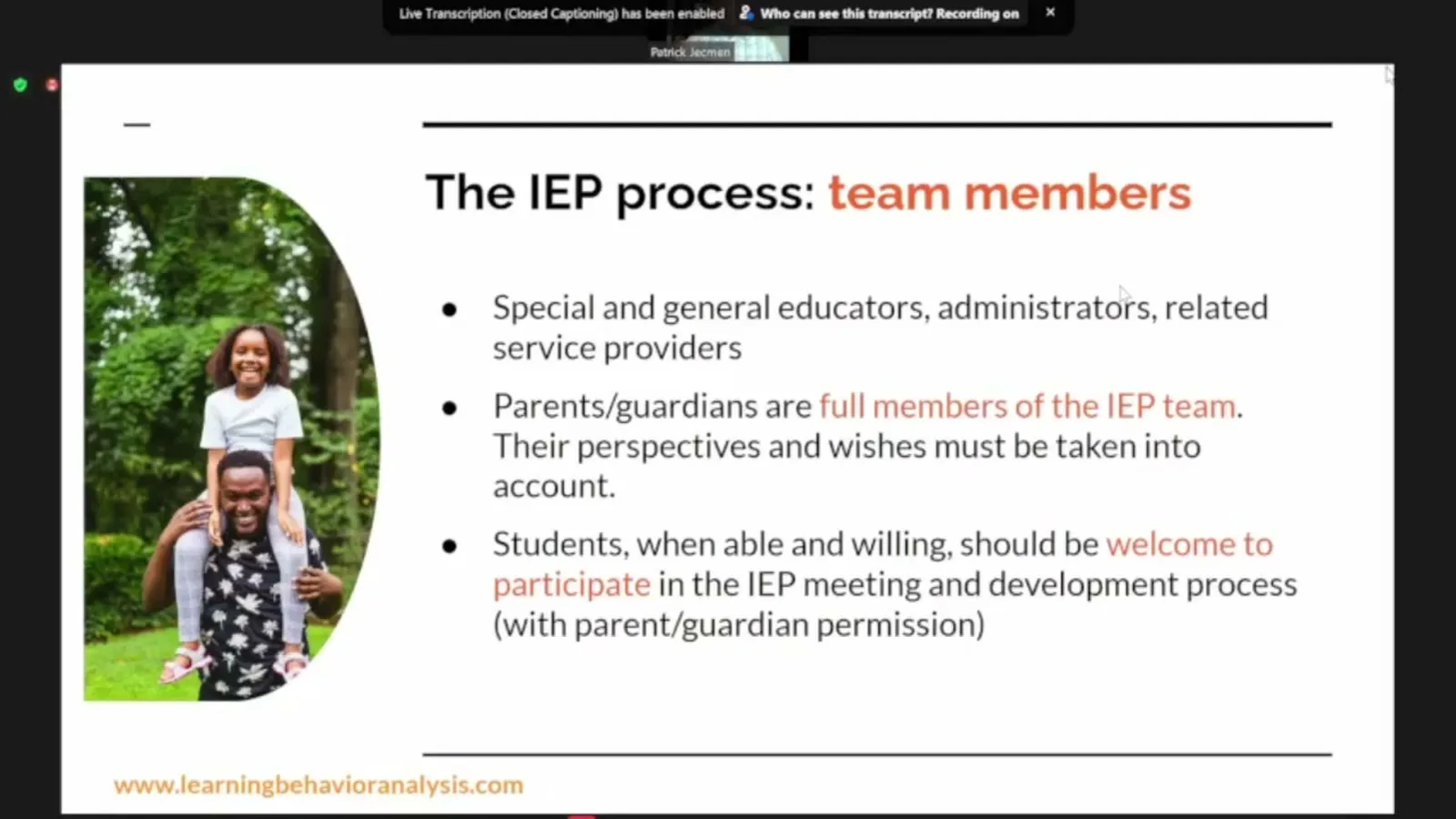
For minors, a parent gives consent by signing the plan. The student still gives or removes assent during sessions. Matt Harrington notes that ABA leans on assent for this reason. Many clients could not legally give consent on their own. Session length and client age make ongoing agreement important. A one-time yes cannot cover months of daily sessions. Consent opens the door, and assent keeps it open.
Consent in collaboration and marketing#
Consent shows up beyond the treatment room. In care collaboration, it controls what gets shared. Matt Harrington stresses that families lead this choice. Caregivers hold the first and final say on what is shared. Everything starts with a release of information and informed consent. That order keeps the family in control of their own data.
It even reaches course marketing. Mellanie Page frames transparency as a form of consent. State clearly what a course includes and what it does not. Buyers should know they are getting education, not one-on-one clinical care. A simple line about varied results sets honest expectations. Honest scope is part of informed agreement everywhere.
What the research says#
Informed consent has deep legal roots. One review explains that clinical consent rests on over one hundred years of case law (Graber & Maguire, 2024). The authors show how court rulings shape a behavior analyst's duties today. Consent is not just an ethics idea. It is a legal one with a long history.
That history has hard lessons. A second article traces consent from the Nuremberg Code to the Belmont Report (Mead Jasperse & Kelly, 2023). It explains why rules like informed consent and review boards became required. These safeguards grew out of real harm to research participants. They now anchor Section 6 of the BACB Ethics Code.
Consent can also be taught and improved. One study trained adults with intellectual disability on their own medications. The training raised their ability to give informed consent to that treatment. Better receptive language went with stronger consent. This suggests that comprehension is a skill, not a fixed trait. Clear, adapted materials can help a person truly understand. The takeaway is hopeful. With the right supports, more people can consent for themselves.
FAQ#
What is informed consent in ABA? It is a clear, legal yes to a treatment plan, based on real understanding. A parent or guardian usually gives it for a minor client. A signature only counts if the person understood the plan. It protects the client's rights.
What is the difference between consent and assent? Consent is the legal yes from someone allowed to give it. Assent is the client's ongoing okay during sessions. Many ABA clients cannot legally consent, so a guardian consents. The client still gives or withdraws assent moment to moment.
When do schools need parent consent? Schools need consent before an initial evaluation and before first providing special education services. They also need it before assessing a child with a disability. Inviting outside agencies to transition meetings requires consent too. When unsure, get consent or notify the parent.
To go deeper on the client's ongoing yes, the Assent: Don't just say Yes! talk explains how assent differs from consent.
 Advertisement
Turn this topic into a CEU
You just studied this. Now get credit for it.
Watch Practical Takeaways for School-Based Behavior Analysts with Dr. Kaci Ellis and earn 1 free BCBA CEU. Detailed certificate, delivered the moment you finish.
Keep going with a free learning path
Your 4 Ethics CEUs, Done
Four ethics CEUs in three courses, all free. Start with Matt Harrington's assent and data course, then ethical guardrails in behavior reduction, then cultural considerations in clinical practice. Every course carries ethics credit, so this path covers the BACB requirement with nothing to buy.