Competing Stimulus Assessment in ABA: A Guide
A competing stimulus assessment finds items that compete with problem behavior. Learn how CSA and augmented CSA work for automatically reinforced behavior.
Key takeaway
A competing stimulus assessment, or CSA, finds items that compete with problem behavior. You give a learner different toys or activities and watch two things.
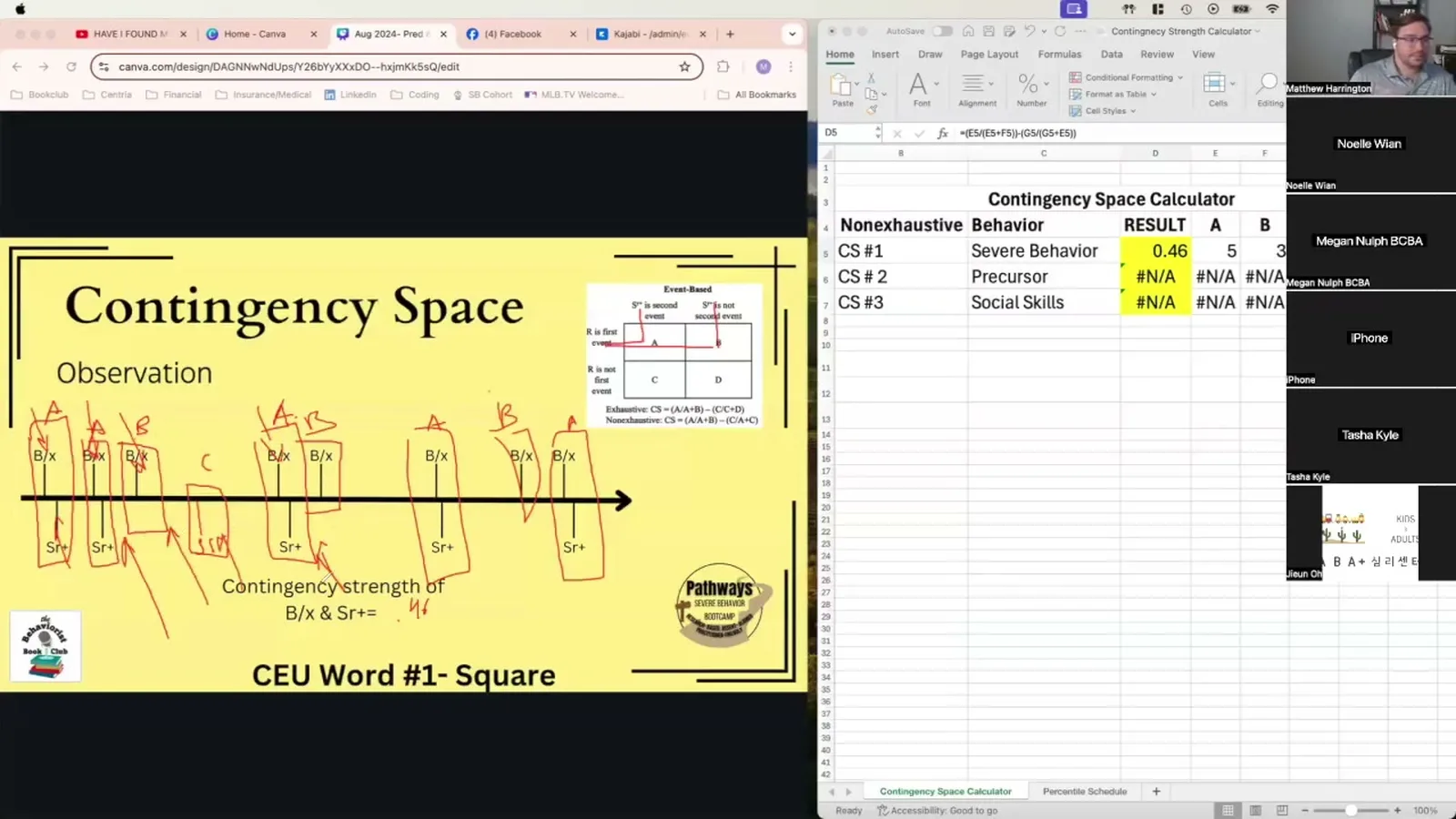
Prediction and Probabilities: Three foundational equations to successful behavior reduction
Free learning path on this topic
Master PFA and SBT
Matt Harrington's 12-article walk through practical functional assessment and skill-based treatment, from Hanley's 2014 study to the enhanced choice model. Then assent, since SBT depends on it, and the ethical guardrails that keep behavior reduction defensible. Five CEUs, one of them ethics.
Experts who cover this
3 recordings on openceu cover competing stimulus assessment.
- Featured talk2 CEUs
Prediction and Probabilities: Three foundational equations to successful behavior reduction
Matt HarringtonThe Behaviorist Bookclub
Matt introduces contingency strength as a measure (roughly -1 to 1) of how reliably a behavior has contacted reinforcement, drawn from Lloyd et al. (2021). He…
- 1 CEU
Stronger Together: Care Collab
Matt HarringtonThe Behaviorist Bookclub
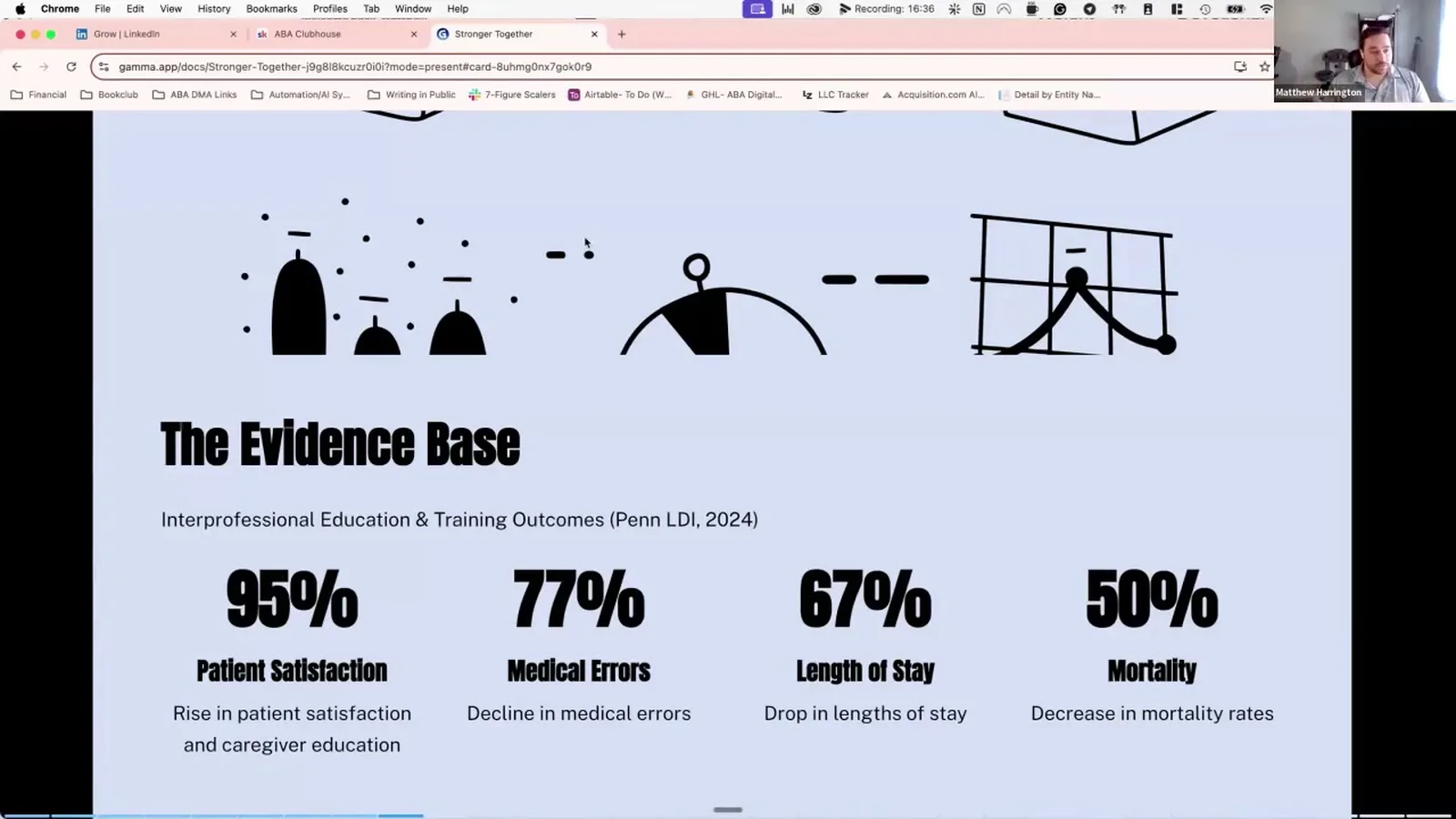
Matt draws a cross-disciplinary parallel, comparing OT sensory diets to ABA's competing stimulus assessments and augmented competing stimulus assessments as…
- 1.50 CEUs
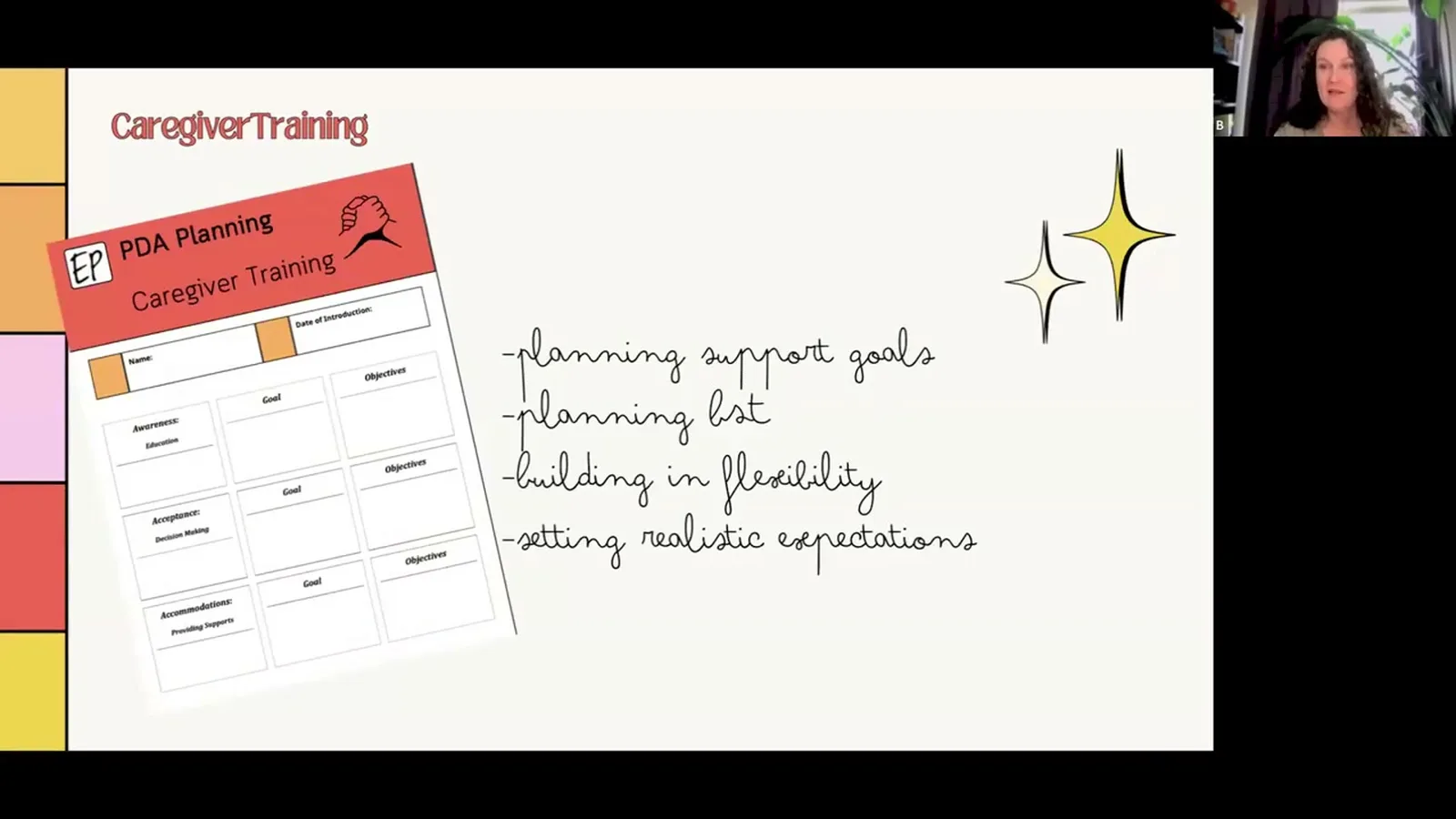
PDA Caregivers, Complex Profiles, Replacement Behaviors, and Being Trauma Informed
B. Kuerine GrayThe Behaviorist Bookclub
Mentioned as an SBT-adjacent tool for efficiently testing which of many competing stimuli work for a learner without provoking behavior, gathering data quickly.
On this page · 6 sections▾
A competing stimulus assessment, or CSA, finds items that compete with problem behavior. You give a learner different toys or activities and watch two things. You track how much they engage and how much the behavior drops.
This tool matters most for automatically reinforced behavior. That is behavior kept going by its own internal payoff, like stereotypy or some self-injury. These cases are hard because you cannot just remove the reinforcer. A CSA finds a healthy item that can pull the learner away from the behavior instead.
What a competing stimulus assessment does#
The goal is simple to state. You want an item that keeps hands and attention busy in a good way. A strong item lowers the behavior while the learner stays engaged. Those items become part of the treatment plan.
CSA is not the only field that uses this idea. Matt Harrington draws a link to other disciplines that chase the same outcome.
you look at a lot of sensory diets and you could compare that to competing stimulus assessments in the aba world you look at a lot of augmented competing stimulus assessments and you can compare that to learning play the play skills in the pediatric mental health world From the talk — Matt Harrington
The shared aim is to give the learner a better option. A good competing item makes the problem behavior less worth doing.
How a competing stimulus assessment works#
The basic flow is straightforward. You gather a set of possible items or activities. You present them one at a time and watch closely. You record how long the learner engages and how often the behavior shows up.
An item that draws high engagement and low behavior is a winner. Researchers often call this a high-competition item. A common bar is an item that cuts the behavior by 80 percent or more. Those items move into the treatment plan.
The order of items can matter too. Some teams rotate items to avoid bias from novelty. Others test single items alone to keep the data clean. The right setup depends on the learner and the behavior.
The augmented competing stimulus assessment#
 Advertisement
Sometimes a plain CSA does not find a strong enough item. That is when clinicians augment the process. An augmented CSA, or A-CSA, adds tactics to boost engagement and block the behavior.
One big strength is speed and safety. B. Kuerine Gray describes rotating through many items without triggering behavior.
an ancillary to that would be like the augmented competing stimulus assessment where you're rotating through 20 different potential competing stimuli very efficiently. So you're not causing behavior. But at the same time, you're getting a lot of data to see what works. From the talk — B. Kuerine Gray
So you test a wide set of items fast. You learn what competes best while keeping the session calm. That data guides the treatment you build next.
Experts frame this tool from different angles. Gray treats the augmented CSA as a safe, high-volume screen that avoids provoking behavior. Harrington sets it beside tools from other fields, like sensory diets in occupational therapy. One view stresses safe data gathering, and the other stresses a shared goal across disciplines. Both remind us the point is a better option for the learner, not just a lower number.
When to reach for a CSA#
Reach for a CSA when behavior is kept going by automatic reinforcement. Extinction is hard here because you cannot easily cut off the internal payoff. A competing item gives you a practical way in.
The assessment also respects the learner's experience. You are not forcing a demand or provoking the behavior. You are offering choices and watching what naturally competes. That fits well with safe, low-stress care.
A CSA also pairs well with other assessments. You often run it after you know the behavior's function. For automatic functions, a CSA gives you a concrete treatment path. It turns a hard problem into a list of items you can actually use.
Keep in mind that engagement alone does not prove competition. A learner can hold an item and still show the behavior. So you always watch the behavior rate, not just the play. The best item lowers behavior while the learner stays busy.
Not every CSA finds a strong item on the first try. When results are weak, you can augment the process or test new items. Some behaviors need repeated rounds before a good match appears. Patience here pays off in a safer, more durable plan.
The learner's own choices guide the whole process. You are letting engagement and behavior tell you what works. This keeps the plan grounded in real data, not a guess. It also gives the learner items they genuinely want to use.
What the research says#
Research shows CSAs often work, but not every time. One review noted that over 92 percent of published CSAs had identified at least one high-competition item. But a review of 35 inpatient cases found only 47 percent were that successful. The gap likely reflects different samples and how outcomes get reported (Laureano et al., 2023).
Augmenting the assessment can help with the toughest cases. One study applied A-CSA procedures across target and generalization items for stereotypy subtypes. Some participants maintained the competition effects over time, though results varied by subtype (Breeman et al., 2025). A separate replication found at least one high-competition item for every participant, even treatment-resistant self-injury (Frank-Crawford et al., 2023).
Efficiency is also a live research question. One team tested a latency-based CSA that ended each trial at the first sign of behavior. Items with the longest time to behavior competed best, which sped up the process (Imler & Weyman, 2024).
FAQ#
What is a competing stimulus assessment used for?
It finds items that compete with problem behavior kept going by automatic reinforcement. You watch engagement and how much the behavior drops. The best items become part of the treatment plan.
What is the difference between a CSA and an augmented CSA?
A standard CSA presents items and measures engagement and behavior. An augmented CSA adds tactics to boost engagement and disrupt behavior. The augmented version helps when a plain CSA does not find a strong item.
How is a CSA different from a preference assessment?
A preference assessment finds items a learner likes. A CSA checks whether an item actually lowers problem behavior. A liked item does not always compete, so you test it directly.
The same tool shows up across disciplines, a theme in Stronger Together: Care Collab. It also fits trauma-informed care for complex profiles, as covered in PDA Caregivers, Complex Profiles, Replacement Behaviors, and Being Trauma Informed.
 Advertisement
Turn this topic into a CEU
You just studied this. Now get credit for it.
Watch Prediction and Probabilities: Three foundational equations to successful behavior reduction with Matt Harrington and earn 2 free BCBA CEUs. Detailed certificate, delivered the moment you finish.
Keep going with a free learning path
Master PFA and SBT
Matt Harrington's 12-article walk through practical functional assessment and skill-based treatment, from Hanley's 2014 study to the enhanced choice model. Then assent, since SBT depends on it, and the ethical guardrails that keep behavior reduction defensible. Five CEUs, one of them ethics.