Shaping Behavior Change when ADHD is in the Picture
Presented by Nicole Stewart, BCBA

Cancel any time. Cert delivered to your inbox the moment you pass the quiz.
Learner ratings
from 335 learners
98% would recommend this CEU to other professionals in their field (304 responses)
“It was great”
— Alisha C.“thank you”
— Bevin H.
About this CEU
Behavior change in ADHD doesn’t always follow a slow, linear path. Sometimes progress is gradual and shaped over time and sometimes the right intervention produces rapid, meaningful change. This workshop focuses on how to design and adjust behavioral interventions so they are responsive to how ADHD learners actually learn. Participants will explore shaping, reinforcing response effort, breaking tasks down, selecting effective prompts, and using modeling to support progress. Emphasis is placed on recognizing when to build step-by-step and when to capitalize on momentum, with a focus on functional progress and generalization rather than perfect responding in the moment.
Credits
1 CEU · 60 min
From the talk
What was covered
How ADHD changes reinforcement, response effort, and shaping, plus what to do instead. From Nicole Stewart, BCBA.
- Ask whether a behavior is impulsivity or inattention before you label it defiance.
- Get the learner regulated first, because no teaching lands before that.
- Rotate the game around the same materials so repeated tasks still feel new.
- Put high interest items inside your teaching instead of saving them as the prize.
- Fade demands in small steps, but not when a motor or medical issue is the real block.
- Reinforce effort, and judge progress by real world data and family relief.
How ADHD Changes What Works in a Behavior Plan
ADHD is a medical diagnosis, not a style of misbehaving. Nicole Stewart, BCBA, started with the brain. Dopamine (a brain chemical tied to reward) is the one most tied to ADHD. Doctors do not agree on why it runs short. The brain may make less of it. It may also fail to take it in. Either way, the ADHD brain goes looking for it.
Dopamine also carries messages from one part of the brain to another. When those messages do not land, focus and mood shift. That is when you see inattention or a lot of motion. The motion is the brain trying to get what it needs.
Stewart gave a common home example. A child pokes at a sibling until the sibling hits back. That fight is a fast, sure hit of dopamine. Call it attention or escape and you get only half the picture. There is an automatic piece running underneath. A plan built on the behavior alone can do harm.
dopamine really helps us regulate our mood, our regulation, our attention.
From the talk — Nicole Stewart, BCBA
Five Questions to Ask Before You Change the Plan
Stewart offered five questions. Take only these, she said, and you have a strong start. First: is the behavior a visible symptom of ADHD? A child who bolts may be impulsive, not defiant. A child who misses your question may be inattentive. Rule that in before you call it refusal.
Second: is the behavior itself more rewarding than the room? Kids with ADHD carry a busy inner world. She described one learner with a whole circus running in his head. Your quiet table has to compete with that. Third: does the task fit this brain? Work that repeats, offers no choice, and adds nothing new works against it.
Fourth: will your change meet the need or hide the surface behavior? Many people with ADHD learn to mask (hide effort to look fine). Ask if you are solving the problem or just making a child comply. Fifth: is the response effort (how hard a task feels) inside their capacity today? The same wait is easy at home and hard at a doctor's office. Noise, boredom, and new people all add weight. Waiting well once does not mean waiting well now.
Regulation Comes Before Instruction
Stewart sees the same scene in clinics and classrooms. The learner is not regulated (calm and ready to learn). The adult teaches anyway. Teachers tell her they have to get through the lesson. Her answer is blunt.
Treat regulation like basic care. Does this person need food or water? Do they need the bathroom, movement, or sensory input? Do they need a minute of real connection with you? Meet that first. Then teach. She takes the same view of rapport in her own practice. Pair first, teach second.
Orienting counts too. A learner watching someone else is not tuned to your cue. Their attention may be stuck on a scratch in the desk. That is not the correct SD (the signal that teaching starts). Help them process the scratch. Then help them come back to the room.
you can't teach anything if they're not available for learning
From the talk — Nicole Stewart, BCBA
Why the Same Reinforcer Stops Working
Sameness wears out fast on an ADHD brain. The same cards, the same cue, and the same prize go flat. Stewart called that an abolishing operation (a state that kills motivation). The reward is still sitting there. It just stops paying out in dopamine.
Picture a child at a desk with a token board. The adult holds up the same few cards over and over. Show me the fireman. Show me the doctor. The brain is not getting the input it wants. Response effort climbs. Now you see escape, repetitive movement, or big behavior that earns a hit. Many teams call that noncompliance. Stewart says that label hurts clients.
Dense reward schedules (a prize for almost every step) build their own trap. Families tell her the token board worked until the prize was won. Then the behavior came right back. One child told her there was nothing left in it for her. Pay by the chore and you get chores only when a prize is on the table. Extrinsic rewards alone rarely grow real engagement.
causes the brain to shut down and doesn't release the dopamine.
From the talk — Nicole Stewart, BCBA
Pairing, Priming, Choice, and Visual Supports
Pairing (linking yourself with good things) comes before demands. Stewart met a new client who ran from her. She led with his favorite thing, not a task. She had trading cards from another country that he had never seen. He came right over. Priming (a preview of what is coming) helps too. Before an impulse control lesson, she explains why the skill matters. ADHD brains want a reason that belongs to them.
Choice cuts fights down fast. Ask if the bath happens in five minutes or in ten. Let them pick and set the timer. She uses this at home and the kid goes on their own.
Novelty can live inside the same lesson. Keep the same five cards and change the game around them. Hide them one week. Race to name them the next. She also folds high interest topics into teaching instead of saving them as the prize. Talk about feelings through the characters a child already loves.
Visual supports carry what the brain cannot hold. Recall and working memory (holding info in mind) are often weak here. Ask how yesterday felt and you may get a shrug. A visual lets a child say I am angry or I need space. A short list shows how much work is left. A written agreement ends the fight about what you promised.
the choices are so helpful with ADHD brains.
From the talk — Nicole Stewart, BCBA
Demand Fading, and When Not to Use It
Demand fading (ask for less, then slowly more) is her main antecedent move (a change made before the behavior). You pull the demand back, then build it up in steps the learner can take. She uses it with families all the time. It fits kids with focus, task persistence, and toleration struggles. It also helps kids with rejection sensitivity (strong pain from being corrected).
Circle time shows the shape of it. Start with thirty seconds at the edge of the rug. Then a minute with a fidget. Then half of circle. Then all of circle with one break. Teachers feel pressure to reach the end point today. Weeks of small steps beat one forced morning.
She once worked with a teacher who wanted correct letter formation right away. The student was not writing at all.
There is one clear time to skip it. Do not fade demands when a learning or medical issue is the block. Her example was a teen who would not try to open jars. The jars were already loosened, modeled, and made simpler. An OT (occupational therapist) had flagged bilateral coordination (using both hands together). That is a motor problem, not an attention problem. Keep the supports and let the OT build the skill.
He's not even writing letters on the worksheet he's ripping up the worksheet
From the talk — Nicole Stewart, BCBA
Shaping Effort and Teaching Emotions in Order
Behavior tells you something is missing. It may be a skill, a performance gap, or low motivation. Stewart starts shaping (rewarding small steps toward a goal) with tolerance. Can they sit with the topic? Can they touch the materials? Can they do it with you? Engagement comes before accuracy.
Shaping with ADHD is not a straight climb. Ten good minutes today does not promise ten next week. Poor sleep or a fight at home raises effort for the whole session. Hold the step size loose and keep the direction steady. She worked with a child on coloring faces to teach feelings. He colored half and asked her to finish. She finished it and kept the talk about emotions going.
Her emotion work runs in a set order. Start by tolerating talk about feelings at all. Then recognition. Then what causes feelings and how they show up in the body. Then coping skills that change by feeling. Most teams jump straight to coping skills or to how do you feel. That skips the base of the pyramid.
Functional communication training (teaching a clear way to ask) sits alongside all of it. One client invented his own word for a restless, buzzing body. That word told her what he needed before the behavior did. Signs, gestures, and AAC devices (tools that help nonspeaking kids communicate) do the same job for kids who do not speak.
reinforcing effort I find is way more important than reinforcing correct respondings
From the talk — Nicole Stewart, BCBA
Error Correction, Punishment, and What Progress Looks Like
Consequences (what happens after a behavior) need a light hand here. Social praise works well. Rewards land better when they are quick but not constant. The bigger lever is error correction. Rejection sensitivity can turn a small fix into a blowup. Praise the try, then model the correct way without a word about the miss.
Punishment is a poor fit for three reasons, she said. Side effects run high. Self esteem and rapport take the hit, and a shame spiral starts. Then it stops working. Kids learn to stop caring about the iPad and the plan. A flat tone or a sharp word can act as a punisher too.
Safety beats finishing the task every time. If a demand is driving toward an unsafe moment, let it go. Pause, cut the sensory load, and co-regulate (get calm with them). Name it softly: your body is telling me you are overwhelmed. Give time to recover and repair. Come back to the demand later. The dishwasher will still be there.
Progress lives outside your session. A sharp drop in performance often means motivation, not lost skill. Impulse control with you does not mean impulse control in class. That is a performance deficit (knows the skill but does not use it). It calls for generalization work (using a skill in new places). Track intensity, duration, and recovery time, not just how often. Watch social validity (does life get better) too. A first sleepover counts. So does a family that survives a trip out. Then ask which supports you can start to fade.
It's about the data in the real world.
From the talk — Nicole Stewart, BCBA
Common questions
Why do reinforcers stop working so fast for kids with ADHD?▾
The ADHD brain habituates (gets used to it fast) to the same reward, the same cue, and the same materials. Once that happens, the reward no longer delivers the dopamine the brain is seeking. Stewart described this as an abolishing operation, where motivation drops even though the prize is still offered. Varying the materials, the game, and the goal keeps the value alive.
What is demand fading, and when should I not use it?▾
Demand fading means pulling the demand back to almost nothing. Then you add it back in small steps the learner can handle. It works well for escape maintained behavior (behavior that helps someone get out of a task), low task persistence, and toleration problems. Stewart does not recommend it when the task is being avoided because of an underlying learning or medical issue. Her example was a motor coordination problem, which needs OT work rather than a slower ramp.
How do I keep a token board from backfiring?▾
Dense schedules can teach a child to behave only while a prize is live. Stewart described families where the behavior returned the moment the reward was earned. She prefers goal based levels that change over time, so the next goal brings its own novelty. She also uses one reinforcer in one context at a time, not all day long.
Should I correct errors the usual way with an ADHD learner?▾
Go gently. Rejection sensitivity means a standard correction can trigger a much bigger reaction than you expect. Stewart reinforces the attempt first, then quietly models the correct response without pointing out the mistake. The goal is to keep the learner trying.
How do I know a plan is actually working?▾
Look past correct responses in your session. Stewart watches intensity, duration, and how fast a child bounces back after a hard moment. She also weighs parent report heavily, since relief at home is real progress. Finally, ask whether the skill shows up in class or in the community, not just with you.
About the speaker
Nicole Stewart, BCBA, has been in the field for twenty years as a special education teacher and a board certified behavior analyst. She has worked across public schools and private practice, and she takes a neurobiological, trauma informed approach to ABA (applied behavior analysis). Her work now centers on ADHD, and she also teaches grad school, coaches parents, and hosts a podcast.
This summary was generated from the recording’s transcript. Quotes are taken word for word from the talk.
What you'll learn
- 11. Apply shaping and reinforcement strategies that account for response effort and variability in learners with ADHD. 2. Modify task demands, prompting strategies, and instructional conditions to improve engagement and learning. 3. Evaluate behavior change using indicators of functional progress and generalization rather than immediate correct responding alone.
Concepts in this CEU
Course materials
Related talks
Talks that cover the same concepts
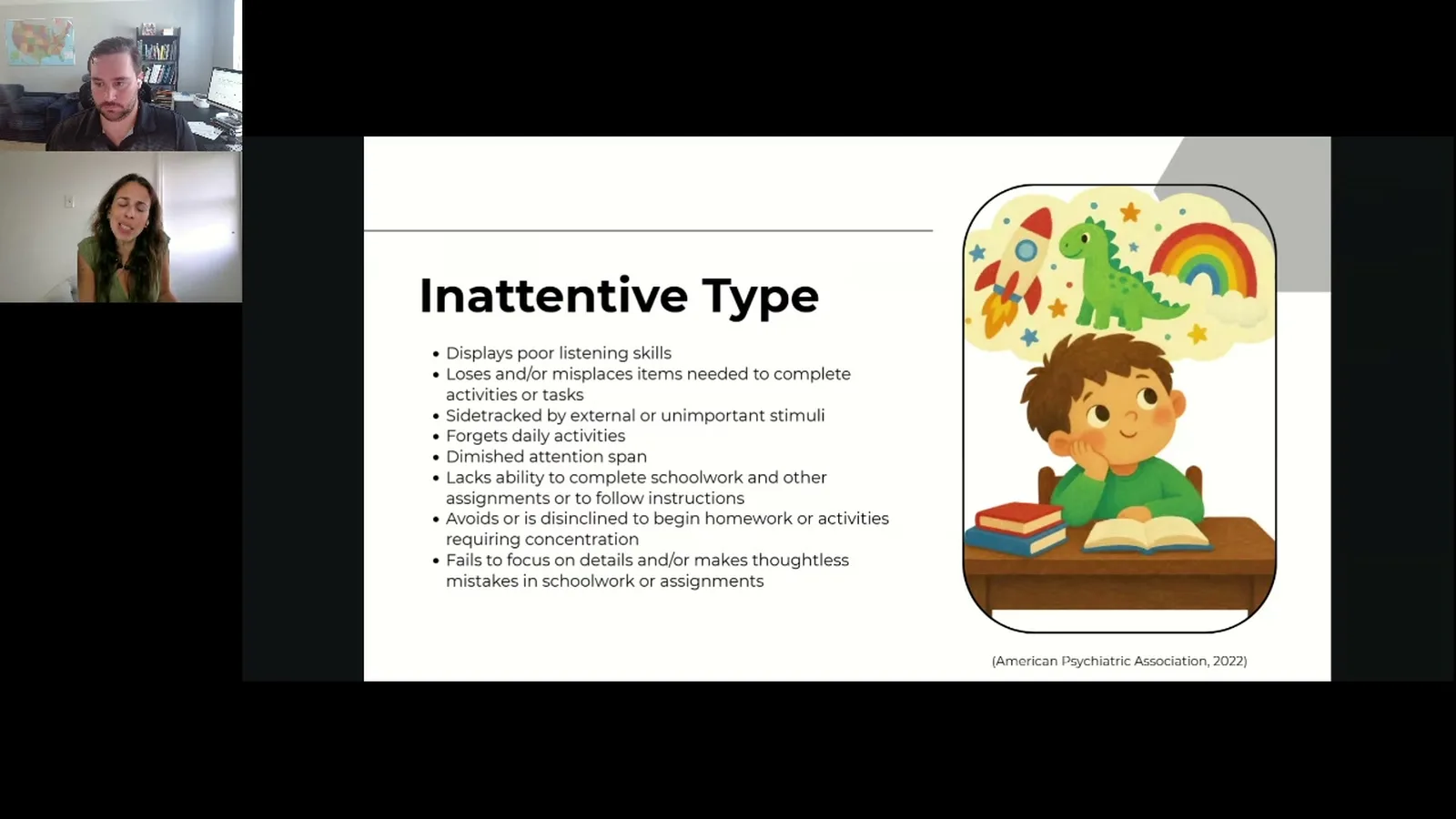
Reframing Behavior through an ADHD Lens
The Behaviorist Bookclub
Analyzing Assent and Taking Data
The Behaviorist Bookclub
Empowering Autonomy and Self-Management in ADHD Learners
The Behaviorist Bookclub

Article Club: Using Deposit Contracts and Reinforcement Thinning to Increase Physical Activity
Achieve Behavior Partners
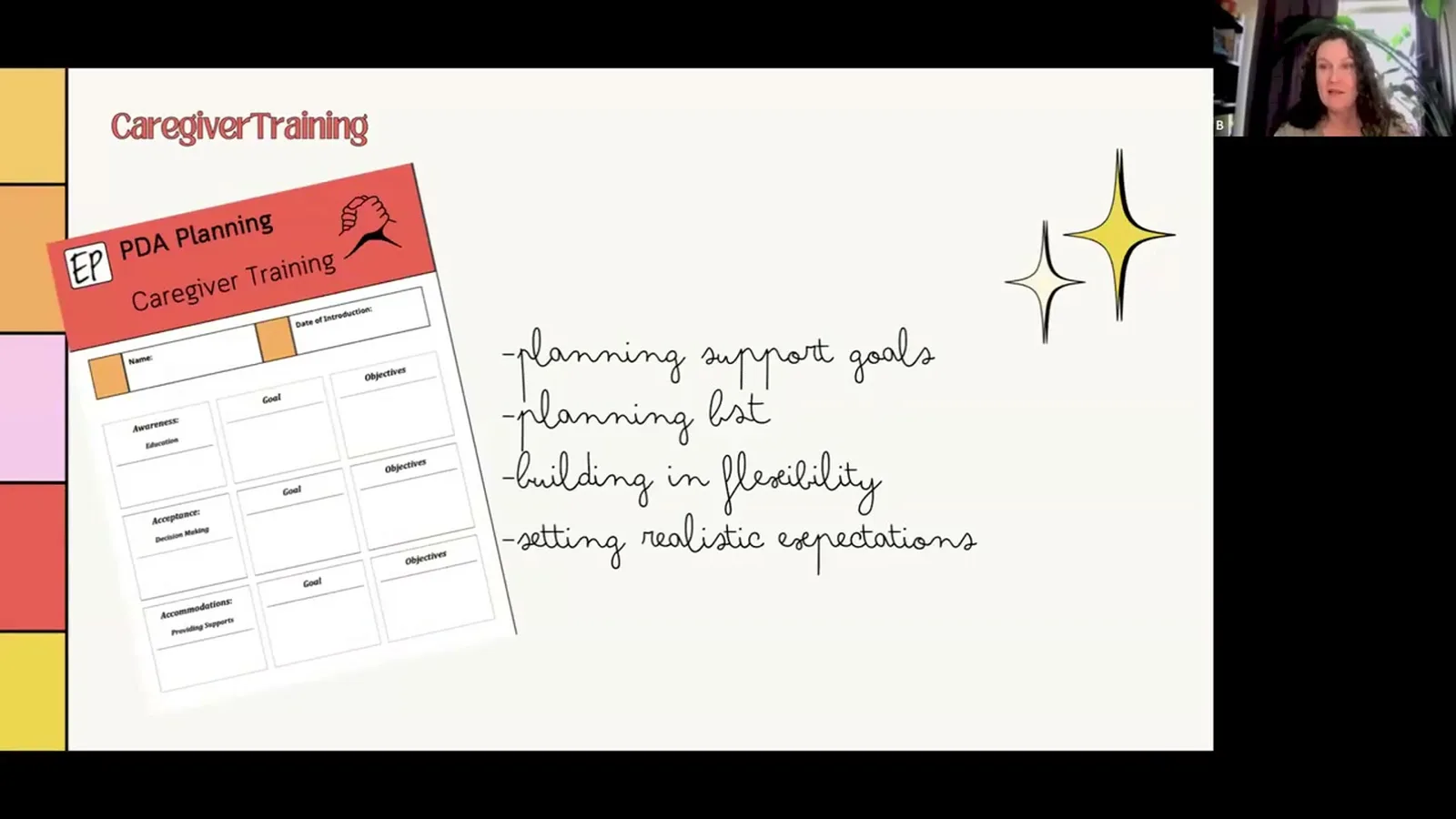
PDA Caregivers, Complex Profiles, Replacement Behaviors, and Being Trauma Informed
The Behaviorist Bookclub
Child Development Deep Dive: Early Childhood (2-5 year olds)
The Behaviorist Bookclub
More from The Behaviorist Bookclub
Real World” BCBAs, the “Behavior Crisis”, and Pathological Demand Avoidance
The Behaviorist Bookclub
Collaboration and Building Rapport: Starting a Strong Foundation With Caregivers and Stakeholders in the Home
The Behaviorist Bookclub
Harm Reduction Within ABA Practice
The Behaviorist Bookclub
OpenCEU is supported by advertising from third-party sponsors. Sponsors are clearly labeled, have no influence over course content, instructors, or CEU decisions, and never appear on certificates. The BACB does not sponsor, approve, or endorse OpenCEU sponsors or their products.