M-CHAT-R: What the Toddler Autism Screener Tells You
The M-CHAT-R is a free 20-question autism screener for toddlers 16 to 30 months. Learn how it works, its limits, and how to share it with families.
Key takeaway
The M-CHAT-R (Modified Checklist for Autism in Toddlers, Revised) is a free, 20-question parent checklist. It screens toddlers ages 16 to 30 months for signs of autism.
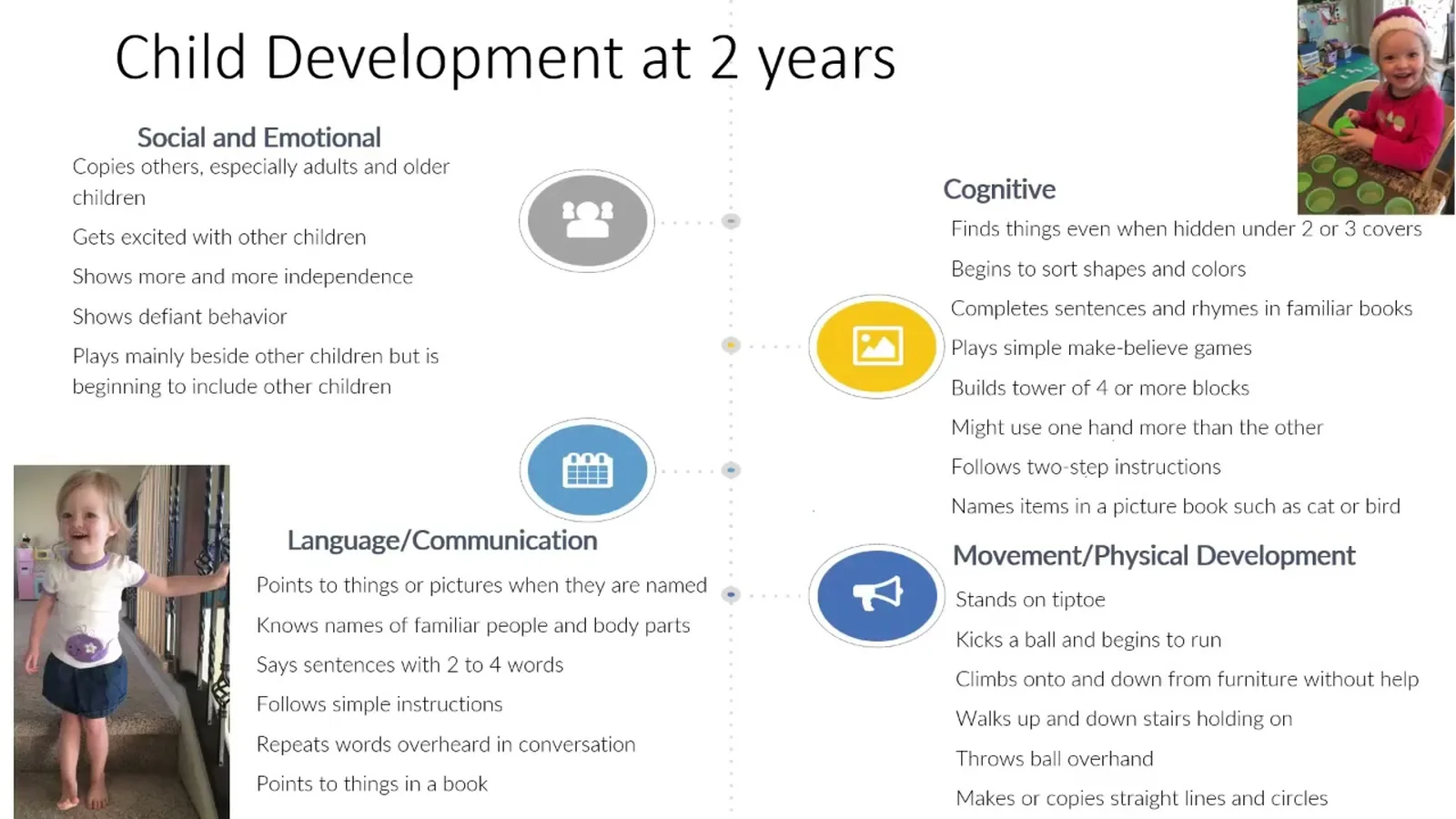
Child Development for Behavior Analysts
Experts who cover this
2 recordings on openceu cover M-CHAT-R.
- Featured talk1 Learning CEU
Child Development for Behavior Analysts
Kristen ByraThe Behaviorist Bookclub
Recommended as a free, multi-language autism screening tool for caregivers of children 16-30 months, available via Autism Speaks.
- 1 Learning CEU
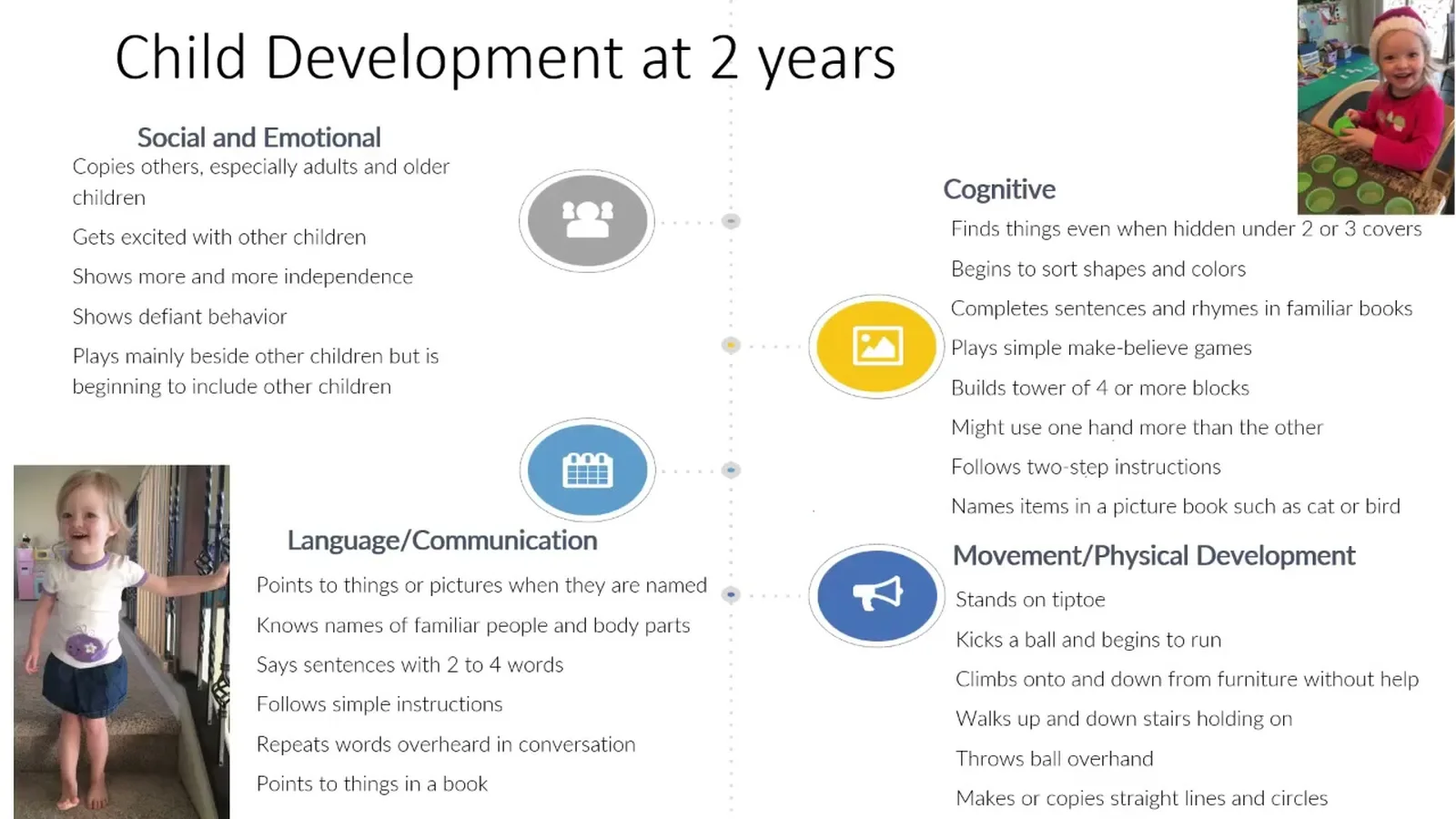
Child Development for Behavior Analysts: The Foundations
Kristen ByraThe Behaviorist Bookclub
Free parent-facing screening tool for autism, described as not diagnostic, limited to ages 16-30 months, used to prompt pediatrician conversations.

On this page · 12 sections▾
The M-CHAT-R (Modified Checklist for Autism in Toddlers, Revised) is a free, 20-question parent checklist. It screens toddlers ages 16 to 30 months for signs of autism. The checklist sorts a child into low, medium, or high risk. That result helps families decide when to ask a doctor for a full evaluation.
The M-CHAT-R is a screener, not a test that gives a diagnosis. It works best when it is paired with a short follow-up interview and a talk with the child's pediatrician. Behavior analysts often meet families with younger siblings, so knowing this tool well can help a toddler get support sooner.
How the checklist works#
The M-CHAT-R is a short list of yes or no questions. A parent or caregiver answers each one based on what the child usually does. The questions focus on early social, play, and movement skills. Some items ask about things like scanning the room for an object or climbing. Others touch on how the child looks, copies, and shares attention with adults.
The full version is called the M-CHAT-R/F. The "F" stands for Follow-Up. According to Bloh and colleagues (2020), the tool has 20 questions and gives three risk levels. A score of 0 to 2 means low risk. A score of 3 to 7 means medium risk. A score of 8 to 20 means high risk.
A higher score means more answers point toward possible autism. It does not mean the child has autism. It means someone should look more closely. The follow-up interview, covered below, is the usual next step. It helps decide which children truly need a full evaluation.
Because parents fill it out, the tool is quick and cheap. It can be done in a waiting room or at home. That makes it easy to use at routine well-child visits, which are the regular checkups toddlers already attend.
The 16 to 30 month window#
The M-CHAT-R has a narrow age range. It is built for toddlers between 16 and 30 months old. Kristen Byra stressed this point when she shared the tool with behavior analysts.
this is only for ages. 16 to 30 months From the talk — Kristen Byra
This matters because many children in ABA (applied behavior analysis) programs are older. A four or five year old client is outside the range. The tool is not meant for them. But that client may have a baby brother or sister who fits the window perfectly.
Age also affects how accurate the screener is. A large study in community clinics looked at the original M-CHAT with toddlers from 15 to 36 months. It found the screener did a better job with older toddlers. Results were stronger for children from 21 to 36 months than for younger ones. Very young toddlers are still building many social skills, so some answers are harder to read.
So timing is part of good screening. A result from a very young toddler should be read with extra care. A screen later in the window may give a clearer picture.
A screener, not a diagnosis#
The most important thing to know about the M-CHAT-R is what it cannot do. It cannot tell a family that their child has autism. Only a full diagnostic evaluation, done by a trained clinician, can do that.
Byra made this clear when she named the tool for her audience.
Modified checklist for autism and toddlers. Revised From the talk — Kristen Byra
In the same talk, she called it a "screening tool, not a diagnostic tool." She also reminded listeners that a parent noticing some signs does not mean a child automatically has autism. It is simply a reason to look closer and ask questions.
This framing helps families stay calm. A positive screen can feel scary. It helps to explain that many children who screen positive turn out not to have autism. Some have a different delay. Some are developing on a typical path. The screener's job is to open a door, not to give a final answer.
Byra also tied screening to early help. Early diagnosis can lead to early intervention, which means services that start while the brain is still changing quickly. That is the real goal of the M-CHAT-R.
Why the follow-up interview matters#
The follow-up interview is the second step of the M-CHAT-R/F. A trained person asks the parent more detailed questions about the items the child "failed." They ask for real examples. This helps sort out true concerns from answers that were unclear.
This step cuts down on false alarms. A false alarm, or false positive, is when a child screens positive but does not have autism. Too many false alarms waste family time and fill waitlists.
A French study tested the M-CHAT on 1,227 children who were 24 months old. This was a low-risk group, meaning the children were not already flagged for concerns. Only 20 children screened positive. Of those, 12 were later diagnosed with autism at 36 months. That gives a positive predictive value of 0.60. Positive predictive value means the share of children who screen positive and truly have the condition. The authors said the results show how important the follow-up interview is in primary care, which means the everyday doctor's office.
A study in Iran also used a follow-up interview before sending children for full testing. Across these studies, the two-step process is a common thread.
How accurate is it?#
Two words come up often in screening research. Sensitivity is how many children with autism the screener catches. Specificity is how many children without autism it correctly passes.
A large study in China tested the Chinese version of the M-CHAT-R/F with 7,928 toddlers. These children were 16 to 30 months old and were screened during routine care in six provinces. With a cut-off score of 3, sensitivity was 0.963 and specificity was 0.865. In plain terms, it caught most children with autism and passed most children without it. Two different raters also scored children in a similar way, and scores stayed fairly stable over time.
Not every study looks this strong. The community clinic study of 19,297 toddlers found poor overall sensitivity for the original M-CHAT. It missed many children with autism, especially younger ones. Its positive predictive value for autism was also poor in the younger group.
But that same study found something useful. When a child screened positive, there was an 81.6 percent chance they had some kind of developmental disorder. So even when the screen was not right about autism, it often flagged a real delay. A positive result is worth taking seriously either way.
Culture, language, and fit#
A screener is only useful if families understand the questions. Byra pointed out that the M-CHAT-R is available in many languages.
Also, if you go to Autism Speaks, you can go to get the MCHAT. Again, this is for kiddos who are 16 to 30 months of age. From the talk — Kristen Byra
She noted it is offered in "a whole bunch" of languages. That helps when English is not a family's first or preferred language.
Translation is only part of the story, though. Culture shapes how parents see and describe their child's behavior. A study in Iran compared the M-CHAT with a local tool called Hiva. Nearly 3,000 preschoolers took part. The Hiva scale did a better job finding children with autism. The authors said screening tools need to be tuned to the culture where they are used.
The Chinese and French studies show the opposite side. With careful translation and testing, the M-CHAT family of tools worked well in those settings. The takeaway is simple. A translated version should be checked with local families before people trust its results.
Who gets missed: barriers to follow-through#
A screener only helps if families can finish every step. A U.S. study looked at 11,845 parents who filled out the M-CHAT or M-CHAT-R at pediatric visits. Researchers looked at the mother's education level and the family's race.
Families with lower maternal education and families from racial minority groups had higher rates of screening positive at first. They were also less likely to finish the follow-up step. Once they reached the full evaluation, though, they took part at similar rates. Some of the barriers were practical. For example, invalid phone numbers made it hard to reach families for follow-up. Families with more education and White families were more likely to turn down an evaluation.
The authors called for more public education about child development. This could raise awareness, lower stigma, and make screening easier. Stigma means shame or negative beliefs linked to a diagnosis.
For behavior analysts, this is a reminder. Handing a parent a link is a start. Helping them understand the next step, and checking in later, may matter just as much.
What scores can show about social skills#
Most studies treat the M-CHAT as pass or fail. One study took a different view. It looked at scores as a range across typical 18-month-old infants, not only children at risk.
The results were clear. Infants with more items flagged were less likely to look at a toy an adult named. They did worse on a word learning task. In a second experiment, higher scores were linked with less helping, less imitation, and fewer spoken words. Imitation means copying what another person does.
This tells us the questions are tapping into real skills. Pointing, looking, copying, and helping are building blocks for language and social learning. A child's answers on the checklist line up with how they actually learn from others.
This links closely to joint attention, which is when a child and adult share focus on the same thing. Many M-CHAT-R items ask about these early shared moments.
Using it with children who have other disabilities#
Some items on the M-CHAT-R assume a child can see and move in typical ways. That can cause problems for children with other disabilities.
Bloh and colleagues (2020) used the M-CHAT-R/F with students who had visual impairments and developmental disabilities. They found four questions did not apply because of the students' vision and physical needs. Examples included scanning for an item and climbing. They left those items out and scored the remaining 16. All participants still scored in the high-risk range.
This shows a real limit. When items do not fit a child's body or senses, the score can be hard to read. A high score may reflect the disability, not autism. In these cases, the screener is a starting point at best. Clinicians should be clear about which items were skipped and why.
Sharing the M-CHAT-R with families#
Behavior analysts are not usually the ones giving the M-CHAT-R in a clinic. But they are often in a great spot to tell families it exists. Byra suggested sharing it when a family has a younger sibling in the age range. She also mentioned families who start worrying about a niece or nephew once they learn the signs.
She described pairing the M-CHAT-R with a free milestone tracking app. That app includes short videos showing what each skill looks like. Parents can track what they see and bring that data to their next well-child visit. Then they can say, "I used this screener, and here is what I noticed. Where do we go from here?"
This approach keeps the parent in the lead. It also respects the pediatrician's role in next steps. For more on early milestones, see Child Development for Behavior Analysts: The Foundations.
What the research says#
Research on the M-CHAT family of tools is broad and international. A large Chinese validation study found the M-CHAT-R/F had high sensitivity and good specificity at a cut-off of 3. A French validation study of 24-month-olds found a positive predictive value of 0.60 and stressed the follow-up interview. A community clinic study found weaker accuracy for autism in younger toddlers, but strong value in flagging developmental delays in general.
Other work shows important limits. A study in Iran found a locally built tool outperformed the M-CHAT there, which points to the need for cultural fit. A U.S. study found that lower maternal education and minority status were linked to lower follow-up rates. And for children with visual and physical disabilities, several items may not apply at all. That makes scores harder to interpret (Bloh et al., 2020).
Together, these studies support the M-CHAT-R as a useful first step. They also show it works best with follow-up, local testing, and real support for families.
FAQ#
Is the M-CHAT-R a diagnosis for autism? No. It is a screening tool that flags children who may need a closer look. Only a full evaluation by a trained clinician can diagnose autism.
What age is the M-CHAT-R for? It is designed for toddlers from 16 to 30 months old. It should not be used to screen older children.
What happens if my child screens positive on the M-CHAT-R? The next step is usually a follow-up interview with more detailed questions. If concerns remain, the child may be referred for a full evaluation. Many children who screen positive do not have autism, but some may have another delay worth checking.
Turn this topic into a CEU
You just studied this. Now get credit for it.
Watch Child Development for Behavior Analysts with Kristen Byra and earn 1 free BCBA CEU. Detailed certificate, delivered the moment you finish.