Mastery Criteria in ABA: How to Set the Right Bar
What mastery criteria are in ABA and how to set them well. Learn why 80, 90, or 100 percent matters and how to avoid false positives on skills.
Key takeaway
Mastery criteria are the rules that say when a skill is learned. A common one is 90 percent correct across three sessions. Once the learner hits that bar, we call the skill mastered.
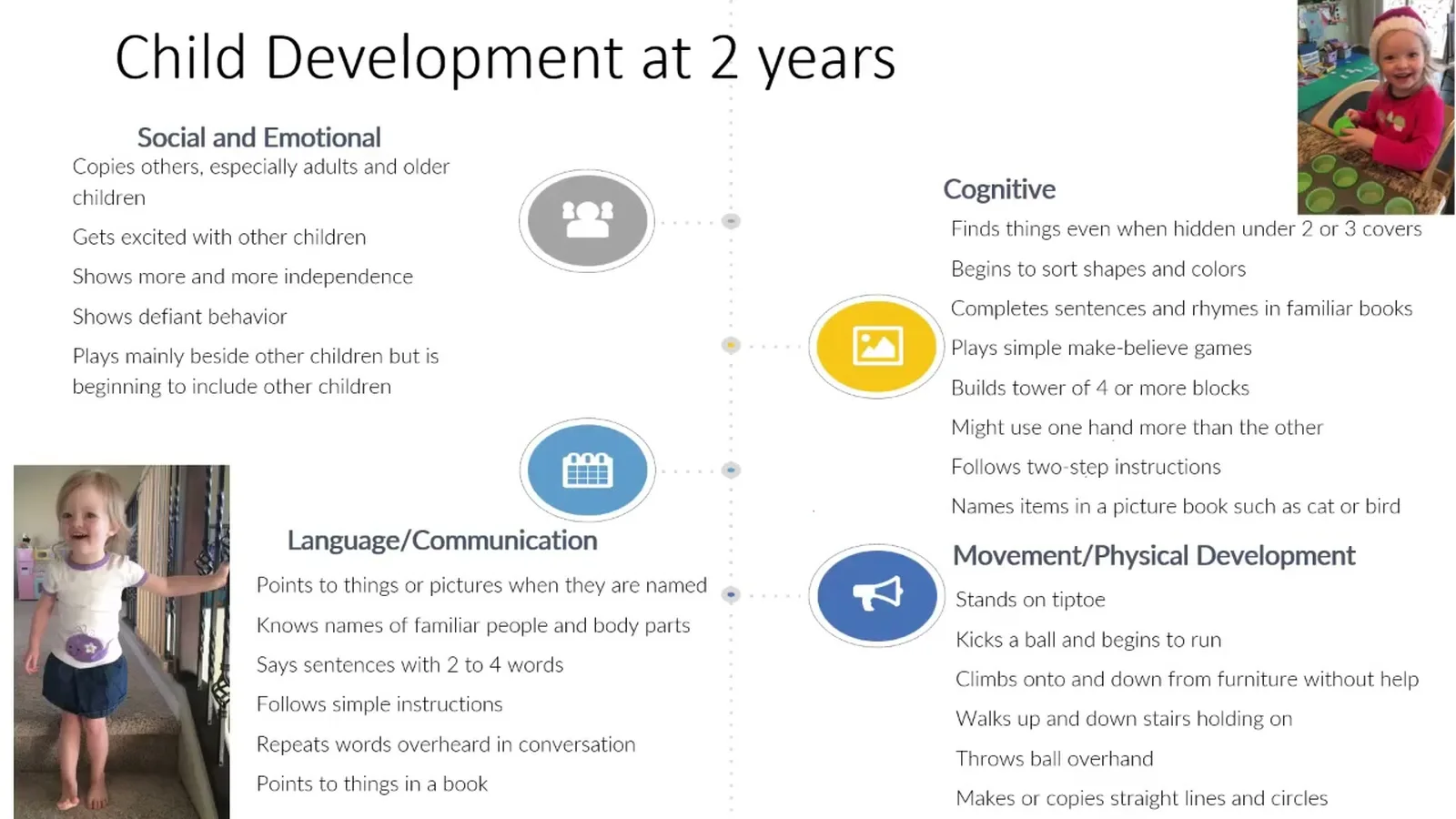
Child Development for Behavior Analysts
Experts who cover this
2 recordings on openceu cover mastery criteria.
- Featured talk1 CEU
Child Development for Behavior Analysts
Kristen ByraThe Behaviorist Bookclub
Byra gives worked examples of goals set too high, too low, or arbitrarily ("too huh"), including unrealistic zero-tantrum and 100%-compliance criteria that…
- 1 CEU
genArete: To Teach or not to Teach!
Mark MaladyThe Behaviorist Bookclub
Mark flags mastery criteria (80/90/100%, rate-based measures) as an active area of research since 2018, and describes his program's own approach: combining…

On this page · 8 sections▾
Mastery criteria are the rules that say when a skill is learned. A common one is 90 percent correct across three sessions. Once the learner hits that bar, we call the skill mastered.
This choice matters more than it looks. Set the bar too low and the skill fades away. Set it in the wrong place and you may fool yourself. BCBAs, RBTs, and teachers all rely on these rules to guide teaching.
What mastery criteria really decide#
Mastery criteria do two jobs at once. They tell you when to stop teaching a target. They also predict whether the skill will last.
A weak bar can pass a learner too soon. The skill may look solid in the room. Then it slips away a week later. A strong bar costs more time but protects the outcome.
A good criterion has a few clear parts. It names the accuracy level, like 90 percent correct. It sets how many sessions must meet that level. It may also name where the skill must show up. Writing these parts down keeps the team honest and consistent.
An open question in the field#
There is no single agreed-upon number for mastery. This is still an active research topic. Mark Malady frames the debate clearly.
there's a lot of really good work happening out there on what mastery criteria should be utilized. Should we be going for 80 percent, 90 percent or 100 percent? Should we be going for rate based measures? From the talk — Mark Malady, BCBA
Percent correct is one option. Rate, or how fast a response happens, is another. The best choice can depend on the skill and the learner. So this is a decision to make with care, not habit.
Why within-session data can fool you#
Passing a skill in session is not the same as owning it. Mark Malady warns about false positives, meaning a skill looks mastered but is not. Session-only rules can hide this gap.
what happens when the within session criteria is used as the termination criteria we can get a lot of false positives we can say that somebody can do something and then they go into a place where they should be doing that and it does not happen From the talk — Mark Malady, BCBA
His program answers this with a two-part rule. It combines in-session data with reports from real life. The learner or their support network confirms the skill shows up outside therapy.
our mastery criteria is actually written from reports of either the person or the support network so we have a within session criteria plus reports from and those two features together are utilized to actually say hey true mastery of this skill has accomplished From the talk — Mark Malady, BCBA
This guards against skills that only work at the table. It ties mastery to the natural setting, where it counts.
Goals set too high, too low, or for no reason#
 Advertisement
Bad mastery criteria often start with a bad goal. Kristen Byra gives a simple way to catch this. She sorts errors into three buckets.
sometimes we aim too high. Sometimes we aim too low. And sometimes we aim too, huh? Means I don't know why we are targeting this goal. From the talk — Kristen Byra
The "too huh" bucket is the one to watch. It means no one can explain why the goal exists. If you cannot justify the target, the criterion is guesswork.
When 100 percent is the wrong target#
High is not always right. Some goals ignore how real children actually develop. Byra shares a goal that misses this point.
I see mastery criteria that looks like this client who's age three will have one instance of tantrum behavior for four consecutive weeks. From the talk — Kristen Byra
Typical three-year-olds have tantrums. A near-zero tantrum goal fights normal development. The same problem shows up with perfect compliance goals. Byra points out that full compliance is not always a safe target for a child.
A child who always complies cannot say no. That can put safety at risk. So the right bar depends on the skill, and sometimes lower is wiser.
Balancing rigor with the natural setting#
The two speakers point in the same direction. Set a bar high enough to make the skill last. But keep it grounded in real life and normal development.
That balance is the heart of good mastery criteria. Mark Malady covers more of this thinking in genArete: To Teach or not to Teach!.
What the research says#
Research now gives clear guidance on where to set the bar. A systematic review looked at three years of ABA journals. Higher acquisition criteria were linked to better skill maintenance. The same pattern held for generalization to new settings (Wong, Fienup, Richling, Keen, & Mackay, 2022).
A direct comparison tested 80, 90, and 100 percent. Four autistic children learned to recognize words at each level. Skills held up at about the accuracy used to teach them. A 100 percent criterion reliably beat 80 and 90 percent at follow-up (Pitts & Hoerger, 2021).
There is also a gap between research and practice. One descriptive study compared the two. Researchers tend to use higher accuracy across fewer sessions. Practitioners often use lower accuracy across more sessions (McDougale, Richling, Longino, & O'Rourke, 2019).
The way you count matters too. One study applied criteria to single targets or to whole sets. Individual targets sped up learning for many learners. But overselection caused a false positive on some targets (Cordeiro, Kodak, Reidy, Stoppleworth, Zelinski, & Jainga, 2022).
FAQ#
What is a good mastery criterion in ABA?
There is no single right number, but higher tends to last longer. Research often supports 90 to 100 percent accuracy across several sessions. Match the bar to the skill and to the learner's needs.
Why do mastered skills sometimes disappear?
Often the bar was set too low. A skill can pass in session and still fade in real life. Adding maintenance probes and natural-setting reports helps catch this.
Should every goal use 100 percent as the target?
No, not every goal should. Some behaviors, like tantrums or compliance, involve normal development or safety. Perfect scores can set unfair or even risky goals.
 Advertisement
Turn this topic into a CEU
You just studied this. Now get credit for it.
Watch Child Development for Behavior Analysts with Kristen Byra and earn 1 free BCBA CEU. Detailed certificate, delivered the moment you finish.