Evidence-Based Practice in ABA, Explained
Evidence-based practice in ABA is a decision process, not a checklist. See how research, clinical skill, and client values work together.
Key takeaway
Evidence-based practice is a way to make good clinical choices. In applied behavior analysis (ABA), the field that uses learning science to help people build skills, it brings together three things.

From Research to the Applied Setting: Breaking Down the Three-Legged Stool of "Evidence Based Practice"
Free learning path on this topic
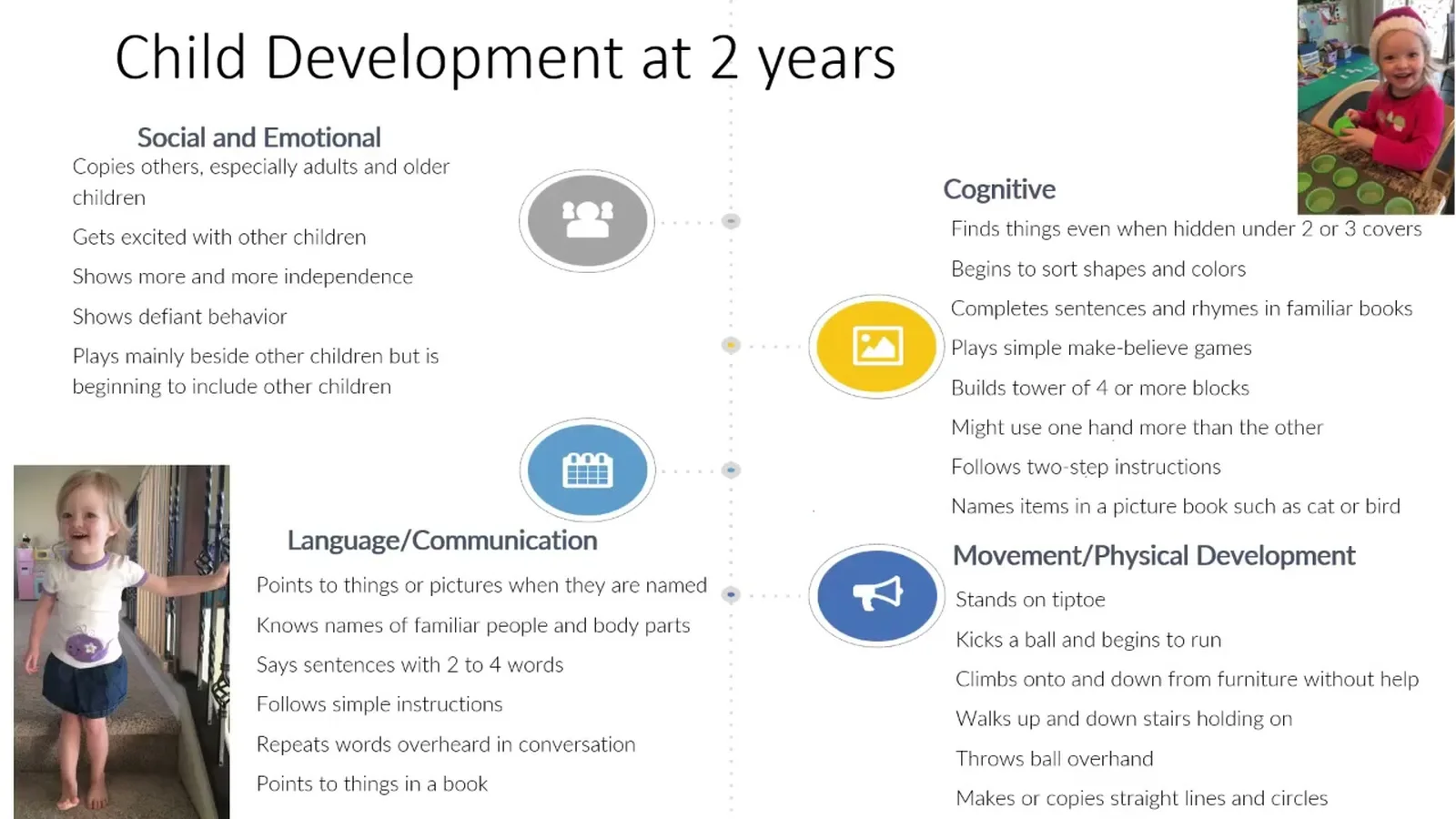
Child Development for Behavior Analysts
Typical development for behavior analysts. Kristen Byra's overview, then Kelly Brzak's deep dives on ages 2 to 5, 6 to 8, and 9 to 11, with milestones, common problem behaviors, and programming tips for each band.
Experts who cover this
2 recordings on openceu cover evidence-based practice.
- Featured talk1 CEU
From Research to the Applied Setting: Breaking Down the Three-Legged Stool of "Evidence Based Practice"
Dr. Jessica OsosCopper Consulting Group
The whole talk frames evidence-based practice as a dynamic integration process, not a checklist, built on three legs (best available evidence, clinical…
- 1 CEU
Child Development for Behavior Analysts
Kristen ByraThe Behaviorist Bookclub
Byra clarifies evidence-based does not just mean a published article exists, and points to the CAPTAIN website's 28 evidence-based practices with free learning…

On this page · 8 sections▾
Evidence-based practice is a way to make good clinical choices. In applied behavior analysis (ABA), the field that uses learning science to help people build skills, it brings together three things. You use the best research you can find. You use your own clinical skill. And you use what the client wants and needs. When all three come together, you get care that actually fits the person in front of you.
Many people think evidence-based practice just means "there is a study on it." That is not the whole picture. The research is only one part. This page pulls together what several expert speakers teach about the concept. Each one lands on the same core idea from a different angle.
What evidence-based practice really means#
The term gets used a lot, but the meaning gets lost. Kristen Byra, a certified behavior analyst who studies child development, warns against a common shortcut. People assume a published paper equals proof. She pushes her students to ask harder questions about what "evidence-based" really stands for.
Penny Holloway gives a clean definition. She points to a well-known 2014 framework from the field. In her words, evidence-based practice is a decision-making process. It pulls from research, from what the clinician knows, and from the client's own values. No single leg carries the whole weight.
Dr. Jessica Osos frames it the same way. She wants people to stop treating it like a rule to obey. The goal is not to check a box. The goal is to make a smart choice for one specific person.
The three-legged stool#
Osos uses a simple picture to teach this. Think of a stool with three legs. One leg is the best available evidence. One leg is clinical expertise, which is the skill you build over time. The last leg is the client's values and life context.
it's a three legged stool of evidence based practice.
From the talk — Dr. Jessica Osos
A stool needs all three legs to stand. Take one away and it tips over. If you only use research, you ignore the person. If you only use your gut, you drift from what works. Balance keeps the care steady and safe.
Holloway teaches the same three parts in her own talk. She uses values as a compass for clinical work. The client's goals point the way. The research and the clinician's skill help you get there.
A process, not a product#
This is the shift most people miss. Evidence-based practice is not a finished thing you own. It is something you keep doing. Osos is direct about this point.
it's best understood as a process, not a product.
From the talk — Dr. Jessica Osos
A process changes as the case changes. You gather new data. You watch how the client responds. You adjust. A product would just sit there, fixed and done. Good practice never sits still.
Osos also warns against turning it into busywork. She says evidence-based practice is not a compliance exercise. It is not a form you fill out to please a supervisor. It is real thinking applied to a real person. That mindset keeps the work honest.
Published does not mean proven#
 Advertisement
Byra spends real time on this trap. A study existing does not make a method sound. Some studies are weak. Some are old. Some do not apply to your client at all. You have to read with a careful eye.
And what do they mean by evidence-based? Evidence-based is not synonymous with there's a published article on it.
From the talk — Kristen Byra
Byra points people to a helpful free resource. The CAPTAIN website lists 28 evidence-based practices for autism, based on a 2020 review. It comes with free learning modules. That kind of vetted list beats a single stray paper. It shows what has held up across many strong studies. Byra covers this in more depth in Child Development for Behavior Analysts.
Clinical judgment still counts#
Some worry this framework turns clinicians into robots. It does the opposite. Holloway is clear that you do not follow a paper word for word. Your training and judgment matter just as much.
we're not just going to follow the articles to the T, we are going to include our knowledge, our judgments, our critical reasoning
From the talk — Penny Holloway
Research is built on group averages. Your client is not an average. They have their own history, their own family, their own goals. Your job is to bridge that gap. You take the general finding and shape it to fit one person. That takes real skill and judgment.
Client values sit at the center#
The third leg often gets the least attention, but it may matter most. A plan can be backed by strong research and still fail. If it clashes with the client's values, they will not buy in. And a plan nobody follows helps no one.
Holloway treats values as the compass for the whole journey. Osos folds client context right into the stool. Both agree the person's voice belongs in the room. You ask what they care about. You ask what a good life looks like to them. Then you build the plan around that.
This focus also protects people. When you center the client, you are less likely to reach for harsh or restrictive methods. You look for the option that respects them and still works.
What the research says#
The published record backs up this three-part view and shows why it matters in daily work.
One 2025 commentary defends the field against common myths. It shows that decades of evidence support autonomy and wellbeing when ABA is done well. The authors call for the field to give evidence-based practice even more attention (Travers & Tincani, 2025, Perspectives on Behavior Science).
Another study looked at what happens when training and oversight are thin. Practitioners can drift toward restrictive methods even when gentler proven options exist. The authors built a review panel to keep treatment ethical and evidence-based (Logue et al., 2023, Behavior Analysis in Practice).
A third paper looks at practice during heated cultural debates. The advice is to act like a scientist, keep studying, and check your work against the ethics code (Jimenez-Gomez, 2025, Perspectives on Behavior Science).
A fourth focuses on training early childhood educators. Coursework alone does not get good practices into classrooms. New teachers need coaching and support during fieldwork to actually use them (Kim et al., 2024, Early Childhood Education Journal).
Frequently asked questions#
Is evidence-based practice just following the research?
No. Research is only one of three parts. You also use your own clinical skill and the client's values. A study tells you what worked for a group. You still have to decide if it fits this one person. That decision is the real work.
How do I know if a practice is truly evidence-based?
Look past a single study. Check vetted lists that review many strong studies at once. The CAPTAIN list of 28 practices for autism is one good example. Ask how strong the evidence is and whether it applies to your client. One paper is only a starting point.
Why do experts call it a process instead of a rule?
Because it never stops. You gather data, watch the client respond, and adjust the plan. A rule would stay fixed no matter what you saw. Good practice keeps changing as the case changes. That is why experts picture it as a stool you keep balancing over time.
 Advertisement
Turn this topic into a CEU
You just studied this. Now get credit for it.
Watch From Research to the Applied Setting: Breaking Down the Three-Legged Stool of "Evidence Based Practice" with Dr. Jessica Osos and earn 1 free BCBA CEU. Detailed certificate, delivered the moment you finish.
Keep going with a free learning path
Child Development for Behavior Analysts
Typical development for behavior analysts. Kristen Byra's overview, then Kelly Brzak's deep dives on ages 2 to 5, 6 to 8, and 9 to 11, with milestones, common problem behaviors, and programming tips for each band.