Prerequisite Skills in ABA: Why They Come First
Prerequisite skills are the building blocks a learner needs before a bigger goal. Learn how to check for them and pick the right teaching plan.
Key takeaway
Prerequisite skills are the smaller skills a learner needs first. A bigger skill sits on top of them. Think of them as the bottom steps of a staircase.
5 Days of Manding Mastery
Free learning path on this topic
Verbal Behavior: Beyond WH-Questions
Dana Pettus's three-part series on building generative verbal behavior. Why WH-question programs stall, how to establish speaker-listener repertoires, and how to scaffold advanced verbal skills like recall and simple inference. Three hours, three CEUs.
Experts who cover this
3 recordings on openceu cover prerequisite skills aba.
- Featured talk2.50 CEUs
5 Days of Manding Mastery
Matt HarringtonThe Behaviorist Bookclub
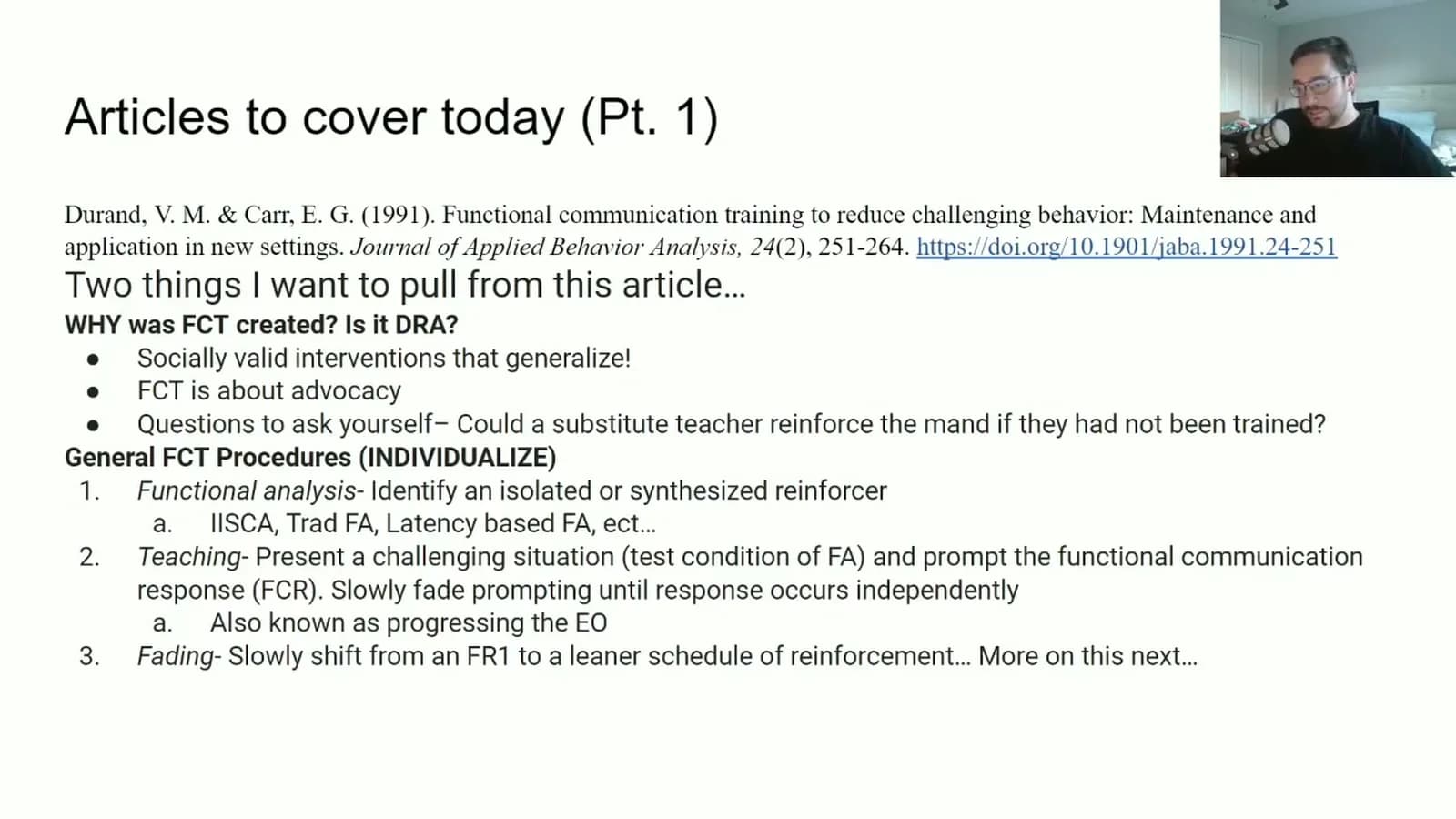
Day 1's core topic: using a brief prerequisite assessment (imitation, echoic, matching) to pick the most efficient mand modality before programming, rather…
- 2.50 CEUs
Solving Clinical Challenges with Research
Matthew HarringtonThe Behaviorist Bookclub
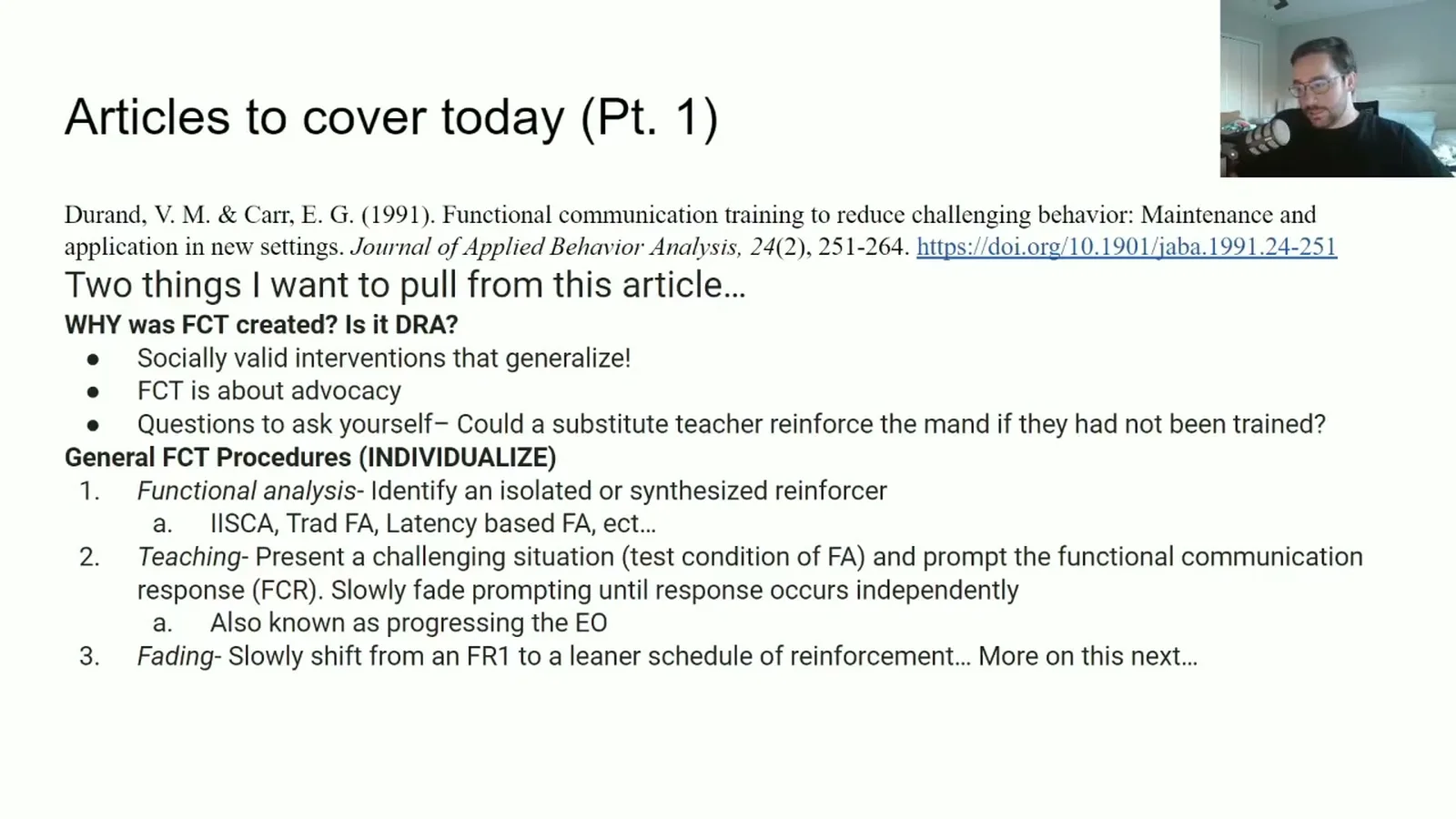
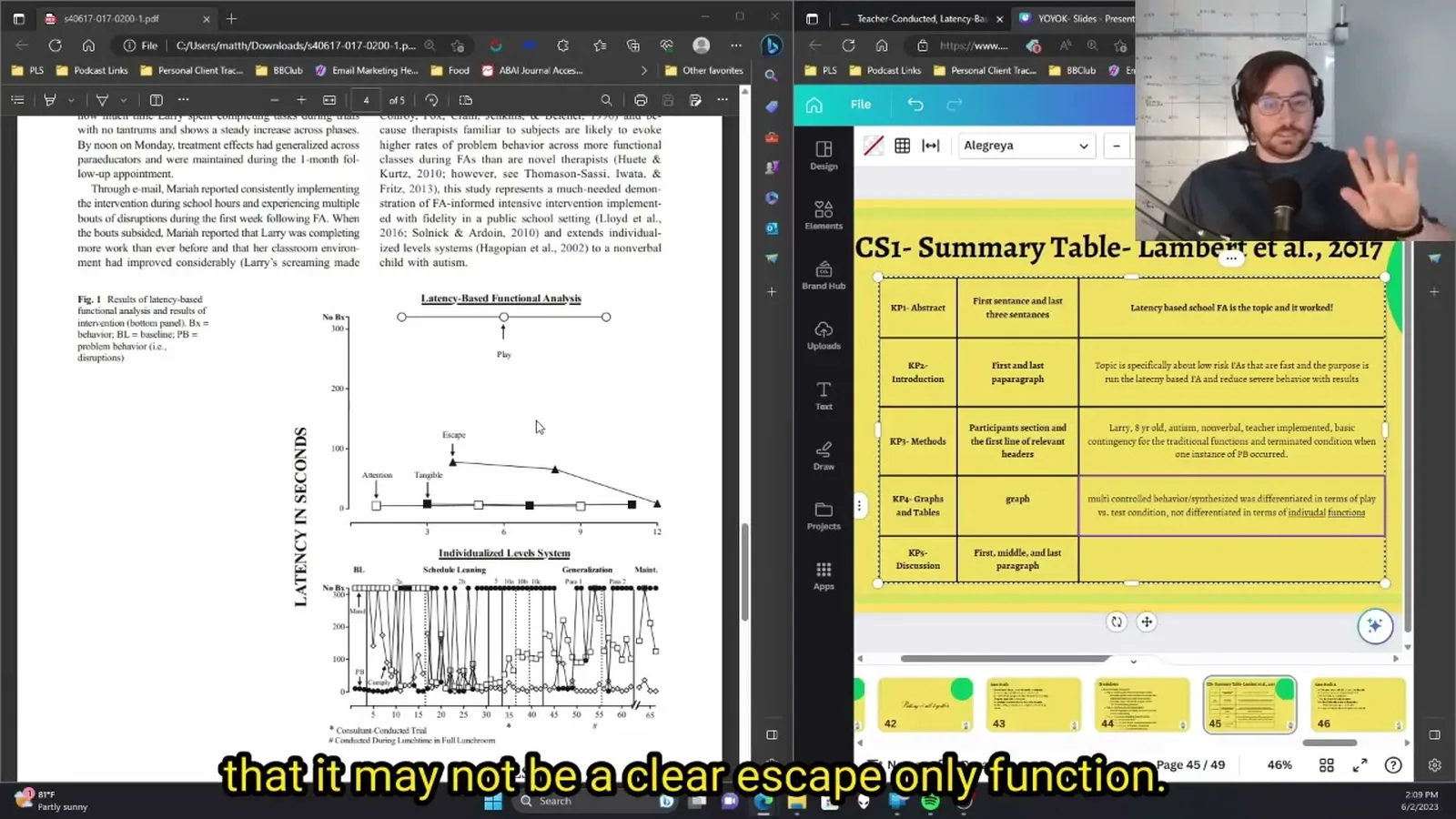
The core of case study 2's key-places walkthrough is a study assessing motor imitation, matching, and vocal-imitation prerequisites to predict which mand…
- 1 CEU
Child Development for Behavior Analysts
Kristen ByraThe Behaviorist Bookclub
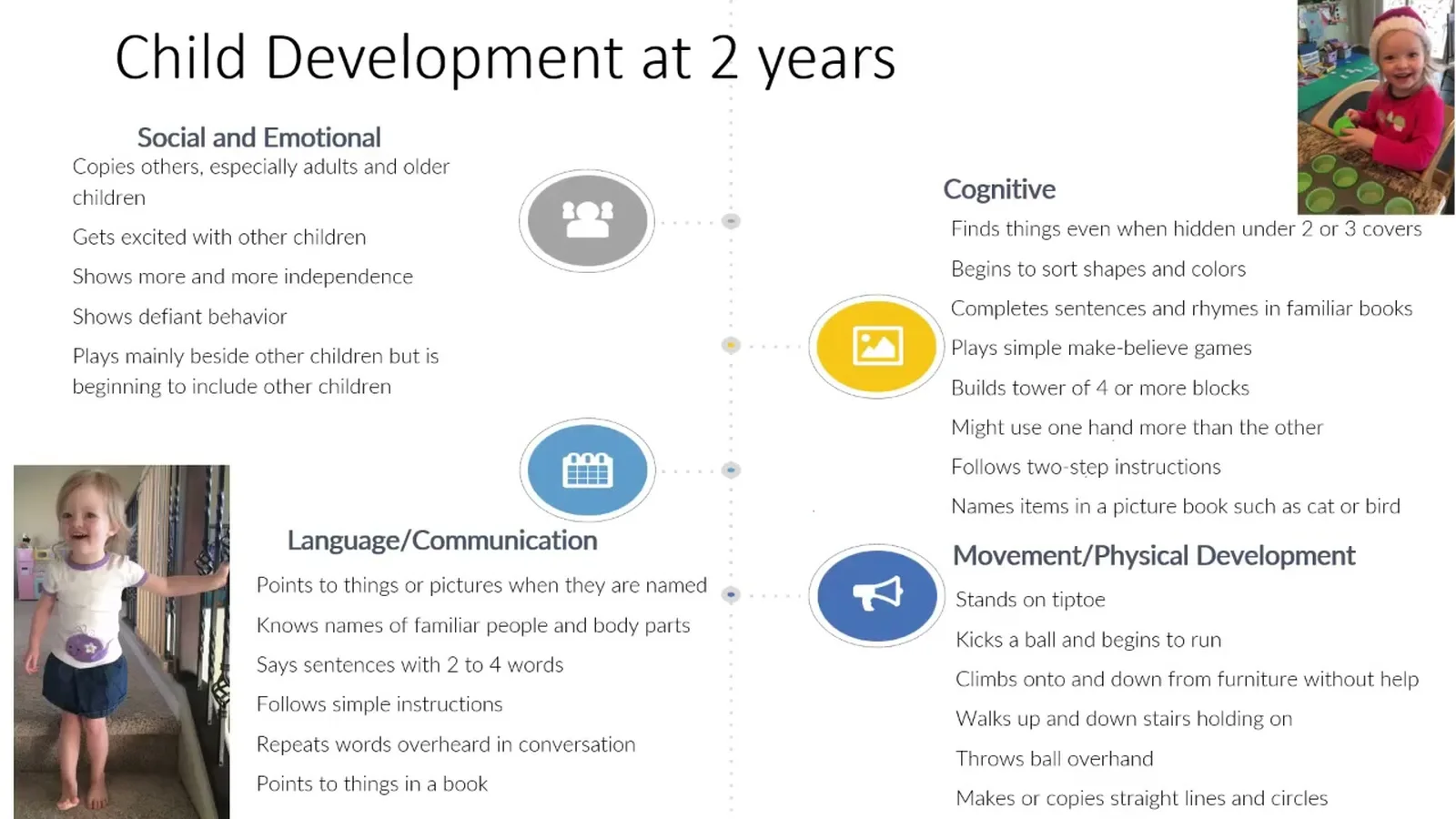
Byra ties prerequisite skills directly to child development: a client lacking foundational skills (e.g., two-step direction following) isn't ready for a higher…
On this page · 7 sections▾
Prerequisite skills are the smaller skills a learner needs first. A bigger skill sits on top of them. Think of them as the bottom steps of a staircase. You cannot jump to the top step. In ABA, we check for these building-block skills before we set a goal.
Why does this matter? Picking a goal a child is not ready for wastes time. It can also frustrate the child and the family. A quick check of prerequisite skills helps you choose the right goal. It also helps you choose the right way to teach it.
What prerequisite skills really means#
A prerequisite skill is a skill the learner must have to reach the next one. Some are obvious. A child needs to hold a crayon before writing letters. Some are easy to miss. A child may need to sit and attend before group learning works.
Kristen Byra ties these skills to normal child development. She looks at what a child can already do. Then she asks what smaller skills are still missing. If they are missing, the goal is too far away right now.
So probably for this particular kiddo, we are lacking the prerequisite skills. We're just not quite ready, um, to be there. From the talk — Kristen Byra
This is not a reason to give up. It is a reason to back up. You teach the missing piece first. Then the harder goal becomes reachable.
Learning-to-learn skills come first#
Some prerequisite skills show up in almost every program. Byra calls these "learning to learn" skills. They let a child take part in teaching at all. Without them, even good lessons fall flat.
So things like attending, being able to relinquish reinforcers, you know, having our hands still and ready. From the talk — Kristen Byra
Attending means the child looks and listens. Relinquishing reinforcers means the child can give a toy back. Waiting with still hands means the child is ready for the next cue. These small habits open the door to bigger goals.
Teaching these first feels slow. It is not. It builds the base that every later skill stands on.
Checking prerequisites before picking a mand modality#
 Advertisement
A mand is a request. A child may request by talking, by sign, or by handing over a picture card. Which one should you teach first? Guessing wastes weeks. A short prerequisite check points you to the best fit.
Matt Harrington teaches this in his manding work. He looks at imitation, matching, and echoic skills first. An echoic is copying a sound you hear. These skills predict which request style will grow fastest.
So rule out modalities, a.k.a. don't choose vocal with no echoics. From the talk — Matthew Harrington
In plain terms, do not pick spoken words if the child cannot copy sounds yet. That path will likely stall. A picture card or sign may work far better for now.
Echoics and vocal requests#
The strongest signal for spoken requests is the echoic skill. If a child cannot copy sounds, spoken manding gets hard. Harrington is direct about this point.
But the one thing I think we can be pretty confident about is that if echoic skill sets are not present, if they cannot imitate one-syllable, two-syllable sounds, you're probably going to struggle when it comes to vocal man training. From the talk — Matt Harrington
This does not mean spoken words are off the table forever. It means you may build echoic skills first. Or you start with a mode that works today. Then you keep testing for readiness over time.
Why this saves you time#
A prerequisite check takes a short session. Skipping it can cost weeks of stalled data. You may blame the child or the plan. The real problem was a missing base skill.
Checking first also helps you explain your choices. You can tell a family why you picked pictures over speech. Your reasoning rests on the child's current skills, not a guess. That builds trust and better buy-in.
What the research says#
Research backs the idea of testing readiness before you program. Valentino and colleagues built a brief prerequisite assessment for mand training. It looked at sign, picture exchange, and vocal requests. The check moderately predicted the fastest mode for each child (Valentino, LeBlanc, Veazey, Weaver, & Raetz, 2018).
Other work looks at what predicts spoken imitation. A chart review of 118 children found clear signals. Children with a mand repertoire, vocal play, and motor imitation were far more likely to echo sounds (Mason, Bolds, Gavagan, & Ninness, 2024). These are the very skills clinicians screen for first.
Prerequisites also matter outside of communication. One team trained six small skills before teaching joint attention. Students then mastered the harder skill in just a few days (Vostanis, Ritchie, & Langdon, 2024). Building the base first made the main goal quick to reach.
FAQ#
What is an example of a prerequisite skill in ABA? Attending is a common one. A child looks and listens before a lesson can work. Copying sounds, matching objects, and waiting are other examples. Each one supports a larger goal that comes later.
How do I know if a child lacks prerequisite skills? Watch the data and the child's response. Slow or flat progress can be a clue. A quick skills check, like an imitation or echoic probe, helps. If the base skills are missing, back up and teach them first.
Do I have to teach prerequisites before every goal? Not always, but you should check first. Some children already have the base skills in place. When they do, you can move straight to the goal. When they do not, teaching the base skill first saves time.
For a deeper case-based look at ruling things out before you program, see Solving Clinical Challenges with Research.
 Advertisement
Turn this topic into a CEU
You just studied this. Now get credit for it.
Watch 5 Days of Manding Mastery with Matt Harrington and earn 2.5 free BCBA CEUs. Detailed certificate, delivered the moment you finish.
Keep going with a free learning path
Verbal Behavior: Beyond WH-Questions
Dana Pettus's three-part series on building generative verbal behavior. Why WH-question programs stall, how to establish speaker-listener repertoires, and how to scaffold advanced verbal skills like recall and simple inference. Three hours, three CEUs.