Toilet Training in ABA: A Respectful, Planned Approach
Toilet training in ABA uses reinforcement and clear steps. Learn how BCBAs plan safe, respectful programs that fit each family's values and timing.
Key takeaway
Toilet training teaches a child to use the toilet on their own. In ABA, it uses reinforcement and clear, ordered steps. Autistic children often need a more structured plan than peers.
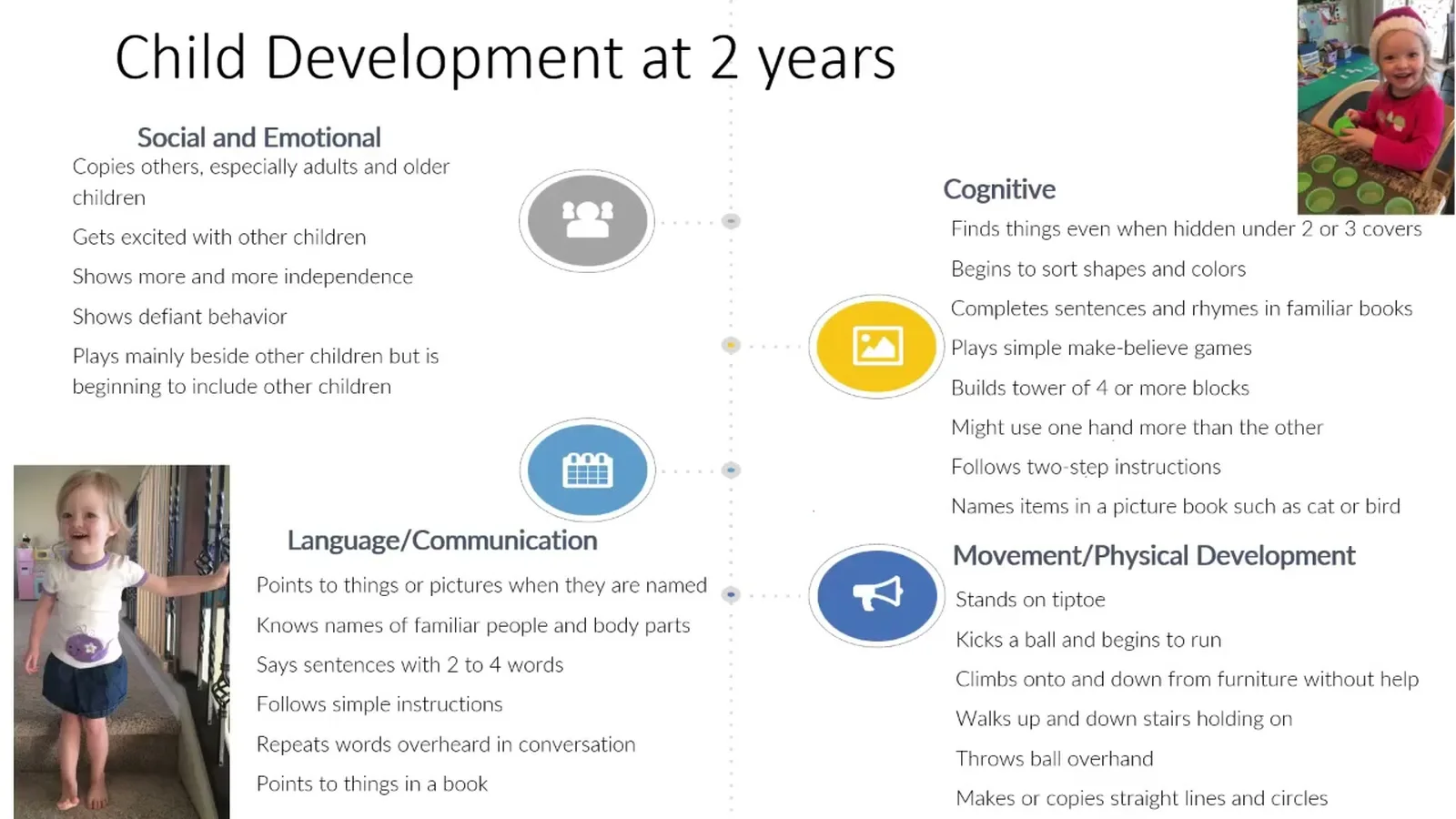
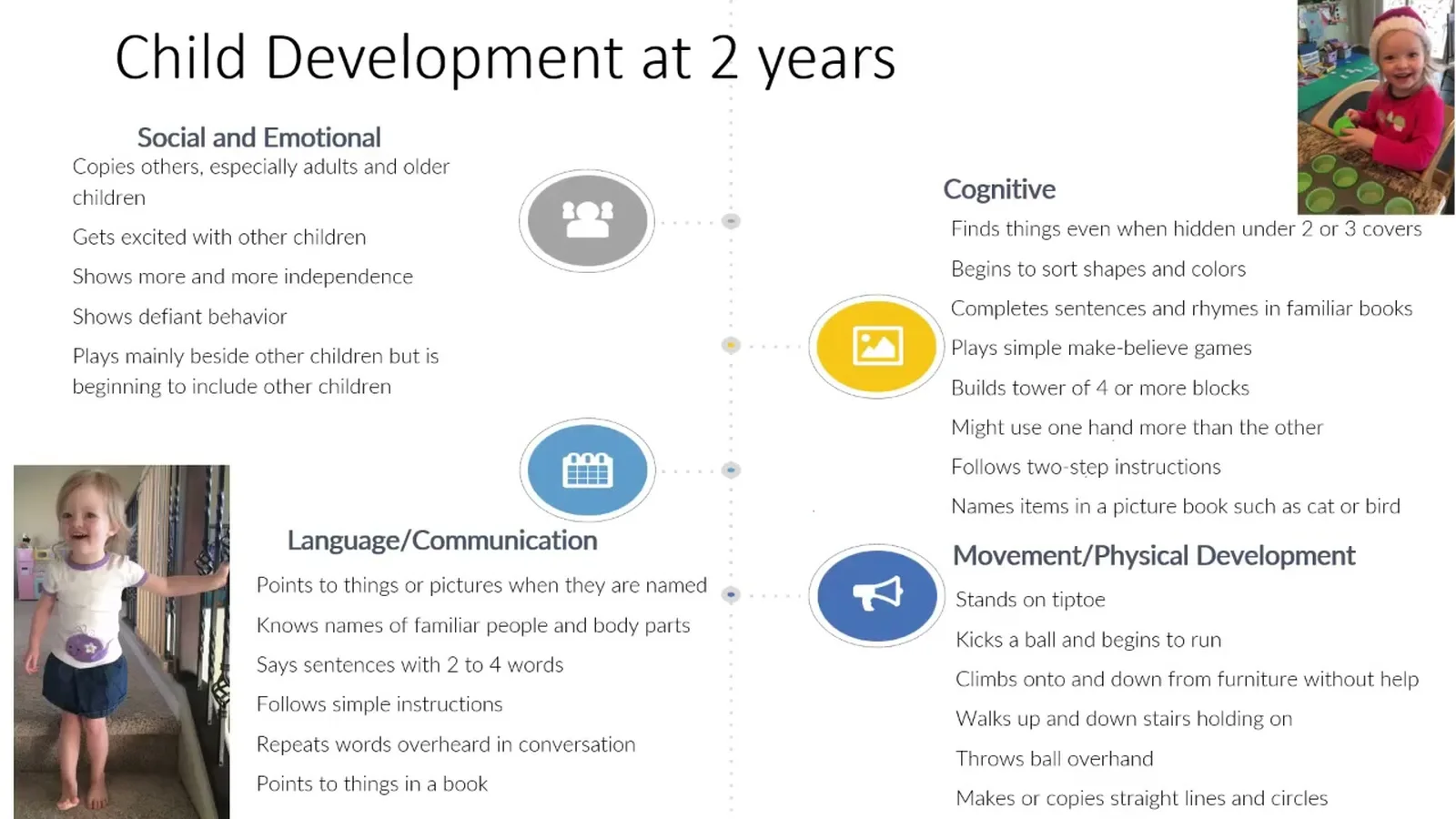
Child Development for Behavior Analysts
Experts who cover this
2 recordings on openceu cover toilet training aba.
- Featured talk1 CEU
Child Development for Behavior Analysts
Kristen ByraThe Behaviorist Bookclub
Byra warns that toilet training goals should follow typical developmental timing and caregiver priorities, using a case where a parent felt forced into an…
- 1 Ethics CEU
Cultural Considerations in ABA Clinical Practice
Mackenzie SandlerThe Behaviorist Bookclub
Used as a small but concrete example of culturally-specific language mattering in programming: a family asked that the bathroom be called 'the washroom,' and…

On this page · 7 sections▾
Toilet training teaches a child to use the toilet on their own. In ABA, it uses reinforcement and clear, ordered steps. Autistic children often need a more structured plan than peers. A good program is safe, planned, and respectful.
This skill matters to BCBAs, RBTs, teachers, and parents. Toileting supports health, dignity, and daily independence. But the work is personal and can feel invasive. So the plan must fit the child and honor the family's wishes.
Toileting also opens doors for the child. It can ease the way into school and social settings. It lowers daily stress for the whole family. That is why the goal is worth careful, respectful work. A rushed or harsh plan can do the opposite and set the child back.
Follow the child's development#
Timing matters in toilet training. You do not push a child before they are ready. Typical development gives a helpful guide. Kristen Byra notes that timing varies by culture.
In the United States, we're usually looking at two to three years, but in most other countries, they're doing it a lot earlier. From the talk — Kristen Byra
Readiness is more than age. It includes body signals and simple skills. You watch for these before you start a full program. Rushing a child who is not ready can backfire.
Respect the family's priorities#
Toilet training goals must fit the family. A parent may not want this goal right now. Pushing it anyway can harm the relationship. Kristen Byra shares a painful case where this went wrong.
She's like, no, the BCBA said I had to do this. Um, and I was just gutted. From the talk — Kristen Byra
That story is a warning. A parent felt forced into a goal they did not choose. Toileting is a family matter, not just a clinical one. You bring the family in as real partners.
Small language choices matter#
Toileting words are personal and cultural. Families may use their own terms for the bathroom. Using the wrong word can feel disrespectful. Mackenzie Sandler learned to ask first.
also reminding you guys to ask what they call the bathroom. I was working with somebody and they specifically said, please call it the washroom. From the talk — Mackenzie Sandler
Staying consistent took real effort for her. She built herself a prompt to remember.
I needed to make myself a prompt because I can't tell you how many times I was working with that kid. And I said, come on, let's go to the bathroom. And I'd be like, oh, washroom. From the talk — Mackenzie Sandler
You can go deeper on culture in care in Cultural Considerations in ABA Clinical Practice.
Plan before you start#
 Advertisement
Good toilet training starts long before day one. You handle medical checks and risks up front. You also set up your data system and get real buy-in. Skipping these steps leads to problems later.
Common program parts include a few core tools. You use reinforcement for staying dry and for using the toilet. You may add a sit schedule and extra fluids. You fade these supports as the child gains skill.
Avoid harsh or intrusive steps when you can. Many older methods used punishment, which raises ethical concerns. Newer packages skip punishment and still work well. The goal is success with the least intrusive plan.
Handle risks and dignity first#
Toileting work touches a child's body and privacy. So you protect their dignity at every step. You keep the process calm and private. You explain what is happening in words the child can grasp.
Medical checks come before any training. Some accidents have a medical cause, not a skill gap. A doctor should rule out issues like constipation. Skipping this step can lead to a plan that cannot work.
Data helps you see what is really happening. You track wet and dry checks and toilet use. The data shows when to fade supports. It also shows when a plan needs a change.
Choice matters here too. When possible, the child takes part willingly. You watch for signs of distress and adjust. A respectful plan protects both progress and trust.
Caregiver buy-in holds the plan together. Parents run most of the routine at home. If they do not agree with the plan, it stalls. So you build the plan with them, not for them.
Consistency across settings speeds up progress. Home, school, and clinic should use the same steps. Everyone uses the same words and rewards. That shared approach helps the skill stick and spread.
What the research says#
Careful planning is now a stressed part of good practice. One paper focuses on the steps before training even starts. It covers medical checks, risk, choice to take part, and caregiver teamwork. The authors warn that skipping these steps leads to poor results (Hollins et al., 2025).
Newer packages can work without punishment. One study used preference assessment, request training, and reinforcement for staying dry. Three of five children learned to use the toilet with the standard package alone. The others needed a bit more individualized support (Osos et al., 2025).
Parents can run the program with coaching. One study coached caregivers over telehealth using a modified BST approach. All caregivers ran the plan with high fidelity. Every child reached mastery, and most kept the skill at follow-up (Dabney, DeVries, & Jimenez-Gomez, 2023).
The field keeps refining these methods. One review honors the classic roots while pushing for better practice. It calls for approaches that match current ABA ethics and standards (Bacotti, Perez, & Vollmer, 2023).
FAQ#
When should you start toilet training in ABA?
Start when the child shows signs of readiness, not just a set age. Typical training in the U.S. happens around ages two to three. Readiness includes body awareness and basic skills. Always match the timing to the child and the family's wishes.
Does ABA toilet training use punishment?
Modern programs try to avoid punishment. Older methods often included it, which raises ethical concerns. Newer packages use reinforcement, sit schedules, and prompts instead. Research shows these gentler plans can still work well.
Can parents do toilet training at home?
Yes, with the right coaching and support. Studies show parents can run a plan with high fidelity. Coaching can even happen over telehealth. The BCBA plans the program and guides the family through it.
 Advertisement
Turn this topic into a CEU
You just studied this. Now get credit for it.
Watch Child Development for Behavior Analysts with Kristen Byra and earn 1 free BCBA CEU. Detailed certificate, delivered the moment you finish.
Parent or caregiver? Find a vetted ABA provider near you on ProviderSpark.