VB-MAPP: What It Measures and How to Use It Well
A plain guide to the VB-MAPP for BCBAs and RBTs. Learn its three parts, what the research says, and how to use scores without checking boxes.
Key takeaway
The VB-MAPP is a language and skill assessment for young children. Its full name is the Verbal Behavior Milestones Assessment and Placement Program. Many BCBAs and RBTs meet it early in their training.
Child Development Deep Dive: Early Childhood (2-5 year olds)
Experts who cover this
11 recordings on openceu cover vb-mapp.
- Featured talk1 CEU
Child Development Deep Dive: Early Childhood (2-5 year olds)
Kelly BrzakThe Behaviorist Bookclub
Kelly frames the VB-MAPP as the core early-childhood assessment, breaking it into its three components (milestones, barriers, transitions) and arguing that…
- 1 Supervision CEU
Delegating with Confidence: Training and Supervising RBTs to Support Assessments
Dr. Jessica OsosCopper Consulting Group
VB-MAPP is used as a running example of a curriculum-based assessment: the BCBA must select which milestones the RBT assesses and script the materials, while…
- 1 CEU
Child Development for Behavior Analysts
Kristen ByraThe Behaviorist Bookclub
Cited as a commonly used 0-4 year assessment whose free self-care checklist is useful even without the paid manual, but warns against over-relying on it for…
- 1 CEU
genArete: Learner-Centered Skill Assessment
Mark MaladyThe Behaviorist Bookclub
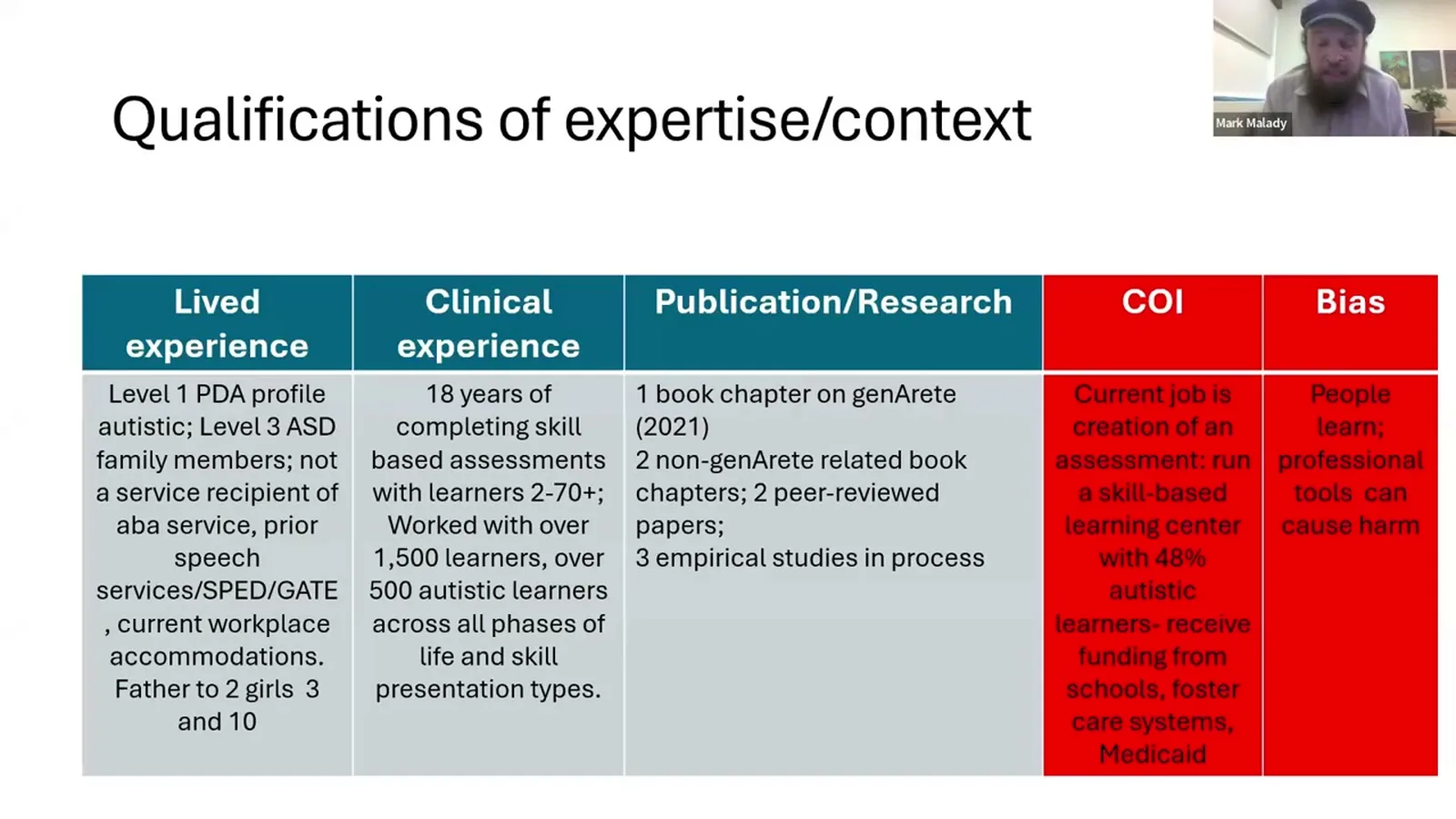
Mark cites a 2025 review finding the VB-MAPP's reliability and validity evidence is only 'emerging' despite it being the highest market-share skill assessment…
- 1 CEU
Getting the Right Answer Isn’t Enough: Establishing Speaker–Listener Repertoires for Complex Learning
Dana PettusThe Behaviorist Bookclub
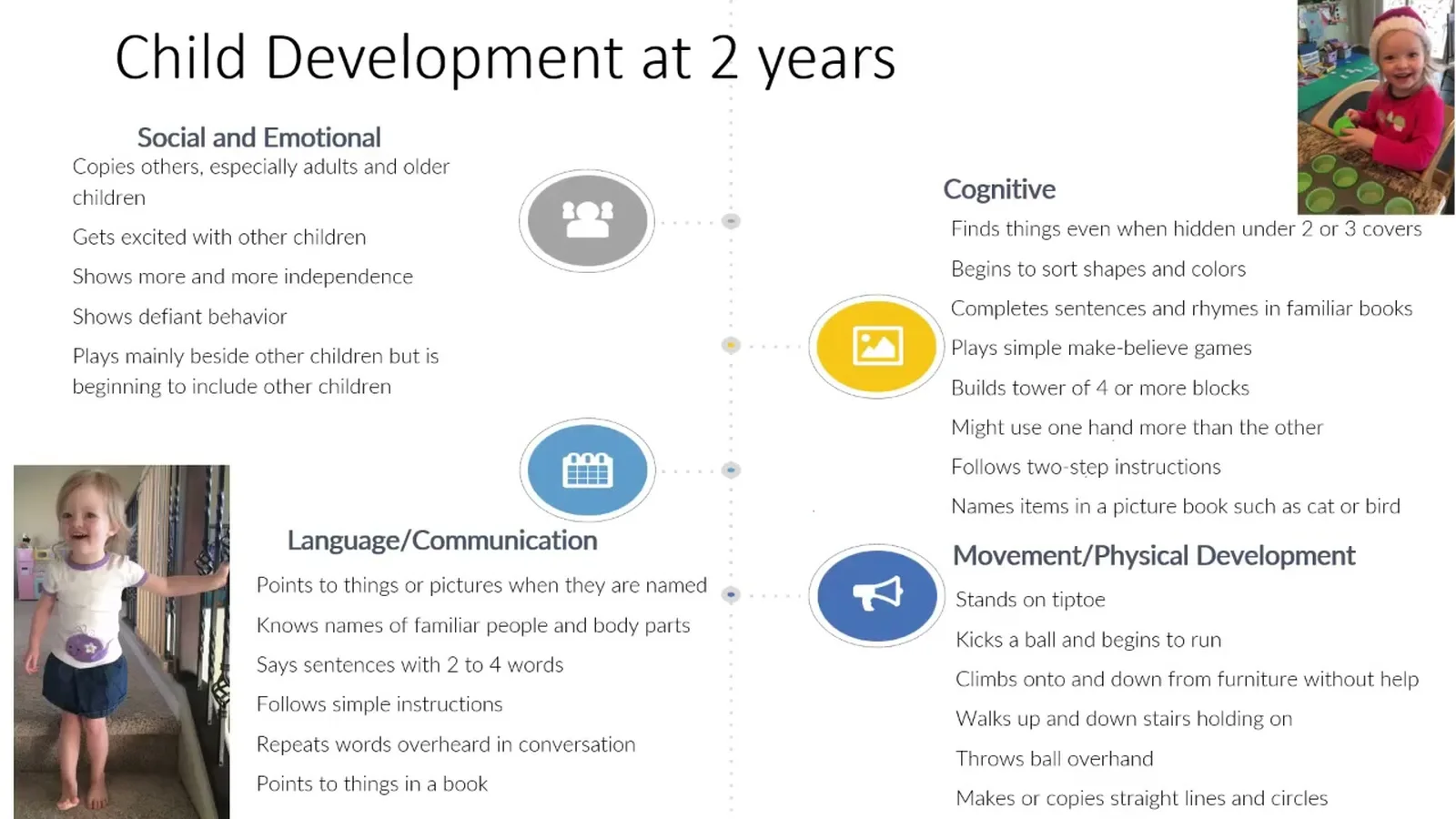
Notes the VB-MAP covers skills like following two-step directions and up to 300 intraverbals but effectively tops out around 48 months, while some of the…
- 1 CEU
Child Development for BCBAs- Age 9-11
Kelly BrzakThe Behaviorist Bookclub
Kelly polls attendees on whether the VB-MAPP is appropriate for 9-11 year olds, concluding it mainly fits when skills are significantly delayed rather than as…
- 1 CEU
genArete: Milestone based comparison criteria in Skill Assessment
Mark MaladyThe Behaviorist Bookclub
Used as a worked example: a colleague overlaid a milestone data path for success in a ballet class on top of standard VB-MAPP scoring, which redirected…
- 1 CEU
Child Development Deep Dive: Middle Childhood (6-8 year olds)
Kelly BrzakThe Behaviorist Bookclub
Kelly cautions clinicians against letting programming become just checking off VB-MAPP boxes rather than being driven by the individual child's and family's…
- 2.50 CEUs
Solving Clinical Challenges with Research
Matthew HarringtonThe Behaviorist Bookclub
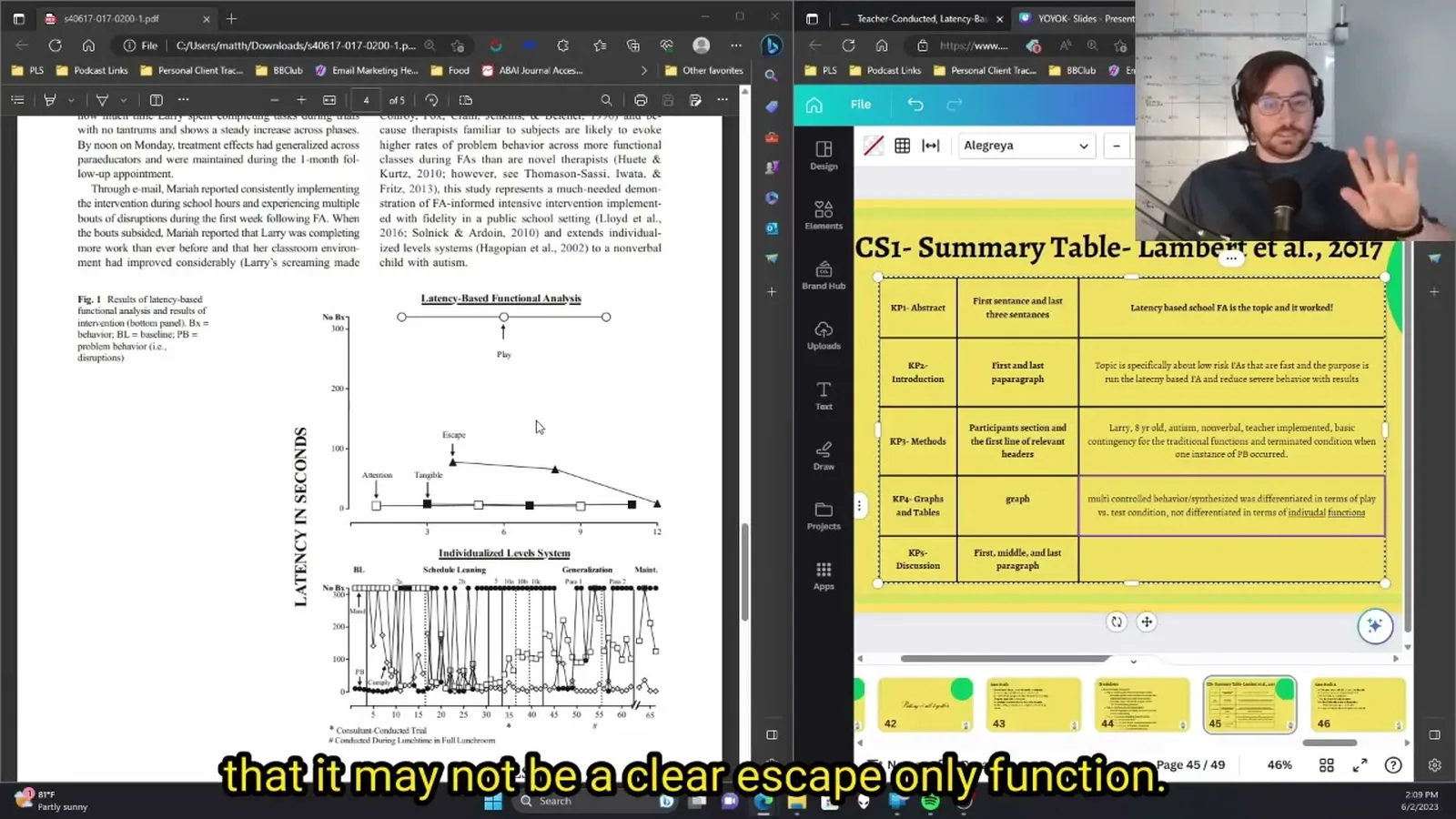
Harrington flags VB-MAP scores as a demographic variable that matters for some interventions (like complex FCT) but not others (like choosing an FA type), and…
- 1 CEU
Generate: Learner Centered Skill Assessments
Mark MaladyThe Behaviorist Bookclub
Cited as the most widely used skill assessment (largest market share as of 2020) despite a 2025 review placing its reliability/validity evidence only in the…
- 1 CEU
Research to practice - extending past the pages
Matt HarringtonThe Behaviorist Bookclub
Cited as the tool used in research papers to describe a learner's verbal repertoire, with the speaker advising clinicians to focus on the sub-domain relevant…




On this page · 7 sections▾
The VB-MAPP is a language and skill assessment for young children. Its full name is the Verbal Behavior Milestones Assessment and Placement Program. Many BCBAs and RBTs meet it early in their training. It looks at how a child talks, plays, and learns.
The tool matters because it turns big goals into small steps. You can see where a child is strong. You can see where a child needs help. That map then guides what you teach next. Parents and teachers gain a clear picture too.
The three parts of the VB-MAPP#
The VB-MAPP is not one test. It has three connected pieces. Each piece answers a different question about the child.
The VB map is made up of the milestones, the barriers, and the transition assessments. From the talk — Kelly Brzak
The milestones part shows which skills a child has. It covers talking, requesting, naming, and play. The barriers part looks at problems that slow learning down. The transition part asks if a child is ready for a new setting. Together they give a full view of the learner.
Kelly Brzak treats the milestones like a base for language. Each small skill is one brick in a wall. Fill in the bricks and the child's communication grows stronger. That is why she urges every clinician to use it, even skeptics.
If you hate the VB map and you come across a little guy, please, for their sake, at least run through it. From the talk — Kelly Brzak
Who the VB-MAPP fits best#
The VB-MAPP was built for early childhood. Most people use it with children from zero to four years old. It shines when skills are still forming. It gives the most useful data at that stage.
The fit gets weaker as children get older. Kristen Byra warns against forcing it onto an older, mismatched client. Kelly Brzak raises the same worry about the nine to eleven age range.
Should you use the VB map with nine to 11 year olds? From the talk — Kelly Brzak
Her answer is a careful one. She only reaches for it when a child's skills are very delayed. For a typical older child, other tools serve better. Age alone should not pick the assessment. The child's actual level should. A tool built for zero to four fits a preschooler, not a fifth grader.
Using scores without checking boxes#
 Advertisement
A common trap is running the VB-MAPP just to fill in boxes. The score becomes the goal instead of the child. Experts across these talks push back on that habit hard.
Kelly Brzak reminds teams that motivation should drive programming. The child and family matter more than a neat grid. Matt Harrington adds a research angle. He says one score is not equally useful for every clinical choice.
A VB map score is relevant to a complex FCT intervention, but a VB map score is likely not that relevant for a functional analysis selection. From the talk — Matthew Harrington
So read the score with a purpose. If you plan a communication program, the manding data matters most. If you pick a functional analysis, the score may not help at all. Use the part that fits your question.
Free tools you can use today#
The full VB-MAPP costs money. The manual and app are paid products. But some pieces are free to grab. That helps clinicians with tight budgets.
The VB map, even if you do not subscribe to their app, even if you don't buy their manual or any of their assessments, this self care checklist actually are free to download from their website From the talk — Kristen Byra
Kelly Brzak also uses free resources from the tool and then builds her own. She reshapes the intraverbal goals to fit her style. The lesson is simple. Take what helps and leave the rest. You do not have to follow every box in order.
Aim at the goal, not the whole map#
One clever idea comes from Mark Malady. A colleague overlaid a real-life goal onto the standard scoring sheet. The goal was success in a ballet class. Suddenly the usual eye-catching domains did not matter. The domains that mattered were the ones tied to ballet.
This shows a smarter way to read the map. Start with what the child and family want. Then find the skills that lead there. Let the goal pull your focus, not the layout of the page. The map serves the plan, not the other way around.
Kaelynn Partlow used the tool this way in a real case. She assessed a minimally verbal eight-year-old girl. The results pointed to warm, useful goals for that child. One was searching for a missing part of a toy set. Another was sitting at a group snack table without hard behavior. The map turned into a plan the family could see.
What the research says#
The VB-MAPP is popular, but its science is still growing. In his talk, Mark Malady points to a 2025 review of the evidence. That review placed the VB-MAPP in the emerging tier, not the strong one. A 2025 scoping review also looked at ABA-based language tools in speech therapy. It found only two in use, the VB-MAPP and the ABLLS-R (Almeida, D. P. C., Azoni, C. A. S., Almeida, L. N. A., Lima, I. L. B., & Delgado, I. C. (2025). Speech and language therapy assessment based on applied behavior analysis: a scoping review. CoDAS, 37(4)).
Reliability data give a mixed picture. In an inter-rater study of 32 children with autism, the Milestones total showed good reliability. The Barriers total was only moderate. Many single Barriers domains showed poor reliability. So teams should not assume every domain is equally trustworthy.
Validity data look more supportive for the Milestones part. In a study of 235 children, Milestones scores matched well with the Vineland Adaptive Behavior Scales. The match held across communication and social areas. The Barriers score did not match the Vineland's maladaptive scores. Other work tested a VB-MAPP based family program in a half-year controlled study. Children's VB-MAPP scores rose over the six months. Read these findings as promising but not final.
FAQ#
What does VB-MAPP stand for? It stands for Verbal Behavior Milestones Assessment and Placement Program. It measures language and learning skills in young children. Most clinicians use it with kids up to about four years old. It helps set goals and track progress.
What are the three parts of the VB-MAPP? The three parts are the Milestones, the Barriers, and the Transition assessments. Milestones show which skills a child has. Barriers show problems that block learning. Transition shows if a child is ready for a new setting.
Is the VB-MAPP good for older children? It was built for early childhood, so it fits young learners best. For older kids, use it only when skills are very delayed. Age should not decide the tool by itself. Match the assessment to the child's real level.
Want a broader view of picking the right assessment? The talk genArete: Learner-Centered Skill Assessment digs into how these tools compare.
 Advertisement
Turn this topic into a CEU
You just studied this. Now get credit for it.
Watch Child Development Deep Dive: Early Childhood (2-5 year olds) with Kelly Brzak and earn 1 free BCBA CEU. Detailed certificate, delivered the moment you finish.