Vineland Adaptive Behavior Scales: A Guide for BCBAs
What the Vineland Adaptive Behavior Scales (VABS) measures, why funders ask for it, and how BCBAs can use its age-equivalency scores to track progress.
Key takeaway
The Vineland Adaptive Behavior Scales is a standardized test of everyday skills. People call it the VABS or just the Vineland. It measures how well a person handles daily life.
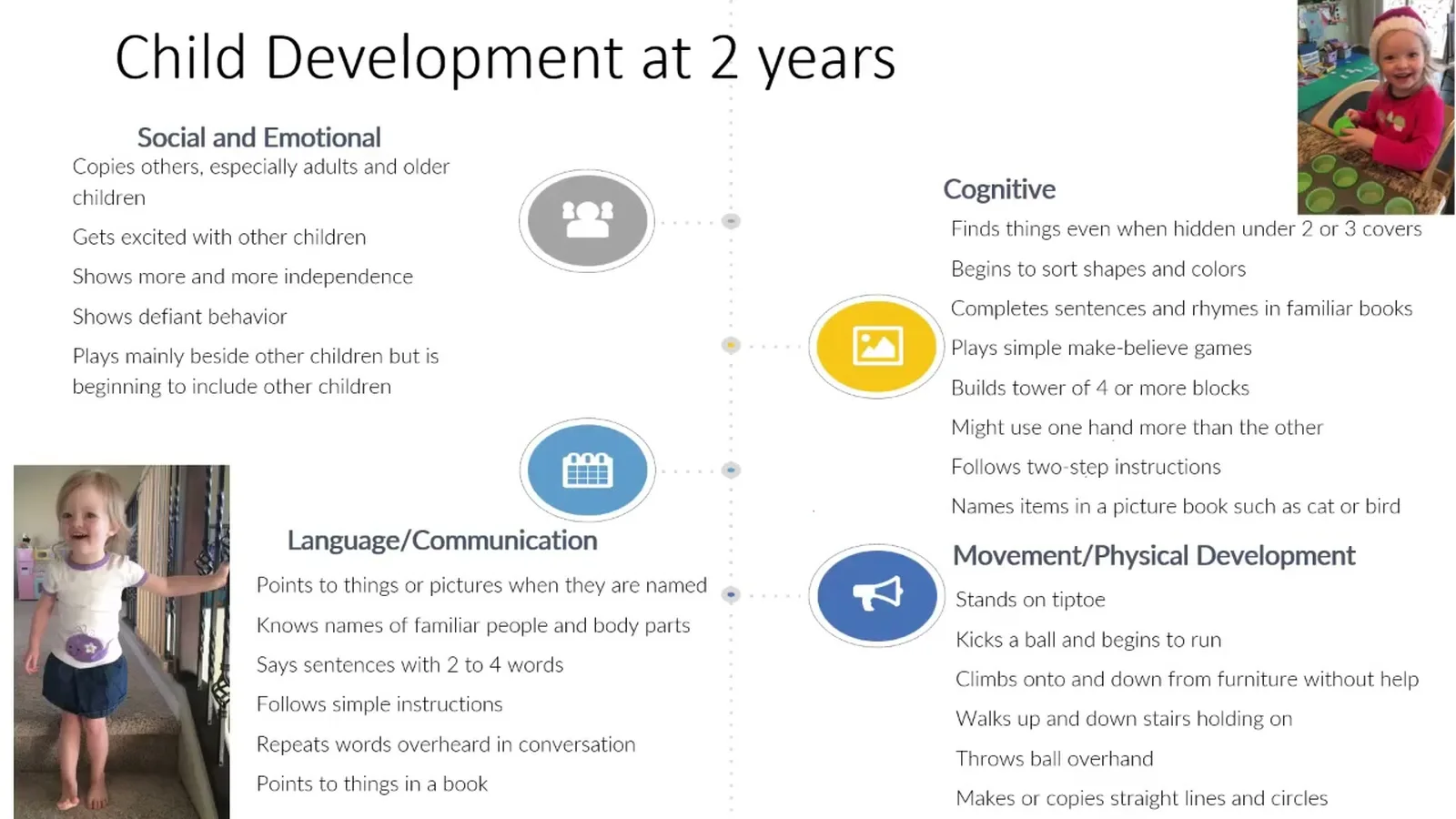
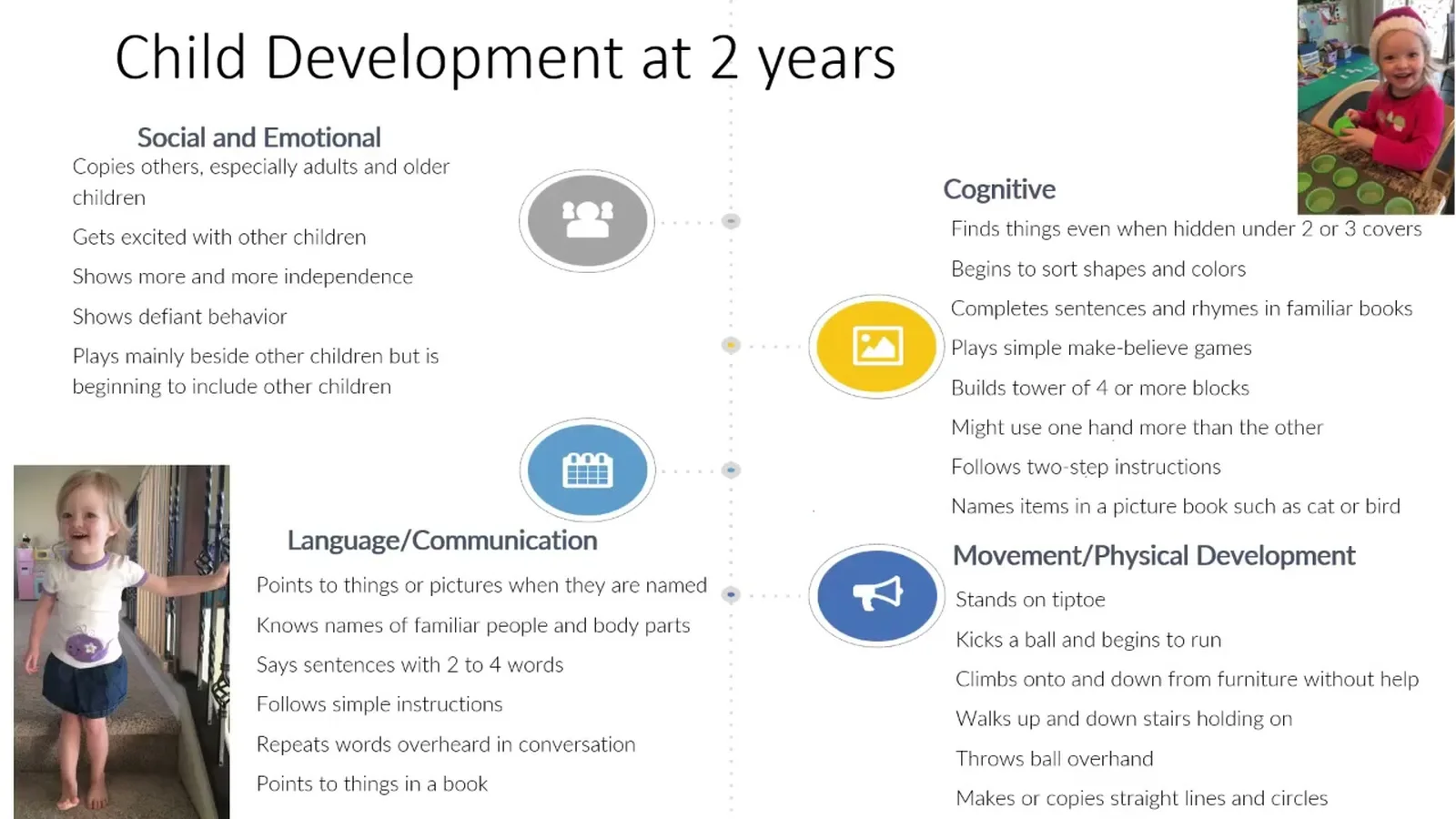
Child Development for Behavior Analysts
Experts who cover this
2 recordings on openceu cover vineland adaptive behavior scales.
- Featured talk1 CEU
Child Development for Behavior Analysts
Kristen ByraThe Behaviorist Bookclub
Described as a 0-90 year assessment often mandated by funders like TRICARE, valuable for its age-equivalency score, but frequently under-utilized once…
- 1 Ethics CEU
Ethically Scaling an ABA Company
Matt Harrington and 3 Pie SquaredThe Behaviorist Bookclub
Suggested as one option for a standardized, repeatable intake/reassessment measure that lets a company track whether quality is dipping as it scales, even…

On this page · 8 sections▾
The Vineland Adaptive Behavior Scales is a standardized test of everyday skills. People call it the VABS or just the Vineland. It measures how well a person handles daily life. That includes talking, getting along with others, and self-care tasks.
BCBAs meet the Vineland often, because many funders ask for it. It gives one clear score you can compare over time. RBTs, teachers, and parents care too. The results shape goals, show progress, and help teams speak the same language.
What the Vineland measures#
The Vineland looks at adaptive behavior, which means real-life coping skills. It covers a wide age range. That makes it useful across a whole lifespan, not just childhood.
And then we have the Vineland. That's the acronym of the VABS and that's zero to 90 years old. From the talk — Kristen Byra
The test groups skills into a few main areas. These include communication, daily living skills, and socialization. Some forms also add a motor skills area. A caregiver or teacher who knows the person usually answers the questions.
Why funders and teams like the age-equivalency score#
One reason the Vineland is popular is the age-equivalency score. This turns a raw number into an easy idea. It tells you the age level a person's skills match.
Keeping in mind too, the Vineland will also give you that really handy dandy age equivalency score. From the talk — Kristen Byra
That plain number helps parents understand where their child is. It also helps funders like TRICARE see the need for services. The score is easy to explain in a meeting.
The Vineland as a progress measure#
The Vineland is not only for the first intake. You can give it again later to check growth. Comparing a "before" score to an "after" score shows change.
what is the pre and post Vineland scores, for example, and then let's translate it into some age data and then let's see what is the exact percentage of progress that this client made. From the talk — Matt Harrington
This makes the Vineland a handy quality check for a growing company. A standard measure across clients shows if care is staying strong. It will not capture every ABA detail. Still, it gives a shared yardstick that anyone can read.
A common gap: giving it, then forgetting it#
 Advertisement
Many teams give the Vineland only because a funder demands it. They submit the report and then never look at it again. That wastes a rich source of data.
The smarter move is to treat the Vineland as a living tool. Use it to set goals in areas of real need. Then give it again to see if those areas improved. This closes the loop between testing and treatment.
How the Vineland fits with other assessments#
The Vineland measures broad adaptive skills, not ABA-specific milestones. So many BCBAs pair it with a skills tool like the VB-MAPP. Each test answers a different question.
The Vineland shows the big picture of daily functioning. A tool like the VB-MAPP zooms in on language and learning steps. Used together, they give a fuller view of one learner. This idea of a repeatable, standard measure also comes up in Ethically Scaling an ABA Company.
The Vineland has one more strength worth naming. It relies on people who know the person well. A parent or teacher reports on skills they see every day. That grounds the score in real life, not just a testing room.
Practical tips for using the Vineland#
A few habits make the Vineland far more useful. First, pick the right form for your goal and setting. Some forms use an interview, and others use a questionnaire. Match the form to who can give the best answers.
Second, use the results to write real goals. Look for the areas where scores are lowest. Those are often where a learner needs the most support. Turn those gaps into clear, teachable targets.
Third, plan to give the test again later. Note the date and edition you used the first time. Repeat it after enough time has passed to show change. Then compare the scores to see true progress.
What the research says#
Studies back up the Vineland as a solid, trusted measure. One study compared the VB-MAPP and the Vineland in 235 children with autism. It found moderate to strong links between VB-MAPP Milestones scores and the Vineland's Communication, Socialization, and Daily Living areas. This suggests the two tools measure some of the same real skills.
The Vineland also travels well across cultures. A large study adapted the test for Chinese preschoolers aged one to six. It kept strong reliability and could tell apart typical children from those with autism or developmental delay.
One thing to watch is the edition you use. A study comparing the second and third editions found the scores are not identical. About 77% of people scored lower on the Vineland-3 than on the Vineland-II. So compare like editions when you track progress over time.
The Vineland can even flag areas beyond behavior. One large dataset analysis found that 77% of children with autism showed a motor delay on the Vineland motor domain. That kind of signal can point to a needed referral.
FAQ#
What does the Vineland Adaptive Behavior Scales measure?
It measures adaptive behavior, which means daily-life skills. Main areas include communication, daily living skills, and socialization. Some forms add motor skills. A caregiver or teacher who knows the person reports on these skills.
What ages can take the Vineland?
The Vineland covers a very wide range, from birth to age 90. That is why teams use it across childhood and adulthood. The same test can follow a person for many years.
How often should you give the Vineland?
There is no single rule, but many teams repeat it once a year. Some also give it at intake and again at a major review point. Comparing scores over time shows real progress. Just be sure to use the same edition each time.
 Advertisement
Turn this topic into a CEU
You just studied this. Now get credit for it.
Watch Child Development for Behavior Analysts with Kristen Byra and earn 1 free BCBA CEU. Detailed certificate, delivered the moment you finish.