Behavioral Cusps in ABA: Skills That Open Doors
A behavioral cusp is a skill that unlocks many new ones. Learn what makes a cusp and why it should shape how you pick teaching goals.
Key takeaway
A behavioral cusp is a skill that opens the door to many other skills. Once a learner has it, a whole new world of learning becomes possible.
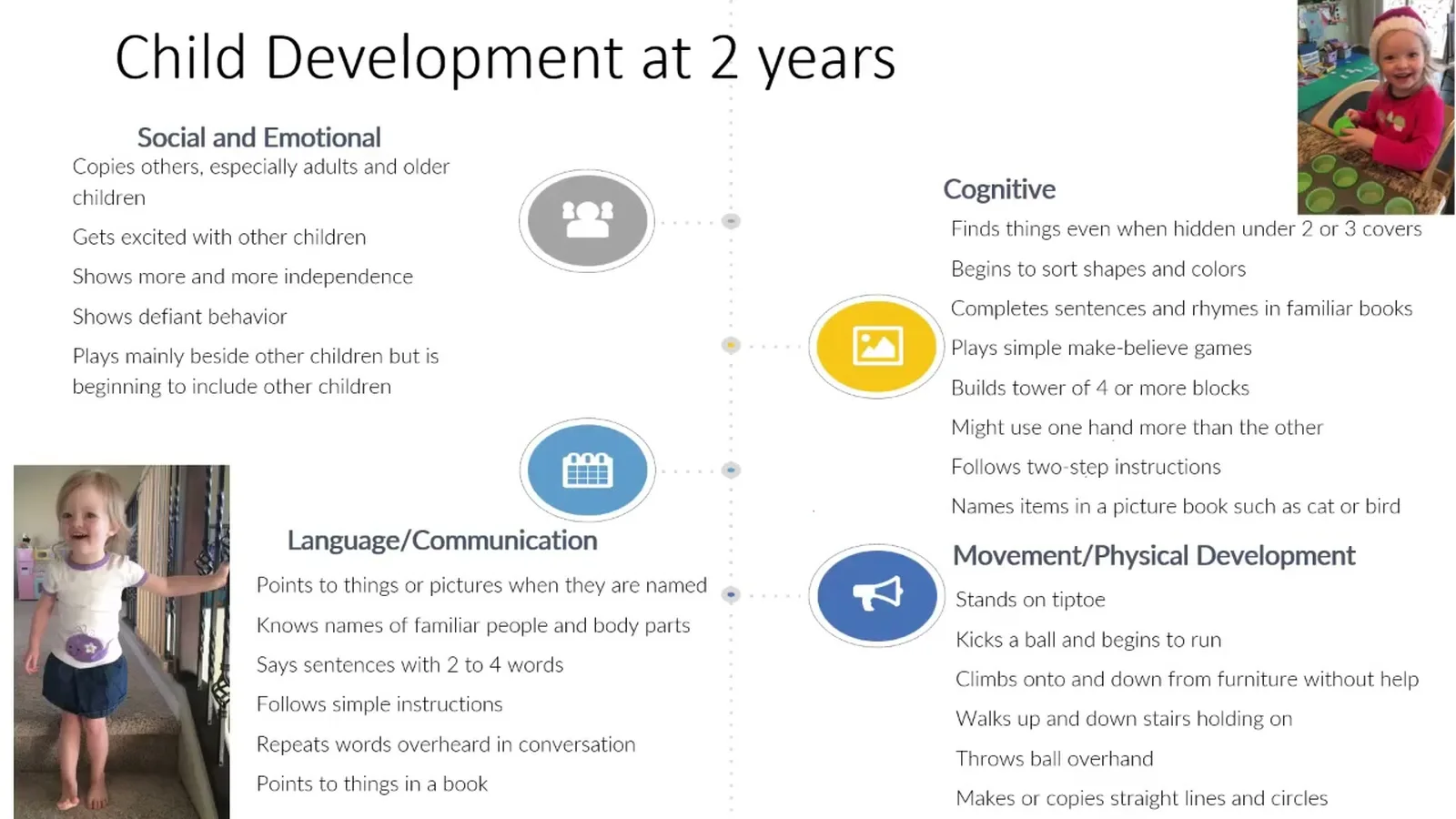
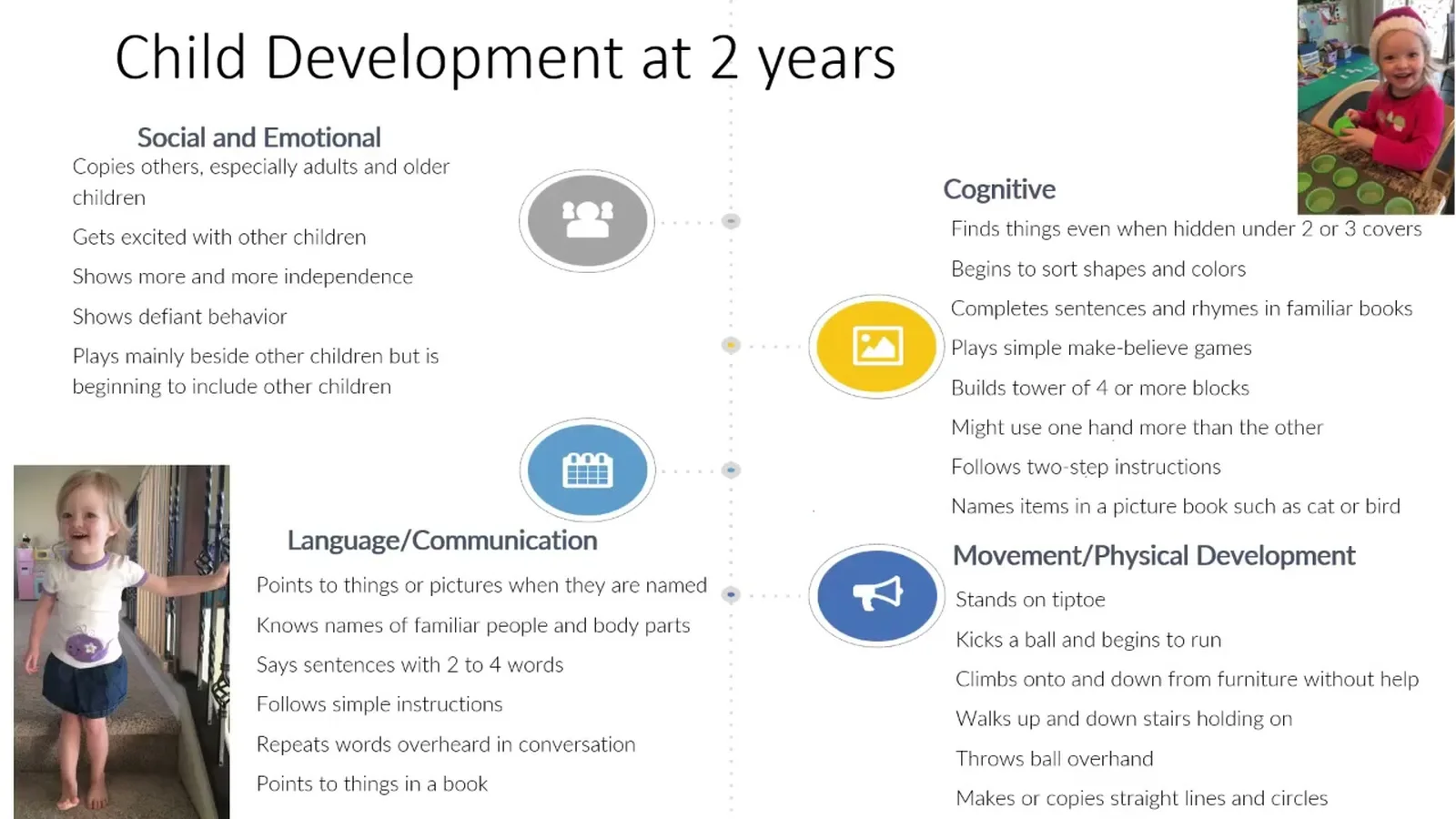
Child Development for Behavior Analysts
Experts who cover this
The recording behind this guide covers behavioral cusp.
- Featured talk1 CEU
Child Development for Behavior Analysts
Kristen ByraThe Behaviorist Bookclub
Byra argues priority should go to behavioral cusps and pivotal responses that stay functional across settings and the lifespan, rather than filling in every…
On this page · 8 sections▾
A behavioral cusp is a skill that opens the door to many other skills. Once a learner has it, a whole new world of learning becomes possible. Reading is a cusp. So is asking for what you want. These skills change what the person can reach next.
For BCBAs, RBTs, and teachers, cusps help you choose goals with care. You cannot teach everything at once. Cusps show you which skills give the biggest return. Teach a cusp, and dozens of new chances open up on their own.
What makes a skill a cusp#
Not every skill is a cusp. A cusp is special because of what it unlocks. Dr. Joshua Jessel gives a simple, clear definition.
I'm not sure how many of you have heard this term behavioral cusp, but it refers to a repertoire that opens up the doors to bigger and better things. From the talk — Dr. Joshua Jessel
The key phrase is "opens up the doors." A cusp puts the learner in touch with new experiences. Those new experiences then teach even more. One skill sets off a chain of growth.
Think of a child who learns to imitate. Suddenly they can copy peers, learn games, and pick up words. The single skill of imitation feeds all of that. That is a cusp at work.
Why cusps should drive your goals#
There is never enough time to teach every skill. So you must pick wisely. Kristen Byra argues that cusps should sit near the top of the list.
Her point is about priority. Do not try to fill in every box on an assessment. Aim first at the skills that stay useful across places and years. Cusps and pivotal skills do exactly that. They keep paying off long after you teach them.
This changes how you write a plan. Instead of chasing many small targets, you hunt for the few that unlock the rest. A cusp goal is worth more than ten narrow ones. It keeps working across the child's whole life.
Cusps and a better life#
Cusps are not just about school skills. They can shape a person's whole path. Jessel connects them to freedom and dignity in care.
What we teach behavioral cusp, the repertoire we teach includes a host of skills, communication skills, tolerance, cooperation, all of which can help lead to a life free of intrusive procedures or heavy sedation. From the talk — Dr. Joshua Jessel
This is a powerful reframe. When you teach a child to ask, wait, and cooperate, you do more than fix behavior. You reduce the need for harsh or restrictive steps. The right cusp can steer a life toward more choice and less control.
That raises the stakes on goal choice. Picking a cusp is not just efficient. It can be the kinder, more ethical path too.
How to spot a cusp#
 Advertisement
Ask a few plain questions about any skill you might teach. Does it open access to new places or people? Does it let the learner learn things you did not teach directly? Will it still matter years from now?
If the answer is yes, you may be looking at a cusp. Skills like communication, imitation, and reading tend to pass this test. So do tolerance and cooperation, which help a child join more settings.
Compare that to a narrow skill, like naming ten specific animals. Useful, sure, but it does not unlock much beyond itself. Cusps carry far more weight.
Cusps can work in the wrong direction too#
There is a hard truth to keep in mind. Not every door a skill opens is a good one. Some behavior changes unlock harmful paths.
Problem behavior can act like a cusp. If a child learns that aggression gets fast results, that skill can spread. It can open doors to more escape and more control in bad ways. Knowing this helps you plan early, before a harmful pattern takes root.
Cusps across a child's development#
Cusps change as a child grows. An early cusp might be crawling. It lets a baby reach toys, people, and new corners of a room. That access teaches the baby dozens of new things.
A later cusp might be joint attention. This is sharing focus on the same thing with another person. It opens the door to language and play with others. From there, whole new worlds of learning follow.
Later still, reading becomes a giant cusp. So does self-management, or guiding your own behavior. Each new cusp builds on the ones before it. The learner keeps unlocking bigger doors over time.
Seeing this map helps you plan ahead. You can ask what cusp comes next for this child. Then you aim your teaching there. You build the skill that unlocks the most future growth.
What the research says#
Researchers have worked to sharpen the cusp idea. One review compared cusps with related terms like pivotal behavior and basic repertoires. It framed a cusp as a change that brings the learner into contact with brand new, far-reaching contingencies (Jiménez et al., 2022). In plain words, a cusp opens doors that lead to even more doors.
Applied studies show cusps in action. One study treated self-feeding as a cusp vital to independence and growth (Hansen et al., 2023). The team helped children with feeding disorders learn to feed themselves. Another paper offered a detailed way to map the many kinds of cusps (Becker et al., 2024). It also traced how cusps connect to other behavior principles. Together, this work supports using cusps as a smart guide for choosing goals.
For more, watch Redefining the Boundaries of Efficiency during a Functional Analysis of Problem Behavior - Applied 2022. It explores how cusp-like skills can reduce the need for restrictive care.
FAQ#
What is an example of a behavioral cusp?
Learning to read is a classic example. Once a child can read, they can learn from signs, books, and screens on their own. Other examples include imitation, asking for what you want, and crawling, which all unlock many new skills.
What is the difference between a cusp and a pivotal skill?
The terms overlap, and some experts treat them as close cousins. A pivotal skill produces wide changes across many behaviors. A behavioral cusp goes a step further and brings the learner into contact with brand new experiences and contingencies.
Why are behavioral cusps important in ABA?
Cusps help you pick goals that give the biggest, longest payoff. Teaching a cusp unlocks many new skills without teaching each one directly. It can also steer a person toward more independence and away from restrictive care.
 Advertisement
Turn this topic into a CEU
You just studied this. Now get credit for it.
Watch Child Development for Behavior Analysts with Kristen Byra and earn 1 free BCBA CEU. Detailed certificate, delivered the moment you finish.