The BEARS Sleep Screening Tool: A BCBA Guide
BEARS is a quick five-part sleep screener. Learn what each letter stands for, why it matters, and when to refer a client for sleep help.
Key takeaway
The BEARS sleep screening tool is a short set of questions about sleep. It helps you spot sleep problems fast. BEARS is an acronym. Each letter points to one common sleep issue you can ask about.
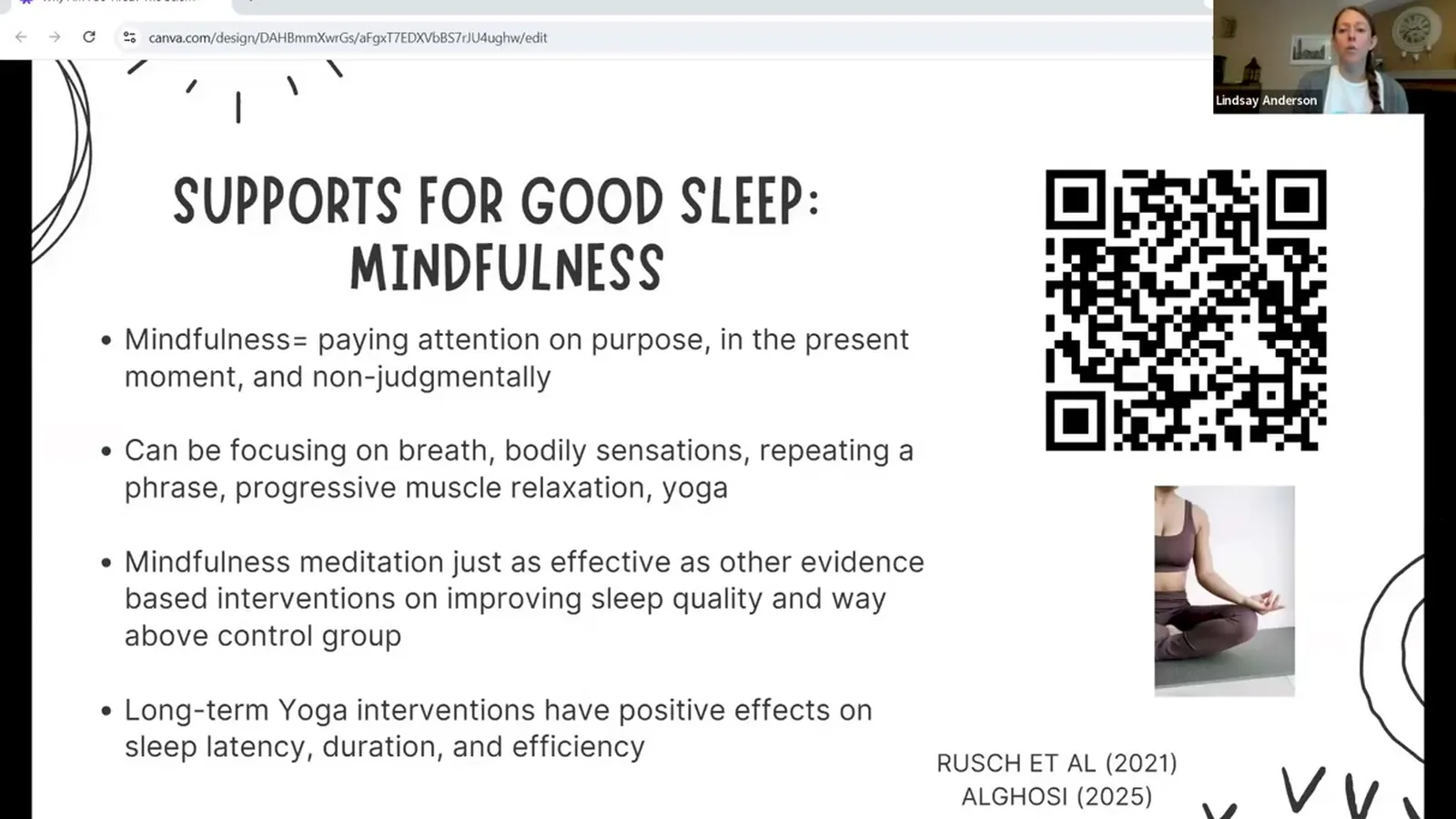
Why Am I So Tired? The Science of Sleep for BCBAs
Free learning path on this topic
Supervision, Done Right
Four supervision CEUs that build on each other. What reflective supervision is, how to build a supervision system, how to assess supervisee competence instead of counting hours, and how supervision affects provider outcomes. The BACB asks supervisors for three supervision CEUs per cycle. This covers it.
Experts who cover this
2 recordings on openceu cover bears sleep screening tool.
- Featured talk1 CEU
Why Am I So Tired? The Science of Sleep for BCBAs
Lindsay AndersonThe Behaviorist Bookclub
Explains chronotype as the genetically driven timing of a person's alertness versus sleepiness across the day, and introduces Dr. Michael Breus's four…
- 1 CEU
Why are they Waking up at 2 AM?
Lindsay AndersonThe Behaviorist Bookclub
Introduces the BEARS screening tool as a five-domain intake screener (bedtime problems, excessive sleepiness, awakenings, regularity, sleep-disordered…
On this page · 8 sections▾
The BEARS sleep screening tool is a short set of questions about sleep. It helps you spot sleep problems fast. BEARS is an acronym. Each letter points to one common sleep issue you can ask about.
Sleep shapes behavior. A tired child is often a harder child to teach. For BCBAs, RBTs, teachers, and parents, poor sleep can look like problem behavior. BEARS gives you a simple, quick way to notice sleep trouble early. Then you can point families to the right kind of help.
What the BEARS acronym stands for#
BEARS packs five sleep questions into one easy word. Lindsay Anderson breaks the letters down in her talk on sleep.
B for bedtime problems... E for excessive daytime sleepiness... A for awakening during the night... R, we have regularity and duration of sleep... And then the S is for sleep disordered breathing. From the talk — Lindsay Anderson
So the five parts are bedtime, sleepiness, awakenings, regularity, and breathing. You ask about each one. Each answer gives you a clue about the child's sleep. Together, they paint a quick picture.
Screening is not diagnosing#
A screener is not a diagnosis. It only flags who might need a closer look. BEARS was built for busy doctors to use in a few minutes.
this is called the BEARS sleep screening tool. And it's validated as a screening tool in primary care settings... this acronym BEARS is going to give us information on five different sleep issues. From the talk — Lindsay Anderson
That word "validated" matters. It means research checked the tool and found it useful. But a screen still just raises a flag. It does not name the exact sleep disorder. That job belongs to a doctor or sleep specialist.
The five sleep problems BEARS flags#
Let us walk through each letter in plain words.
Bedtime problems. Does the child fight going to bed? Stalling, crying, and getting up over and over all count here. This is a very common concern for parents.
Excessive daytime sleepiness. Is the child worn out during the day? A child who naps a lot or seems foggy may not sleep well at night.
Awakenings at night. Does the child wake up and stay up? Night waking can leave both the child and the parents drained.
Regularity and duration. Does the child sleep at the same times each night? Do they get enough hours? A wild, shifting schedule often means poor sleep.
Sleep disordered breathing. Does the child snore or gasp in their sleep? Breathing trouble at night is a medical issue. It needs a doctor's eyes.
Why screen for sleep at all#
 Advertisement
Behavior work and sleep work overlap more than people think. A child who sleeps badly may hit, cry, or refuse tasks. You might chase those behaviors all day. But the real driver could be a rough night.
Screening for sleep saves time. You find the root sooner. Then you can plan around it. Sometimes a simple sleep fix helps more than any new behavior plan.
Sleep also has its own rhythm. Knowing that rhythm can help you set a smarter bedtime for each child.
Body clocks shape bedtime#
BEARS flags problems, but it helps to know how healthy sleep works too. Anderson points to the body's built-in clock, called a chronotype. A chronotype sets when you feel awake and when you feel tired.
So our chronotypes dictate which time of day we feel most alert and which time of day we feel most sleepy. From the talk — Lindsay Anderson
This matters for bedtime plans. A child who is wired late may fight an early lights-out. That fight can look like the "B" in BEARS. But it may be a clock issue, not just a limit issue.
So pair your screen with a look at the child's rhythm. Ask when they seem most alert and most sleepy. Then set a bedtime that works with their body, not against it. A good fit makes the whole routine easier to hold.
When to make a referral#
BEARS helps you decide when to send a family elsewhere. Two answers should catch your eye right away.
The first is loud snoring or gasping at night. That points to a breathing problem. Send the family to a doctor. Do not try to treat this with a behavior plan.
The second is heavy daytime sleepiness with no clear cause. That also deserves a medical look. Stay in your lane as a behavior analyst. Flag the concern, then refer.
For the sleep issues that are behavioral, like bedtime stalling, you may be able to help. A steady routine and clear limits often work well. The talk Why are they Waking up at 2 AM? digs deeper into night waking and what to try.
How to use BEARS in your setting#
You do not need special training to ask the five questions. Work them into an intake or a parent check-in. Keep the words simple and warm.
Write down what you hear. Note which of the five areas seem rough. If a red flag shows up, share it with the family. Then guide them to a doctor or a sleep-savvy provider.
Used this way, BEARS becomes a quiet safety net. It catches sleep problems that might slip past. And it keeps sleep on your radar as part of the whole child.
Keep the tone light and curious, not alarming. You are gathering clues, not scaring parents. Many families are relieved to talk about sleep at last. They may have worried about it for a long time.
Share what you learn in plain words. Explain which area seems rough and why it matters. Then name a clear next step, whether that is a routine change or a referral. A simple, kind plan helps families act.
FAQ#
What does BEARS stand for in sleep screening?
BEARS stands for Bedtime problems, Excessive daytime sleepiness, Awakenings at night, Regularity and duration of sleep, and Sleep disordered breathing. Each letter is one area to ask about. Together they give a fast read on a child's sleep.
Is the BEARS tool only for children?
BEARS was designed with kids and teens in mind. It is often used in pediatric and primary care visits. The five areas still map onto adult sleep, but the tool is best known for screening young people.
Can a BCBA use the BEARS screening tool?
Yes. A BCBA can ask the five BEARS questions as part of an intake. It is a screen, not a diagnosis. Use it to spot concerns, then refer any medical red flags, like snoring or gasping, to a doctor.
 Advertisement
Turn this topic into a CEU
You just studied this. Now get credit for it.
Watch Why Am I So Tired? The Science of Sleep for BCBAs with Lindsay Anderson and earn 1 free BCBA CEU. Detailed certificate, delivered the moment you finish.
Keep going with a free learning path
Supervision, Done Right
Four supervision CEUs that build on each other. What reflective supervision is, how to build a supervision system, how to assess supervisee competence instead of counting hours, and how supervision affects provider outcomes. The BACB asks supervisors for three supervision CEUs per cycle. This covers it.
Parent or caregiver? Find a vetted ABA provider near you on ProviderSpark.