12 days of PFA & SBT
Presented by Matt Harrington
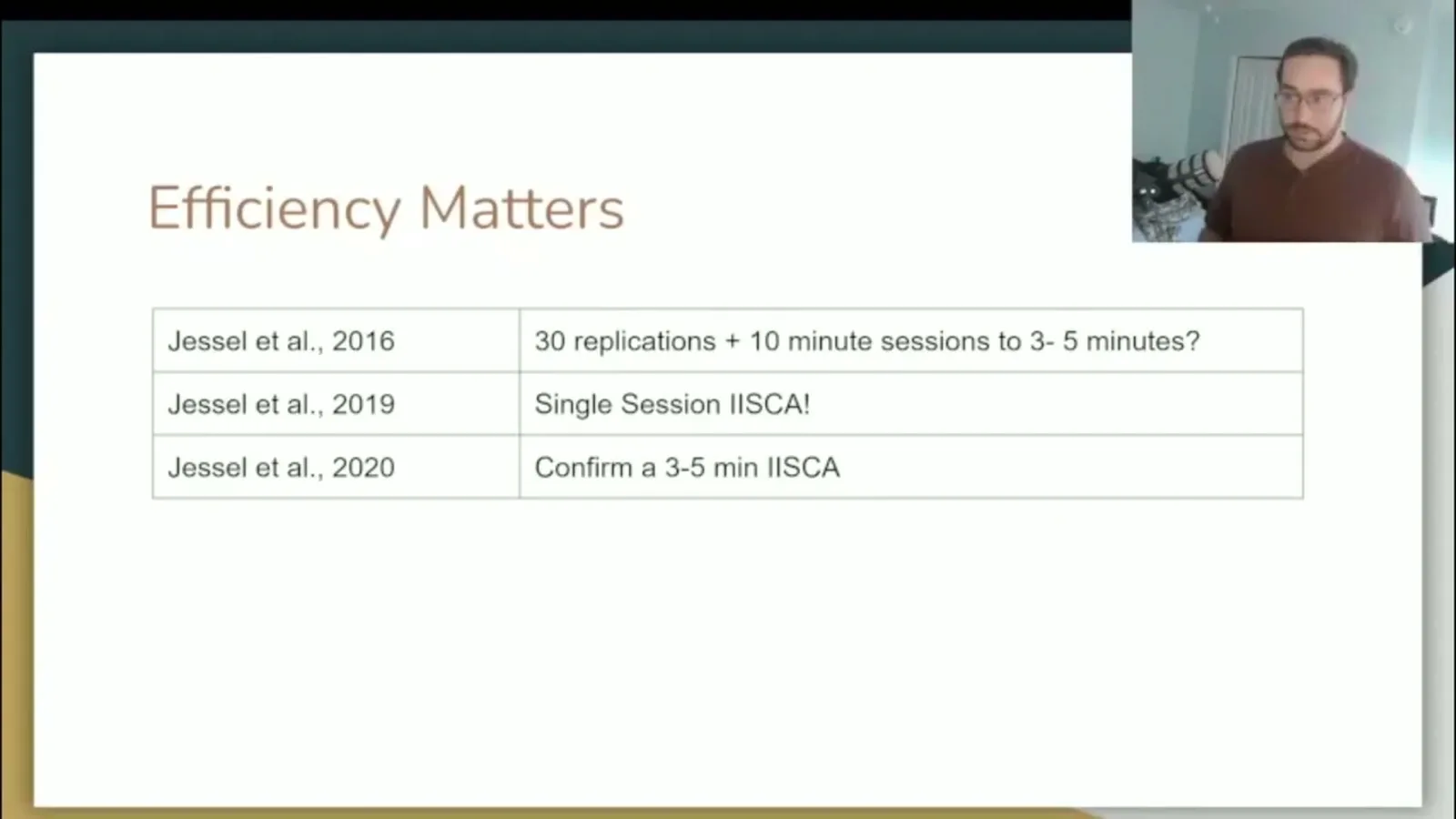
This training series, “12 Days of PFA and SBT,” offers a practical, research-based walkthrough of the foundational and advanced concepts of Practical Functional Assessment (PFA) and Skill-Based Treatment (SBT). Using key peer-reviewed articles, each session distills findings into practitioner-relevant insights and guides behavior analysts in tailoring these procedures to individual clients. Emphasis is placed on efficiency, social validity, individualized functional analyses, shaping procedures, and the integration of trauma-informed care. The course also showcases innovations such as the single-session IICA, the use of synthesized contingencies, and application with diverse populations.
Register free & watch nowCancel any time. Cert delivered to your inbox the moment you pass the quiz.
About this CEU
This training series, “12 Days of PFA and SBT,” offers a practical, research-based walkthrough of the foundational and advanced concepts of Practical Functional Assessment (PFA) and Skill-Based Treatment (SBT). Using key peer-reviewed articles, each session distills findings into practitioner-relevant insights and guides behavior analysts in tailoring these procedures to individual clients. Emphasis is placed on efficiency, social validity, individualized functional analyses, shaping procedures, and the integration of trauma-informed care. The course also showcases innovations such as the single-session IICA, the use of synthesized contingencies, and application with diverse populations.
What you'll learn
- 1Learning Objectives
- 2By the end of this training, participants will be able to:
- 3Differentiate between synthesized and isolated functional analyses and describe the advantages and limitations of each in identifying relevant treatment functions.
- 4Describe the rationale and procedure for implementing Practical Functional Assessment (PFA) and identify key indicators of successful differentiation.
- 5Apply Skill-Based Treatment (SBT) principles, including shaping, FCR complexity, and tolerance training, using change-in-criterion designs.
- 6Analyze and interpret ISSCA data, including single-session and short-duration formats, for clinical decision-making.
- 7Design individualized, socially valid interventions by integrating caregiver input and adapting synthesized reinforcers.
- 8Apply trauma-informed care principles within the assessment and treatment process, ensuring client safety, choice, and assent.
- 9Evaluate the generalizability of PFA and SBT across verbal abilities, diagnoses (e.g., ADHD, anxiety, depression), and treatment contexts.
- 10Utilize data-informed decisions to maintain experimental control while enhancing clinical efficiency.
Concepts in this CEU
More from The Behaviorist Bookclub
Foundations of Reflective Supervision in Behavior Analysis
The Behaviorist Bookclub
Teaching WH-Questions Isn’t Enough: Building True Conditional Discrimination
The Behaviorist Bookclub
Reframing Behavior through an ADHD Lens
The Behaviorist Bookclub
OpenCEU is supported by advertising from third-party sponsors. Sponsors are clearly labeled, have no influence over course content, instructors, or CEU decisions, and never appear on certificates. The BACB does not sponsor, approve, or endorse OpenCEU sponsors or their products.