Synthesized Reinforcement in ABA, Explained Simply
What synthesized reinforcement means in ABA, why combined reinforcers reduce challenging behavior, and how BCBAs use it in PFA and skill-based treatment.
Key takeaway
Synthesized reinforcement means giving several reinforcers at the same time. Instead of just escape, or just a toy, the learner gets all of them together.
12 days of PFA & SBT
Experts who cover this
2 recordings on openceu cover synthesized reinforcement.
- Featured talk3 CEUs
12 days of PFA & SBT
Matt HarringtonThe Behaviorist Bookclub
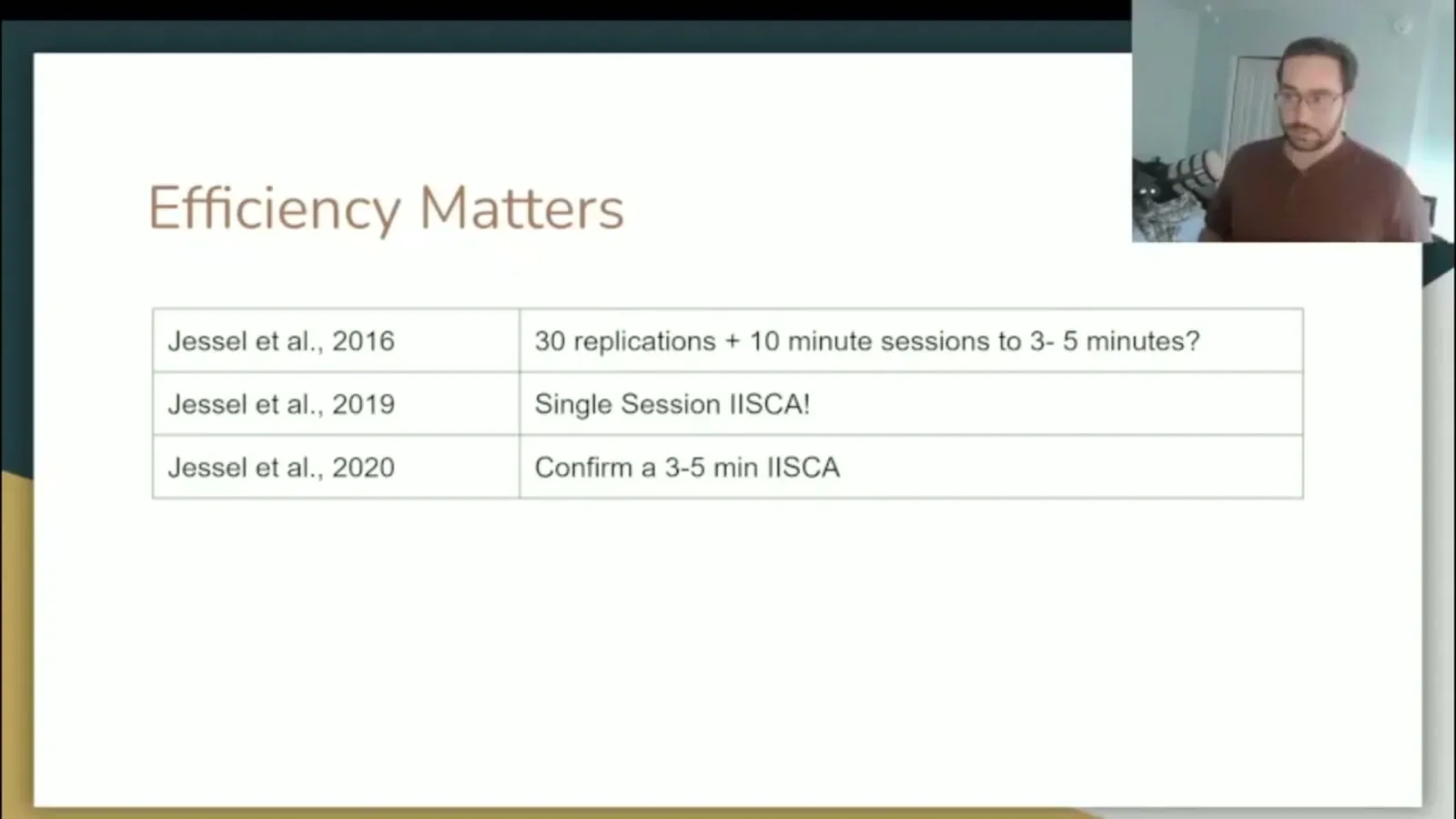
Day 2's key finding (Ghaemmaghami 2015): challenging behavior only fully reduced when the FCR led to the full synthesized reinforcer (escape+tangible+attention…
- 2.50 CEUs
Solving Clinical Challenges with Research
Matthew HarringtonThe Behaviorist Bookclub
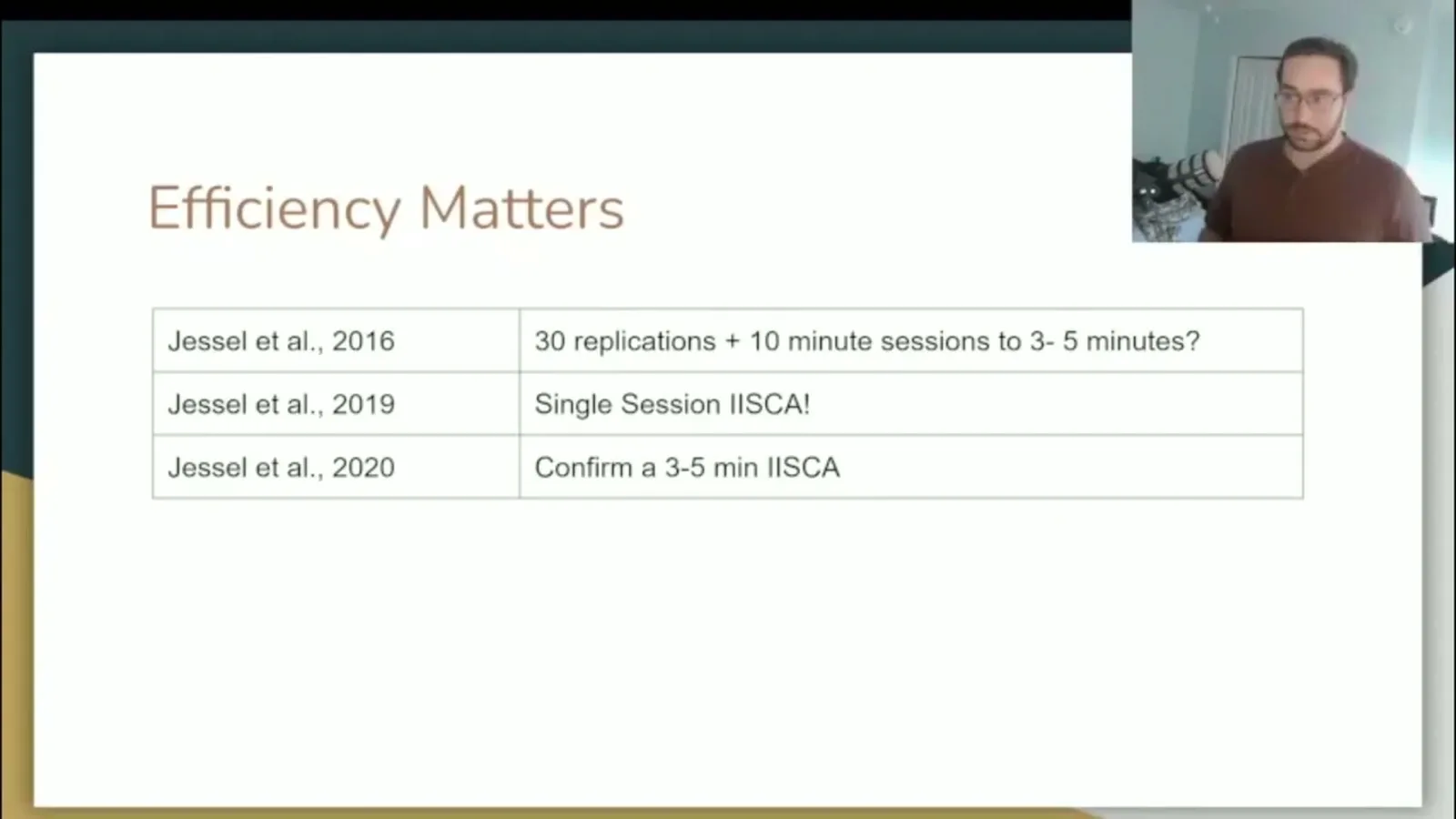
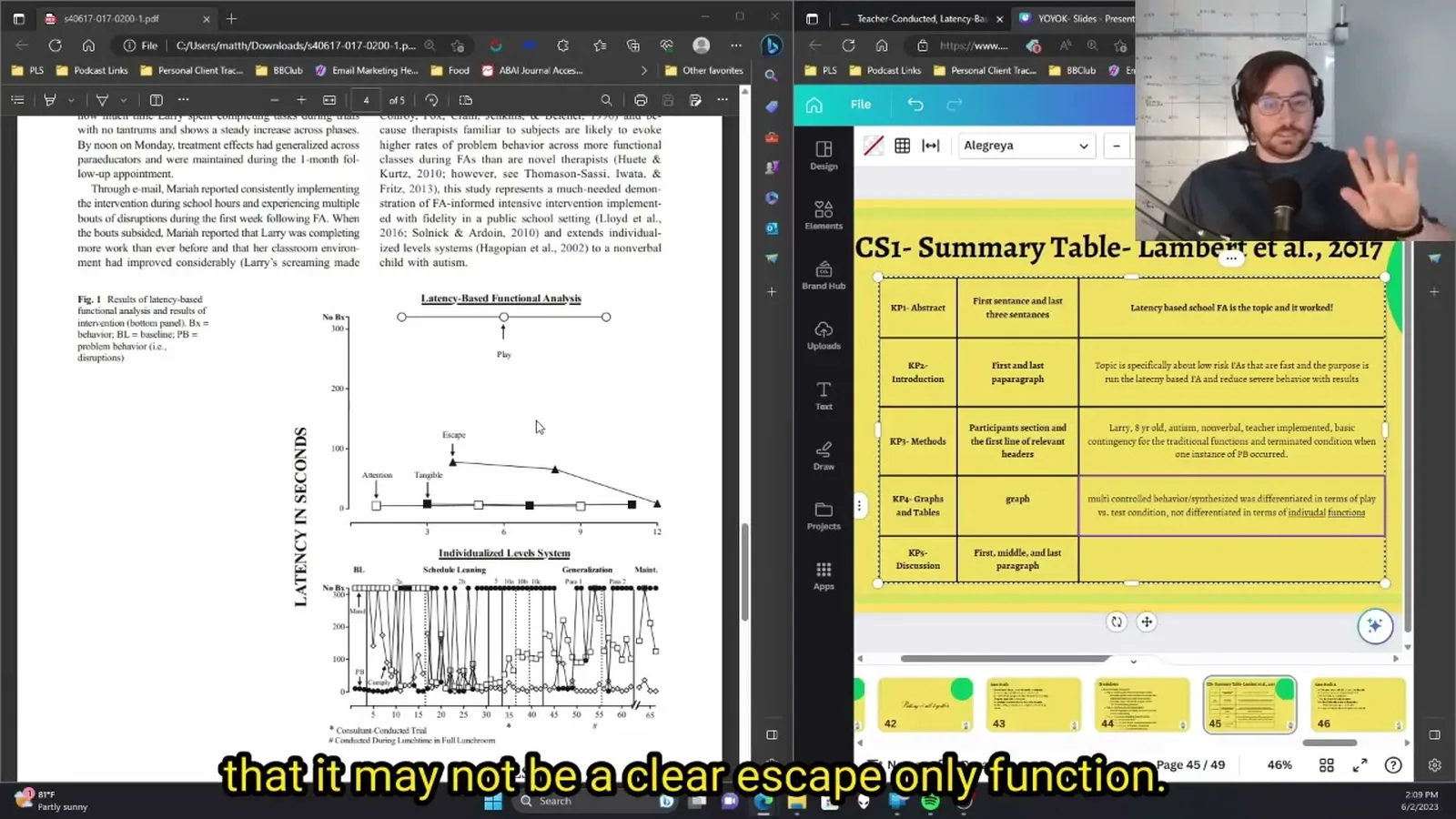
Harrington raises synthesized or multiply-controlled functions as a possible confound when a school-based FA doesn't cleanly differentiate single functions…
On this page · 6 sections▾
Synthesized reinforcement means giving several reinforcers at the same time. Instead of just escape, or just a toy, the learner gets all of them together. The whole package is delivered as one reward.
This idea sits at the heart of practical functional assessment, or PFA. It matters because some behavior is not driven by one simple cause. When a behavior serves many needs at once, one reward will not cut it. BCBAs and RBTs who understand this can build treatment that actually works.
What "synthesized" really means#
The word can sound technical, but the idea is plain. It is a bundle of things, not a single item you can hand over. Nicky Schneider puts it in everyday terms.
In synthesized reinforcement, if you don't know about practical functional assessment, skill-based treatment... it's not something you can just hold in your hand. It might be a whole bunch of things together that really will motivate the individual and change the behavior. From the talk — Nicky Schneider
Think of a child who wants to escape a demand, keep a toy, and get attention. A synthesized reinforcer gives all three at once. That combined state is what the learner is really working for.
Schneider also notes that schools face real limits when applying this. Staff, space, and schedules can all get in the way. She covers those barriers in School Behavior Change: Is that the hill you are going to die on?.
Why the combination matters#
Here is the surprising part. Splitting the reward into parts often does not work. Research on a client named Dan showed this clearly. Matt Harrington describes the key finding.
the function was only identified in the synthesized contingency and the challenging behavior was only fully reduced when the FCR led to a synthesized reinforcer. From the talk — Matt Harrington
The behavior dropped only when the full package arrived together. For Dan, escape, toys, and attention all had to happen at the same time. That full combination was needed to bring the challenging behavior down. The pieces alone were not enough.
This gives clinicians a reason to trust the approach.
This gives us a lot of confidence as clinicians to program using synthesized reinforcers because it seems to be that in some cases they're really the only thing that are going to get that behavior out of the individual. From the talk — Matt Harrington
How it shows up in assessment#
 Advertisement
Synthesized reinforcement comes from a specific kind of test. In an interview-informed synthesized contingency analysis, or IISCA, caregiver-named reinforcers get combined into one condition. That single condition is compared to a calm control.
Dr. Joshua Jessel explains how the reward is delivered. In the test condition, the team gives the full synthesized reinforcer right after any instance of problem behavior. He walks through this design in Redefining the Boundaries of Efficiency during a Functional Analysis of Problem Behavior - Applied 2022.
When the learner gets that reinforcer, the change is easy to see.
So when he had his synthesized reinforcement he was happy, relaxed, engaged at this time. From the talk — Dr. Joshua Jessel
That happy and relaxed state is the goal. It becomes the anchor for later skill teaching.
From that calm state, teams often teach one simple request first. The learner asks, and the whole package arrives at once. Specific requests for each item can come later, once behavior is stable. This order works because the combined reward keeps the learner engaged from day one.
Why the right function changes treatment#
Naming the function wrong leads to weak plans. If a behavior is truly synthesized, one narrow fix will fail. Matthew Harrington makes this point plainly.
If the behavior is attention maintained or a synthesized contingency, escape extinction isn't going to do anything. From the talk — Matthew Harrington
So the assessment choice really matters. It decides whether your treatment targets the true cause.
What the research says#
Studies have tested how synthesized reinforcement compares to standard methods. One controlled case series compared a functional analysis with synthesized approaches across 12 people. Both synthesized versions had similar error rates, which raised questions about the extra interview steps (Greer et al., 2019).
Synthesized reinforcement also drives strong treatment gains. In one study, three autistic children learned a single "omnibus" mand that yielded all reinforcers at once. Problem behavior dropped right away, and they still learned specific mands later (Ward et al., 2021).
There is a trade-off to watch. In a lab study with rats, synthesized reinforcement suppressed target behavior faster than isolated reinforcement. But it also led to more resurgence once reinforcement was disrupted (Smith et al., 2024). A skill-based approach using synthesized reinforcement has also helped build communication and self-control skills that carried across situations (Rahaman & Luczynski, 2024).
FAQ#
Is synthesized reinforcement the same as multiply controlled behavior?
They are related but not identical. Multiply controlled behavior has more than one maintaining variable. Synthesized reinforcement treats those variables as one combined contingency rather than testing each alone.
Does giving many reinforcers at once spoil the child?
No. The combined reinforcer is used on purpose to build trust and teach skills. Over time, clinicians thin the schedule and teach the learner to tolerate delays and denials.
When should I use a synthesized approach instead of a standard functional analysis?
Consider it when caregiver reports suggest several triggers act together. It can be efficient and safe for severe behavior. Some teams still run a standard analysis first, since the best choice depends on the case.
 Advertisement
Turn this topic into a CEU
You just studied this. Now get credit for it.
Watch 12 days of PFA & SBT with Matt Harrington and earn 3 free BCBA CEUs. Detailed certificate, delivered the moment you finish.