Confessions of a New Behavior Analyst in Functional Analysis
Presented by Matt Harrington
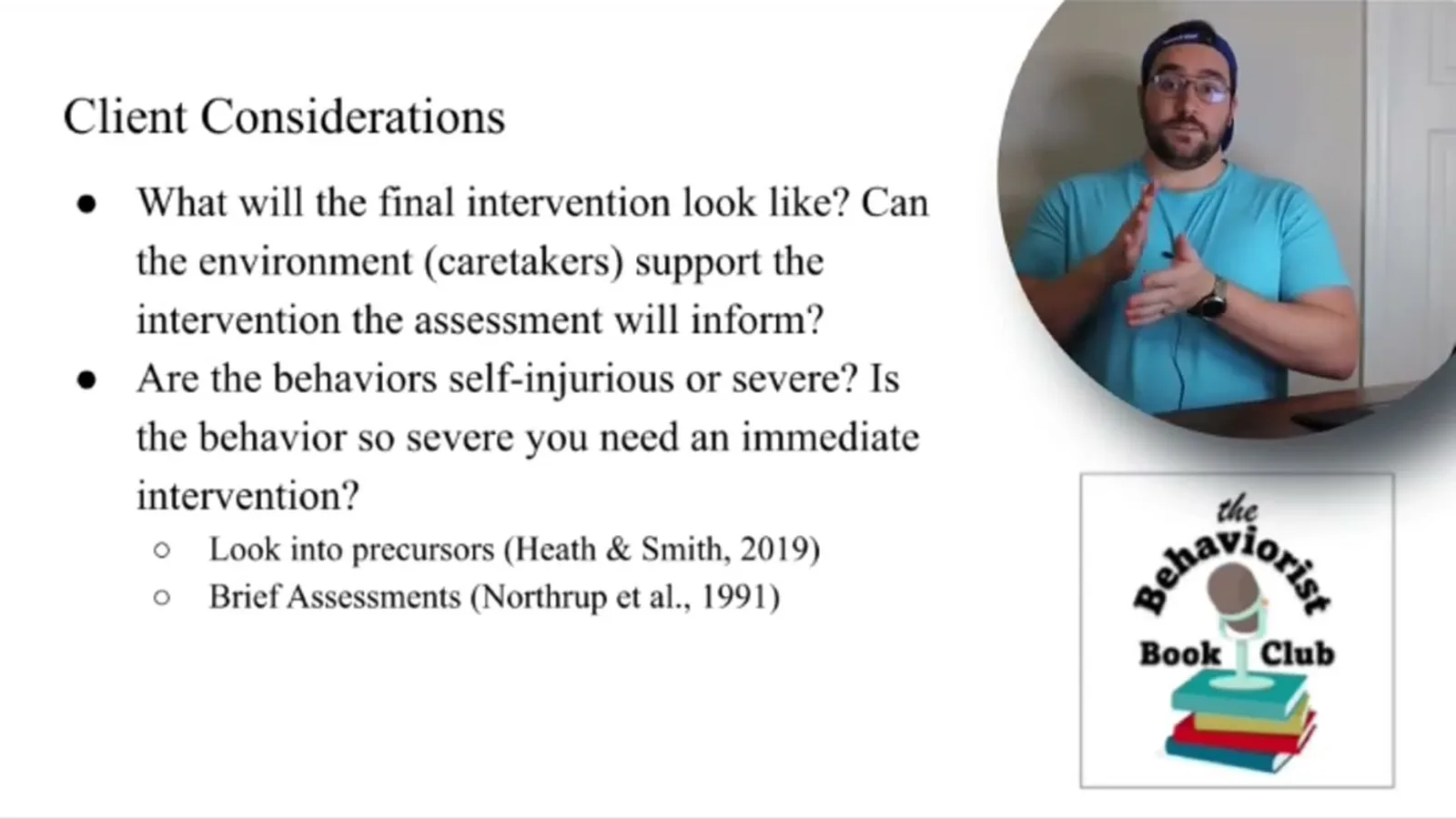
Learning Objectives By the end of this training, participants will be able to: Understand the distinctions between functional analysis methodology, procedures, and the term itself. Identify factors and barriers in clinical settings that impact the application of functional analysis. Explore various functional analysis formats, including latency, trial, ISCA, and precursor, and evaluate their strengths and weaknesses. Conduct high-quality caregiver interviews and comprehend how indirect and descriptive assessments influence experimental functional analysis. Develop the confidence to apply functional analysis methodologies, learn from mistakes, and continue education through research and additional training.
Register free & watch nowCancel any time. Cert delivered to your inbox the moment you pass the quiz.
About this CEU
Learning Objectives By the end of this training, participants will be able to: Understand the distinctions between functional analysis methodology, procedures, and the term itself. Identify factors and barriers in clinical settings that impact the application of functional analysis. Explore various functional analysis formats, including latency, trial, ISCA, and precursor, and evaluate their strengths and weaknesses. Conduct high-quality caregiver interviews and comprehend how indirect and descriptive assessments influence experimental functional analysis. Develop the confidence to apply functional analysis methodologies, learn from mistakes, and continue education through research and additional training.
What you'll learn
- 1Learning Objectives
- 2By the end of this training, participants will be able to:
- 3Understand the distinctions between functional analysis methodology, procedures, and the term itself.
- 4Identify factors and barriers in clinical settings that impact the application of functional analysis.
- 5Explore various functional analysis formats, including latency, trial, ISCA, and precursor, and evaluate their strengths and weaknesses.
- 6Conduct high-quality caregiver interviews and comprehend how indirect and descriptive assessments influence experimental functional analysis.
- 7Develop the confidence to apply functional analysis methodologies, learn from mistakes, and continue education through research and additional training.
Concepts in this CEU
More from The Behaviorist Bookclub
Foundations of Reflective Supervision in Behavior Analysis
The Behaviorist Bookclub
Teaching WH-Questions Isn’t Enough: Building True Conditional Discrimination
The Behaviorist Bookclub
Reframing Behavior through an ADHD Lens
The Behaviorist Bookclub
OpenCEU is supported by advertising from third-party sponsors. Sponsors are clearly labeled, have no influence over course content, instructors, or CEU decisions, and never appear on certificates. The BACB does not sponsor, approve, or endorse OpenCEU sponsors or their products.