Precursor Behaviors in ABA: Spot Warning Signs Early
Precursor behaviors are the small signs that come before a meltdown or crisis. Learn how BCBAs spot them and act early to keep clients safe.
Key takeaway
Precursor behaviors are the small actions that happen right before bigger behavior. They come before a meltdown, elopement, or a crisis. They are often mild and easy to miss.
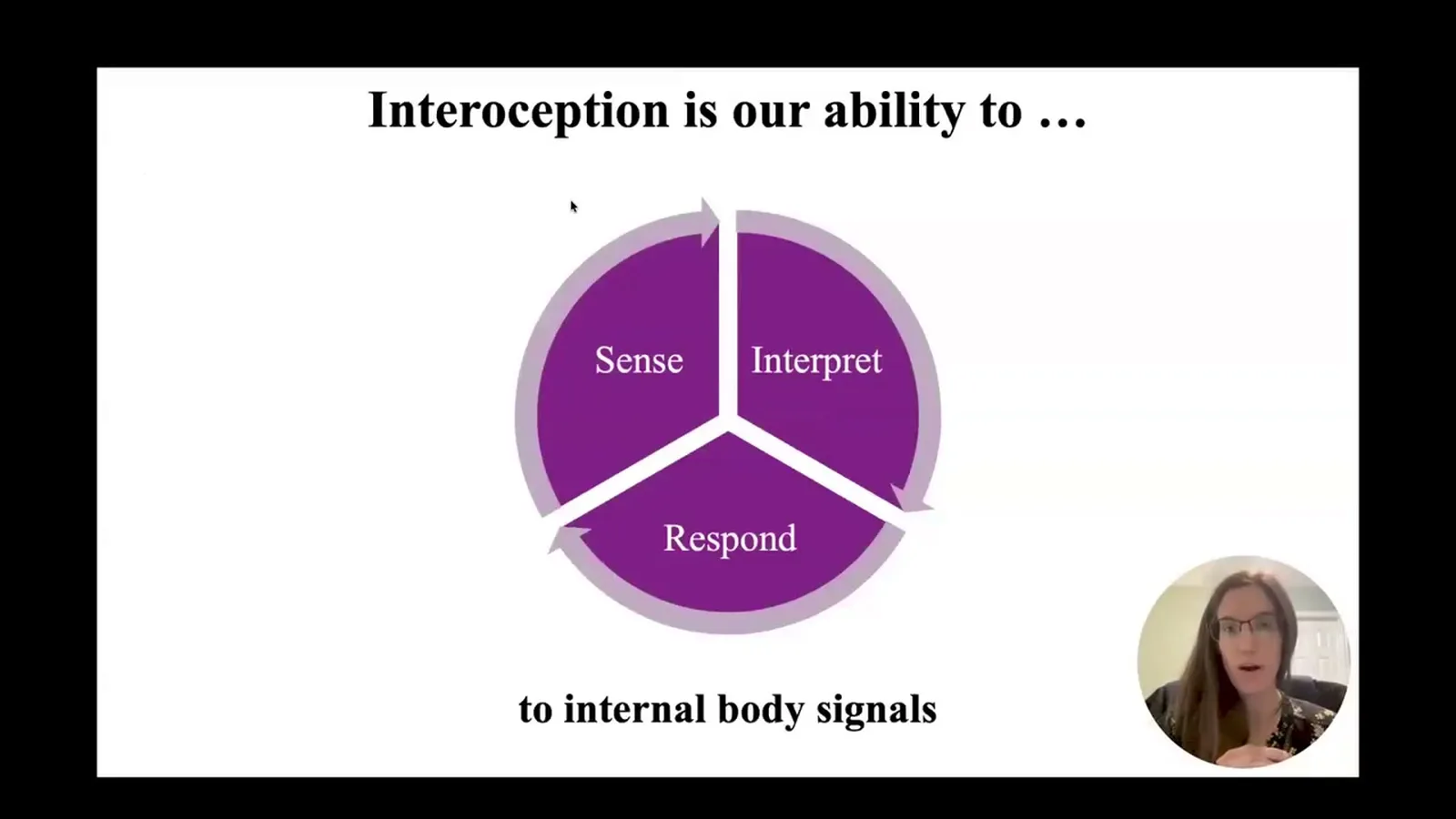
What Does Your Body Know? Teaching Individuals with IDD to Recognize Internal Warning Signs`
Free learning path on this topic
Master PFA and SBT
Matt Harrington's 12-article walk through practical functional assessment and skill-based treatment, from Hanley's 2014 study to the enhanced choice model. Then assent, since SBT depends on it, and the ethical guardrails that keep behavior reduction defensible. Five CEUs, one of them ethics.
Experts who cover this
5 recordings on openceu cover precursor behaviors.
- Featured talk1 CEU
What Does Your Body Know? Teaching Individuals with IDD to Recognize Internal Warning Signs`
Tricia LundThe Behaviorist Bookclub
Carolyn walks through clusters of observable precursor behaviors, escape and avoidance, physical posturing, proximity-seeking to trusted adults, self-soothing…
- 1 CEU
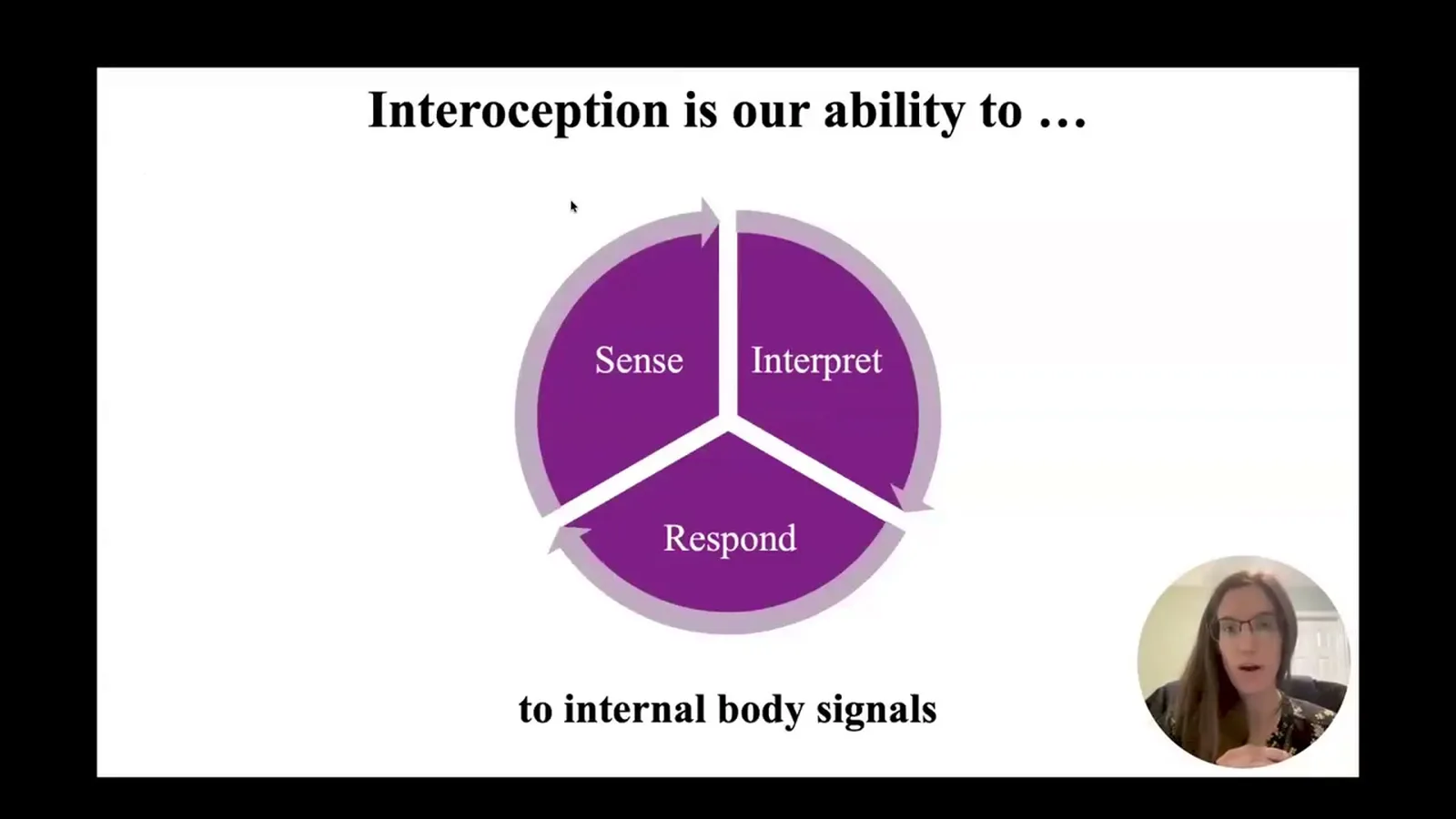
PDA: What it is and What it isn't
B. Kuereine GrayThe Behaviorist Bookclub
B describes a reliable escalation sequence of precursor behaviors, non-responsiveness, dissociation, verbal refusal, escalating threats, that precedes intense…
- 1 CEU
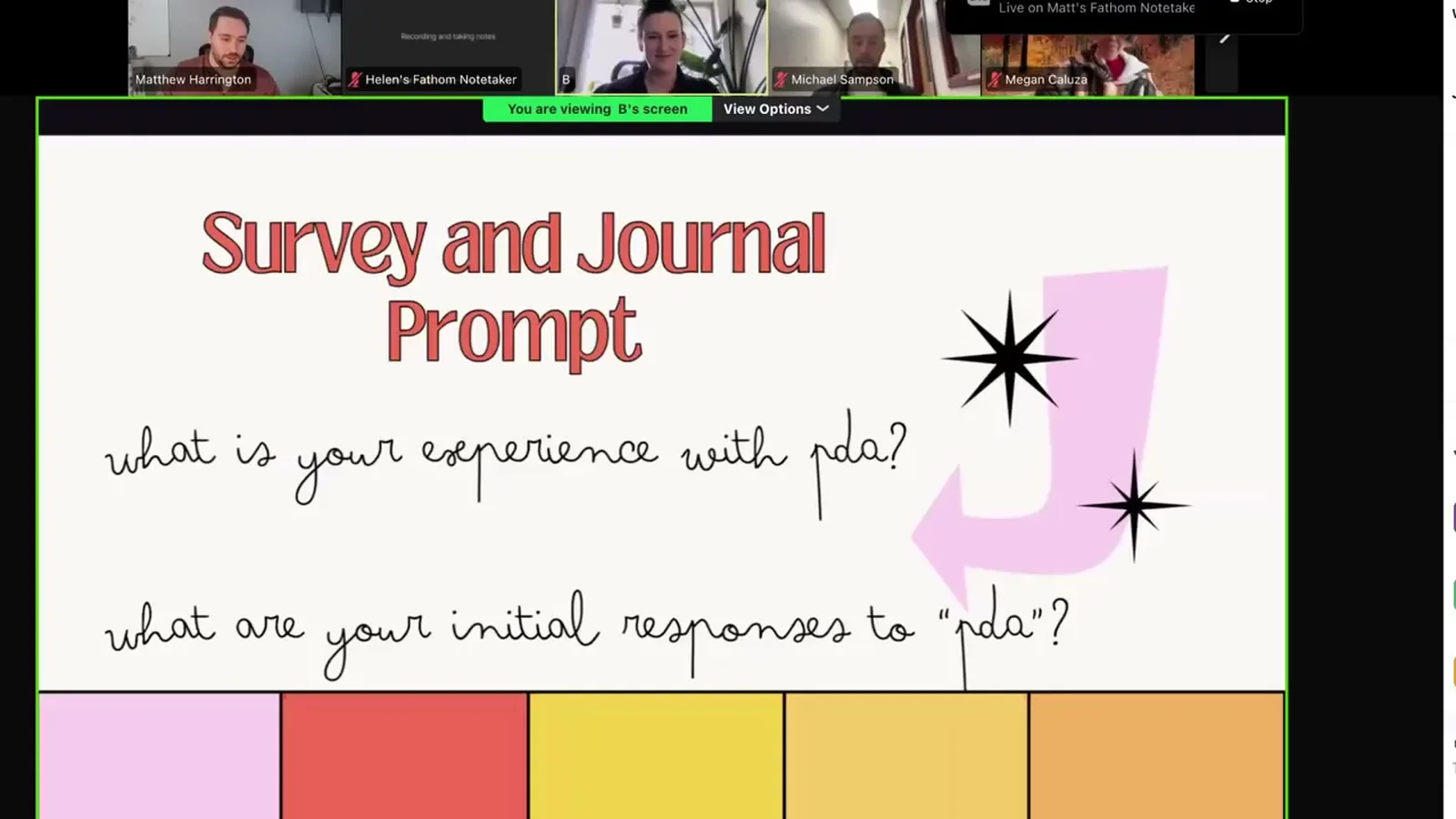
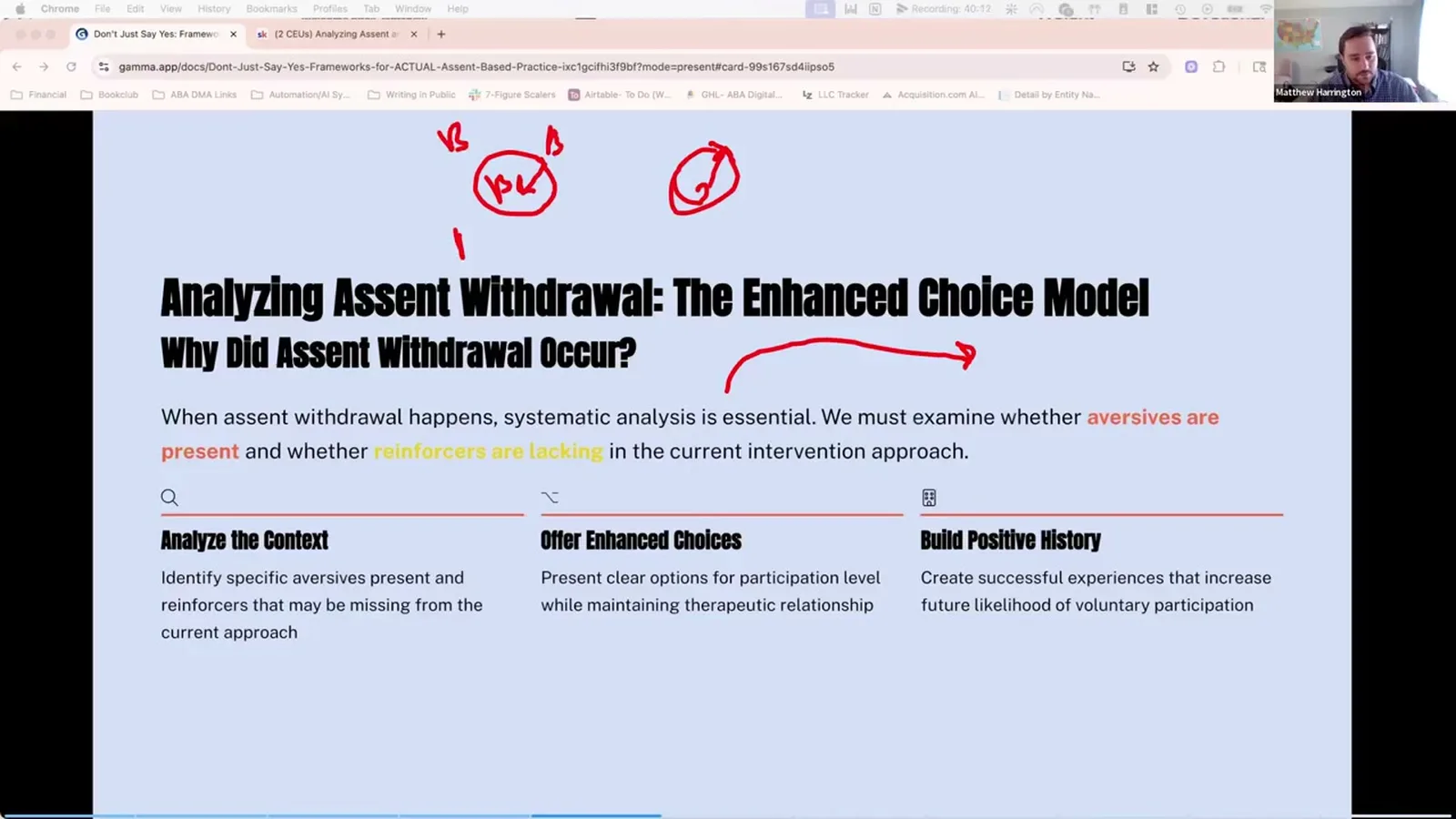
Assent: Don't just say Yes!-
Matt HarringtonThe Behaviorist Bookclub
Precursors are described as the small behaviors that occur between severe behavior and calm assent withdrawal, and the goal in shaping is to move a client from…
- 1 CEU
The Math Behind Behavior Reduction
Matt HarringtonThe Behaviorist Bookclub
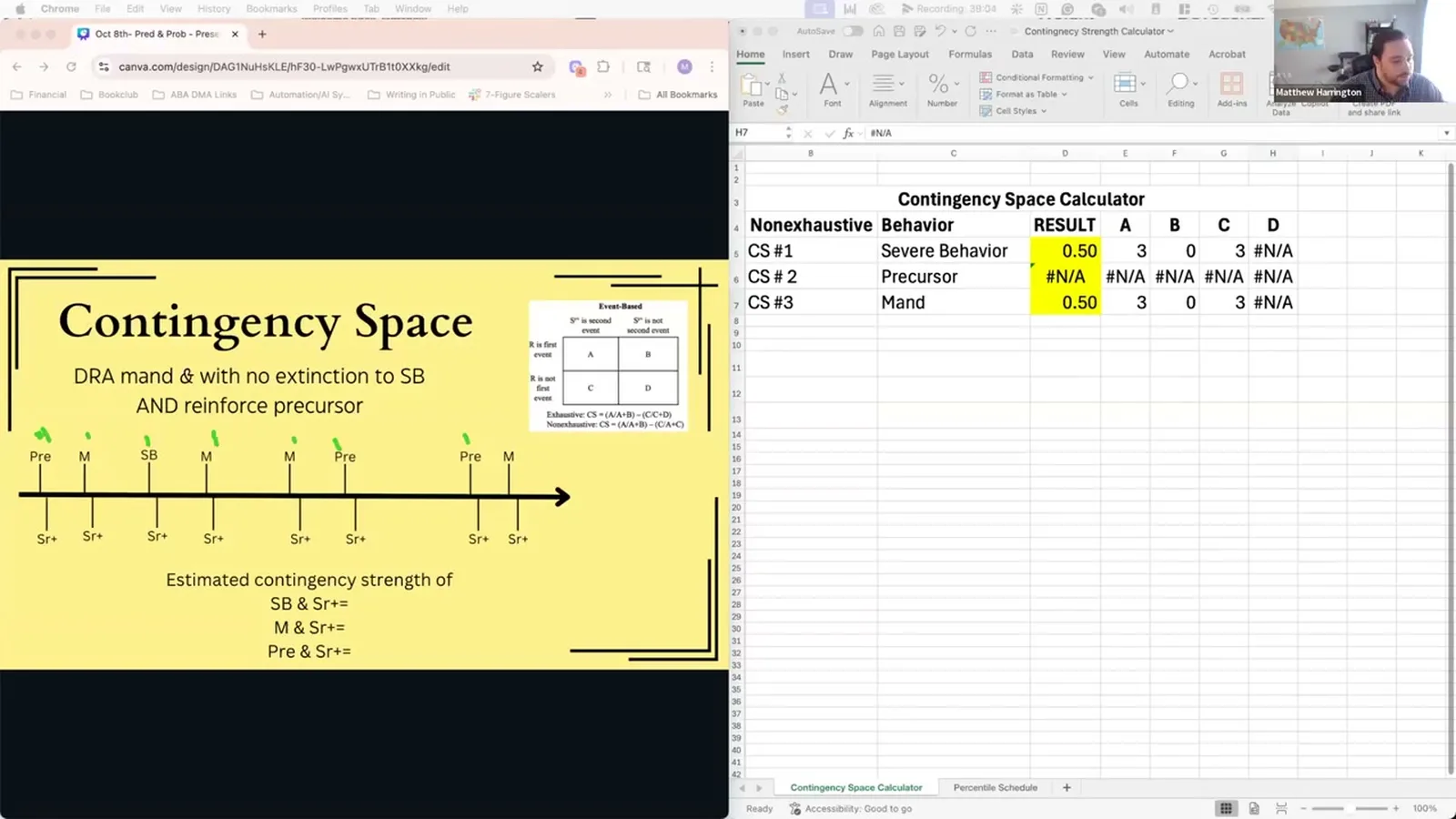
Walked through as the added intervention component that most effectively drops severe behavior's contingency strength: reinforcing a lower-intensity precursor…
- 2.50 CEUs
Confessions of a New Behavior Analyst in Functional Analysis
Matt HarringtonThe Behaviorist Bookclub
Cites Warner et al. 2021 on caregivers' accurate reporting of precursors and describes using precursor identification to safely turn behavior on/off within…
On this page · 7 sections▾
Precursor behaviors are the small actions that happen right before bigger behavior. They come before a meltdown, elopement, or a crisis. They are often mild and easy to miss. A learner might leave the work area or change their face.
These small signs matter a lot. They give you a window to act before things get worse. BCBAs, RBTs, teachers, and parents can all learn to spot them. When you catch a precursor, you can help sooner. That means safer sessions and calmer days.
What a precursor behavior is#
A precursor is a mild behavior that reliably comes before a severe one. It sits in the same response class. That means it likely serves the same purpose.
Carolyn describes precursors as early, watchable signs of inner distress. The learner may feel something hard before they can say it out loud.
These behaviors may indicate that the learner is contacting an aversive private event before being able to verbally report it. From the talk — Carolyn
She adds that these signs are not random. They often come before a real escalation. That escalation can show up as elopement, a meltdown, or a full crisis.
Why they get missed#
Precursors are easy to overlook. Many look normal at first glance. A person might just say "no thank you" or grab the wrong materials.
B. Kuereine Gray studies this in the PDA profile. PDA stands for a demand-avoidant profile. B explains that this precursor sequence can be reliable and still get missed. People miss it because the signs look so normative.
Dr. Shane Spiker calls this the first common mistake in crisis work. When we miss the early sign, the crisis grows.
Our first mistake is often that we missed the precursor. From the talk — Dr. Shane Spiker
Common precursors to watch for#
Different experts point to different signs. Together they paint a full picture. Watching for a cluster of signs works better than watching for one.
Dr. Shane Spiker lists a few clear examples you can track.
we have some common ones like maybe leaving a work area, requesting to leave, withdrawing assent, facial expressions, changing the body language. From the talk — Dr. Shane Spiker
Carolyn groups signs into escape, posturing, and self-soothing. She also notes proximity-seeking, which means moving close to a trusted adult. Autonomic signs, like flushed skin or fast breathing, can show up too.
The key is that precursors are personal. Each learner has their own set. Your job is to learn that unique pattern.
Turning warning signs into a plan#
 Advertisement
Spotting a precursor is only step one. The next step is to respond in a helpful way. Many teams train staff to catch and record each sign.
John Stavitz shows how a school team did this for one student. They trained staff to recognize and record that student's personal set of precursors to aggression. His baseline data shows how hard this is at first. In only 25% of intervals where staff saw precursors could they finish the interval with no physical aggression.
Matt Harrington frames the fix in simple terms. You reinforce the mild precursor instead of waiting for the big behavior.
before the severe behavior occurs, there's going to be a precursor. And instead of letting that behavior escalate, we're going to reinforce it. From the talk — Matt Harrington
When you do this, the severe behavior loses its power. It stops being the fastest way to get a need met. Assent withdrawal means letting a learner say "no." Matt teaches a milder "no" behavior as the new goal.
Using precursors in assessment#
Precursors also help make assessments safer. Instead of triggering severe behavior, you can watch the mild sign. This lowers risk for everyone.
Matt Harrington points to research on caregiver reports. Caregivers often know the warning signs well.
But caregivers are able to accurately report on precursors. We learned that from Warner et al. 2021, I believe, where they looked at the ability of caregivers and their reports to inform, to accurately inform precursors, and they identified that it had really good correspondence. From the talk — Matt Harrington
This makes shorter, gentler assessment formats possible. You can turn behavior on and off using the precursor. The Crisis Management is a Crisis in Behavior Analysis - Applied 2022 session digs deeper into attending to these early signs.
What the research says#
Research supports using precursors in functional analysis. A functional analysis, or FA, tests why a behavior happens.
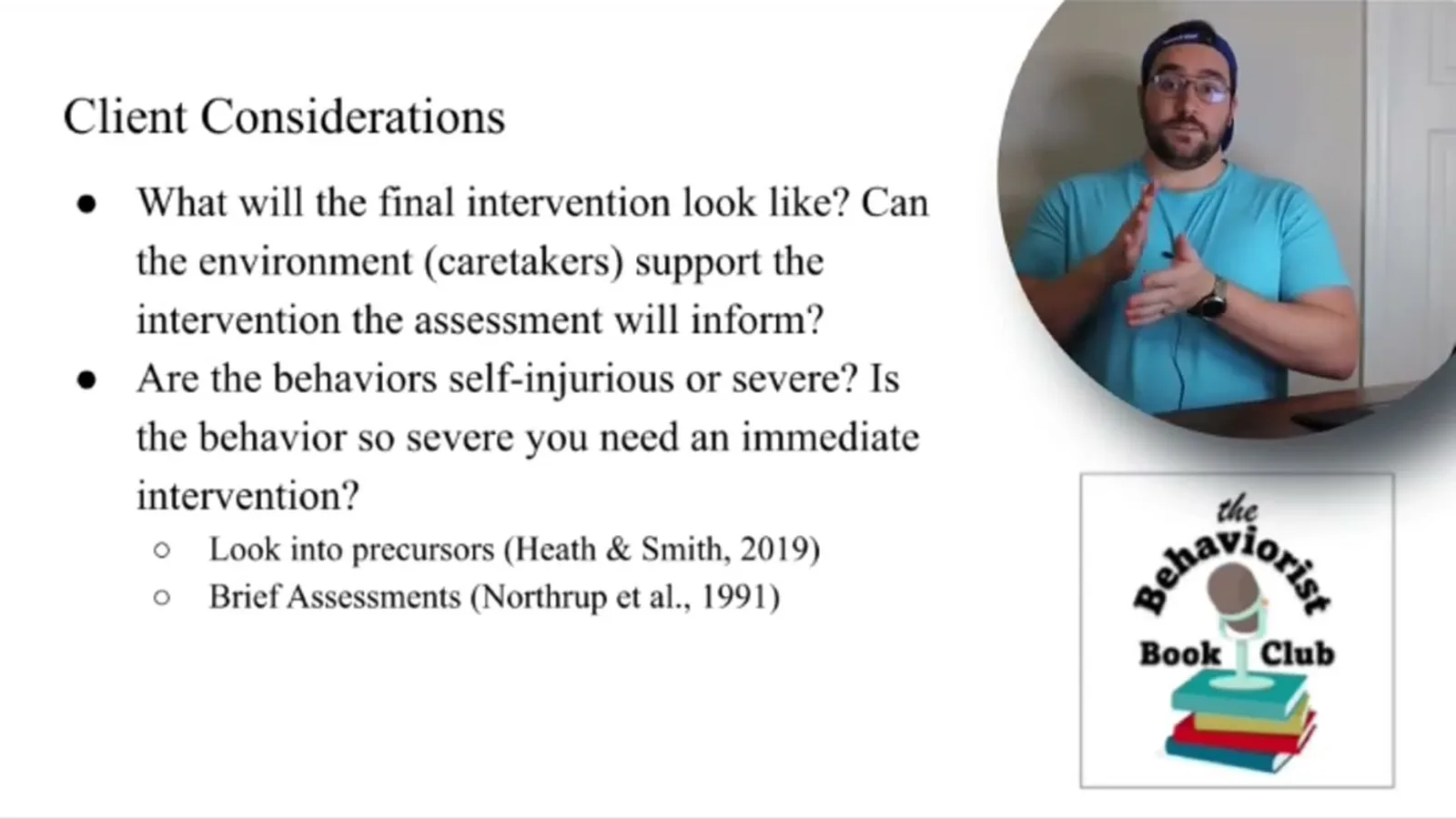
One review explains why this approach is safer. Practitioners can study the mild sign instead of the dangerous one. This lowers risk to clients and staff (Heath & Smith, 2019).
Another study showed the two behaviors are linked. Researchers found precursor and problem behavior served the same function. They confirmed this with both correlational and experimental steps (Schmidt, Kranak, Goetzel, Kaur, & Rooker, 2020).
The takeaway is simple. Precursors are not just noise. They are a real, testable part of the behavior chain.
FAQ#
What is an example of a precursor behavior?
A precursor is a mild sign that comes before a bigger behavior. Common ones include leaving the work area or asking to leave. Changes in face or body language count too. Each learner has their own set of signs.
How are precursor behaviors different from problem behavior?
Problem behavior is the severe response, like aggression or self-injury. A precursor is the milder action that comes first. They often serve the same purpose. That is why catching the precursor early can prevent the bigger event.
Can parents help identify precursors?
Yes. Parents and caregivers often know the warning signs very well. Research shows their reports match what happens in sessions. This makes them key partners in tracking and planning.
 Advertisement
Turn this topic into a CEU
You just studied this. Now get credit for it.
Watch What Does Your Body Know? Teaching Individuals with IDD to Recognize Internal Warning Signs` with Tricia Lund and earn 1 free BCBA CEU. Detailed certificate, delivered the moment you finish.
Keep going with a free learning path
Master PFA and SBT
Matt Harrington's 12-article walk through practical functional assessment and skill-based treatment, from Hanley's 2014 study to the enhanced choice model. Then assent, since SBT depends on it, and the ethical guardrails that keep behavior reduction defensible. Five CEUs, one of them ethics.