PBIS: A Plain Guide to School-Wide Behavior Support
PBIS builds behavior systems that prevent problems before they start. Learn the upstream idea, the five school-wide systems, and what research shows.
Key takeaway
Positive behavior interventions and supports is a school-wide plan. People call it PBIS for short. It teaches good behavior to every student, not just a few.
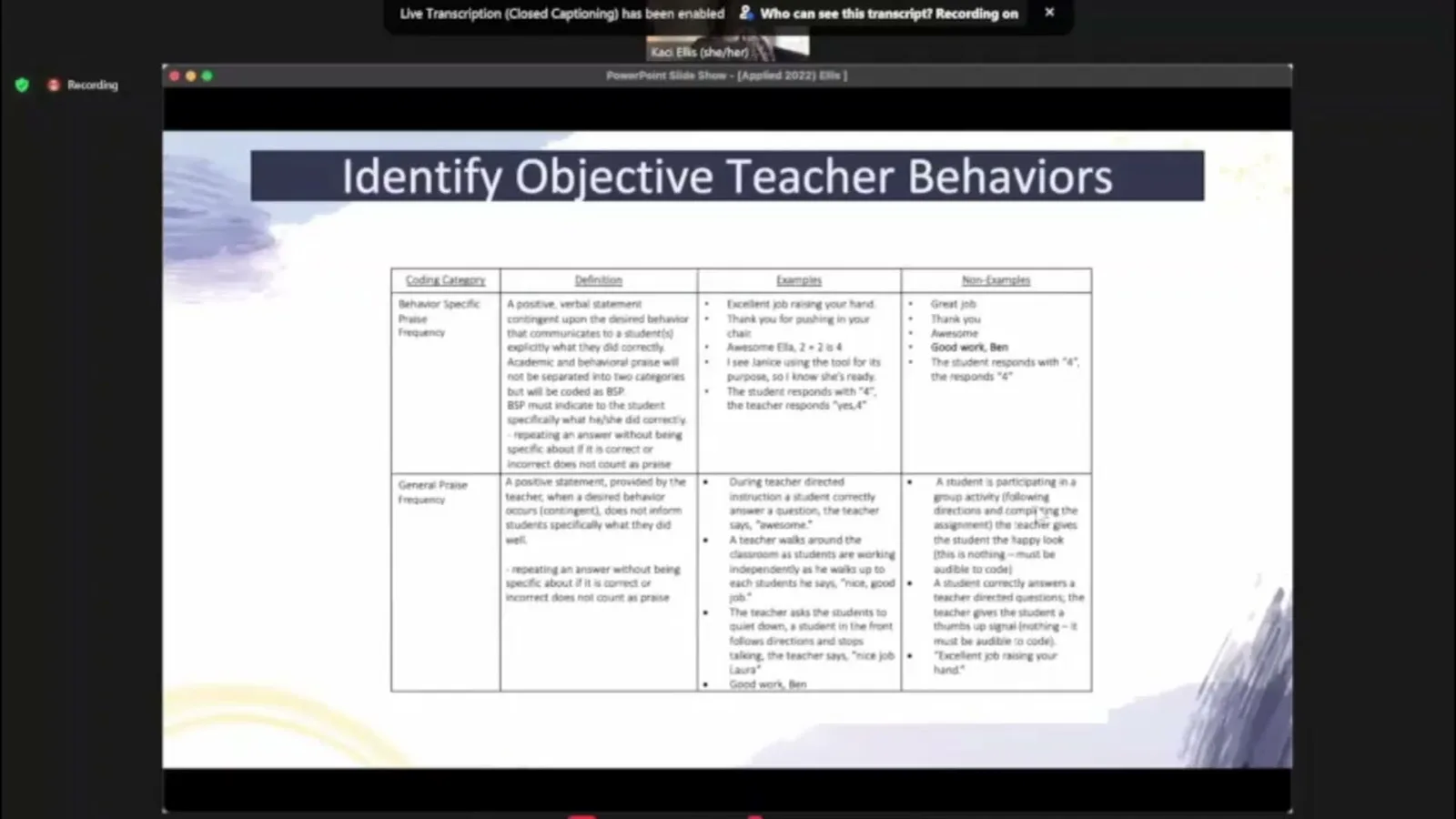
Practical Takeaways for School-Based Behavior Analysts
Free learning path on this topic
Supervision, Done Right
Four supervision CEUs that build on each other. What reflective supervision is, how to build a supervision system, how to assess supervisee competence instead of counting hours, and how supervision affects provider outcomes. The BACB asks supervisors for three supervision CEUs per cycle. This covers it.
Experts who cover this
The recording behind this guide covers positive behavior interventions and supports.
- Featured talk1 Supervision CEU
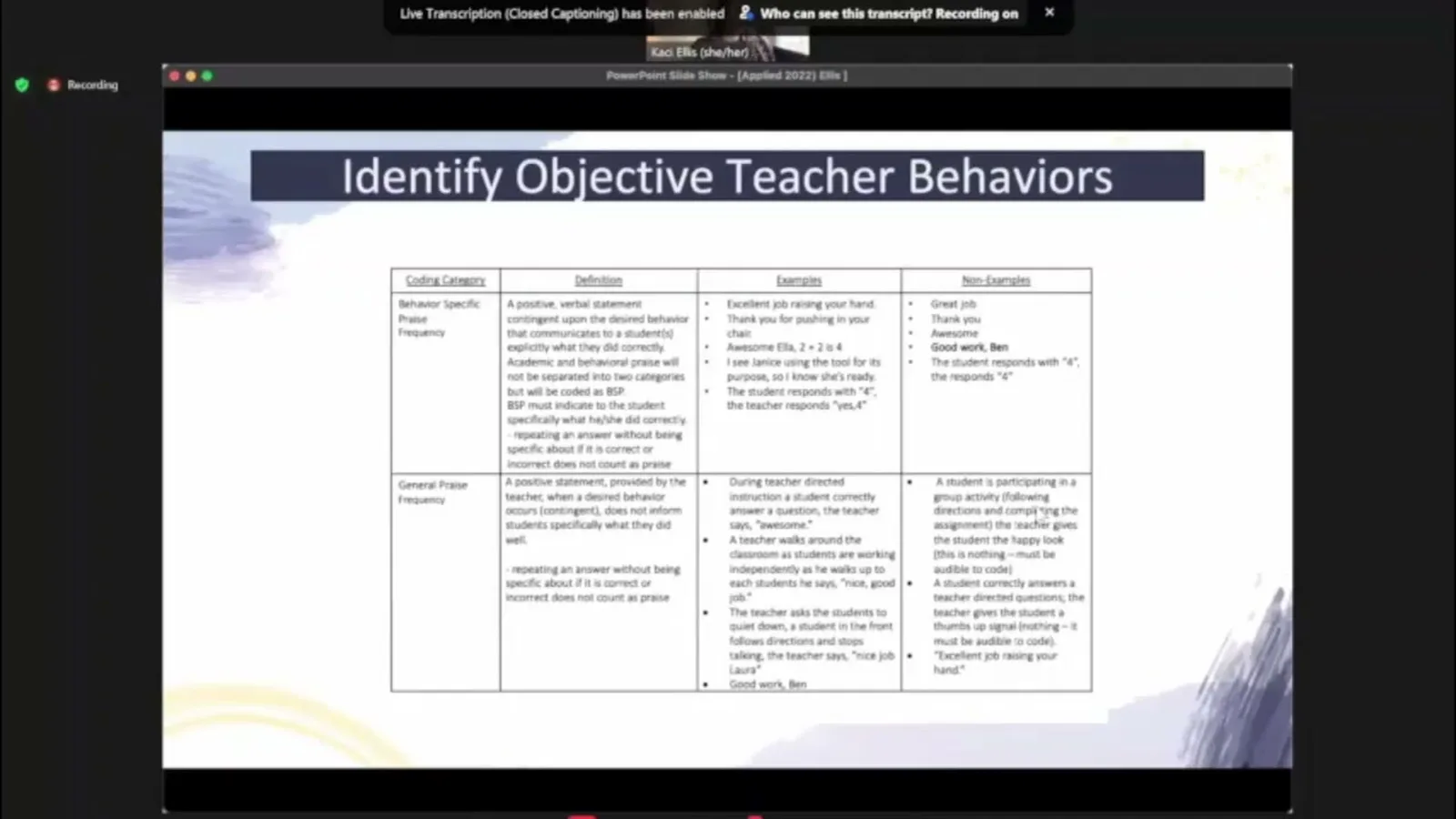
Practical Takeaways for School-Based Behavior Analysts
Dr. Kaci EllisThe Behaviorist Bookclub
The core framework of the talk, explained through a river-and-broken-bridge parable: schools should build upstream, preventative systems rather than only…
On this page · 9 sections▾
Positive behavior interventions and supports is a school-wide plan. People call it PBIS for short. It teaches good behavior to every student, not just a few. The goal is to prevent problems before they grow.
PBIS matters to teachers, BCBAs, RBTs, and parents. It makes school feel safe and predictable. Kids learn what is expected of them. Then adults notice and reward those behaviors on purpose.
The upstream idea#
PBIS starts with prevention, not punishment. Dr. Kaci Ellis uses a river parable to explain it. Kids keep falling in the water downstream. You can keep pulling them out. Or you can go upstream and fix the broken bridge.
This parable of PBIS is that we want to create upstream solutions. We want to fix that bridge before the kids are falling down the river. From the talk — Dr. Kaci Ellis
The lesson is simple. Do not wait for a crisis to act. Build systems that stop the crisis from starting. That saves time, stress, and referrals later.
What the system is built for#
PBIS has a clear purpose at its core. It is about making the whole school work better. Ellis names the goal in plain terms.
Positive behavior supports the fundamental purpose is to make schools more effective, efficient, and equitable learning environments by being safe, positive, consistent, and predictable. From the talk — Dr. Kaci Ellis
Notice the word equitable. PBIS aims to help every student fairly. It sets the same clear rules for all. That consistency is what makes a school feel safe.
The five school-wide systems#
PBIS is not one trick. It is a set of connected systems. Ellis lays out where a school begins.
So there's five systems that can be used on a school-wide level. You're identifying and defining school-wide expectations. They're teaching and practicing pro-social behavior, monitor, acknowledge pro-social behaviors. From the talk — Dr. Kaci Ellis
Break that down into steps. First, name a few clear expectations for everyone. Then teach and practice those behaviors like any other skill. Watch for the behaviors you want. Acknowledge them when they happen.
This is where many schools skip a step. They post rules but never teach them. PBIS treats behavior as something you teach, not something kids should just know.
Tiers of support#
 Advertisement
PBIS is often shown as three tiers. Tier one supports every child in the building. It is the base layer that prevents most problems.
Some students need more than the base. Tier two adds extra help for kids at risk. A common tier two tool is check-in check-out. A student checks in with an adult and gets feedback through the day.
A small group needs the most support. Tier three is intensive and personal. It often uses a functional behavior assessment and a written plan. Each tier builds on the one below it.
Staff make or break it#
A plan only works if adults run it well. In PBIS, staff hand out praise and tokens all day. If that slips, the whole system weakens.
So schools track how staff are doing. When token delivery drops, a tool can find out why. The Performance Diagnostic Checklist for Human Services is one such tool. It points to the real reason and the right fix.
This is a quiet but key part of PBIS. Support the staff, and the students get supported too. Fidelity is not paperwork. It is the plan actually happening.
Consistency is the whole point#
PBIS lives or dies on consistency. The same rules must hold in every room. A behavior that earns praise in one class should earn it everywhere. Mixed signals confuse kids and weaken the system.
So schools teach one shared set of expectations. They might use three or four simple words. Be safe, be kind, be ready is one common set. Every adult uses the same language all day.
This shared language does heavy lifting. A student always knows what is expected. Adults always know what to look for and praise. That steadiness is what makes a school feel predictable and fair.
Data guides the plan#
PBIS is not a set-it-and-forget-it program. Schools watch their data to steer it. Office referrals are one common source. They show where and when problems cluster.
That data helps teams act early. If referrals spike at recess, they adjust recess. If one grade struggles, they add support there. The data turns a vague worry into a clear next step.
Data also guards against unfair patterns. A team can check who gets referred and why. If one group is referred more often, they look closer. PBIS aims to be fair, and data keeps that promise honest.
You can hear the full school playbook in Practical Takeaways for School-Based Behavior Analysts.
What the research says#
Research supports individualized PBIS for real students. One study built a personal PBIS plan for a student with an intellectual disability. It used a functional assessment, a behavior plan, and staff training. On-task behavior went up and disruptive behavior went down, and the gains held over time (Kang, Kang, & Son, 2021).
PBIS also helps in loose, hard-to-manage settings. One study used a token economy during recess to cut aggression. Students earned school dollars for prosocial behavior at play. Aggression dropped between 50 and 100 percent from baseline over three months (Yassine & Tipton-Fisler, 2021).
Staff fidelity has its own research base. One study used the Performance Diagnostic Checklist for Human Services in a PBIS school. It found the reason teachers were not handing out tokens. The matched fix raised daily token delivery across five teachers (Hoffmann & Pastina, 2024).
FAQ#
What does PBIS stand for?
PBIS stands for positive behavior interventions and supports. It is a school-wide framework for teaching and rewarding good behavior. The focus is prevention, not punishment. Every student gets the same clear expectations.
Is PBIS the same as ABA?
No, but they share roots. PBIS uses behavior science ideas like reinforcement and data. ABA is the broader field and clinical practice. Many BCBAs help schools set up and run PBIS well.
How does a school start with PBIS?
Start by naming a few clear, positive expectations. Teach those behaviors the way you teach any skill. Then notice and reward them across every setting. Track your data so you can adjust and stay fair.
 Advertisement
Turn this topic into a CEU
You just studied this. Now get credit for it.
Watch Practical Takeaways for School-Based Behavior Analysts with Dr. Kaci Ellis and earn 1 free BCBA CEU. Detailed certificate, delivered the moment you finish.
Keep going with a free learning path
Supervision, Done Right
Four supervision CEUs that build on each other. What reflective supervision is, how to build a supervision system, how to assess supervisee competence instead of counting hours, and how supervision affects provider outcomes. The BACB asks supervisors for three supervision CEUs per cycle. This covers it.