Grooming in ABA: Spotting the Warning Signs
Grooming is gradual and hides as normal behavior. Learn how BCBAs teach relationship safety and help clients with IDD notice the warning signs.
Key takeaway
Grooming is how an abuser slowly builds trust before causing harm. It starts small and looks friendly. Each step feels normal, so it is easy to miss.
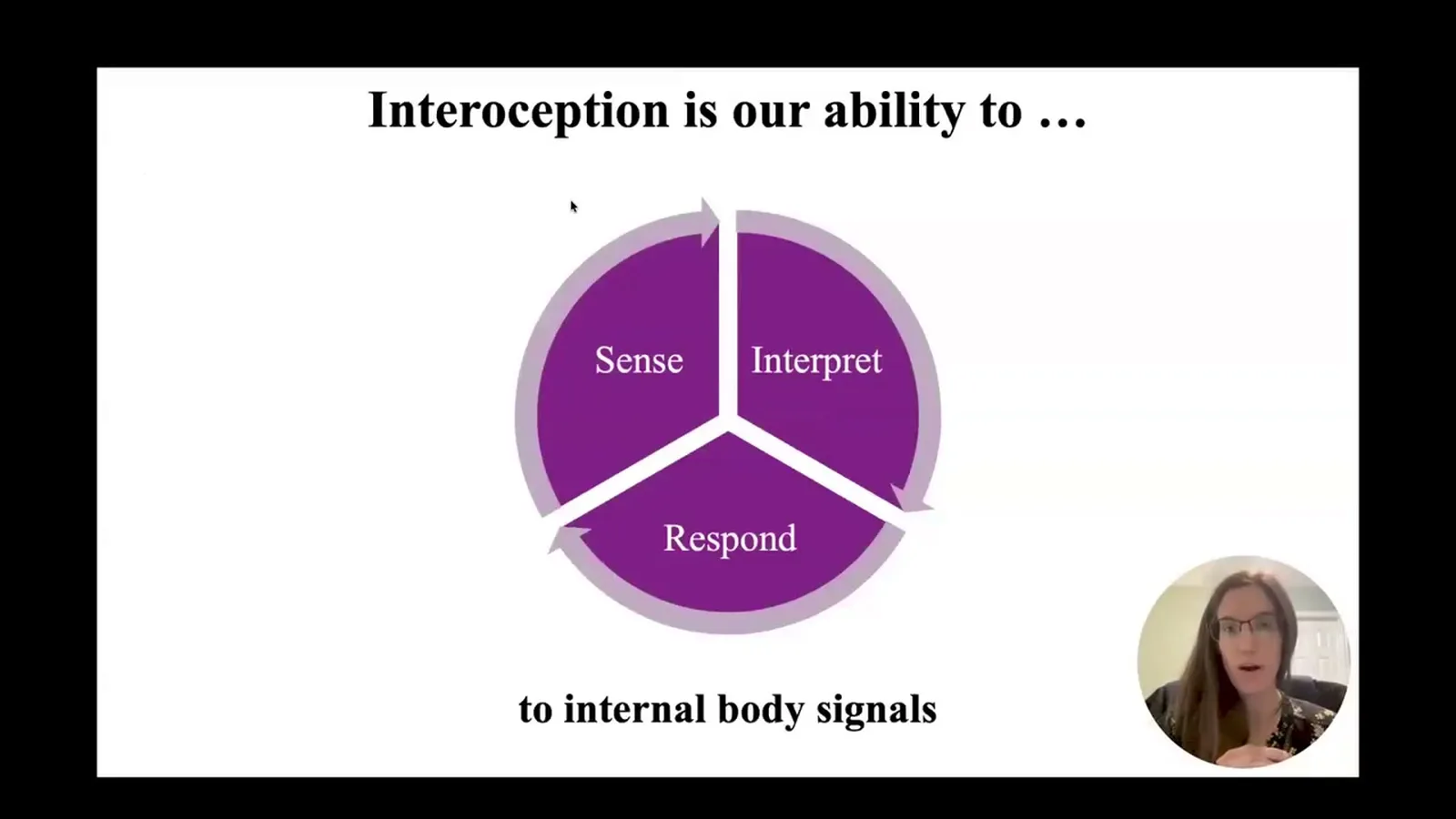
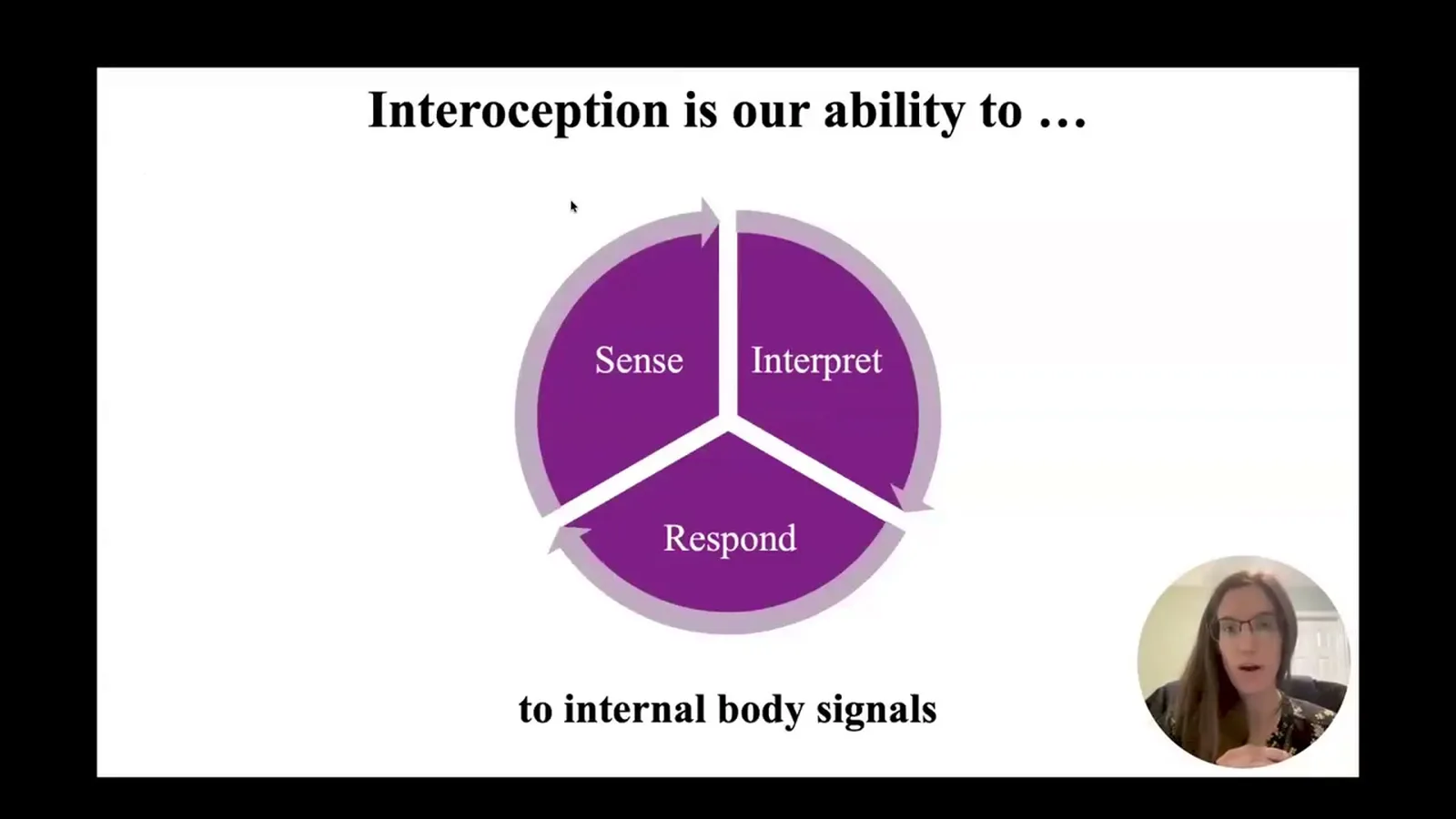
What Does Your Body Know? Teaching Individuals with IDD to Recognize Internal Warning Signs`
Free learning path on this topic
Your 4 Ethics CEUs, Done
Four ethics CEUs in three courses, all free. Start with Matt Harrington's assent and data course, then ethical guardrails in behavior reduction, then cultural considerations in clinical practice. Every course carries ethics credit, so this path covers the BACB requirement with nothing to buy.
Experts who cover this
2 recordings on openceu cover grooming aba.
- Featured talk1 CEU
What Does Your Body Know? Teaching Individuals with IDD to Recognize Internal Warning Signs`
Tricia LundThe Behaviorist Bookclub
A recurring theme across both presenters: grooming is described as gradual, ambiguous, and deliberately designed to look normal, starting with small boundary…
- 1 CEU
It’s Complicated: Teaching Relationship Safety That Reflects Real Life
Patricia "Tricia" Lund, CSE, LBA & Carolyn Broner, M.S. Ed.The Behaviorist Bookclub
Named as a structural blind spot of traditional safety curricula: power dynamics and grooming are rarely addressed directly even though they define the…

On this page · 7 sections▾
Grooming is how an abuser slowly builds trust before causing harm. It starts small and looks friendly. Each step feels normal, so it is easy to miss.
This matters for anyone who supports people with disabilities. BCBAs, RBTs, teachers, and parents all want clients to stay safe. But most safety lessons focus on strangers. Grooming usually comes from someone the person already knows and trusts. Understanding how it works helps you teach real protection.
Why grooming is so hard to catch#
Grooming does not look scary at first. It looks kind. That is the whole point. Each action can be explained away on its own.
Grooming is effective because behaviors are ambiguous and gradual, and they're designed to look normal. From the talk — Tricia Lund
Because it moves in tiny steps, a person may not notice the shift. A small favor becomes a secret. A friendly touch becomes something more. The abuser watches how the child reacts and pushes a little further each time.
Maybe the hand lingers a little bit. Maybe the hand moves down the back a little bit more. Maybe the person accidentally touches someone in a private area. From the talk — Tricia Lund
Each single moment seems minor. Added together, they form a pattern of harm.
Why checklists fall short#
Many safety programs hand out a list of "bad" behaviors. The idea is simple. If you can name the warning signs, you can spot them. But grooming does not follow a neat list.
A behavior checklist is almost useless against grooming because each individual behavior can't be rationalized away. From the talk — Tricia Lund
A hug is not always dangerous. A gift is not always a trap. Context is what matters. Teaching a rigid rule can even confuse a learner. They may miss real danger because it did not match the list.
This is why the work goes deeper than rules. It teaches people to notice how a situation feels to them. That inside signal often warns them before any rule does.
Where most abuse actually happens#
 Advertisement
Popular safety lessons often push "stranger danger." That message misses the bigger risk. Most harm comes from people inside the person's own life.
Harm often does not occur in obvious stranger danger situations. It may occur in familiar relationships through gradual boundary violations, mixed signals, confusing interactions, power imbalances. From the talk — Carolyn Broner
A trusted coach, aide, family friend, or peer can be the source. That is what makes grooming so confusing for the person. The warm feelings are real, which makes the boundary crossing hard to name.
Power also plays a big role. One person may have more control, size, or status. That gap shapes what the other person feels able to say or refuse.
Power dynamics and grooming are rarely addressed directly, and those are precisely the conditions under which most abuse occurs. From the talk — Carolyn Broner
Good relationship safety teaching names these power gaps out loud. It helps learners see that "no" is allowed, even with someone they like.
How to teach safety that reflects real life#
Rules alone are not enough. The stronger goal is body awareness and boundary skills. You help the person tune into their own warning signs. You practice what to do when something feels off.
Real-life teaching uses real-life situations. Not just cartoon strangers in a van. It includes friends, helpers, and online contacts. It makes room for mixed feelings, since grooming often feels good at first.
Practice matters too. A learner can rehearse saying no and telling a trusted adult. They can learn that secrets about touch are never okay. These skills give them a plan when a rule would fail.
Trusting the inside signal#
Grooming hides in the gray area between rules. So the body becomes a better guide than a list. Many people feel unease before they can name a reason. That feeling is worth teaching and honoring.
Some clients with disabilities miss or doubt these inside signals. They may have learned to comply and stay quiet. Safety work helps them notice a racing heart or a tight stomach. It links that feeling to a simple action, like finding a trusted adult.
You can teach this with calm, everyday practice. Name feelings during regular activities first. Then connect those feelings to choices about people and touch. The aim is a learner who trusts their gut, even when a person seems nice.
This is slow, patient work. It does not happen in one lesson. It grows across many small, honest conversations. Over time, the person builds a real inner alarm they can use.
What the research says#
Behavior analysts also study grooming in a very different sense. That work is about self-care and appearance, not abuse. It shows that these daily skills can be taught and measured with care.
One study built a simple checklist to rate clothing and grooming appearance. Four students with neurodevelopmental disabilities took part. A care provider intervention improved their appearance right away, and the gains held over time (Buckley, Brodeur, Clark, Bird, & Luiselli, 2025). This reminds us that "grooming" carries more than one meaning in our field. Safety-focused grooming and self-care grooming are separate topics that share a word.
FAQ#
What is grooming in the context of abuse?
Grooming is a slow process an abuser uses to gain trust. They build a bond, then cross small boundaries over time. Each step is designed to look normal so no one reacts. The goal is to make later harm easier to hide.
Why teach grooming awareness to people with disabilities?
People with disabilities face a higher risk of abuse. They may also have fewer chances to learn about boundaries. Teaching them to notice warning signs gives real protection. It also builds their confidence to speak up and seek help.
Is a safety checklist enough to prevent grooming?
No. A checklist treats each behavior as clearly good or bad. Grooming works by making each step seem harmless. Learners do better when they notice their own inside signals and practice saying no.
Relationship safety goes beyond stranger danger, a theme explored in It's Complicated: Teaching Relationship Safety That Reflects Real Life.
 Advertisement
Turn this topic into a CEU
You just studied this. Now get credit for it.
Watch What Does Your Body Know? Teaching Individuals with IDD to Recognize Internal Warning Signs` with Tricia Lund and earn 1 free BCBA CEU. Detailed certificate, delivered the moment you finish.
Keep going with a free learning path
Your 4 Ethics CEUs, Done
Four ethics CEUs in three courses, all free. Start with Matt Harrington's assent and data course, then ethical guardrails in behavior reduction, then cultural considerations in clinical practice. Every course carries ethics credit, so this path covers the BACB requirement with nothing to buy.