Interoception in ABA: Teaching Internal Body Cues
What interoception means in ABA and why it matters for safety. Learn how BCBAs, RBTs, and parents can teach learners to notice internal body signals.
Key takeaway
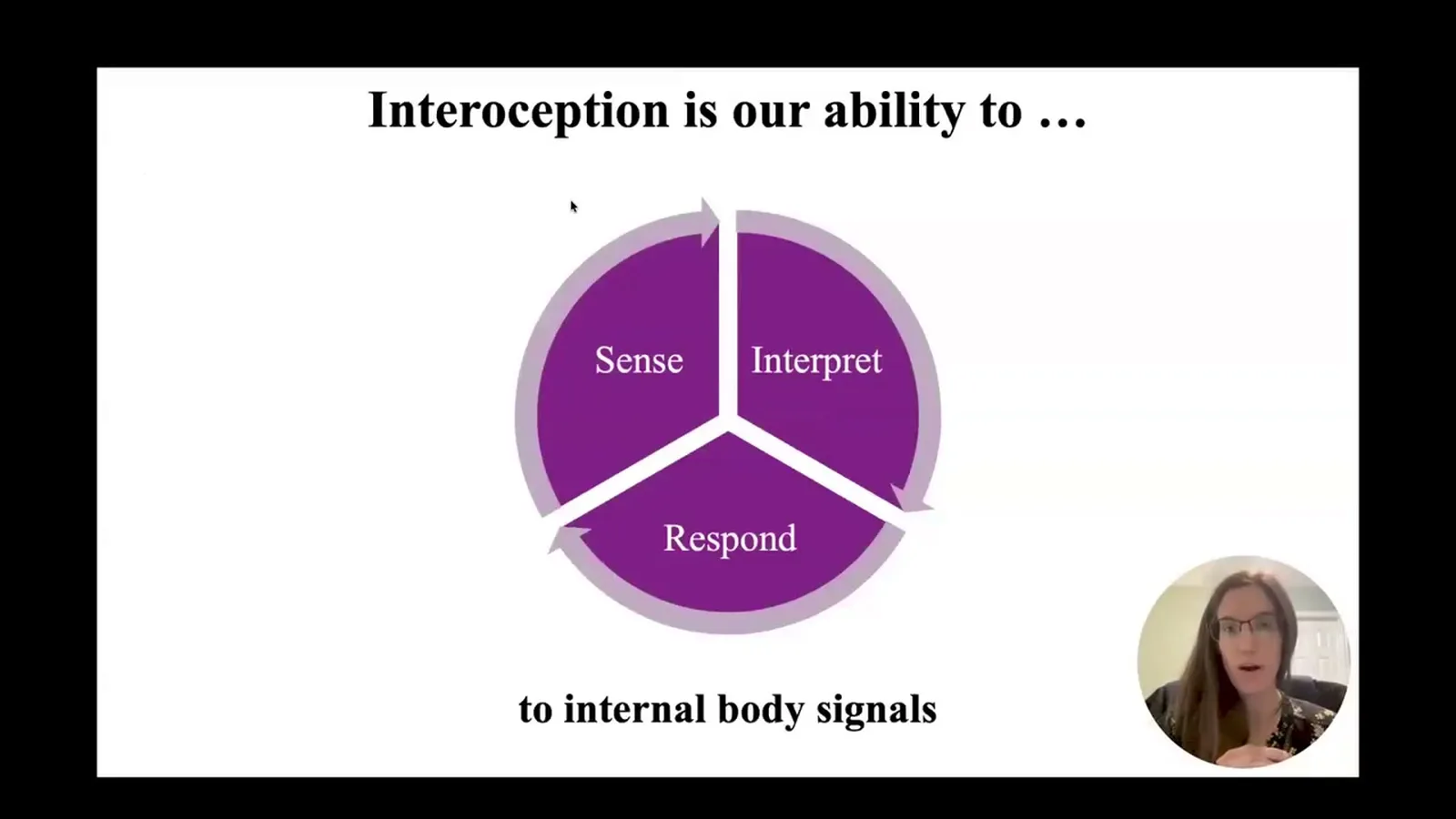
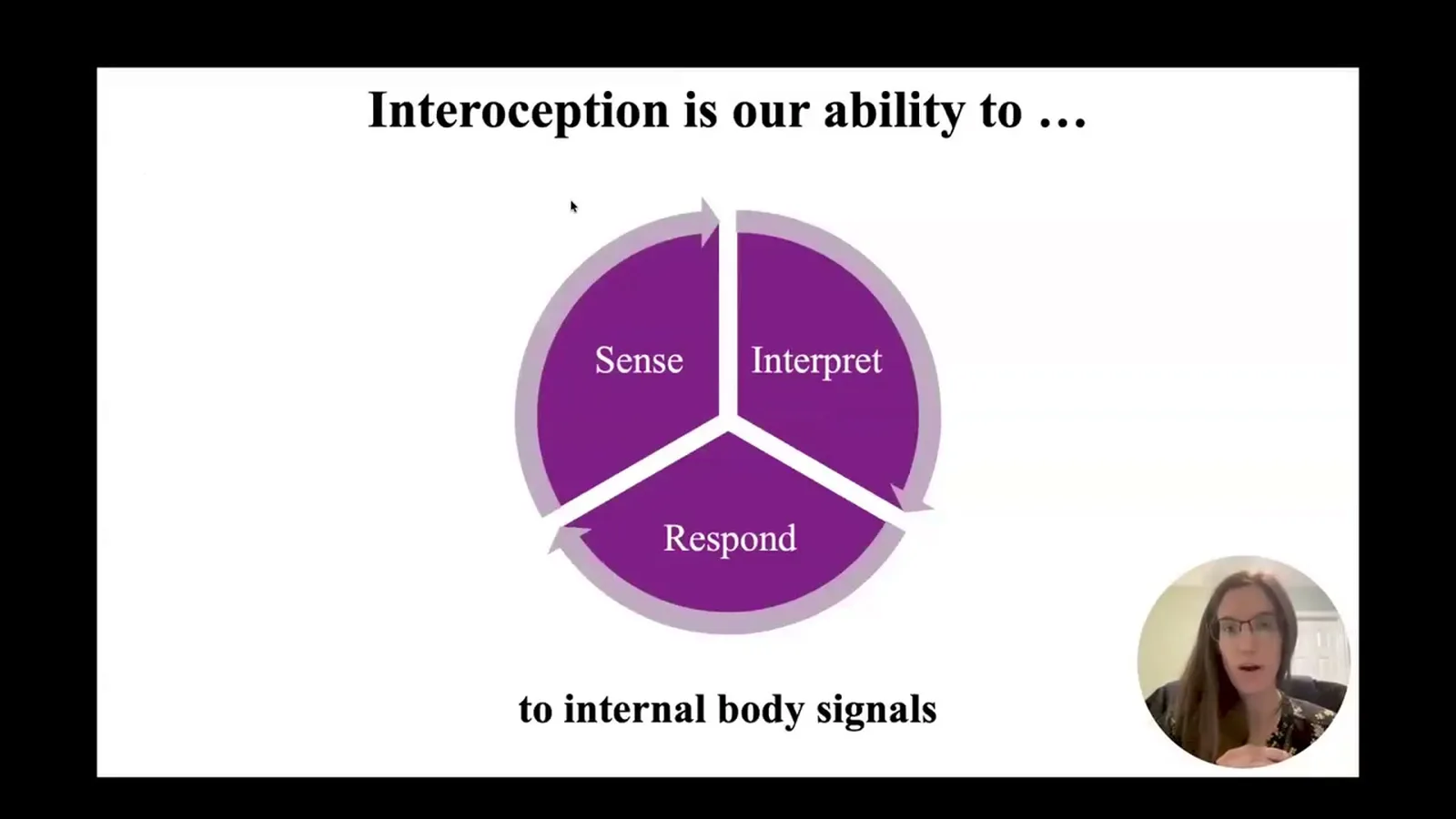
Interoception is how your body senses what is happening inside it. It picks up hunger, thirst, a racing heart, or a tight stomach. Then your brain reads those signals and helps you act.
What Does Your Body Know? Teaching Individuals with IDD to Recognize Internal Warning Signs`
Free learning path on this topic
PDA and Demand Avoidance
B. Kuereine Gray's three PDA talks plus Clelia Sigaud on the logic of anxiety. What PDA is and isn't, how to collaborate with caregivers, how to handle complex profiles and replacement behaviors, and why demand-avoidant learners respond the way they do.
Experts who cover this
3 recordings on openceu cover interoception.
- Featured talk1 CEU
What Does Your Body Know? Teaching Individuals with IDD to Recognize Internal Warning Signs`
Tricia LundThe Behaviorist Bookclub
The central topic of the talk: Tricia defines interoception as the body's ability to sense, interpret, and respond to internal signals (distinct from…
- 1 CEU
It’s Complicated: Teaching Relationship Safety That Reflects Real Life
Patricia "Tricia" Lund, CSE, LBA & Carolyn Broner, M.S. Ed.The Behaviorist Bookclub
Broner frames interoception, noticing and interpreting internal body signals, as the foundational, explicitly teachable skill that all later safety responses…
- 1 CEU
An Examination of Abuse Prevention
Tricia Lund & Carolyn BronerThe Behaviorist Bookclub
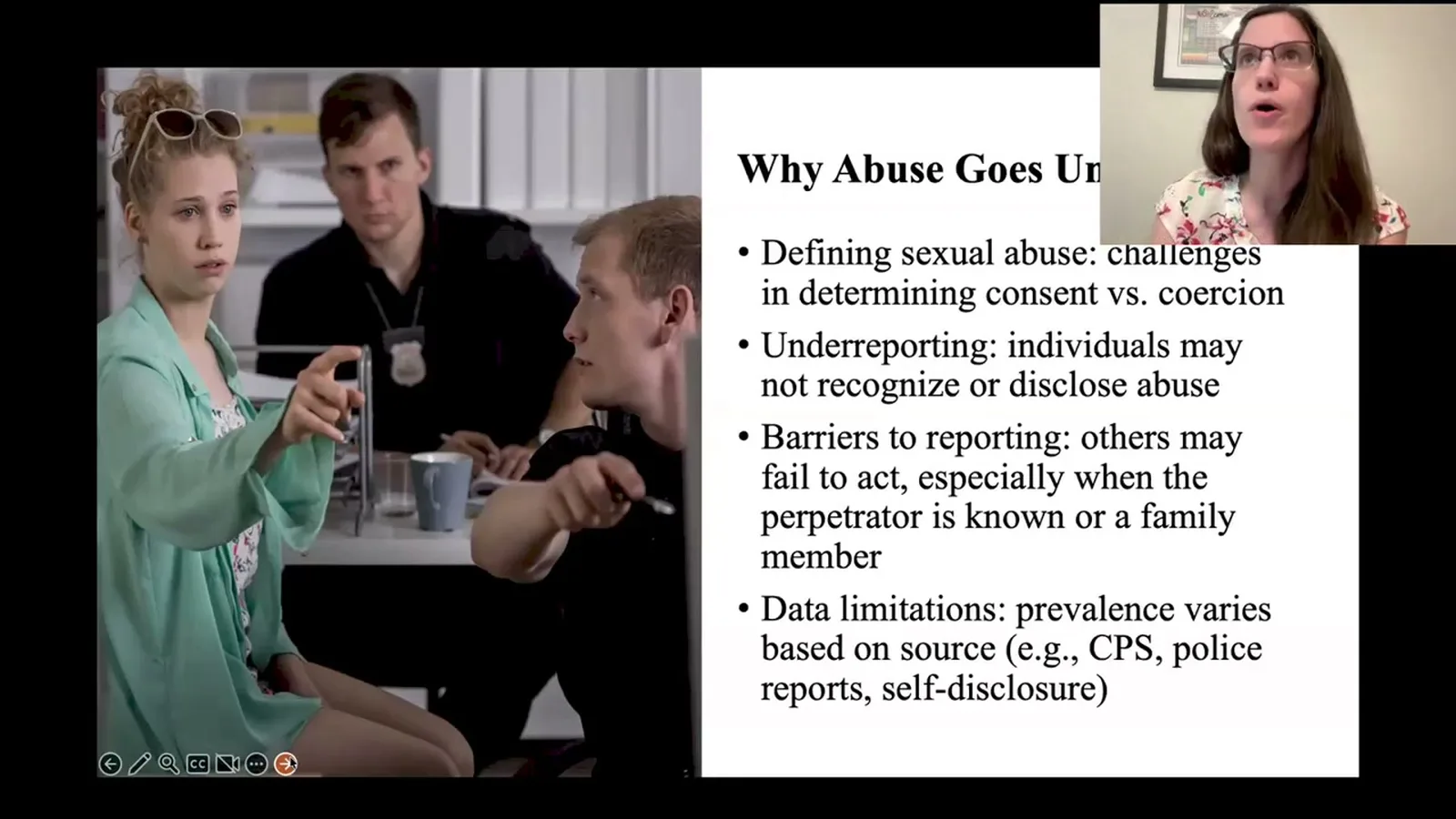
Flagged as an underexplored area relevant to safety: recognizing one's own internal bodily cues of discomfort or unsafety, which the talk connects to a missed…

On this page · 8 sections▾
Interoception is how your body senses what is happening inside it. It picks up hunger, thirst, a racing heart, or a tight stomach. Then your brain reads those signals and helps you act. It is different from your five outside senses. This one points inward.
This matters more than most people think. Many learners with autism or developmental differences miss these inside signals. That gap can affect health, feelings, and safety. When you teach body awareness, you give people a tool they can use for life. BCBAs, RBTs, teachers, and parents can all help build this skill.
What interoception actually is#
Tricia Lund gives a clear, simple definition. Your body is always sending you data. Interoception is how you read it.
So essentially, interoception is our body's ability to sense, interpret, and respond to our internal body signals. From the talk — Tricia Lund
This sense is not just about basic needs. It covers a wide range of internal states. A full bladder, a warm face, or shaky hands all count. Carolyn Broner points out that these feelings are real information. She describes a tense stomach, a racing heart, stiff muscles, or a shift in breathing as data points a learner can be taught to read.
It is a skill, not a fixed trait#
Here is the most hopeful part. Body awareness is not something you either have or lack. It can be taught, step by step. That changes everything for how we plan treatment.
We established that interoception is not a fixed trait. It's a teachable repertoire. Learners can be explicitly taught to notice, label, trust, and act on their internal signals. From the talk — Carolyn Broner
Broner breaks the skill into four clear parts. First, the learner notices a signal. Second, they put a label on it. Third, they learn to trust that the signal is real. Fourth, they act on it in a safe way. Each part can be built with practice and support.
Why some learners miss these signals#
Many children do not tune into their bodies on their own. This is common in learners with developmental differences. They may feel real discomfort but have no words for it.
Many children, particularly those with developmental differences, don't automatically tune into internal signals. They may be experiencing discomfort, fear, or unease without any conscious access to it. From the talk — Carolyn Broner
Think about what that means day to day. A child may feel sick but cannot say so. Another may feel scared but cannot name the fear. When we teach labels for these states, we hand them language. That language opens the door to help.
The safety link#
 Advertisement
Both speakers tie this skill to safety and abuse prevention. Rules alone are not enough. A rule takes time to recall and apply. The body reacts first, before the thinking brain catches up.
Your body doesn't just track hunger. It tracks danger too, which is why teaching interoceptive skills is so important when it comes to abuse prevention. From the talk — Tricia Lund
Lund shares why this gap can be so costly. She describes a learner who was never taught to trust his own body. He had no way to read the warning his body was sending.
if he'd had some education around, my body is giving me cues that I don't like what's happening to me, and I can trust that. From the talk — Tricia Lund
This is why body awareness should support rule-based safety training, not replace it. The two work best together. One talk, It's Complicated: Teaching Relationship Safety That Reflects Real Life, builds on this idea in depth.
How to start teaching it#
Start small and make it concrete. Name body signals out loud during daily routines. Say "my stomach feels tight" or "my heart is fast right now." Pair each label with a simple picture or gesture. Give many chances to practice across the day.
Then move to trusting and acting. Help the learner match a signal to a next step. A full bladder means go to the bathroom. A scared feeling means find a safe adult. Repeat this often, in calm moments and real ones.
Use everyday moments as teaching time. Point out your own signals as they happen. Say what you notice and what you do about it. This models the skill in a natural way. Over time, the learner starts to do the same.
Signals worth teaching#
Carolyn Broner reminds us that the body speaks in many ways. A tight stomach, a busy heart, or stiff muscles are all clues. A change in breathing counts too. Each one is a piece of data the learner can learn to read.
Start with signals that are easy to feel. Hunger, thirst, and a full bladder are good first targets. These link to clear, safe actions. Then move to feeling states like nervous or upset. These are harder but very useful. Naming them helps the learner ask for support before things boil over.
What the research says#
Research backs up the link between interoception and autism. One large survey found high rates of confusion about internal states in autistic adults. About 74 percent reported this confusion, and it rose as autistic traits rose (The Interoception Sensory Questionnaire (ISQ): A Scale to Measure Interoceptive Challenges in Adults).
Other work used body and thirst awareness scales. Adults with autism scored much lower on both than a control group, and the effect was large (Investigating interoception and body awareness in adults with and without autism spectrum disorder). A third study found lower interoception scores in an autism group, along with higher trouble naming feelings (Emotional regulation deficits in autism spectrum disorder: The role of alexithymia and interoception).
These findings support what the speakers argue. Many autistic learners need direct teaching to read their bodies. It should not be left to chance.
FAQ#
What is interoception in simple terms?
Interoception is your sense of what is going on inside your body. It picks up hunger, thirst, a fast heart, or a tense gut. Your brain reads these signals and helps you respond.
Can interoception be taught?
Yes. The speakers stress that it is a skill, not a fixed trait. Learners can be taught to notice a signal, name it, trust it, and act. This is done with clear labels and lots of practice.
Why does interoception matter for safety?
The body often senses danger before the mind names it. A learner who can read those cues can act sooner. That is why body awareness supports abuse prevention and relationship safety training.
 Advertisement
Turn this topic into a CEU
You just studied this. Now get credit for it.
Watch What Does Your Body Know? Teaching Individuals with IDD to Recognize Internal Warning Signs` with Tricia Lund and earn 1 free BCBA CEU. Detailed certificate, delivered the moment you finish.
Keep going with a free learning path
PDA and Demand Avoidance
B. Kuereine Gray's three PDA talks plus Clelia Sigaud on the logic of anxiety. What PDA is and isn't, how to collaborate with caregivers, how to handle complex profiles and replacement behaviors, and why demand-avoidant learners respond the way they do.