What Does Your Body Know? Teaching Individuals with IDD to Recognize Internal Warning Signs`
Presented by Tricia Lund
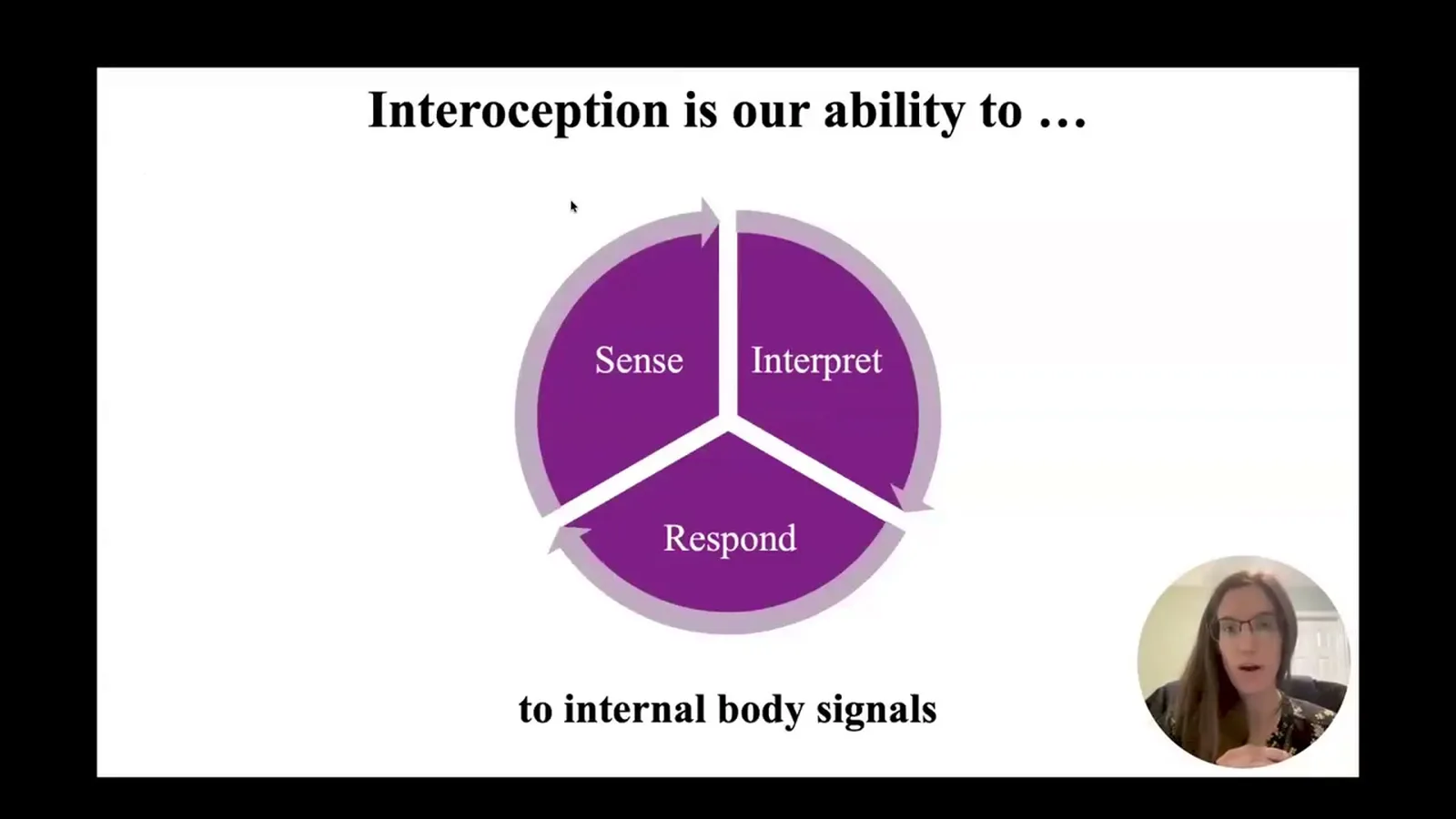
What You’ll Learn & How It Applies to Your Practice Research suggests nearly three-quarters of individuals with autism have significant difficulty reading their own internal body signals unless those signals are extreme — and if a learner can’t recognize that something is wrong inside, no safety skill we teach will trigger in time. Patricia Lund will introduce interoception (the ability to sense and interpret signals from inside the body), explain why it’s a foundational skill for abuse prevention, and give you practical starting points for weaving body awareness into the safety skills training you’re already doing
Register free & watch nowCancel any time. Cert delivered to your inbox the moment you pass the quiz.
About this CEU
What You’ll Learn & How It Applies to Your Practice Research suggests nearly three-quarters of individuals with autism have significant difficulty reading their own internal body signals unless those signals are extreme — and if a learner can’t recognize that something is wrong inside, no safety skill we teach will trigger in time. Patricia Lund will introduce interoception (the ability to sense and interpret signals from inside the body), explain why it’s a foundational skill for abuse prevention, and give you practical starting points for weaving body awareness into the safety skills training you’re already doing
What you'll learn
- 1Learning Objectives
- 2Participants will define interoception and explain its relevance to abuse prevention for individuals with IDD.
- 3Participants will identify at least two reasons why individuals with IDD may experience difficulty recognizing internal warning signals.
- 4Participants will describe at least two practical strategies for incorporating body awareness into existing safety skills training.
Concepts in this CEU
More from The Behaviorist Bookclub
Foundations of Reflective Supervision in Behavior Analysis
The Behaviorist Bookclub
Teaching WH-Questions Isn’t Enough: Building True Conditional Discrimination
The Behaviorist Bookclub
Reframing Behavior through an ADHD Lens
The Behaviorist Bookclub
OpenCEU is supported by advertising from third-party sponsors. Sponsors are clearly labeled, have no influence over course content, instructors, or CEU decisions, and never appear on certificates. The BACB does not sponsor, approve, or endorse OpenCEU sponsors or their products.