Child Development for Behavior Analysts
Presented by Kristen Byra
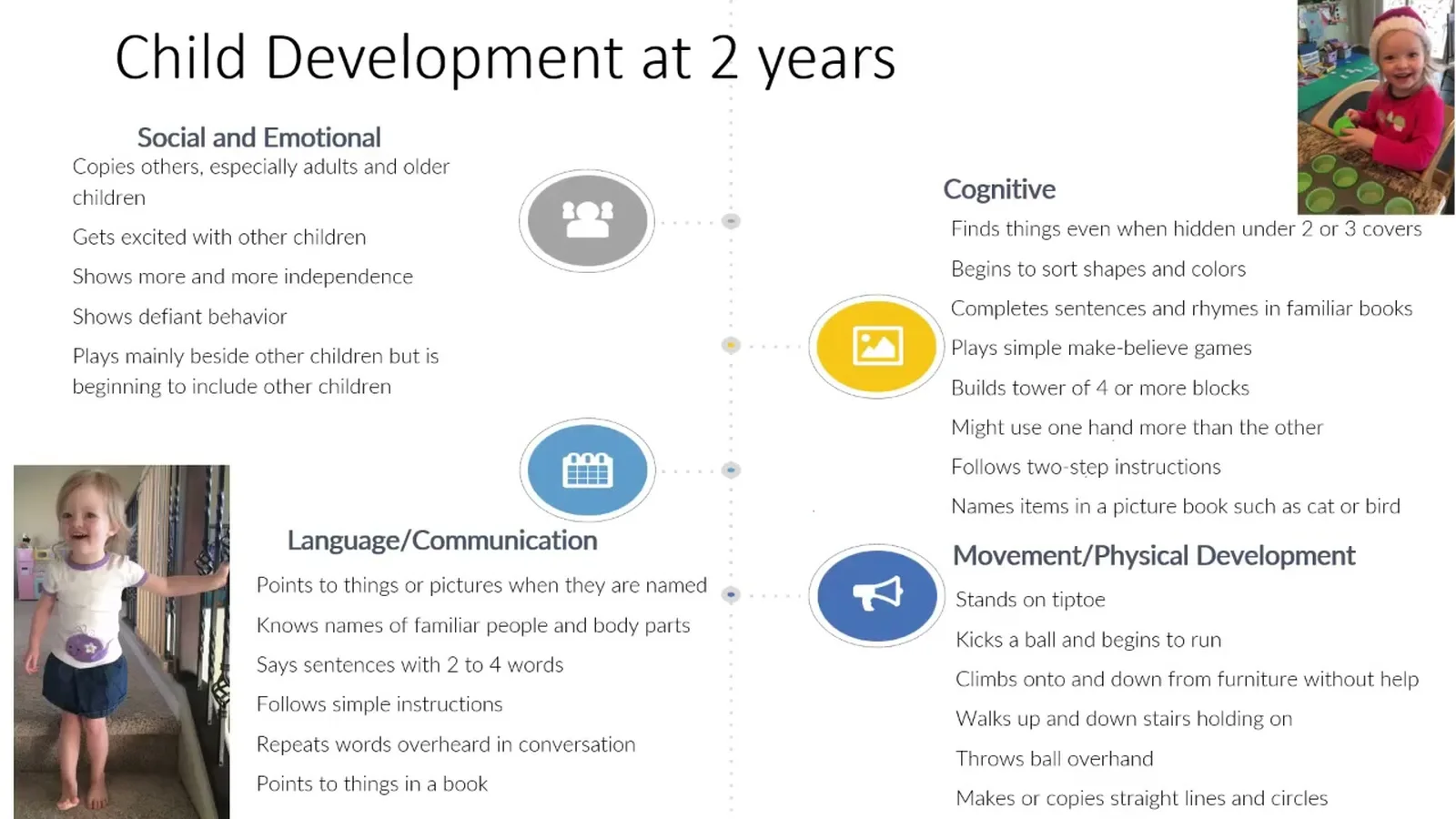
A firm understanding of typical child development will aid practitioners in creating developmentally appropriate treatment plan goals and objectives. Clinicians also need to work with families to disseminate critical child developmental milestones. Information about child development—specifically early warning signs—needs to be supplied to parents so that they can be prepared for visits with their child’s health care provider to request referrals if necessary. While efforts for early detection are admirable, there is still restricted access to services, including a confirmed diagnosis and treatment, especially in rural communities and for certain demographic groups. Delayed diagnoses and access to treatment both have clinical implications that will be discussed. Finally, treatment planning needs to be evidence-based and should be linked to established curriculum and literature.
Register free & watch nowCancel any time. Cert delivered to your inbox the moment you pass the quiz.
About this CEU
A firm understanding of typical child development will aid practitioners in creating developmentally appropriate treatment plan goals and objectives. Clinicians also need to work with families to disseminate critical child developmental milestones. Information about child development—specifically early warning signs—needs to be supplied to parents so that they can be prepared for visits with their child’s health care provider to request referrals if necessary. While efforts for early detection are admirable, there is still restricted access to services, including a confirmed diagnosis and treatment, especially in rural communities and for certain demographic groups. Delayed diagnoses and access to treatment both have clinical implications that will be discussed. Finally, treatment planning needs to be evidence-based and should be linked to established curriculum and literature.
What you'll learn
- 1Within this presentation, participants will:
- 2Be provided with an overview of key developmental milestones from 9 months to 5 years of age.
- 3Be introduced to literature that outlines the barriers to services based on several different demographics.
- 4Examine the clinical implications of delayed access to services.
- 5Gain access to a review of common rating scales and diagnostic tools used in the diagnosis of autism spectrum disorder.
- 6Be able to develop mastery criteria in alignment with typical child development.
Concepts in this CEU
More from The Behaviorist Bookclub
Foundations of Reflective Supervision in Behavior Analysis
The Behaviorist Bookclub
Teaching WH-Questions Isn’t Enough: Building True Conditional Discrimination
The Behaviorist Bookclub
Reframing Behavior through an ADHD Lens
The Behaviorist Bookclub
OpenCEU is supported by advertising from third-party sponsors. Sponsors are clearly labeled, have no influence over course content, instructors, or CEU decisions, and never appear on certificates. The BACB does not sponsor, approve, or endorse OpenCEU sponsors or their products.