Self-Identity Map: A Tool for Clinician Bias
A self-identity map helps ABA clinicians see their own culture, values, and biases so they can build stronger rapport with clients.
Key takeaway
A self-identity map is a simple picture of who you are. You put yourself in the middle. Then you draw out the parts of your life that shaped you.
Cultural Considerations in ABA Clinical Practice
Experts who cover this
The recording behind this guide covers self-identity map.
- Featured talk1 Ethics CEU
Cultural Considerations in ABA Clinical Practice
Mackenzie SandlerThe Behaviorist Bookclub
An optional reflection activity Mackenzie recommends: mapping out heritage, education, values, languages, community, and hobbies with yourself at the center…
On this page · 9 sections▾
A self-identity map is a simple picture of who you are. You put yourself in the middle. Then you draw out the parts of your life that shaped you. That includes your heritage, your schooling, your values, your languages, and your hobbies.
The map matters because you bring all of that into your work. Clinicians in ABA (applied behavior analysis, a therapy for behavior change) are people first. Your background can help you connect with a family. It can also create blind spots. A self-identity map makes both of those things easier to see.
What a self-identity map actually is#
Think of a mind map with you at the center. Around you sit the big pieces of your identity. Some pieces are large and shape you a lot. Others are small. The goal is not to score yourself. The goal is to notice.
Mackenzie Sandler teaches this in more than one talk. She frames the map as an optional reflection activity. You do not need special tools. A blank page and a few minutes are enough to start.
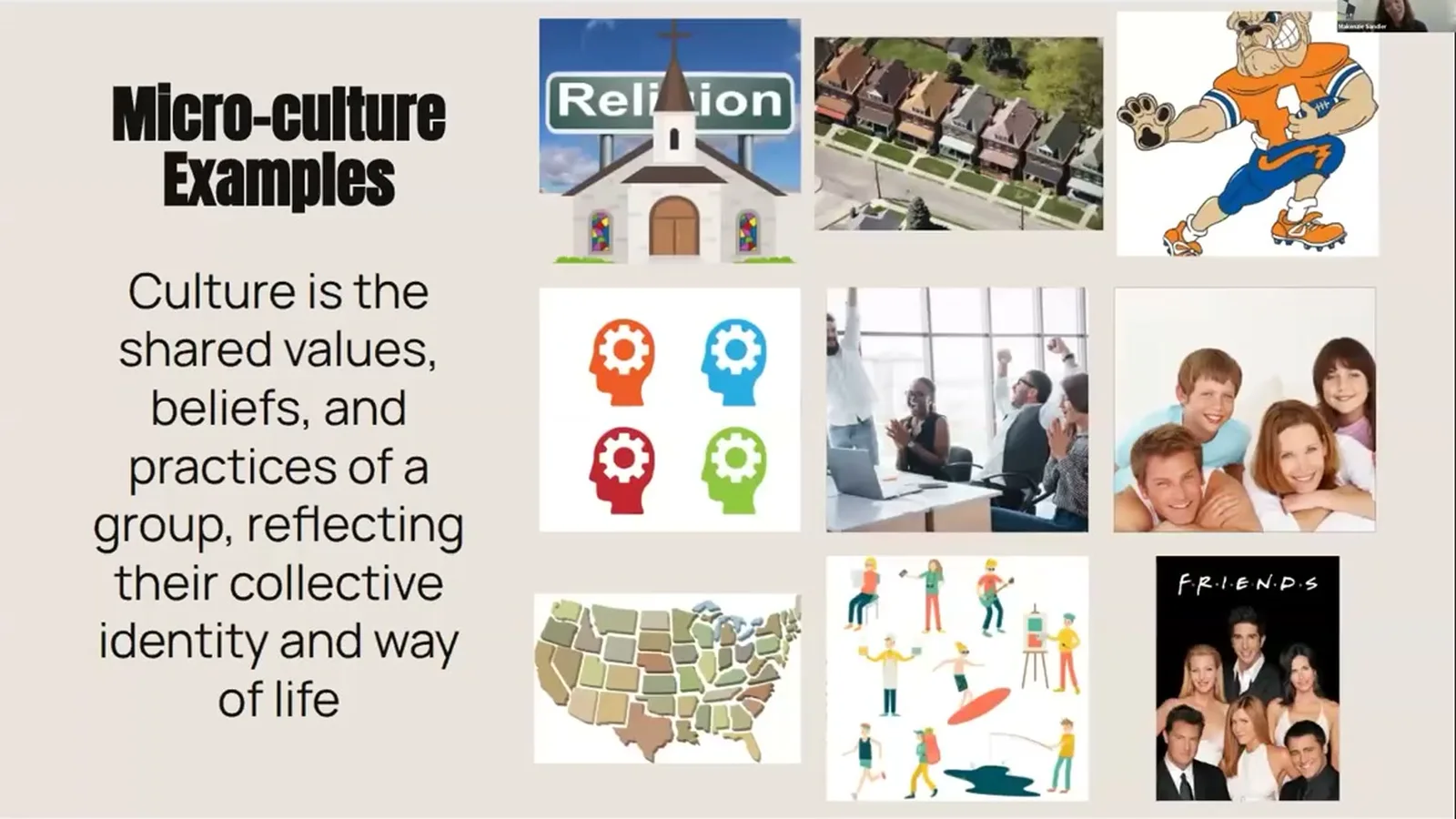
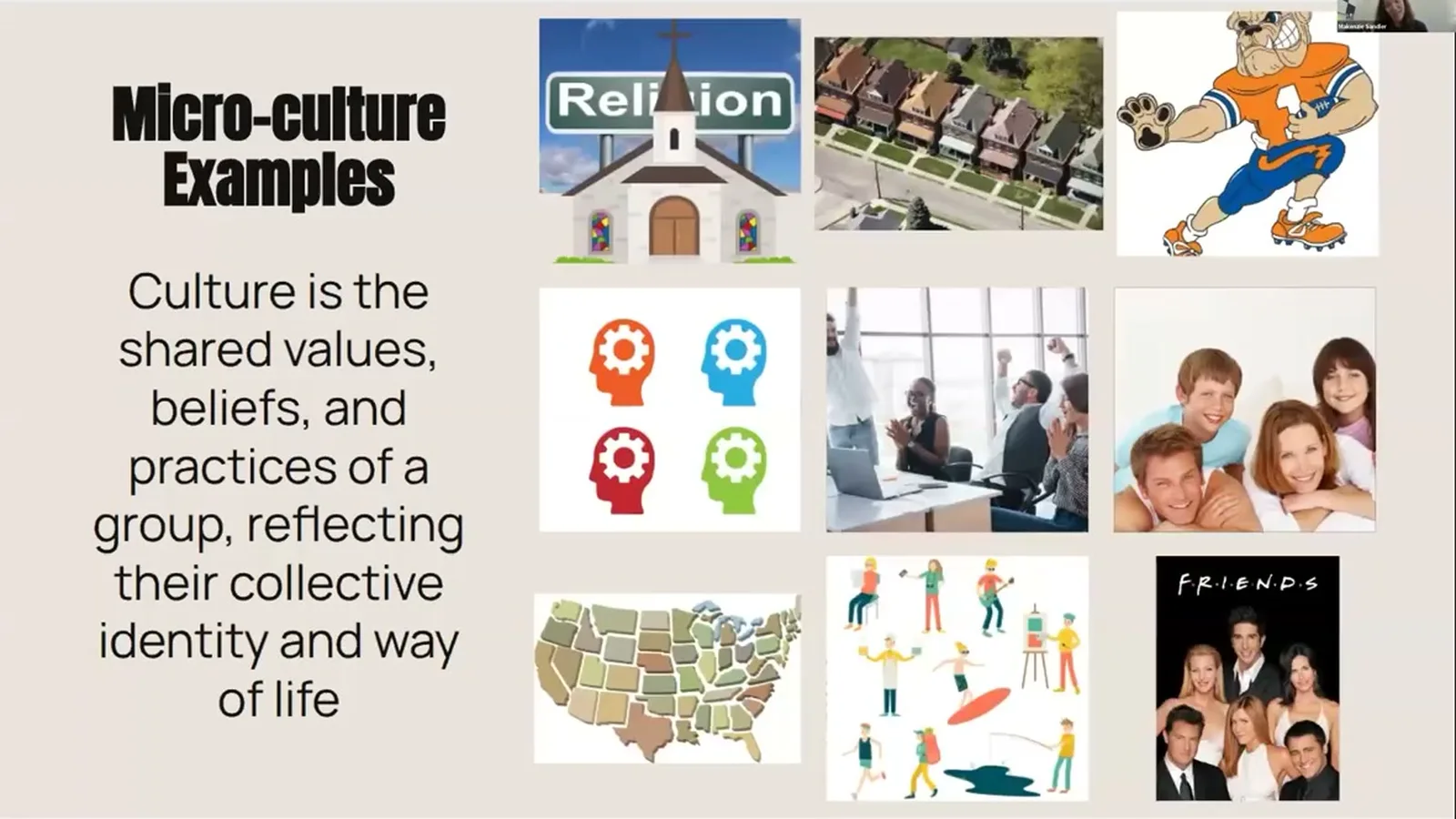
there's lots of examples out there for self-identity maps. These are really great for you to think about to break down different cultural heritages or education and work values, beliefs, languages, community, or art or expression or hobbies, different things that kind of become you. From the talk — Mackenzie Sandler
Putting yourself in the middle#
The center of the map is you. Everything else branches out from there. This layout is not just a style choice. It keeps the focus on how each part connects back to you.
Sandler is clear about the point of the exercise. You sit in the middle, and everything around you is what shaped your experience and culture. She notes that those same pieces can create biases. They can also fuel really good rapport building. Rapport means trust and connection with a client. The map turns that vague idea into something you can see on paper.
Which parts of identity to map#
Sandler lists a wide set of categories. She names cultural heritage, education, and work. She adds values, beliefs, and languages. She also includes community, art or expression, and hobbies.
You do not have to use every category. Pick the ones that feel true for you. The list is there to spark ideas. It helps you get past the obvious answers and think a little deeper.
Some categories will feel big and some will feel small. That size gap is useful data. A part of your life that fills the whole page probably drives a lot of your choices. A part that barely shows up may still matter in quiet ways. Both are worth a second look.
Seeing your biases before they show up#
 Advertisement
Everyone carries bias. That is not a flaw. It is just how brains sort the world. The problem starts when bias stays hidden and quietly steers your choices.
A self-identity map pulls bias into the light. When you see which values are large for you, you can ask a fair question. Am I expecting this family to share those same values? That pause can change how you plan care and how you talk with parents.
Here is a small example. Say punctuality sits high on your map. You might read a late parent as careless. But that same family may put a sick relative first, every time. The map does not erase the gap. It just helps you check your first read before you act on it.
Turning identity into stronger rapport#
Bias is only half the story. The same map shows your strengths for building rapport. A shared language, a shared hobby, or a shared background can open a door fast.
Sandler frames these two sides together in her cultural practice talk. The parts of you that might create bias can also create real connection. The map helps you spot both, so you can lean on your strengths on purpose.
This works best when it is honest, not forced. You are not looking for fake common ground. You are noticing where a true shared thread already exists. When it is real, a family feels it, and trust grows faster.
Why it fits telehealth work too#
Sandler brings the same tool into her talk on testing ethics in telehealth (care delivered over video). That matters because screens can hide a lot. You may never see a family's home, their neighborhood, or their daily life.
When you cannot see context, your own assumptions fill the gap. A self-identity map reminds you where those assumptions come from. It keeps you honest about what you are guessing versus what you actually know about a client.
In that session, Sandler walks through the same map categories she uses in her cultural practice talk. She points clinicians back to heritage, education and work, values, beliefs, languages, community, and hobbies. The tool does not change just because the setting moved to a screen.
How to start your own map#
Start small and keep it low pressure. This is a private reflection tool. There is no grade and no wrong map.
- Write your name in the center of a blank page.
- Draw a branch for each category that speaks to you.
- Make the big influences bigger and the small ones smaller.
- Circle any part that could shape how you judge a client.
- Star any part that could help you connect with a family.
Come back to the map over time. Your identity is not fixed, and neither is the map. A new job, a move, or a new relationship can shift what sits at the center. Ten quiet minutes once or twice a year is enough to keep it current.
What the research says#
This page draws on two recorded talks by Mackenzie Sandler. It does not draw on peer-reviewed journal articles, so no formal study citation appears here. The self-identity map is a reflection exercise from clinical training rather than a tested research measure.
If you want the primary source, watch the talks themselves. Sandler explains the self-identity map in her session on cultural considerations in ABA practice. She also returns to it in her session on testing ethics in telehealth.
Frequently asked questions#
What is a self-identity map in ABA?
It is a picture of who you are as a clinician. You place yourself in the center. Then you map out your heritage, values, languages, and hobbies. The point is to see how your background shapes your work with clients.
How does a self-identity map reduce bias?
Bias hides best when you cannot see it. The map makes your values and beliefs visible on paper. Once you see them, you can ask if you are expecting clients to share them. That pause helps you make fairer clinical choices.
Do I have to share my self-identity map with anyone?
No. Sandler frames it as an optional, personal reflection activity. You can keep it fully private. Its value comes from your own honesty. You never need to show it to a supervisor or team.
Want the full context behind this tool? Watch Cultural Considerations in ABA Clinical Practice with Mackenzie Sandler.
 Advertisement
Turn this topic into a CEU
You just studied this. Now get credit for it.
Watch Cultural Considerations in ABA Clinical Practice with Mackenzie Sandler and earn 1 free BCBA CEU. Detailed certificate, delivered the moment you finish.