PDA: What it is and What it isn't
Presented by B. Kuereine Gray
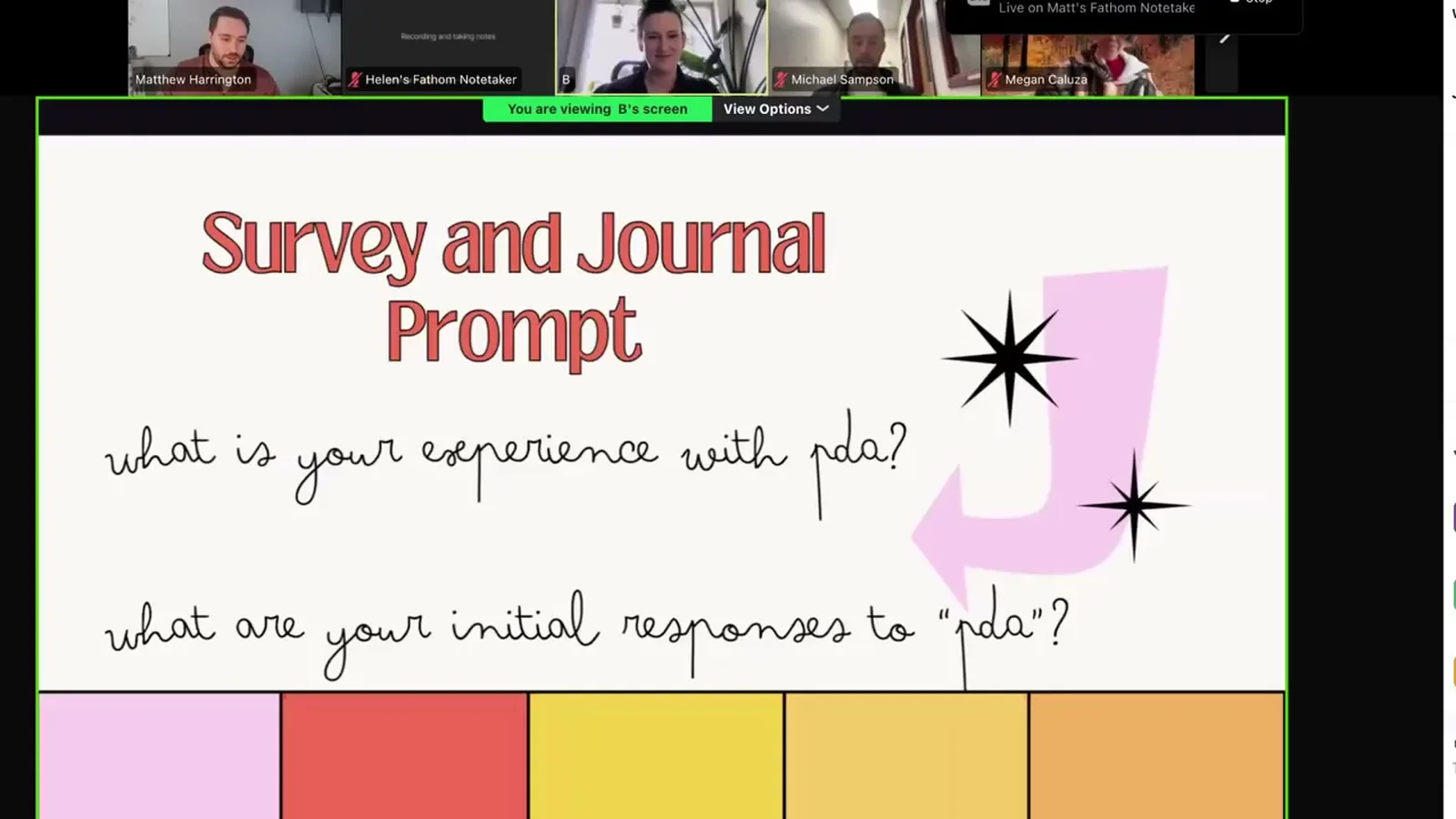
Pathological Demand Avoidance (PDA) is an increasingly discussed behavioral profile, yet it is often misunderstood, inconsistently defined, and misapplied in clinical practice. This continuing education session provides behavior analysts with a clear, evidence-informed overview of PDA, including its historical context, current conceptualizations, and common areas of confusion. Participants will learn to distinguish PDA-related behavioral presentations from other forms of escape-maintained behavior, consider ethical responsibilities to clients when addressing emerging profiles, and identify appropriate assessment considerations. The session also emphasizes maintaining professional competence, advocating for appropriate services, and locating reliable professional and stakeholder resources to support clients and families.
Register free & watch nowCancel any time. Cert delivered to your inbox the moment you pass the quiz.
About this CEU
Pathological Demand Avoidance (PDA) is an increasingly discussed behavioral profile, yet it is often misunderstood, inconsistently defined, and misapplied in clinical practice. This continuing education session provides behavior analysts with a clear, evidence-informed overview of PDA, including its historical context, current conceptualizations, and common areas of confusion. Participants will learn to distinguish PDA-related behavioral presentations from other forms of escape-maintained behavior, consider ethical responsibilities to clients when addressing emerging profiles, and identify appropriate assessment considerations. The session also emphasizes maintaining professional competence, advocating for appropriate services, and locating reliable professional and stakeholder resources to support clients and families.
What you'll learn
- 1Learning Objectives
- 2After completing this session, participants will be able to:
- 3Describe the historical development and current status of PDA-related profiles and discussions within the broader autism and behavioral health communities (Ethics Code 3.01).
- 4Identify key features of PDA-related behavioral presentations and distinguish what PDA is and is not, based on current research and community-informed perspectives (Ethics Code 1.06).
- 5Recognize behavioral responses, antecedents, and contextual factors commonly associated with increased probability of PDA-type responses, while avoiding overgeneralization (Ethics Code 1.06).
- 6Locate appropriate professional, community, and stakeholder resources to support ethical advocacy and service recommendations for clients and families (Ethics Code 3.12).
Concepts in this CEU
More from The Behaviorist Bookclub
Foundations of Reflective Supervision in Behavior Analysis
The Behaviorist Bookclub
Teaching WH-Questions Isn’t Enough: Building True Conditional Discrimination
The Behaviorist Bookclub
Reframing Behavior through an ADHD Lens
The Behaviorist Bookclub
OpenCEU is supported by advertising from third-party sponsors. Sponsors are clearly labeled, have no influence over course content, instructors, or CEU decisions, and never appear on certificates. The BACB does not sponsor, approve, or endorse OpenCEU sponsors or their products.