Stimulus Equivalence: Teach Less, Learn More
A plain guide to stimulus equivalence in ABA. Learn how learners form untrained links between stimuli and why it matters for teaching.
Key takeaway
Stimulus equivalence is a kind of learning shortcut. You teach a learner a few links between things. They then figure out more links on their own, without being taught.
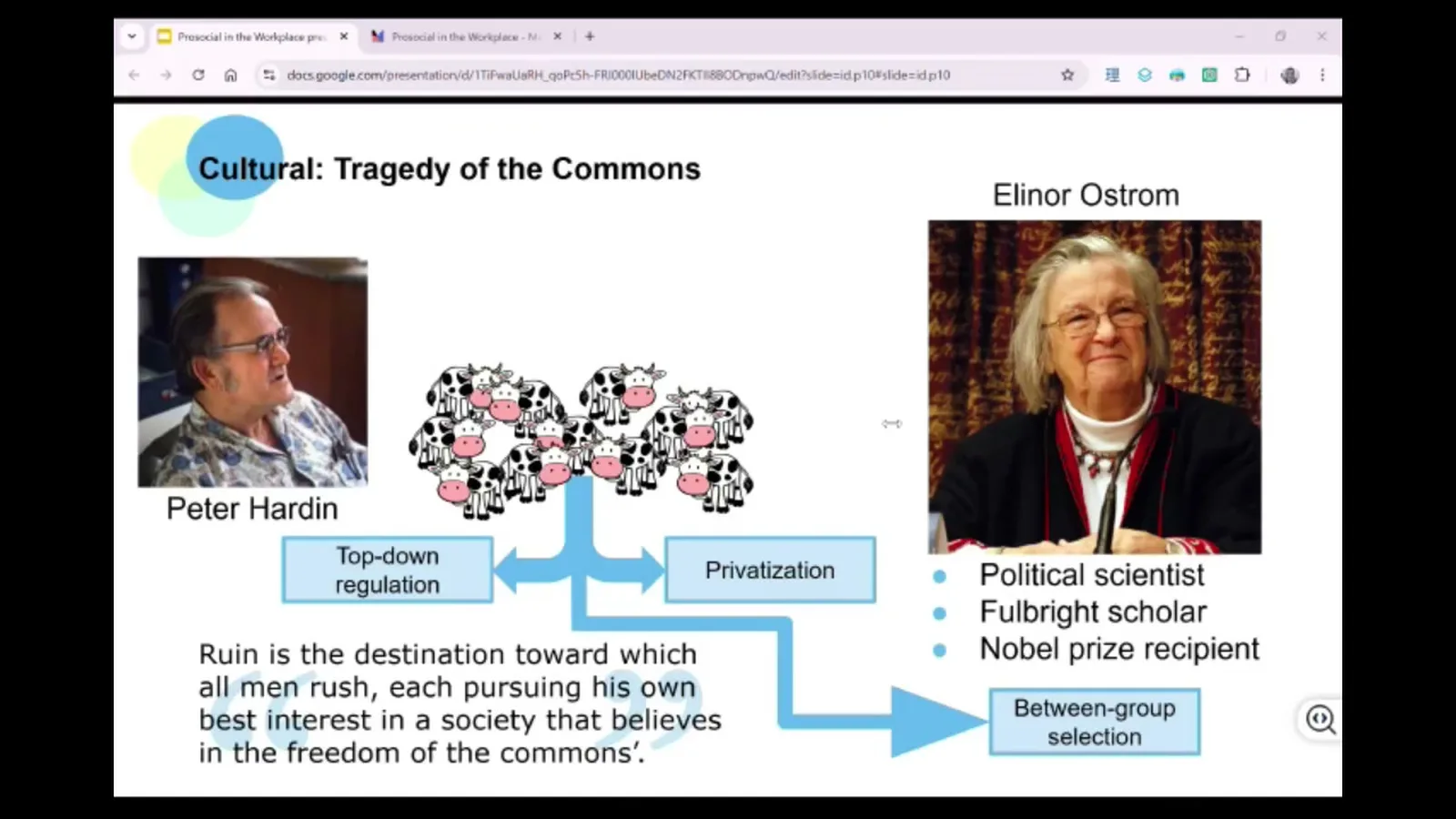
Prosocial in the Workplace
Free learning path on this topic
Supervision, Done Right
Four supervision CEUs that build on each other. What reflective supervision is, how to build a supervision system, how to assess supervisee competence instead of counting hours, and how supervision affects provider outcomes. The BACB asks supervisors for three supervision CEUs per cycle. This covers it.
Experts who cover this
2 recordings on openceu cover stimulus equivalence.
- Featured talk1 Supervision CEU
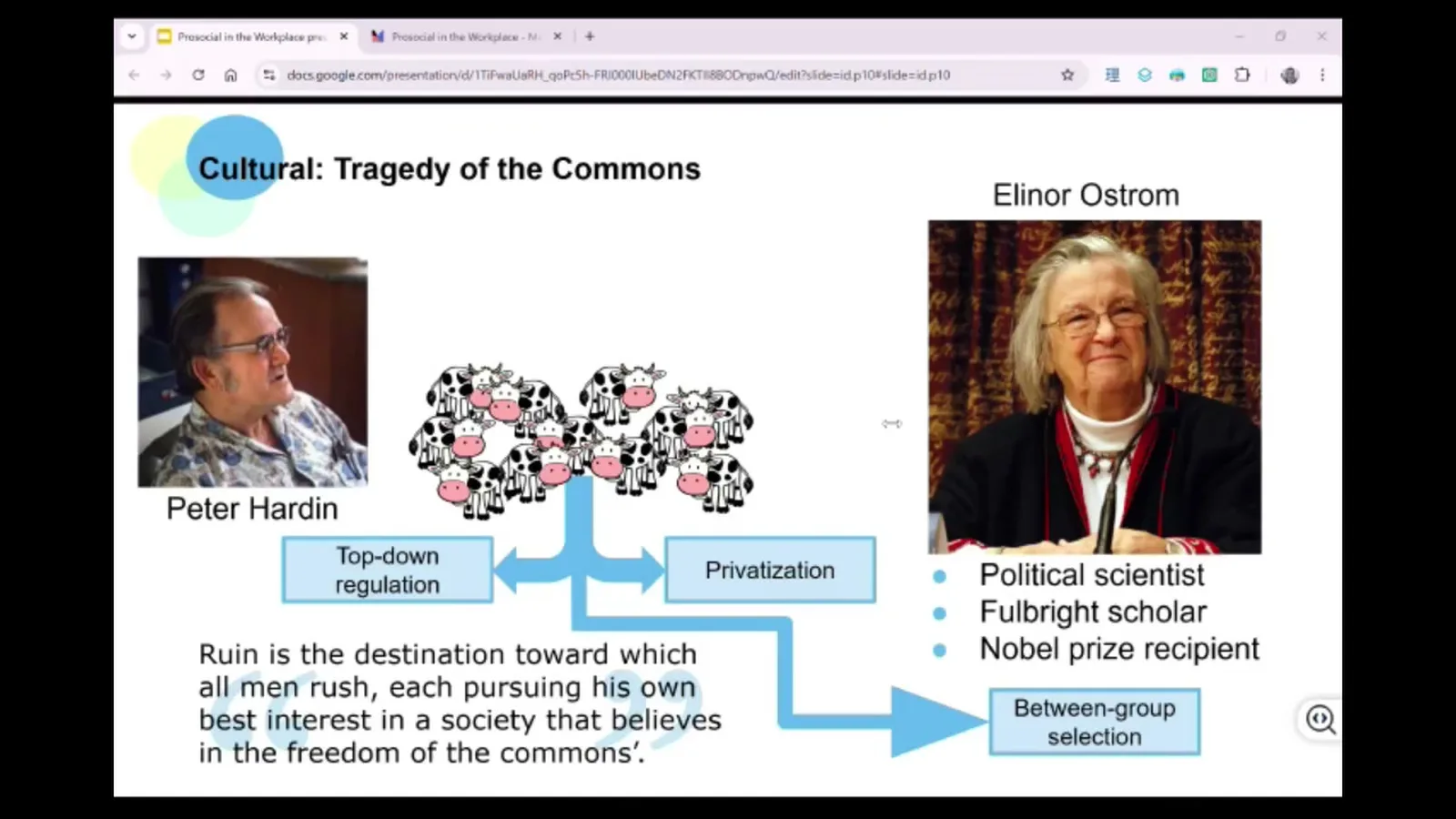
Prosocial in the Workplace
Jason StaufferThe Behaviorist Bookclub
Introduces basic stimulus equivalence (if A=B and A=C, then B=C and C=B) as the entry point for explaining relational frame theory and how humans derive…
- 1 CEU
genArete: To Teach or not to Teach!
Mark MaladyThe Behaviorist Bookclub
Given as an example of a skill with an unanticipated side effect: developing stimulus equivalence can potentiate faulty rule derivation, leading a learner to…

On this page · 8 sections▾
Stimulus equivalence is a kind of learning shortcut. You teach a learner a few links between things. They then figure out more links on their own, without being taught. Those new links are called derived relations.
This is a big deal for teaching. It means a learner can get more than you put in. Teach a word, a picture, and a sound, and new matches can appear for free. For BCBAs, RBTs, teachers, and parents, this concept shows how to teach smarter, not just harder.
What stimulus equivalence is#
The basic idea uses simple letters. Say A stands for a spoken word, B for a picture, and C for a written word. If you teach that A goes with B, and A goes with C, the learner may link B and C on their own.
Jason Stauffer breaks the first piece down in class. Teach one direction, and the learner often gets the reverse for free.
We know if I teach you that A equals B, then what? Well, you also learn that B equals A. From the talk — Jason Stauffer
That reverse link is called symmetry. You did not teach it. The learner derived it. This is the heart of what makes equivalence so useful.
Teach less, get more#
The power of equivalence is efficiency. A few taught links can spin off many more. Stauffer sums up the payoff in one line.
I teach you two. You get four for free. From the talk — Jason Stauffer
Picture teaching a child two relations about a new word. From those two, several more can emerge with no extra teaching. The reverse links appear. The links between the other items appear. This is why equivalence-based teaching can save so much time.
How it connects to language#
Stimulus equivalence is a doorway to bigger ideas. It helps explain how people use symbols and words. It is also the entry point to relational frame theory, a broader account of language and thought. Stauffer uses equivalence to open that door for his group.
The link makes sense. Words work because they stand for things without being those things. A learner who forms equivalence classes can treat a word, a picture, and an object as one meaning. That is close to how human language works every day.
This is why the skill is so valued. A child who can form these classes has a base for reading and meaning. They can match a spoken word to a picture and to text. From there, whole networks of meaning can grow. Equivalence gives language a fast track.
The side effect worth watching#
 Advertisement
More derived links is usually good. But Mark Malady warns it can cut both ways. When a learner starts deriving relations, they may derive wrong ones too. Those faulty links can shape real behavior.
stimulus equivalence potentiates faulty rule derivation and pliance so if we have a learner who doesn't have stimulus equivalents and we actually develop stimulus equivalents all of a sudden we can start to see them doing things like coming up with rules that don't actually match reality and living in correspondence to those rules and sometimes even isolating themselves because of those faulty rules From the talk — Mark Malady, BCBA
This is a smart caution. A skill that lets learners derive links also lets them derive false ones. A child might build a rule that does not match the world. Then they act on it. So teachers should watch what rules a learner forms, not just what facts they learn.
How to use it in teaching#
You can build equivalence on purpose. This is often called equivalence-based instruction. First, pick a small set of items that should belong together. Next, directly teach only a couple of the links. Then test whether the other links emerged on their own.
Keep the set meaningful and age-fit. Check for the derived links with a quick test. If they did not emerge, teach one more link and test again. Along the way, listen for the rules a learner states. Gently correct any that do not match reality.
Why it saves teaching time#
Direct teaching is slow. You teach one thing, then the next, then the next. Equivalence changes the math. A few taught links can unlock many more at no extra cost.
Think of a set of three items that should go together. You might need to teach every pair by hand. Or you can teach just two pairs and test for the rest. When the other links emerge, you have saved real time and effort. That is the practical gift of equivalence for busy clinicians and teachers.
What the research says#
Equivalence-based instruction works with real learners. One study taught three preschoolers with autism to form categories, like community helpers. The team taught only some relations directly, and the rest emerged. A stimulus function then transferred across the whole class (Clayborne, J., Cengher, M., Frampton, R., & Shawler, L. (2024). Stimulus equivalence and transfer of function: Teaching categorization skills to children. Behavioral Interventions, 39(4)).
Researchers still debate how classes truly form. One study tested whether both "select" and "reject" control matter. It found that real equivalence classes depend on both, while select-only control can look like equivalence but is not (Plazas, E. A., & Forigua, J. C. (2025). Select and reject conditional control on matching to sample and stimulus equivalence. Journal of the Experimental Analysis of Behavior, 124(2)).
The concept also links tightly to language theory. A review argues that stimulus equivalence, relational frame theory, and naming theory are stronger together than apart. Each adds to a fuller account of how symbols and language work (Regaço, A., Harte, C., Barnes-Holmes, D., Leslie, J., & de Rose, J. C. (2025). Naming, Stimulus Equivalence and Relational Frame Theory: Stronger Together than Apart. Perspectives on Behavior Science, 48(1), 97-114).
FAQ#
What is stimulus equivalence in simple terms? It is when a learner links things they were never directly taught to link. You teach a few relations. The learner derives the rest. This lets teaching go further with less effort.
What are the parts of an equivalence class? The main derived relations are symmetry and transitivity. Symmetry is the reverse link, so A goes with B means B goes with A. Transitivity ties items through a shared link, so B and C connect through A.
Why does stimulus equivalence matter for teaching? It makes teaching more efficient. A few taught links can spin off many more for free. It also helps explain how children learn language and use symbols in daily life.
For a look at how derived relations play out in skill-selection choices, watch genArete: To Teach or not to Teach! with Mark Malady, BCBA.
 Advertisement
Turn this topic into a CEU
You just studied this. Now get credit for it.
Watch Prosocial in the Workplace with Jason Stauffer and earn 1 free BCBA CEU. Detailed certificate, delivered the moment you finish.
Keep going with a free learning path
Supervision, Done Right
Four supervision CEUs that build on each other. What reflective supervision is, how to build a supervision system, how to assess supervisee competence instead of counting hours, and how supervision affects provider outcomes. The BACB asks supervisors for three supervision CEUs per cycle. This covers it.