Prosocial in the Workplace
Presented by Jason Stauffer
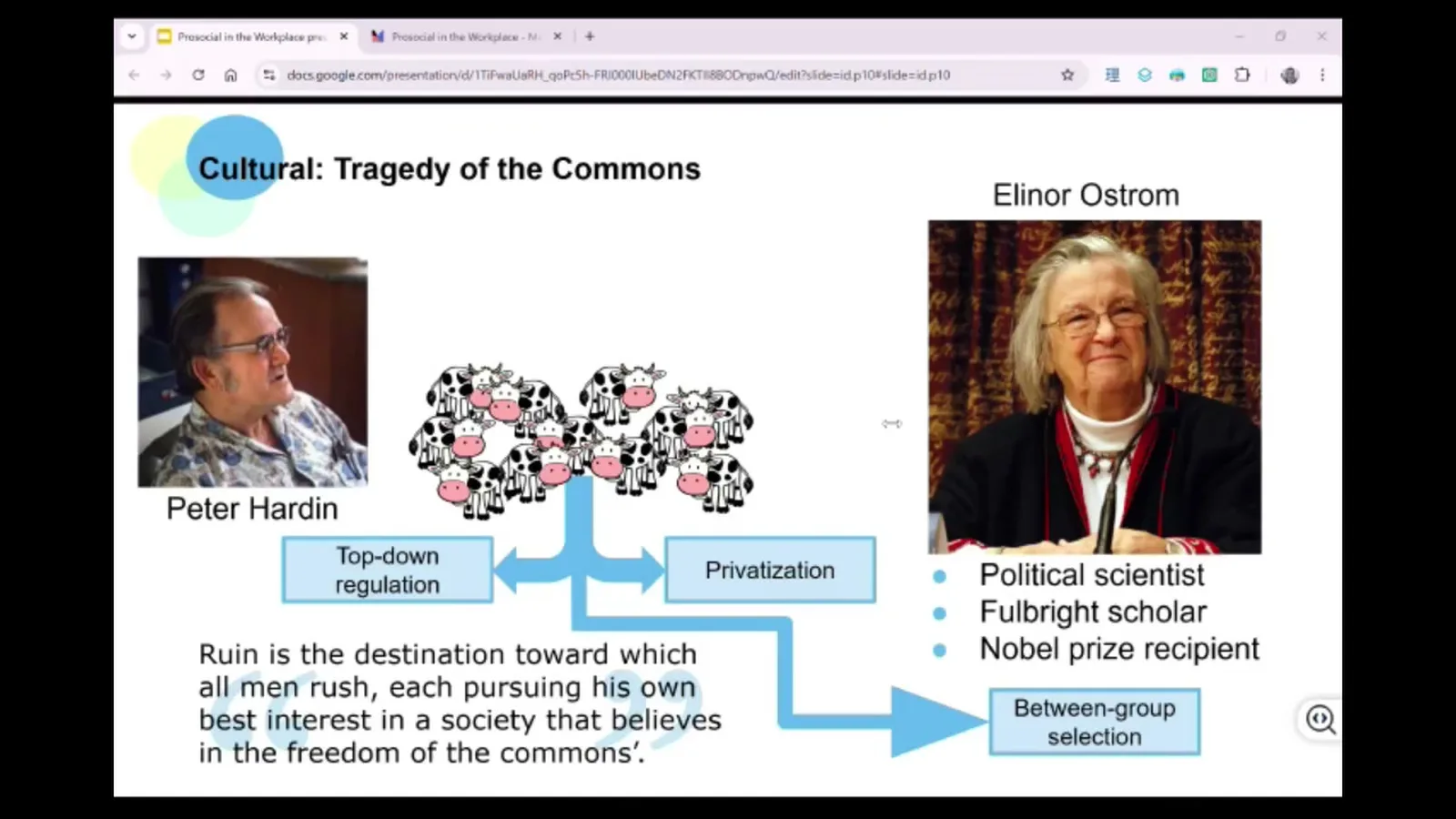
This presentation introduces the Prosocial model, a framework that combines contextual behavioral science, evolutionary theory, and group-level design principles to improve cooperation, inclusion, and effectiveness in workplace and supervisory settings. Using engaging metaphors, historical examples, and foundational behavioral science, the speaker explains why groups fail to collaborate and how intentional design rooted in shared values can shift workplace dynamics. Participants will explore the eight core design principles adapted from Ostrom’s work and learn how ACT and relational frame theory can support behavior change at both individual and group levels. Designed for behavior analysts in supervisory or leadership roles, this session offers a compelling case for reimagining supervision and team dynamics through the lens of psychological flexibility and prosocial behavior.
Register free & watch nowCancel any time. Cert delivered to your inbox the moment you pass the quiz.
About this CEU
This presentation introduces the Prosocial model, a framework that combines contextual behavioral science, evolutionary theory, and group-level design principles to improve cooperation, inclusion, and effectiveness in workplace and supervisory settings. Using engaging metaphors, historical examples, and foundational behavioral science, the speaker explains why groups fail to collaborate and how intentional design rooted in shared values can shift workplace dynamics. Participants will explore the eight core design principles adapted from Ostrom’s work and learn how ACT and relational frame theory can support behavior change at both individual and group levels. Designed for behavior analysts in supervisory or leadership roles, this session offers a compelling case for reimagining supervision and team dynamics through the lens of psychological flexibility and prosocial behavior.
What you'll learn
- 1Learning Objectives
- 2By the end of this session, participants will be able to:
- 3Describe the foundational components of the Prosocial framework, including multilevel selection theory, ACT principles, and the eight core design principles for group cooperation.
- 4Explain how symbolic language processes and relational frames (from RFT) can either support or inhibit effective collaboration within workplace settings.
- 5Identify the impact of within-group versus between-group selection on team dynamics, ethical decision-making, and long-term organizational sustainability.
- 6Recognize common barriers to psychological flexibility in supervision and how narrative-based behavior influences cooperation and conflict.
- 7Assess the role of group identity, autonomy, and shared purpose in structuring ethically sound and self-sustaining teams using the CDP framework.
Concepts in this CEU
More from The Behaviorist Bookclub
Foundations of Reflective Supervision in Behavior Analysis
The Behaviorist Bookclub
Teaching WH-Questions Isn’t Enough: Building True Conditional Discrimination
The Behaviorist Bookclub
Reframing Behavior through an ADHD Lens
The Behaviorist Bookclub
OpenCEU is supported by advertising from third-party sponsors. Sponsors are clearly labeled, have no influence over course content, instructors, or CEU decisions, and never appear on certificates. The BACB does not sponsor, approve, or endorse OpenCEU sponsors or their products.