Rule-Governed Behavior in ABA, Explained Simply
What rule-governed behavior means in ABA, how rules can help or block us, and why some rules stop tracking real results.
Key takeaway
Rule-governed behavior is behavior we do because of a stated rule. The rule can come from someone else or from our own self-talk. This is different from behavior shaped by direct experience.
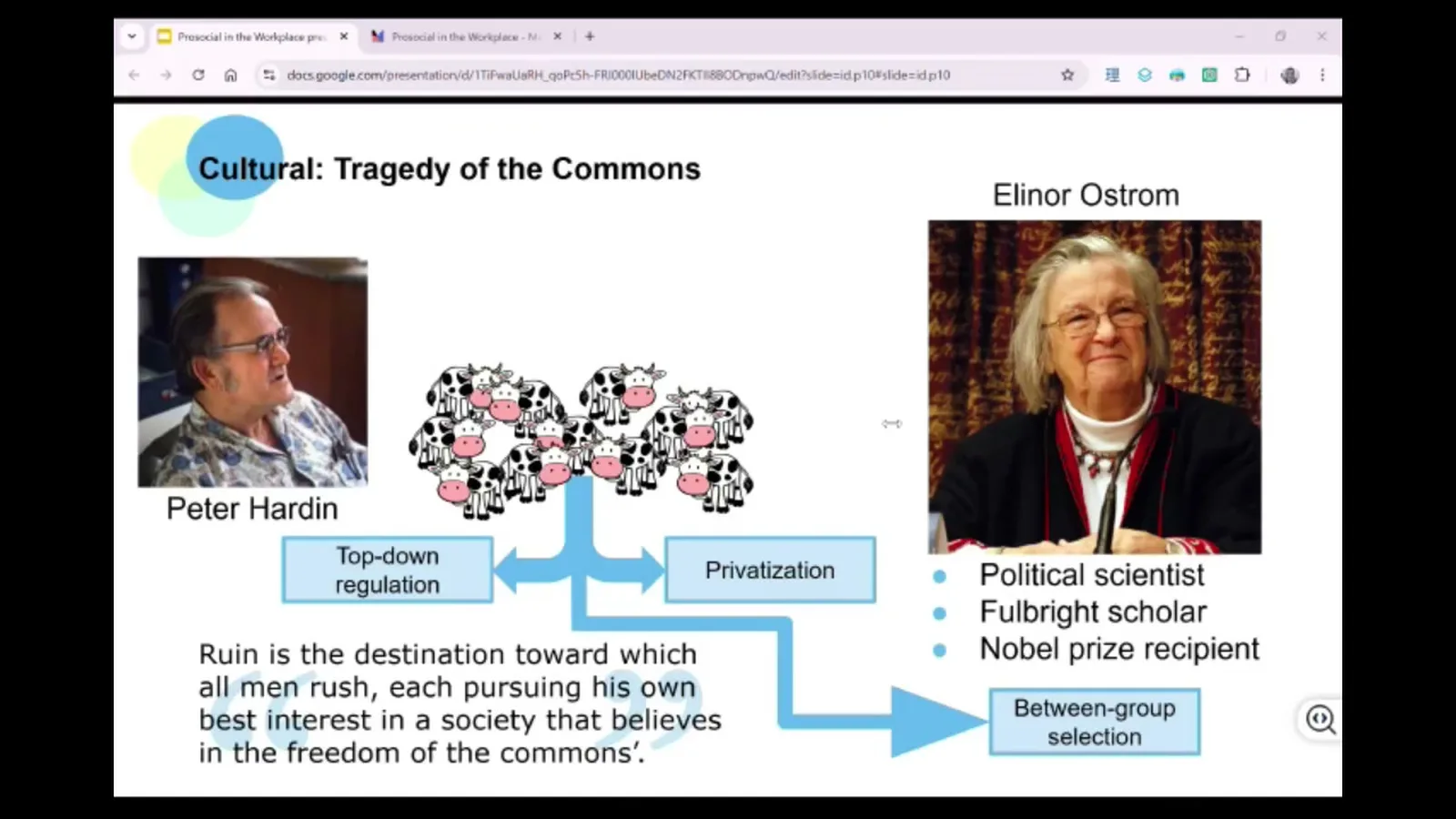
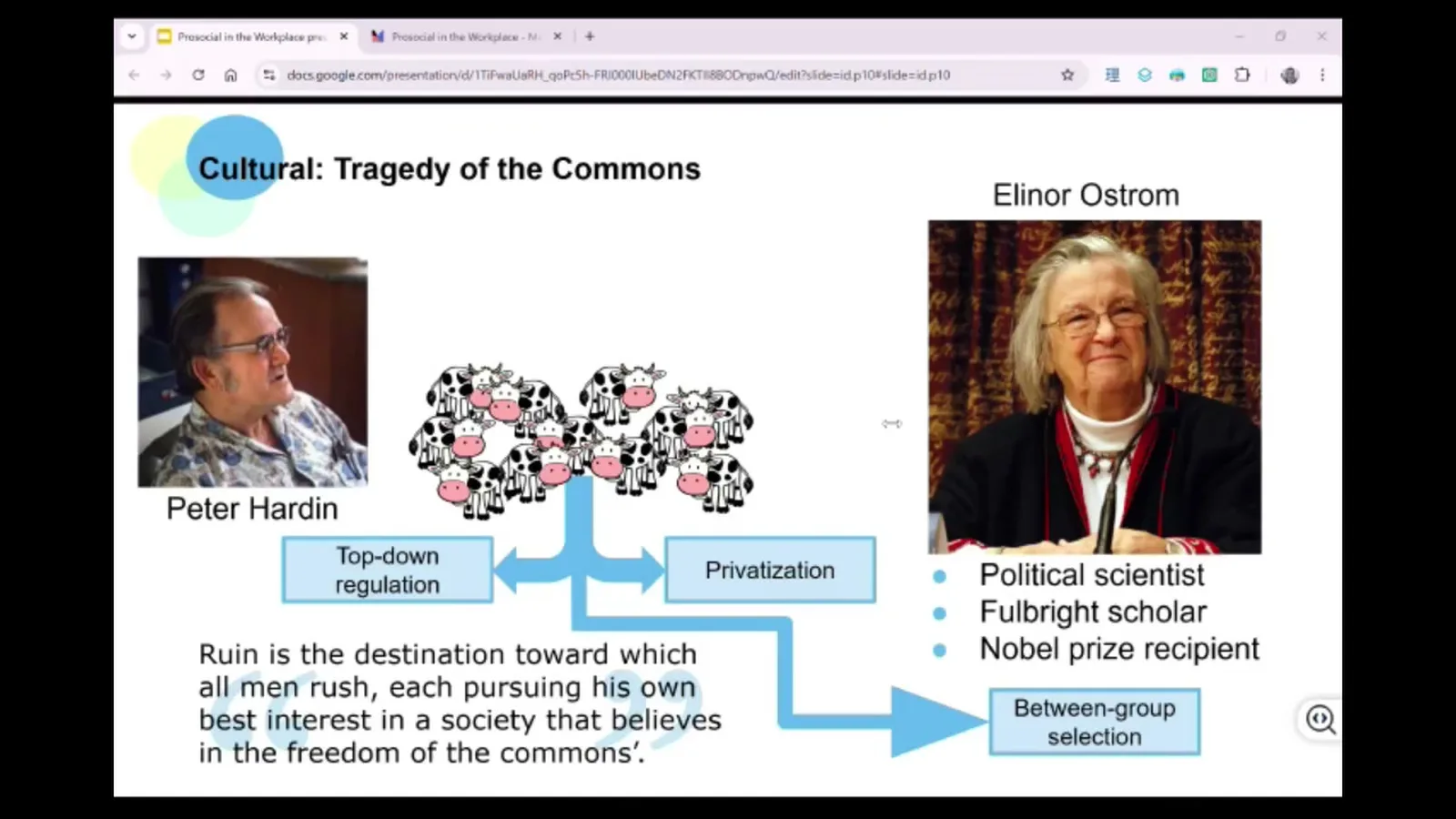
Prosocial in the Workplace
Free learning path on this topic
Supervision, Done Right
Four supervision CEUs that build on each other. What reflective supervision is, how to build a supervision system, how to assess supervisee competence instead of counting hours, and how supervision affects provider outcomes. The BACB asks supervisors for three supervision CEUs per cycle. This covers it.
Experts who cover this
The recording behind this guide covers rule-governed behavior.
- Featured talk1 Supervision CEU
Prosocial in the Workplace
Jason StaufferThe Behaviorist Bookclub
Discusses how rule-following, including 'zombie rules' that no longer serve a purpose, and self-told narratives function as verbal antecedents (verbal SDs)…
On this page · 7 sections▾
Rule-governed behavior is behavior we do because of a stated rule. The rule can come from someone else or from our own self-talk. This is different from behavior shaped by direct experience.
Direct experience teaches slowly, one result at a time. A rule can shortcut that. "Wear a seatbelt so you stay safe" changes what we do without a crash. That power is useful. But rules can also steer us wrong. This page explains how, and why it matters for BCBAs, RBTs, teachers, and parents.
Rules as verbal signals#
A rule works like a signal that tells behavior what to do. In behavior terms, it acts as a verbal antecedent, or a cue that comes before action. Jason Stauffer describes the stories in our heads the same way.
Narratives can be seen as functioning as like verbal SDs. The stories we tell ourselves are like verbal SDs. From the talk — Jason Stauffer
An SD is a cue that sets the stage for a behavior. So a self-told story can trigger action just like a spoken order. "I always mess this up" can shape what a person does next. This is why the words we use with clients carry real weight.
When rules stop helping#
Rules are meant to make life easier and safer. But some rules outlive their purpose. Stauffer calls these zombie rules, and he warns they can get in the way.
Rules can also get in the way. Rules that we follow not because they're efficient or effective, but because someone else cares that we follow it. From the talk — Jason Stauffer
The danger is that following the rule becomes its own reward. People stop checking if the rule still works. Stauffer names this trap clearly.
We can become more driven by doing what's right rather than what works. Just rule following becomes reinforced, not actually the consequences it's producing. From the talk — Jason Stauffer
This shows up in teams and in clients. Someone keeps doing a step no one needs anymore. The step feels correct, so it survives. Good practice means asking if the rule still earns its place.
Being too attached to rules#
 Advertisement
Rules should bend when the situation changes. A rule that fits one setting may fail in another. Helping a person notice this is real clinical work. Tom Sabo frames it as a target in acceptance and commitment training.
what about when kids get overly attached to the rules and need to respond differentially to rules that change from one environment to another? Or to shift the focus of how they respond to rules to meet the contingency demands of new and novel situations that they come across? From the talk — Tom Sabo
The goal is not to drop all rules. It is to follow the right rule at the right time. Sabo calls the flexible version a healthy target.
we talk about rule-constricted behavior as a target of acts so that behavior can come under the control of the relevant rules in their context. From the talk — Tom Sabo
So the skill is flexibility. Notice the setting, then pick the rule that fits it. That keeps behavior tied to real results, not just habit.
Why this matters in practice#
Rule-governed behavior touches almost every part of ABA. We give clients rules all day long. We give ourselves rules too, in our plans and routines.
Strong rules speed up learning and keep people safe. Weak or stale rules slow progress and hide problems. The job is to build rules that track real outcomes. When results change, the rule should change with them.
This also shapes how we teach. A rule that names a clear outcome tends to work better. A vague rule with no payoff tends to fade. Good rules connect the action to something that matters.
Writing rules that work#
If rules shape so much behavior, we should write them with care. A good rule is clear and tied to a real result. A weak rule is vague and leads nowhere.
Name the exact action you want to see. "Clean up" is vague. "Put the blocks in the bin" is clear. The person knows just what to do.
Then connect the action to an outcome that matters. Rules that promise a real payoff tend to stick. Rules with no clear reward tend to fade. The link between action and result is what gives a rule its power.
Also plan to revisit your rules over time. Ask if each one still tracks a real result. Drop the rules that no longer earn their place. This simple check keeps zombie rules from piling up in your practice.
What the research says#
Research shows that rules can control behavior even when direct results do not. In one study, boys followed statements that named a behavior and an outcome. But when the reward became delayed or absent, so-called noncompliant boys stopped following through (from "Delayed outcomes and rule-governed behavior among 'noncompliant' and 'compliant' boys: a replication and extension"). This suggests rules work best when they promise a real result.
The wording of a rule also matters. In a study of preschoolers, rules that set a clear deadline controlled behavior well. Rules with no deadline controlled behavior very little, even when a reward was coming (from "'I'll do it when the snow melts': The effects of deadlines and delayed outcomes on rule-governed behavior in preschool children").
Rules can also make us less sensitive to change. In one experiment, fully instructed college students kept responding the same way even after the payoff rules shifted. Their behavior stayed locked to the old rule (from "Effects of response variability on the sensitivity of rule-governed behavior"). This is the same risk Stauffer names with zombie rules.
FAQ#
What is the difference between rule-governed and contingency-shaped behavior? Contingency-shaped behavior is learned through direct experience with results. Rule-governed behavior is learned from a stated rule instead. Rules let us act correctly before we ever face the real result, but they can also keep us stuck.
Can rules make behavior worse? Yes. A rule that no longer fits the situation can block better choices. People may follow it out of habit rather than results. This is why experts warn about rules we keep for their own sake.
Why do BCBAs care about rule-governed behavior? BCBAs give rules to clients and use rules in their own plans. Knowing how rules control behavior helps them write clearer, more useful ones. It also helps them spot old rules that slow progress.
For a deeper dive on flexible rule-following, see From Research to Practice: Seven Acceptance and Commitment Training Practices You Can Begin Using Today.
 Advertisement
Turn this topic into a CEU
You just studied this. Now get credit for it.
Watch Prosocial in the Workplace with Jason Stauffer and earn 1 free BCBA CEU. Detailed certificate, delivered the moment you finish.
Keep going with a free learning path
Supervision, Done Right
Four supervision CEUs that build on each other. What reflective supervision is, how to build a supervision system, how to assess supervisee competence instead of counting hours, and how supervision affects provider outcomes. The BACB asks supervisors for three supervision CEUs per cycle. This covers it.