Medical Gaslighting in ABA: What It Is and How to Stop It
Medical gaslighting happens when caregivers feel unheard. See why it erodes trust in ABA and how care collaboration prevents it.
Key takeaway
Medical gaslighting is when a caregiver's worry gets brushed aside. They raise the same concern again and again. Still, no one seems to believe them.
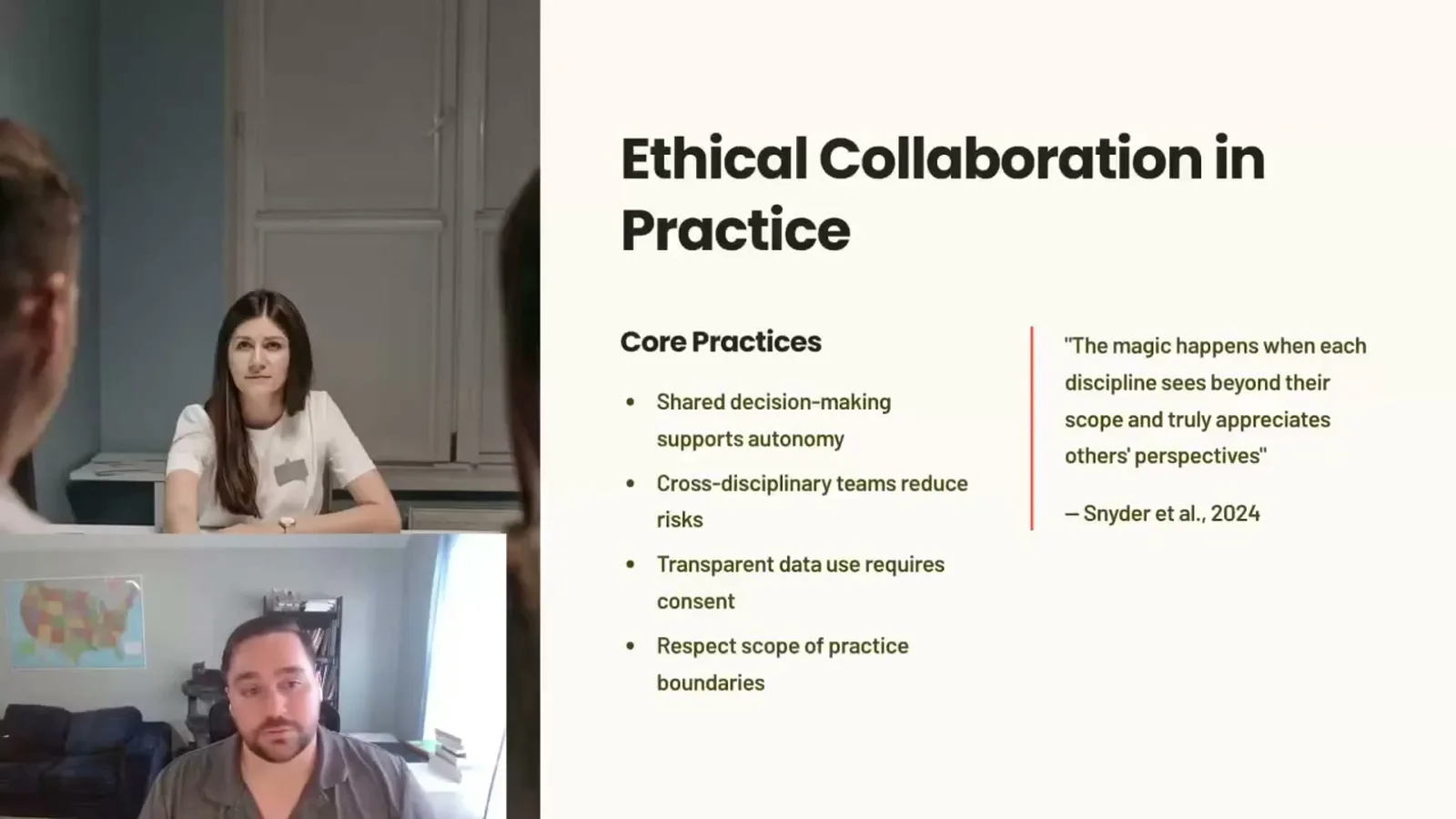
New Year, New Care Collab Goals
Free learning path on this topic
Supervision, Done Right
Four supervision CEUs that build on each other. What reflective supervision is, how to build a supervision system, how to assess supervisee competence instead of counting hours, and how supervision affects provider outcomes. The BACB asks supervisors for three supervision CEUs per cycle. This covers it.
Experts who cover this
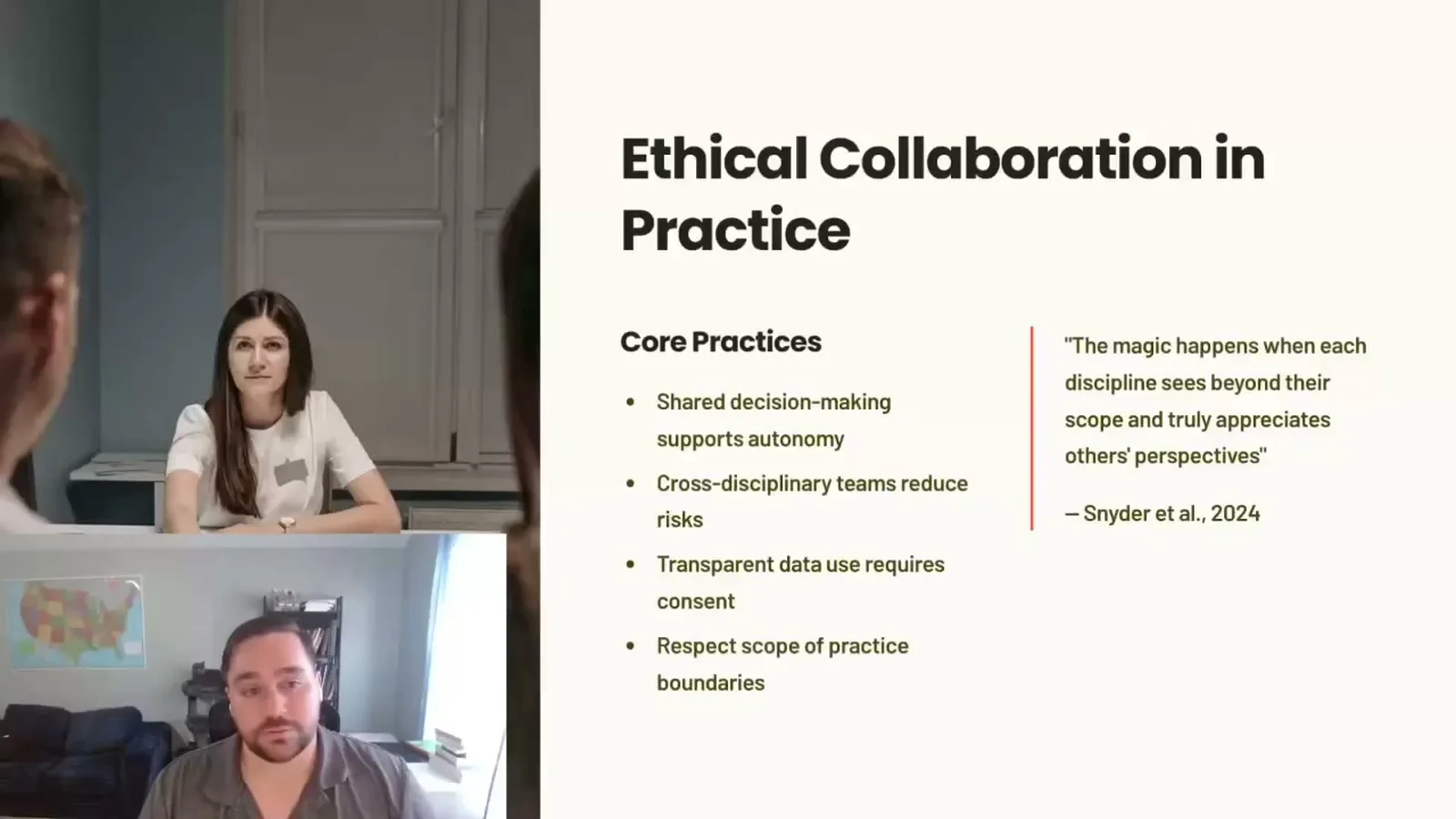
2 recordings on openceu cover medical gaslighting.
- Featured talk1 CEU
New Year, New Care Collab Goals
Matt HarringtonThe Behaviorist Bookclub
Used to explain why removing caregivers from provider-to-provider conversations backfires: caregivers end up repeating themselves so often that they feel…
- 1 CEU
Compliance to Commitment: Seven Habits of the Highly Effective Caregiver Trainer
Matt HarringtonThe Behaviorist Bookclub
Named as a common caregiver experience across pediatricians, ABA therapists, and speech therapists dismissing concerns, which clinicians must account for since…

On this page · 8 sections▾
Medical gaslighting is when a caregiver's worry gets brushed aside. They raise the same concern again and again. Still, no one seems to believe them. Over time they feel unheard and start to give up.
This matters to everyone on a care team. BCBAs, RBTs, teachers, and parents all see it. A gaslit caregiver stops trusting new providers. That distrust can slow down good treatment for a child.
Two ways caregivers get gaslit#
Matt Harrington describes gaslighting as a daily event for many families. A pediatrician may wave off a real concern. They tell the parent to just wait it out. The parent leaves feeling small and unsure.
Many caregivers are gaslit by medical professionals on a daily basis. Whether it be their pediatrician saying something isn't that big of a deal and they just need to wait it out. From the talk — Matt Harrington
This grows worse when many providers are involved at once. A family may juggle a doctor, a speech therapist, and an ABA team. Each one hears the same story and each one shrugs. The pattern repeats until the parent feels dismissed by all of them.
That's what we would call medical gaslighting. And it's incredibly common when a caregiver is dealing with five, 10 different professionals at the same time. From the talk — Matt Harrington
Why cutting caregivers out backfires#
Care collaboration means providers talk to each other about a client. That sounds helpful, and it can be. But Matt warns about one common mistake. Some teams talk provider to provider and leave the caregiver out.
When that happens, the caregiver has to repeat their story over and over. They tell one provider, then another, then a third. Each retelling makes them feel less believed. The very system meant to help ends up causing harm.
You hear about medical gaslighting all the time. A caregiver who feels like they're not being listened to, they say things over and over again and they're not being believed. When we remove them from those care collaboration conversations, it leads to medical gaslighting. From the talk — Matt Harrington
The fix is simple in idea. Keep the caregiver in the room for those talks. Let them hear the plan and add their view. That one step can protect trust.
What being unheard does to a family#
 Advertisement
The harm from gaslighting builds slowly over time. A caregiver starts out ready to advocate for their child. They raise a concern and get waved off. So they raise it again with the next provider. Each time, the answer feels like a dead end.
After enough of this, something shifts inside them. They start to wonder if the problem is really them. They speak up less because it never seems to help. That quiet is not agreement. It is a person who has run out of hope.
This is why the pattern is so costly for a child. A caregiver who gives up is not sharing key information. They may hold back worries that could shape a good plan. The child loses the advocate who knows them best. Restoring that voice is part of good treatment.
The trust problem for new providers#
Gaslighting does not stay in the past. It follows the family to their next provider. A caregiver who felt dismissed before will be wary of you. They may doubt your claims even when you mean well.
This is why a BCBA must plan for it. You are rarely the first professional a family has met. You are often the fifth or the tenth. The ones before you may have chipped away at their trust.
Knowing this changes how you show up. You slow down and you listen first. You treat their history as real, not as complaining. That respect is how you start to rebuild belief.
How to prevent it on your team#
Prevention starts with including the caregiver every time. Do not schedule provider-only meetings about a child's care. Invite the parent and make space for their words. Let them speak before you fill the air.
Watch for the moment a parent repeats themselves. That repeat is a signal they do not feel heard. Pause and reflect back what they said. Show them their message landed with you.
Set a shared goal for the year around this. Care collaboration works best when the family is a partner, not an audience. When caregivers feel believed, they stay engaged. That engagement carries the whole treatment plan forward.
The same trust-first mindset shows up in Compliance to Commitment: Seven Habits of the Highly Effective Caregiver Trainer.
Signs a caregiver feels dismissed#
You can learn to spot gaslighting before it deepens. Watch for a parent who keeps circling back to one worry. That repeat is a bid to finally be heard. Meet it with attention, not a quick brush-off.
Notice when a caregiver goes quiet or stops asking questions. Silence can mean they gave up, not that they agree. A flat tone or a shrug can signal the same thing. These are cues to slow down and reconnect.
Also listen for how they talk about past providers. Stories of being told to just wait can be a clue. They may carry that hurt into their work with you. Naming it gently shows them this time is different.
Building trust back, step by step#
Rebuilding belief takes patience and small, steady actions. Start every meeting by asking for their view first. Reflect their words back so they know you heard them. Only then offer your thoughts or plan.
Follow through on what you say you will do. Trust grows when your actions match your words. Share progress openly, even when it is slow. Over time, these small acts undo old harm.
FAQ#
What is medical gaslighting? It is when a person's health worries get dismissed by professionals. They raise a concern many times and still feel unheard. Over time they doubt themselves and lose trust in care. In ABA, this often happens to caregivers of children in treatment.
How does medical gaslighting affect ABA services? A gaslit caregiver arrives already wary of providers. They may doubt your goals or your progress reports. This makes it harder to build a working alliance. Trust has to be earned back before real teamwork can start.
How can BCBAs avoid gaslighting caregivers? Keep caregivers in care collaboration talks instead of meeting without them. Listen more than you speak and reflect their words back. Notice when a parent repeats a worry, since that means they feel unheard. Treat their history and concerns as real and important.
 Advertisement
Turn this topic into a CEU
You just studied this. Now get credit for it.
Watch New Year, New Care Collab Goals with Matt Harrington and earn 1 free BCBA CEU. Detailed certificate, delivered the moment you finish.
Keep going with a free learning path
Supervision, Done Right
Four supervision CEUs that build on each other. What reflective supervision is, how to build a supervision system, how to assess supervisee competence instead of counting hours, and how supervision affects provider outcomes. The BACB asks supervisors for three supervision CEUs per cycle. This covers it.