Instructional Design for BCBA Trainers
Instructional design is the planned way to build training that changes behavior. See how BCBAs already use its steps to teach staff and parents.
Key takeaway
Instructional design is the planned way to build learning that works. It is how you turn a training into real change. The aim is not just teaching, but new behavior on the job.
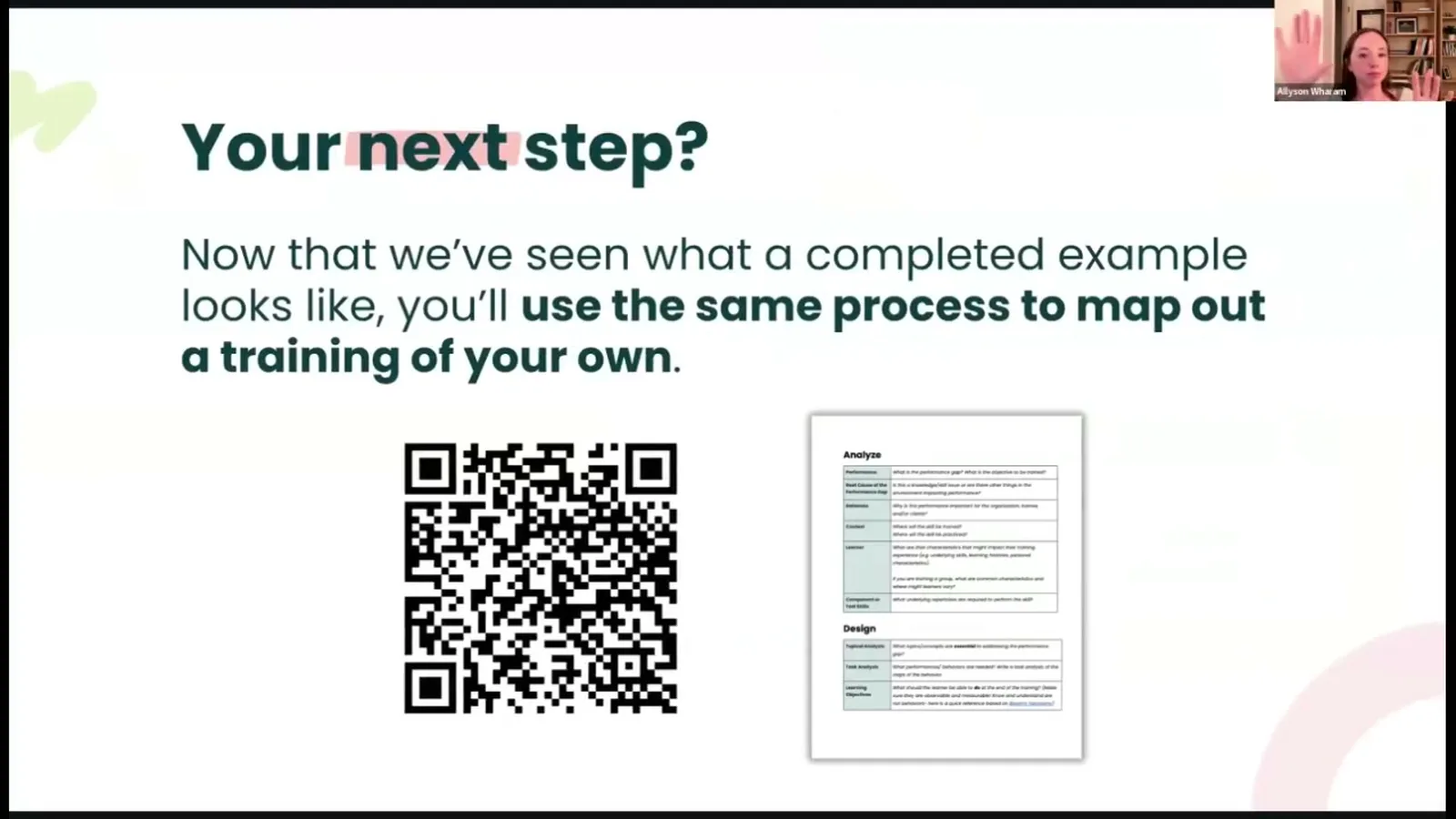
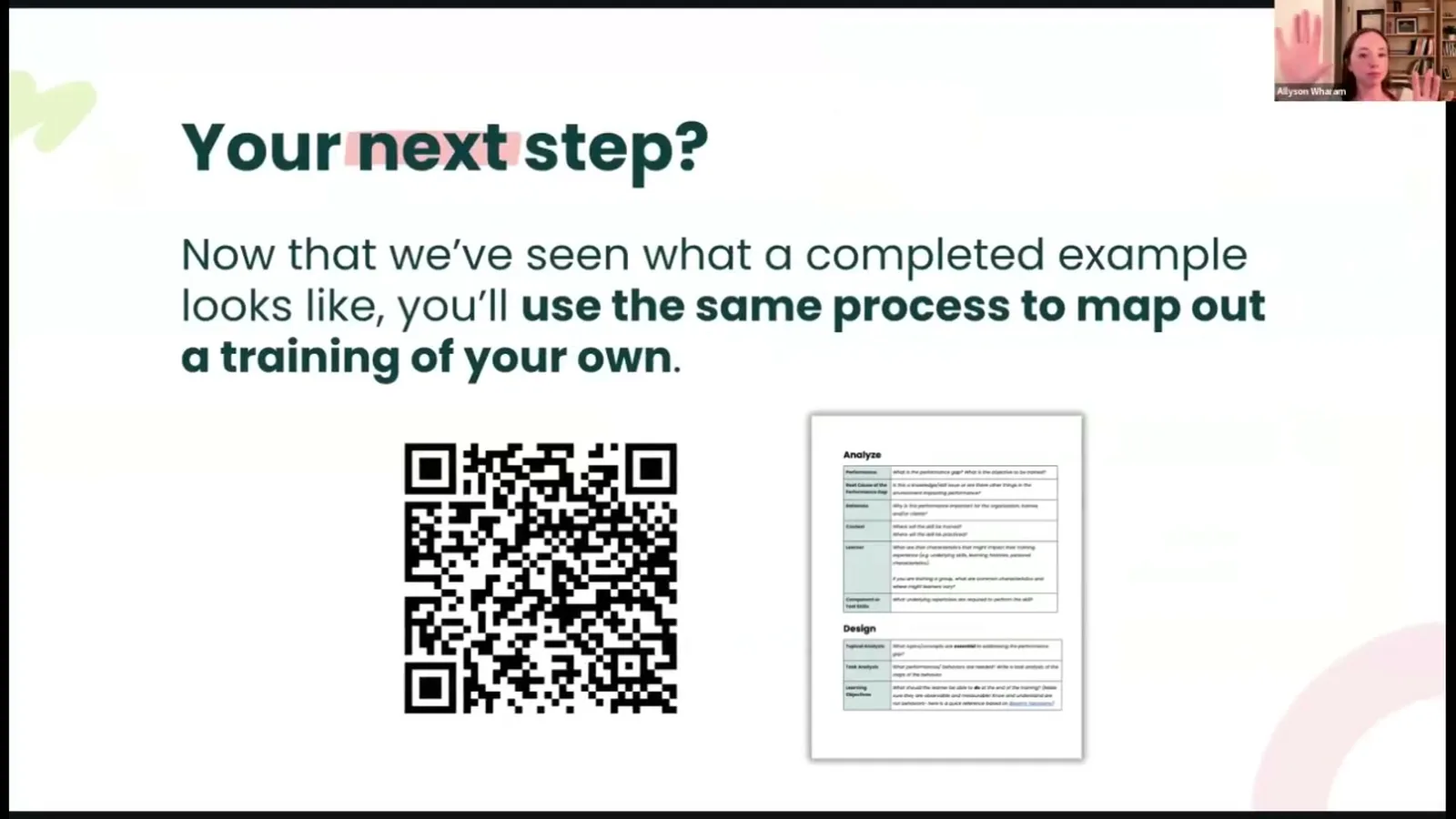
Design Smarter: Using Instructional Design to Improve Staff and Stakeholder Training
Free learning path on this topic
Supervision, Done Right
Four supervision CEUs that build on each other. What reflective supervision is, how to build a supervision system, how to assess supervisee competence instead of counting hours, and how supervision affects provider outcomes. The BACB asks supervisors for three supervision CEUs per cycle. This covers it.
Experts who cover this
The recording behind this guide covers instructional design aba.
- Featured talk1 Supervision CEU
Design Smarter: Using Instructional Design to Improve Staff and Stakeholder Training
AllyThe Behaviorist Bookclub
Defines instructional design as the intentional, systematic process of creating learning experiences that produce actual behavior change, positions it as a…
On this page · 8 sections▾
Instructional design is the planned way to build learning that works. It is how you turn a training into real change. The aim is not just teaching, but new behavior on the job.
BCBAs train staff, parents, and clients every week. Most were never taught how to design that training well. This page shows why instructional design fits our field so naturally.
A clear definition#
Ally gives a plain, useful definition. Instructional design is not random slides or a quick chat. It is a careful, step-by-step process with a clear goal.
Instructional design is the intentional systematic process of creating learning experiences that actually lead to behavior change. From the talk — Ally
Notice the last part. The goal is behavior change, not just new facts. If the learner does nothing new, the training failed.
The steps behind good training#
Good training follows a set of steps. You do not just show up and talk. Ally lists the full cycle from start to finish.
This includes analyzing the learner needs, actually designing that instruction ahead of time, developing the materials that go along with that instruction, implementing that training, and then the most important piece is getting that feedback, evaluating and making changes. From the talk — Ally
This cycle is often called ADDIE. It stands for Analyze, Design, Develop, Implement, and Evaluate. Each step builds on the one before it.
The most important step is feedback#
Ally calls out one step as the biggest. It is the part many trainers skip. You have to check if the training actually worked.
Feedback and evaluation close the loop. You watch what learners do after the training. Then you fix the parts that fell flat. Without this step, you never really improve.
Many teams stop right after the training ends. They assume the job is done once the talk is over. But the real proof comes later, on the job. Checking that proof is what separates good design from a wasted hour.
It fits with what BCBAs already know#
 Advertisement
Instructional design is not a whole new field for us. Ally ties it to organizational behavior management, the science of workplace behavior. She calls it a close cousin of that work.
Instructional design really is a subspecialty within OBM, especially as we're thinking about it for adult learning, tailoring content. From the talk — Ally
BCBAs already break skills into steps. They already use data and feedback. Instructional design just points those same skills at adult learners.
You measure behavior every day with your clients. You can measure staff behavior the same way. You set clear goals, then check if people reach them. That mindset is the core of good design. Ally walks through the whole process in Design Smarter: Using Instructional Design to Improve Staff and Stakeholder Training.
Adult learners bring their own history and habits. They already have jobs, skills, and opinions. Good design respects that starting point. You tailor the content to what they already know.
Ally calls this tailoring a core part of the work. You do not dump the same slides on every group. You shape the training to the real learner in the room. That is why she ties instructional design to adult learning.
The same rule applies to parents you train. A parent knows their child better than anyone. Strong design builds on that knowledge instead of ignoring it.
Start small with your next training#
You do not need a big project to begin. Pick one training you already run often. Then walk it through the five steps on purpose.
First, ask what the learner truly needs. Next, plan the training before you build a single slide. Develop clear materials, then deliver the session. Last, check what changed and fix the weak spots. One careful pass will teach you a lot.
Poor training wastes time and money. Staff leave confused and clients feel it. Strong training sticks and spreads. It makes your whole team better at their jobs.
Design for behavior change, not just knowing#
It is easy to confuse knowing with doing. A staff member can pass a quiz and still struggle in the room. Instructional design keeps the focus on the doing. The real test is what happens on the job.
This is why the analysis step comes first. You have to know what the learner needs to do. Then you build the training around that exact skill. You are not just filling heads with facts.
Materials should give people a chance to practice. A slide alone rarely changes behavior. Role-play, feedback, and real tasks work better. The more the training looks like the job, the more it transfers.
Evaluation then tells you if it worked. You watch the staff member perform the skill for real. If they struggle, you fix the training and try again. This loop is what turns a talk into lasting change.
What the research says#
Behavior analysts are starting to borrow these tools on purpose. One paper applied the ADDIE model to full ABA programs. It gave a clear, repeatable process for building comprehensive treatment (LaMarca & LaMarca, 2024, Behavior Analysis in Practice). This shows the model fits clinical work, not just classrooms.
Other work pushes for stronger teaching methods. One article laid out ten instructional design efforts drawn from Direct Instruction. The author argues these methods build broad, generative skills in an efficient way (Spencer, 2021, Behavior Analysis in Practice). Good design does more with less teaching time.
Design also shapes how we train at a distance. One report showed how to build responsive, self-paced lessons in common software. It used programmed instruction ideas to keep learners active (Mittelman, 2022, Behavior Analysis in Practice). The medium can change while the design principles stay the same.
FAQ#
What is instructional design in ABA? It is the planned process of building training that changes behavior. It covers analyzing needs, designing, developing, delivering, and evaluating. The focus is on what learners do after, not just what they hear.
What is the ADDIE model? ADDIE is a five-step design cycle. The steps are Analyze, Design, Develop, Implement, and Evaluate. Each step guides the next so training stays organized and useful.
Why should BCBAs learn instructional design? BCBAs train staff, parents, and clients often. Instructional design makes that training more likely to work. It uses skills you already have, like data, feedback, and task breakdown. It just aims them at helping adults learn.
 Advertisement
Turn this topic into a CEU
You just studied this. Now get credit for it.
Watch Design Smarter: Using Instructional Design to Improve Staff and Stakeholder Training with Ally and earn 1 free BCBA CEU. Detailed certificate, delivered the moment you finish.
Keep going with a free learning path
Supervision, Done Right
Four supervision CEUs that build on each other. What reflective supervision is, how to build a supervision system, how to assess supervisee competence instead of counting hours, and how supervision affects provider outcomes. The BACB asks supervisors for three supervision CEUs per cycle. This covers it.