Why Compassionate BCBAs Burn Out Faster (and What Stops It)
Compassion without supervisor support predicts BCBA burnout. With support, it predicts retention. Research breakdown from a BCBA-led CEU.
Key takeaway
Austin and Fisk 2023 ran the numbers on BCBA (Board Certified Behavior Analyst, the clinician who designs and supervises ABA plans) burnout and found something most clinic owners get backwards: compassion is not what saves your best BCBAs, and on its own it can speed up the slide.
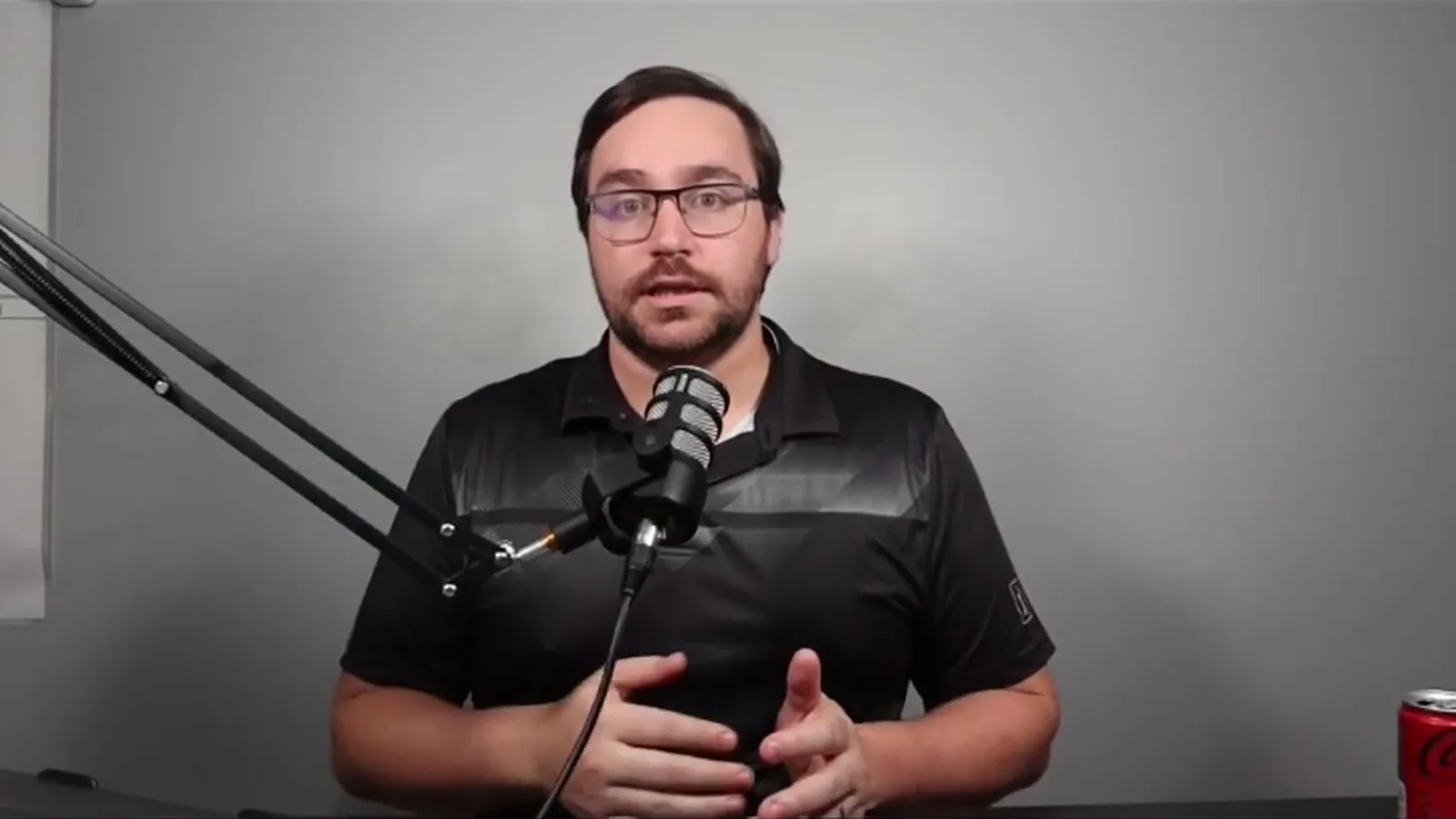
Supervision Articles Deep Dive
Free learning path on this topic
Supervision, Done Right
Four supervision CEUs that build on each other. What reflective supervision is, how to build a supervision system, how to assess supervisee competence instead of counting hours, and how supervision affects provider outcomes. The BACB asks supervisors for three supervision CEUs per cycle. This covers it.
On this page · 8 sections▾
Austin and Fisk 2023 ran the numbers on BCBA (Board Certified Behavior Analyst, the clinician who designs and supervises ABA plans) burnout and found something most clinic owners get backwards: compassion is not what saves your best BCBAs, and on its own it can speed up the slide. The study tracked compassion as a mediator of burnout, and the finding turns on supervisor support. Compassion without supervisor support predicted burnout. Compassion with supervisor support predicted retention. The other twist is in the word "support" itself. Provided support and perceived support are not the same thing. A clinic can build a whole support stack that the BCBA never feels.
That gap is the whole page. If you supervise BCBAs or run the clinic that pays them, this is the loop you want to understand before you lose another one.
BCBAs are more burned out than RBTs (and why that surprises everyone)#
Most owners assume the burnout problem lives at the RBT level. RBTs (Registered Behavior Technicians, the staff running plans hour by hour) have the hard physical days. They get bitten, kicked, and screamed at. The intuition is that they break first. Austin and Fisk found the opposite.
BCBAs showed significantly higher burnout rates than technicians and classroom assistants. This was a big surprise for me. I did not expect BCBAs to be more burnt out than RBTs. I predicted 20 to 25% of BCBAs. But the relation is actually different. More BCBAs than RBTs are burnt out. From the talk — Matt Harrington
The lived reason is caseload math. An RBT is on one client at a time. A BCBA is on every client, every caregiver, and every RBT, all week. The cost of switching between them is invisible on a timesheet and brutal on a nervous system.
The clinical implication is small but important. When you screen for burnout in your clinic, do not start at the floor and move up. Start with your BCBAs. They are the more likely fire.
The compassion paradox: caring more makes burnout worse, unless support shows up#
Compassion is the trait we hire for. Job posts ask for it. Supervisors praise it. Most BCBAs are proud of it. Austin and Fisk did not argue with that. They asked whether compassion alone protects you. The honest answer is no.
When supervision support was present, their hypothesis was right. Burnout was mediated. What that means is that when there was high compassion, burnout was tougher to get a hold on. Compassion led, more compassion without supervisor support led to burnout. Compassion with supervisor support actually led to the opposite. Retention and staff staying and serving their clients for longer. From the talk — Matt Harrington
Read that twice. Compassion plus support is the retention engine. Compassion alone is the burnout engine. The BCBA who cares the most about her kids is also the one who will quit the soonest if the system above her is silent.
This is the line most owners miss. If you are losing your most compassionate BCBAs, the fix is not telling them to care less. The fix is making sure their supervisor shows up in a way they can feel.
The Austin and Fisk 2023 model in one sentence#
If you only remember one sentence from this paper, make it this one. Compassion is a mediator, and supervisor support is the moderator that decides which way the arrow points.
In plain English, compassion is the path the burnout (or the staying) travels down. Supervisor support is the switch at the start of that path. Flip the switch on, and compassion routes to longer tenure, better care, and steadier BCBAs. Flip it off, and the same compassion routes straight to exhaustion and exits.
The model is also helpful because it gives owners a clean question to ask themselves at end of month. Not "do our BCBAs care?" but "do our BCBAs feel supported by the person above them?" Those are very different questions, and only one of them maps to retention.
Why "provided support" and "perceived support" are not the same thing#
This is the sharpest distinction in the talk and the easiest one to get wrong on the org chart. You can write a support system on a whiteboard. You can spend money on it. None of that counts if the BCBA does not feel it land.
Support must be perceived. It's not about the support that's being provided. It's about the support that's being received. The system itself is buggy, slow, and it doesn't serve what the BCBA actually needs. That support that's being given is not support that's being received. It's an aversive that's being received. From the talk — Matt Harrington
Some quick tells that your provided support is not getting received as support:
- The BCBA opens a "support ticket" or fills a form, then waits three days for a reply that does not answer the question.
- The "open door" supervisor only has the door open between 2 and 3 PM, which is when the BCBA is in a parent meeting.
- Office hours run on Zoom in a group, and the BCBA's actual question is too personal to ask in front of seven peers.
- The reporting tool is slow, the laptop is old, and asking for help takes more steps than just figuring it out alone.
If any of those land for you, the system is not neutral. It is aversive. The BCBA learns that asking is more costly than coping. That is how compassion turns into burnout under your roof while you swear you have support in place.
Three supervisor moves that turn compassion into retention instead of burnout#
These are not a culture overhaul. They are three moves your supervisors can run this month.
1. Pre-book the support, do not wait for the ask. Burnout-prone BCBAs almost never raise a hand. They cope. The fix is a recurring 30-minute one-on-one with their direct supervisor, on the calendar, that does not get canceled. The agenda is open. The point is that the support is on the schedule, not on the BCBA's nerve to ask.
2. Name the caseload math out loud. A BCBA carrying a felt sense of giving 100% to every family is not going to bring it up. The supervisor should. Something like, "You have ten families. Each one feels like the whole thing to them. That is a real load. How are we splitting your attention this month?" Naming it lowers the shame and opens a real conversation about where to pull back.
The context switching that you have to do from client to client. It's not just Jim and John. It's Jim, John, Jane, Joseph, and Jeremiah. But they are only 10% of your caseload. So it almost feels like a BCBA has to give 100% 20 different times to really be successful. From the talk — Matt Harrington
3. Take one thing off the plate every week. A real support move ends with the BCBA's list being shorter than it was before the meeting. If the meeting ends with more action items for the BCBA, that meeting was not support. That meeting was a status report. Real support is when the supervisor walks away with the harder follow-up.
These three together flip the Austin and Fisk model in the direction you want. Compassion stays high. Support gets felt. The BCBA stays.
What clinic owners should track if they want to keep their compassionate BCBAs#
Most BCBA exit data is collected too late to be useful. The BCBA already has the new offer. The exit interview is polite. The real signals are upstream, and they can be tracked in a simple monthly review.
Owners who want to act on Austin and Fisk should track four things:
- One-on-one cadence, by BCBA, every month. Missed or rescheduled supervisor one-on-ones are the loudest early signal in the building. Two skips in a row is a yellow flag. Three is red.
- Felt-support pulse, one question, every two weeks. "On a 1 to 5, how supported by your supervisor did you feel this week?" Anonymous is fine. The point is the trend, not any single number.
- Caseload concentration, not just headcount. Ten clients with five new BIPs (Behavior Intervention Plans, the written plans that guide a client's services) inside the last month is not the same as ten clients on cruise control. Track the active write-load.
- Reasons for last three departures. Not the polite ones. The honest ones. If "did not feel supported" shows up twice, it is not a person problem. It is a system problem.
You do not need an HR platform for any of this. A weekly five-minute review in a doc is enough. The point is to act before the resignation lands.
Frequently asked questions#
Is compassion fatigue the same as burnout in BCBAs?
Close, but not the same. Burnout is broad. It is the chronic mismatch between what you give and what you get back, across the whole job. Compassion fatigue is narrower. It is the emotional cost of caring for clients with high suffering, especially over time. A BCBA can have one, the other, or both at once. The supervision moves in this page (pre-booked one-on-ones, naming caseload math, taking work off the plate) help with both. Compassion fatigue often needs one more layer, which is direct talk about the specific cases that are weighing on them and a real referral path to mental health support.
Can a supervisor screen for burnout risk during fieldwork supervision?
Yes, and the screen does not need to be a clinical tool. A two-question check-in at the end of every fieldwork meeting works. "What part of your week felt most over your head?" and "Where did you wish I had shown up sooner?" Write the answers down. If you see "over my head" answers stack for three weeks in a row, the supervisor side needs to change before the BCBA in training does.
What does perceived supervisor support look like in a remote ABA team?
The medium changes. The principle does not. Perceived support on a remote team is the supervisor texting back within an hour during work hours, leaving short voice notes that name what the BCBA did well, and joining a parent training over Zoom on a hard case. It is also the supervisor protecting the BCBA's evenings. If you reply to BCBA emails at 10 PM and they reply at 10:04, you are training a habit that ends in resignation. Use scheduled send.
Keep going#
If you want the full breakdown of the Austin and Fisk model with the live discussion, watch the recording.
Then pick one move from this page and run it for two weeks. Pre-booking the one-on-one is the highest-leverage place to start.
Turn this topic into a CEU
You just studied this. Now get credit for it.
Watch Supervision Articles Deep Dive with Matt Harrington and earn 3.5 free BCBA CEUs. Detailed certificate, delivered the moment you finish.
Keep going with a free learning path
Supervision, Done Right
Four supervision CEUs that build on each other. What reflective supervision is, how to build a supervision system, how to assess supervisee competence instead of counting hours, and how supervision affects provider outcomes. The BACB asks supervisors for three supervision CEUs per cycle. This covers it.