How Much BCBA Supervision Is Actually Enough After You Pass?
Half of new BCBAs get under an hour of supervision a week. 98% want more. Here is what the research says, from a BCBA-led CEU.
Key takeaway
Brown 2023 is the number every clinic owner and new BCBA (Board Certified Behavior Analyst, the credential most ABA clinicians hold) should know: half of newly certified BCBAs still get supervision after they pass, but half of those get less than one hour a week, and 98% say they want more.
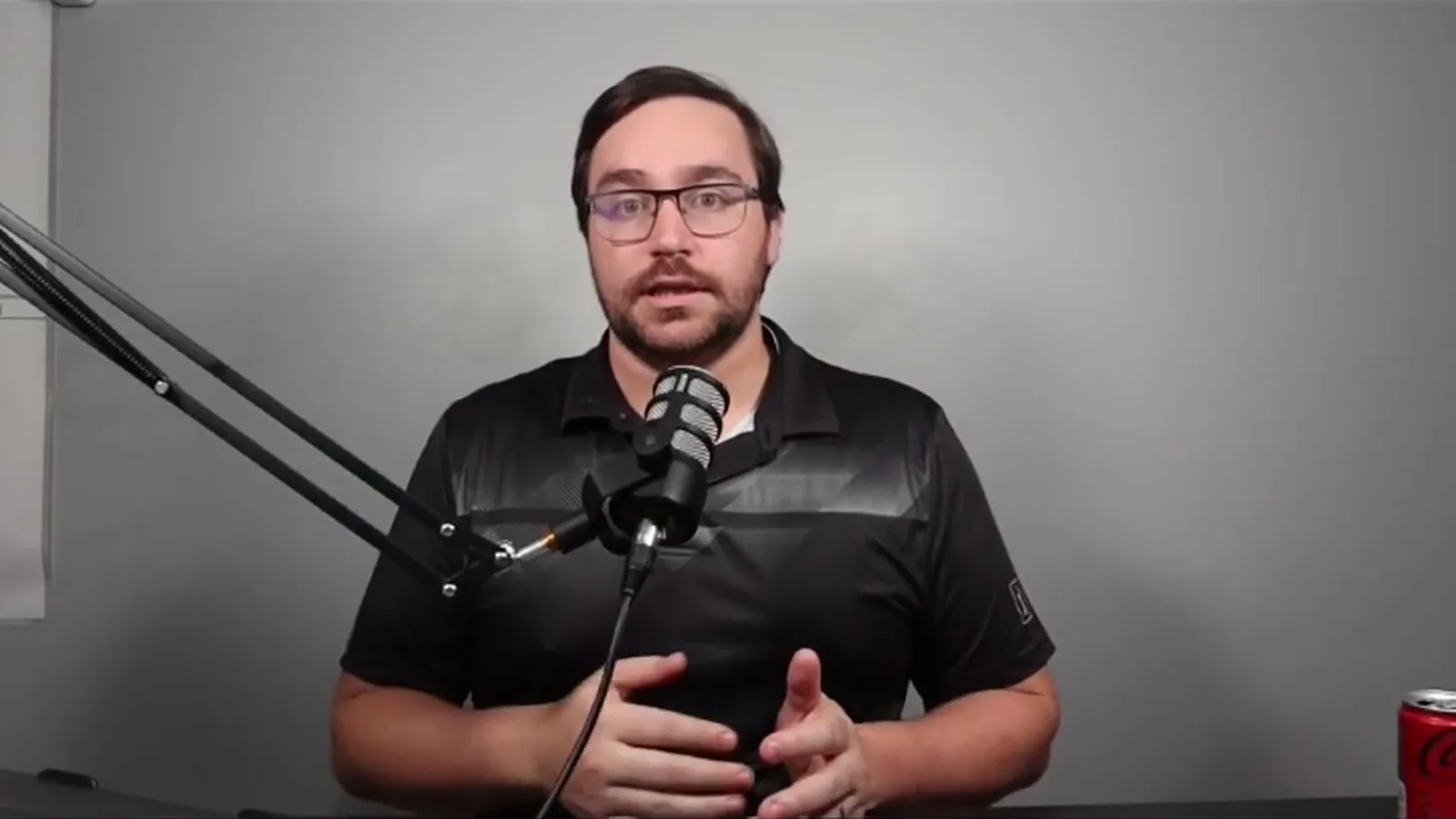
Supervision Articles Deep Dive
Free learning path on this topic
Supervision, Done Right
Four supervision CEUs that build on each other. What reflective supervision is, how to build a supervision system, how to assess supervisee competence instead of counting hours, and how supervision affects provider outcomes. The BACB asks supervisors for three supervision CEUs per cycle. This covers it.
On this page · 8 sections▾
Brown 2023 is the number every clinic owner and new BCBA (Board Certified Behavior Analyst, the credential most ABA clinicians hold) should know: half of newly certified BCBAs still get supervision after they pass, but half of those get less than one hour a week, and 98% say they want more. The cleanest reading of the data is not that BCBAs are coddled. It is that the field hands people a credential and then walks away. 76% of newly certified BCBAs would support a mandatory one-year post-certification supervision requirement, which is the opposite of what most leaders assume.
This page covers what the dosage research actually says, the 30-minute weekly floor that holds up in real clinics, why a one-year post-cert mandate has more support than people think, and a simple contract you can put in place this week without waiting on the BACB (Behavior Analyst Certification Board, the body that runs the BCBA exam).
The Brown 2023 numbers: 50%, 1 hour, 98%#
Brown and colleagues surveyed new BCBAs about what supervision looked like after they passed the exam. Three numbers do the heavy lifting.
First, 50% of new BCBAs still get supervision of some kind. That sounds fine on the surface. It is better than zero. But the second number cuts that in half. Of the people still getting supervision, 50% get less than one hour a week. Less than one hour a week is not a supervision practice. It is a check-in.
The third number is the one that should change how owners staff their clinics. 70% of those supervisors have less than five years of experience themselves. So the half of new BCBAs who do get supervision are mostly being supervised by people who were in the same chair eighteen months ago.
So 50% of the first year BCBAs or the new BCBAs still received at least some supervision. However, 50% of them received supervision less than one hour a week, and 70% were supervised with BCBAs with less than five years of experience. From the talk — Matt Harrington
Stack those three together and you can see the shape of the gap. New BCBAs are either getting nothing, getting very little, or getting it from someone almost as new as they are. None of those are training conditions. They are sink-or-swim conditions.
What new BCBAs actually want (it is not what you think)#
The most quoted Brown 2023 stat is the one that sticks in the back of every owner's head: 98% of supervisees want more supervision. Not 60%. Not 80%. 98%. Almost everyone in the early career window is saying the same thing.
The list of what they want is more interesting than the headline. It is not just "more clinical feedback." It is a wider slice of the job:
- Soft skills (how to have hard conversations with families, RBTs, and insurance companies).
- Supervision skills (how to actually supervise the techs you now own as a BCBA).
- Business and insurance information (how billing, auths, and reauths really work).
- DEI topics (how to read culture, family dynamics, and bias in goal selection).
- Data and graphing support (the part of grad school that fades fastest in the field).
That list tells you the credential mostly covers the clinical core and leaves the rest as homework. Most new BCBAs are doing that homework alone, on the clock, while running a caseload.
The business and insurance ask is the surprise. 50% of new BCBAs want help with billing and authorization realities. That is not a bonus topic. It is the layer that decides whether they can keep practicing. Owners who ignore it are losing people for reasons that have nothing to do with clinical skill.
Why 30 minutes a week of post-cert supervision is the real floor#
The honest field number is 30 minutes a week. Not 60. Not 45. Thirty.
But it was a big drain on resources. It was tough for them to have the time, and it was especially tough for me to be managing a caseload while doing that at the same time. I think that 30 minutes is a little bit more realistic. From the talk — Matt Harrington
The reason 30 minutes works as a floor is that it survives a normal week. A BCBA with a full caseload can protect 30 minutes per supervisee almost every week. They cannot protect 60. So 60 stays on paper, slips to 45, slides to 20, gets canceled for an intake, and quietly becomes nothing.
30 minutes also forces an agenda. There is no time to drift. The format that holds up under that constraint:
- 5 minutes on what came up since last week (cases, RBTs, parents).
- 15 minutes on one specific clinical or systems question the supervisee brought.
- 5 minutes on one piece of feedback from the supervisor.
- 5 minutes to write down two action items for next week.
That is a real practice. It is small enough to keep. It hits the four things the Brown survey said new BCBAs wanted most. And it sets the expectation that supervision after the exam is normal, not remedial.
The case for a 1-year post-certification supervision requirement#
The most counterintuitive Brown finding is that 76% of new BCBAs would support a mandatory one-year post-certification supervision requirement. Most owners and supervisors assume that any new hour-rule would land like a tax. The data says the opposite.
76% support a one year post certification supervision requirement. This I thought was fascinating, because I always assumed that any additional certification supervision requirement would be met with an intense unsatisfaction. Like I thought that they would absolutely despise that. But the reality is that they need support. From the talk — Matt Harrington
The way to read that 76% is not "newly certified BCBAs love extra rules." It is "they want the cover that a rule provides." If your clinic does not have a post-cert supervision practice, the new BCBA cannot ask for one without sounding like they are admitting they are not ready. A field-wide requirement removes that signal cost. Everyone is in supervision because everyone is in supervision.
The other half of the case is retention. 70% of new BCBAs say ongoing supervision helps prevent burnout, and that effect is strongest in the first year post-certification. The version of this you see in Facebook groups, on Reddit, and in DMs is harder to read than the chart.
I just passed my exam, I've been certified for three months, and I hate my career, I hate my life, I want to quit. You spend so much time working for it, and then you don't have the support. From the talk — Matt Harrington
If the BACB ever moves on this, it will quote stats like these. Owners who get ahead of the rule will not lose a year of staff to the gap.
What ABA can borrow from medical residency and mental health licensure#
ABA is one of the only behavioral health credentials that ends supervision the day the exam is passed. That is the comparison most new BCBAs make when they see the dosage data, and it is fair.
Medical residency runs for three to seven years after the MD. Every step is supervised. The point is not that new doctors cannot practice. It is that practicing in a structured supervised setting is how skill builds without harming patients.
Mental health licensure (LCSW, LPC, LMFT, psychology) usually requires one to two years of post-graduate supervised hours before independent practice. The supervisor signs off. The hours are logged. The state knows the person was watched while they were learning the parts of the job that school does not teach.
ABA's model is closer to a driver's license than to a clinical credential. Pass the test, drive away. The Brown data is the field telling itself that the test does not cover everything the job asks of you in year one.
Borrowing from the older fields does not mean copying their hour totals. It means three things:
- A defined post-cert window where supervision is expected (one year is the most cited).
- A named supervisor of record, not "ask whoever is around."
- A minimum weekly contact, even if it is small (30 minutes holds).
Clinics can do all three today, without waiting for the BACB to move.
A simple post-cert supervision contract you can use this week#
You do not need a policy. You need one page. Write it with the new BCBA in their first week post-certification and sign it together. It covers four things.
1. Cadence. 30 minutes, every week, same day and time. Recurring calendar invite. Cancelling means rescheduling within the same week, not skipping.
2. Agenda template. The 5-15-5-5 split from earlier. Anyone running the meeting can use the same format, so coverage during PTO does not break the rhythm.
3. Topic rotation. The five themes from the Brown data, rotated across the month. Week 1: clinical (cases, data, programming). Week 2: supervision (how the new BCBA is leading their RBTs). Week 3: business and insurance (billing, auths, parent communication about money). Week 4: soft skills or DEI (one hard conversation they had or are about to have).
4. A 12-week review. At the end of each quarter, both people answer the same three questions in writing. What got better. What is still hard. What we change next quarter. Keep the answers. Patterns show up across quarters that you cannot see week to week.
That is the whole contract. It costs zero dollars. It takes 30 minutes of clinical time a week. It gives the new BCBA something close to what 98% of them are asking for, without waiting on the field to mandate it.
Frequently asked questions#
Is post-certification supervision required by the BACB?
No. As of today, the BACB does not require ongoing supervision after a BCBA passes the exam. The supervised fieldwork hours are the only formal requirement, and those end at certification. Anything after that is a clinic choice. The Brown 2023 data is one of the strongest cases for changing that, but the rule has not changed. Until it does, post-cert supervision is something an owner or a supervisor sets up on their own.
What is the right BCBA supervisee to supervisor ratio for ongoing support?
There is no published ratio for post-cert support the way there is for fieldwork. The practical ceiling is set by the 30-minute weekly floor. A supervisor running a full caseload can usually protect two to four post-cert supervisees on a 30-minute weekly cadence before something gives. If the ratio goes higher than that, expect the cadence to slip to every other week, which is closer to no practice than a practice. If your clinic wants a one-year post-cert window, plan staffing around the cap, not the wish.
Does informal mentorship count as supervision for an early career BCBA?
Not in a way you can rely on. Informal mentorship is real and matters. It is also the first thing canceled when both people get busy, and it has no agenda, no notes, and no review. The Brown 2023 data captures this gap: most early-career BCBAs say they have someone they can text, and most also say they want more supervision. Both can be true. Treat mentorship as a bonus on top of a 30-minute structured meeting, not a replacement for it.
Set the contract before week one ends#
If you supervise new BCBAs, write the four-part contract in their first week post-certification, sign it, and put it on a recurring calendar invite. If you are the new BCBA, ask for it. The data says you are not the only person who wants it. You are in the 98%.
Then watch the full Matt Harrington talk for the rest of the research, including the burnout link, the supervisor-experience problem, and where the field is heading.
Turn this topic into a CEU
You just studied this. Now get credit for it.
Watch Supervision Articles Deep Dive with Matt Harrington and earn 3.5 free BCBA CEUs. Detailed certificate, delivered the moment you finish.
Keep going with a free learning path
Supervision, Done Right
Four supervision CEUs that build on each other. What reflective supervision is, how to build a supervision system, how to assess supervisee competence instead of counting hours, and how supervision affects provider outcomes. The BACB asks supervisors for three supervision CEUs per cycle. This covers it.